
Executive Overview
The landscape of voice care, clinical research, and speech-language pathology is undergoing a profound philosophical shift. For decades, the treatment of voice disorders has been heavily rooted in objective, physiological measurements—stroboscopic imaging, acoustic analyses, aerodynamic thresholds, and laryngeal examinations. While these diagnostic tools remain foundational, a growing consensus within the global voice community recognizes that a clinical examination tells only half the story.
Following a successful kickoff in Philadelphia at the 52nd Annual Symposium of The Voice Foundation, attention has turned sharply toward the lived experiences of speakers and singers navigating voice disorders. During the event’s speech-language pathology sessions, leading researchers presented groundbreaking qualitative and quantitative data examining how patients psychologically, socially, and professionally experience vocal impairment. The profound engagement, pointed questions, and enthusiastic commentary from the audience underscored a collective realization: to truly heal the voice, clinicians and researchers must first understand the person behind it.
This special report delves into the core themes of the post-symposium movement, examining why the integration of the patient’s perspective is no longer just a complementary approach, but a vital imperative for modern clinical practice and future scientific inquiry. By bridging the gap between clinical metrics and human experience, the voice care community is redefining excellence in otolaryngology, speech pathology, and vocal pedagogy.
Detailed Chronology: From Philadelphia to the Current Paradigm Shift
Spring to Summer 2023: The Road to the 52nd Annual Symposium
The journey toward the current emphasis on patient-centric care began long before the doors of the 52nd Annual Symposium opened in Philadelphia. Over the past several years, patient advocacy groups, vocal artists, and clinical researchers increasingly voiced concerns that traditional treatment outcomes—while clinically successful on paper—often failed to capture the holistic impact of voice recovery on daily life.
As the organizing committee for The Voice Foundation’s 52nd Annual Symposium curated the scientific program, a deliberate effort was made to incorporate sessions dedicated to psychosocial impacts, qualitative research methodologies, and patient-reported outcome measures (PROMs).
June 2023: The 52nd Annual Symposium in Philadelphia
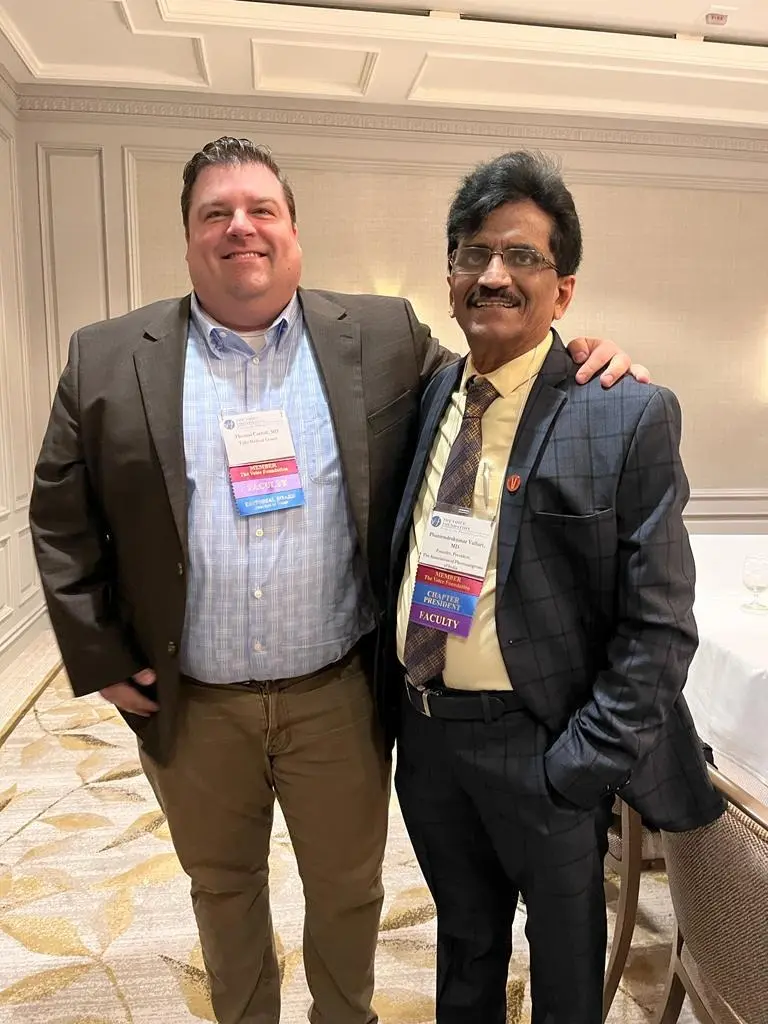
The symposium convened world-renowned laryngologists, speech-language pathologists (SLPs), singing voice specialists, researchers, and performers. Throughout the multi-day event, attendees engaged in rigorous debates concerning vocal health, surgical advancements, and therapeutic interventions.
However, a distinct turning point occurred during the speech-language pathology sessions focused on the lived experiences of individuals with voice disorders. Presenters shared data revealing the heavy emotional toll of dysphonia (voice disorders), including anxiety, social isolation, depression, and identity crises—particularly among professional voice users such as singers, teachers, actors, and public speakers.
The Interactive Catalyst
What set these sessions apart was the nature of the audience response. Rather than passive absorption of data, attendees—comprising seasoned clinicians and early-career researchers alike—engaged in a vibrant, critical dialogue. Questions from the floor centered on:

- How to effectively quantify invisible struggles like vocal fatigue and psychological distress.
- How to adapt clinical care plans to respect the unique occupational and emotional demands of diverse patients.
- How to design future research studies that prioritize patient-reported endpoints alongside traditional physiological metrics.
September 2023: The Newsletter Release and Mobilization
Capitalizing on the momentum generated in Philadelphia, The Voice Foundation dedicated its September newsletter to exploring patients’ experiences in greater depth. Designed to serve as both a summary of symposium takeaways and a call to action, the publication aimed to motivate researchers to launch new investigative pathways and encourage clinicians to immediately integrate patient-centered communication strategies into their daily practices.
Supporting Context & Metrics: The Human Cost of Voice Disorders
To understand why the voice community is rallying around the patient experience, one must examine the profound impact voice disorders have on quality of life. The human voice is not merely a tool for communication; it is an intrinsic component of personal identity, emotional expression, and economic survival.
The Prevalence and Burden of Dysphonia
Research highlighted at the symposium and echoed in broader epidemiological studies indicates that approximately 3% to 9% of the general population suffers from a voice disorder at any given time. Within specific occupational groups—such as teachers, whose vocal demands are exceptionally high—the lifetime prevalence can soar as high as 57%.
For professional singers and actors, a voice disorder is not just an inconvenience; it is a career-threatening crisis. Studies consistently show that individuals experiencing chronic dysphonia report quality-of-life scores comparable to those diagnosed with chronic obstructive pulmonary disease (COPD) or severe hearing loss.
Limitations of Traditional Clinical Metrics
Historically, success in voice therapy or laryngeal surgery was measured primarily by:
- Improved mucosal wave propagation observed via videostroboscopy.
- Reduced vocal fold lesion size (e.g., nodules, polyps).
- Favorable acoustic shifts in fundamental frequency or jitter/shimmer measurements.
However, clinical experience reveals a frequent disconnect: a patient whose physiological metrics have returned to "normal" may still feel deeply unsatisfied with their vocal function, unable to perform their job, or plagued by persistent vocal fatigue. Conversely, a patient with mild residual anatomical irregularities might experience total functional recovery and psychological peace. This mismatch highlights the absolute necessity of Patient-Reported Outcome Measures (PROMs) such as the Voice Handicap Index (VHI) and the Voice-Related Quality of Life (V-RQOL) measure.
Official Perspectives and Expert Insights
The shift toward patient-centered care is championed by leading figures within The Voice Foundation and the broader clinical community. While specific session chairs and presenters at the 52nd Annual Symposium emphasized varying aspects of this transition, their collective philosophy centers on holistic rehabilitation.
Bridging the Science-Art Divide
In vocal pedagogy and speech pathology, practitioners often grapple with the dual nature of the voice: it is both a biological organ system subject to scientific laws and an artistic medium governed by nuance, emotion, and culture.
Experts at the symposium noted that when clinicians fail to listen to the patient’s narrative, therapeutic compliance plummets. A singer told simply to "rest their voice for six weeks" without consideration of upcoming performance obligations or the psychological distress of silence is far less likely to achieve a successful recovery than a patient engaged in a collaborative, empathetic dialogue about pacing, mental health, and vocational support.
The Role of Multidisciplinary Teams
A recurring theme throughout the Philadelphia sessions was the indispensable value of the multidisciplinary voice team—comprising laryngologists, speech-language pathologists, singing voice specialists, and, increasingly, mental health professionals. By viewing the patient through multiple lenses, the care team can address not only the underlying tissue pathology but also the maladaptive compensatory behaviors, performance anxiety, and identity loss that so often accompany voice disorders.
Future Outlook: Where Do We Go From Here?
The conversations sparked at the 52nd Annual Symposium and reinforced in the subsequent communications of The Voice Foundation point toward a clear, ambitious roadmap for the future of voice care and research.
1. Evolution of Research Methodologies
Future research funded and promoted by institutions like The Voice Foundation is expected to place a heavier emphasis on qualitative and mixed-methods research designs. By capturing rich, narrative data directly from patients, researchers can uncover nuanced patterns of recovery and struggle that traditional quantitative surveys miss. Furthermore, clinical trials are increasingly adopting patient-centric primary endpoints, ensuring that new surgical techniques, pharmacological treatments, and therapeutic protocols are validated by how the patient feels and functions, not just how their larynx appears on a monitor.
2. Transformation of Clinical Training
Medical schools, otolaryngology residencies, and speech-language pathology graduate programs must adapt to this paradigm shift. Training curricula are increasingly incorporating modules on empathetic communication, cultural competence in vocal care, and the psychological dimensions of chronic illness. Future clinicians will be equipped not only with state-of-the-art diagnostic instruments but also with the active-listening skills required to build genuine therapeutic alliances.
3. Empowerment of the Patient Voice
Ultimately, the modern movement in voice care is about democratization. Patients are no longer viewed as passive recipients of medical authority, but as active partners in their own healing process. By honoring the lived experiences of speakers and singers, the voice community ensures that clinical care remains compassionate, individualized, and profoundly human.
As The Voice Foundation continues to disseminate these vital insights through its newsletters, symposia, and educational initiatives, the message to members remains clear: listening to the patient is the most powerful diagnostic tool we possess.