In an era marked by shifting demographics in liturgical music and a profound reassessment of the Western choral canon, independent publisher Graphite Publishing has announced a major catalog expansion focused on sacred choral works. The release highlights a tripartite strategic initiative: the scholarly recovery of under-represented early music masters, the modern re-voicing of foundational liturgical anthems, and the commissioning of expansive, contemporary multi-movement works for vocal ensemble and chamber chamber instrumentation.
As Graphite Publishing approaches its 20th anniversary—a milestone marked by two decades of digital innovation and artist-centric distribution models—the Minneapolis-based print and digital music house continues to challenge traditional sacred publishing paradigms. The latest catalog additions feature works ranging from an accessible 17th-century Italian convent motet to an ambitious 30-minute modern sacred suite, illustrating a comprehensive strategy designed to address the evolving operational and artistic requirements of 21st-century church music directors, academic choral conductors, and professional ensembles.
This catalog release comes at a critical juncture for choral publishing. Facing shifting supply chains, an accelerating turn toward digital score distribution, and growing demand for diverse repertoire from university lofts to community sanctuaries, publishers are increasingly compelled to balance historical scholarship with pragmatic versatility. Graphite’s latest release directly addresses these market forces by pairing flexible performance options with high-caliber editorial standards.
Detailed Chronology and Repertoire Catalog Analysis
========================================================================================================================
                                   GRAPHITE PUBLISHING NEW REPERTOIRE MATRIX
========================================================================================================================
Title                               Composer / Editor         Voicing / Instrumentation           Difficulty  Duration
------------------------------------------------------------------------------------------------------------------------
The Lord Bless You and Keep You      P. Lutkin (arr. C. Foss)  TTBB A Cappella / Accompanied       Level 2     < 3 min
Maria Magdalena et altera Maria      S. L. Cesis (ed. X. Shen) SA or TB, opt. instrumental doubling Level 2     < 3 min
Kindling: Reflections on Faith      E. Alexander              SATB, Flute, Horn, Piano, Strings  Level 4     20–30 min
========================================================================================================================
1. Archival Restoration: Renaissance Polyphony in the Modern Choir Loft
Work:Maria Magdalena et altera Maria
Composer: Sulpitia Lodovica Cesis (c. 1577–?)
Editor: Xinke Shen
Scoring Options: Treble (SA) or Tenor-Bass (TB) Duo with optional instrumental doubling
The inclusion of Sulpitia Lodovica Cesis’s duet Maria Magdalena et altera Maria represents a significant editorial effort to bring forgotten early music into mainstream choral performance. Cesis, an Augustinian nun at the convent of Santa Geminiana in Modena, published her landmark collection Mottetti Spirituali in 1610. Historically restricted by cloistered conditions and the patriarchal music publishing structures of 17th-century Italy, Cesis’s oeuvre remained largely inaccessible to modern performers for centuries.
Editor Xinke Shen has prepared a performative, scholarly edition designed for contemporary educational and sacred environments. Originally crafted for the distinctive vocal resources of the Modena convent, Shen’s edition offers an accessible Grade 2 difficulty entry point, featuring flexible voicings for either Soprano-Alto (SA) or Tenor-Bass (TB) ensembles.
Musically, the motet captures the Easter narrative—the arrival of Mary Magdalene and "the other Mary" at the tomb—utilizing elegant imitation, expressive phrasing, and manageable vocal ranges. The score provides optional instrumental doubling, reflecting historical performance practice where low brass, strings, or continuo instruments frequently reinforced upper or lower voices within convent walls. This flexibility provides a practical solution for modern directors seeking high-quality early music tailored to smaller or unevenly balanced vocal sections.
2. Modernizing the Standard Canon: Re-voicing the American Liturgical Heritage
Peter Christian Lutkin’s iconic benediction The Lord Bless You and Keep You, originally composed in 1900 during his tenure as Dean of the Northwestern University School of Music, stands as a cornerstone of American sacred music. Famous for its sweeping, stepwise vocal lines and its culminating, polyphonic "Sevenfold Amen," the work has traditionally served as a classic farewell anthem across various Christian denominations.
Arranger Chris Foss has systematically adapted Lutkin’s SATB original into a specialized TTBB (Tenor-Tenor-Bass-Bass) edition. While retaining the foundational harmonic progression and the legendary counterpoint of the final Amen, Foss redistributes the voice-leading to accommodate the resonance of tenor and bass voices.
The strategic re-voicing addresses a documented demand within the choral marketplace: high-utility, accessible repertoire (Grade 2) tailored specifically for tenor-bass ensembles, community men’s choruses, and varsity collegiate groups. By keeping the piece under three minutes with accessible voice leading, Foss provides ensembles with a classic, comforting anthem suited for graduations, memorial services, and liturgical dismissals.
At the centerpiece of Graphite’s latest release is Elizabeth Alexander’s multi-movement masterwork, Kindling: Small Reflections on a Limitless Faith. Designed for advanced academic, professional, and cathedral choirs (Grade 4), this 20-to-30-minute chamber work offers a modern exploration of spiritual reflection, wonder, and human connection.
Alexander, an American composer known for her text-setting and vocal writing, pairs the standard SATB chorus with an expressive chamber ensemble comprising flute, French horn, piano, and string quartet. The work is structured modularly; while conceived as a unified concert piece, Graphite has made individual movements available independently, allowing music directors to tailor performances to specific liturgical seasons or concert programming constraints.
Kindling shifts away from rigid dogma, focusing instead on shared human experiences, wonder, and personal faith. The integration of the French horn and flute adds evocative tone colors to the string and piano textures, creating a rich tapestry over which Alexander builds complex polyphonic passages and exposed solo vocal lines.
Supporting Context & Market Metrics
The modern sacred music industry operates within a dynamic economic and pedagogical framework. Sacred music publishers face changing choir demographics, altered Sunday attendance patterns, and an increasing need for adaptable repertoire. Graphite Publishing’s latest additions reflect an analytical response to these industry realities.
                  CHORAL PUBLISHING ADAPTATION MODEL

   +---------------------------------------------------------------+
   |                      PUBLISHING STRATEGY                      |
   +-------------------------------+-------------------------------+
                                   |
         +-------------------------+-------------------------+
         |                                                   |
         v                                                   v
+-------------------------------+                   +-------------------------------+
|    PEDAGOGICAL & ACCESSIBLE   |                   |    EXPANSIVE CONCERT WORKS    |
|       (Grades 1-2 Focus)      |                   |       (Grades 4-5 Focus)      |
+---------------+---------------+                   +---------------+---------------+
                |                                                   |
                v                                                   v
+-------------------------------+                   +-------------------------------+
| • Flexible voicings (SA/TB)   |                   | • Modular movement structures |
| • Historical recovery (Cesis) |                   | • Chamber orchestration       |
| • Standard canonical re-voicing|                   | • Concert/liturgical dual use |
+-------------------------------+                   +-------------------------------+
Market Demand Analysis: Accessibility vs. Complexity
Data collected across university and church choir networks highlights two distinct purchasing patterns driving contemporary music selection:
High-Utility Liturgical Anthems (Difficulty 1–2): Ensembles frequently face limited rehearsal time, rotating volunteer staff, or irregular section balances. Pieces like Maria Magdalena (SA/TB) and Lutkin’s The Lord Bless You and Keep You (TTBB) require lower rehearsal time investments while providing high artistic value. Flexible scoring options directly insulate music ministries against sudden voice shortages.
Major Festival & Academic Works (Difficulty 4–5): Collegiate ensembles and professional cathedral choirs seek substantial, multi-movement works that combine chamber instruments with vocal textures. Works like Alexander’s Kindling meet the needs of festival programs, university masterclasses, and concert series.
Official Statements and Editorial Philosophy
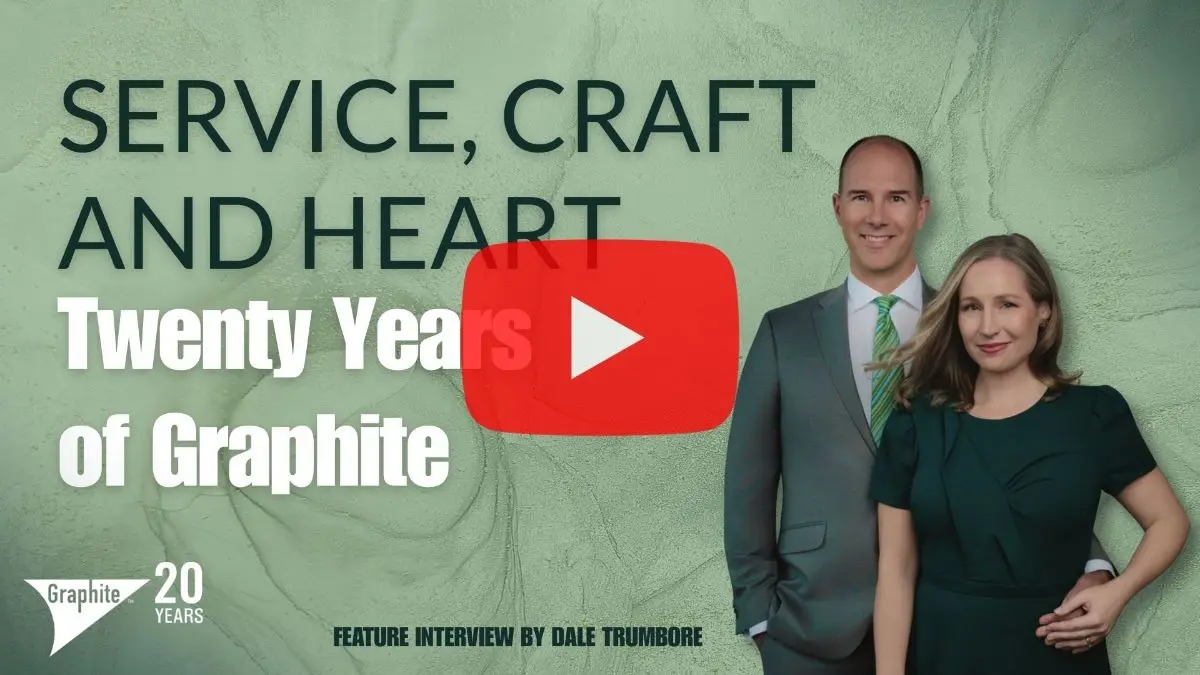
Marking the company’s upcoming 20th anniversary—highlighted in the official chronicle "Service, Craft, and Heart: 20 Years of Graphite"—the publisher’s leadership emphasized the underlying philosophy behind the new sacred catalog.
"For two decades, our mission has centered on supporting the living composer while treating the historical canon not as a static museum piece, but as a dynamic, evolving landscape," stated the editorial board of Graphite Publishing. "Whether we are bringing the voice of an overlooked 17th-century nun like Sulpitia Cesis into a modern choir loft or presenting a major modern work by Elizabeth Alexander, our commitment remains constant: delivering music crafted with clarity, integrity, and profound heart."
Musicologist and editor Xinke Shen noted the importance of the new edition of Cesis’s motet within contemporary performance spaces:
"The music of early modern convents contains some of the most expressive polyphony of the Renaissance, yet much of it remained locked away due to prohibitive historic voicings or inaccessible manuscripts. Re-editing Maria Magdalena et altera Maria for modern SA and TB combinations allows conductors to present high-level historical counterpoint without compromising vocal health or pedagogical goals."
Addressing the adaptation of established works, arranger Chris Foss spoke to the technical process of re-voicing Peter Lutkin’s classic benediction:
"Re-imagining a classic like the Lutkin Lord Bless You and Keep You for low voices requires maintaining the iconic, rich voice-leading of the original while allowing the tenor and bass registers to resonate fully. The goal was to provide TTBB ensembles with an accessible, idiomatic arrangement of a beloved masterpiece that feels completely natural to sing."
Future Outlook & Industry Trajectory
As Graphite Publishing enters its third decade of operation, its multi-faceted approach offers a clear blueprint for the future of independent music publishing. The company’s expansion strategy relies on three main operational pillars:
               GRAPHITE PUBLISHING: THREE-PILLAR MATRIX

  +-----------------------------------------------------------------+
  | 1. HISTORICAL ADVANCEMENT                                       |
  |    Restoring historically neglected works (e.g., Cesis) to ensure  |
  |    broad, inclusive representation across all catalog sectors.  |
  +-----------------------------------------------------------------+
  | 2. CANON MODERNIZATION                                          |
  |    Re-arranging beloved classical standards (e.g., Lutkin/Foss)   |
  |    to serve evolving ensemble voicings (TTBB, SSAA, SAB).       |
  +-----------------------------------------------------------------+
  | 3. CONTEMPORARY INNOVATION                                      |
  |    Commissioning major works (e.g., Alexander) that offer       |
  |    modular options for both liturgical and concert settings.    |
  +-----------------------------------------------------------------+
Digital Distribution and Visual Score Technology
To support these publication initiatives, Graphite is expanding its digital infrastructure. Utilizing video score-following technology via its official YouTube channel and publishing digital insights through its Take Note publication, Graphite allows conductors to review complete scores along with professional audio performances before purchasing.
This transparent model significantly cuts down the review-to-performance cycle for choir directors preparing seasonal rosters.
Long-Term Impact on Choral Repertoire
The simultaneous release of Cesis, Lutkin/Foss, and Alexander underscores a broader shift within the choral publishing ecosystem. As educational institutions and places of worship seek repertoire that reflects both historical depth and contemporary relevance, publishers that offer adaptable, well-edited scores are positioned to lead the market.
By combining scholarly rigor with practical usability, Graphite Publishing’s latest additions reinforce its role as a key contributor to contemporary choral literature, ensuring that sacred music remains vibrant, inclusive, and accessible for generations to come.