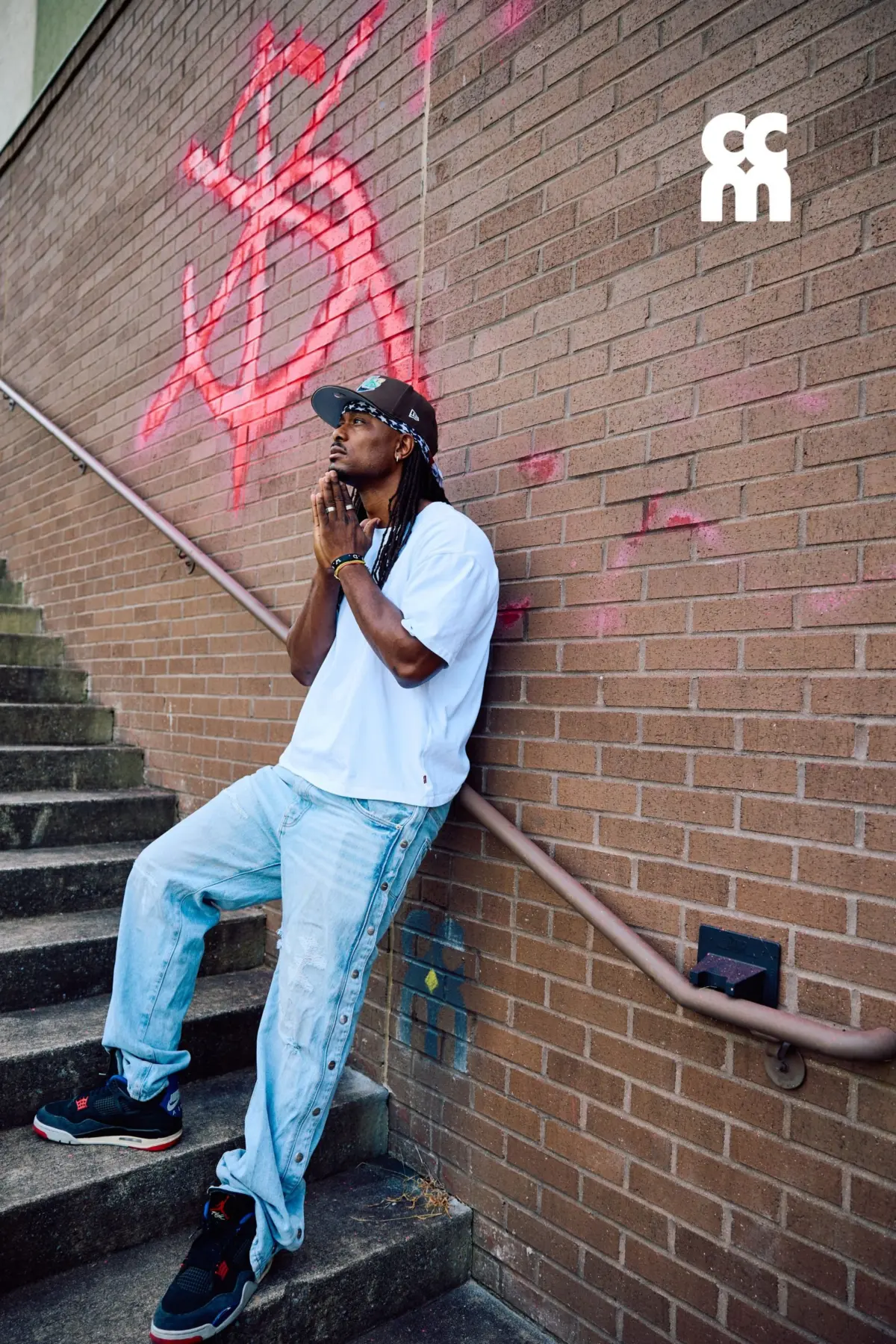
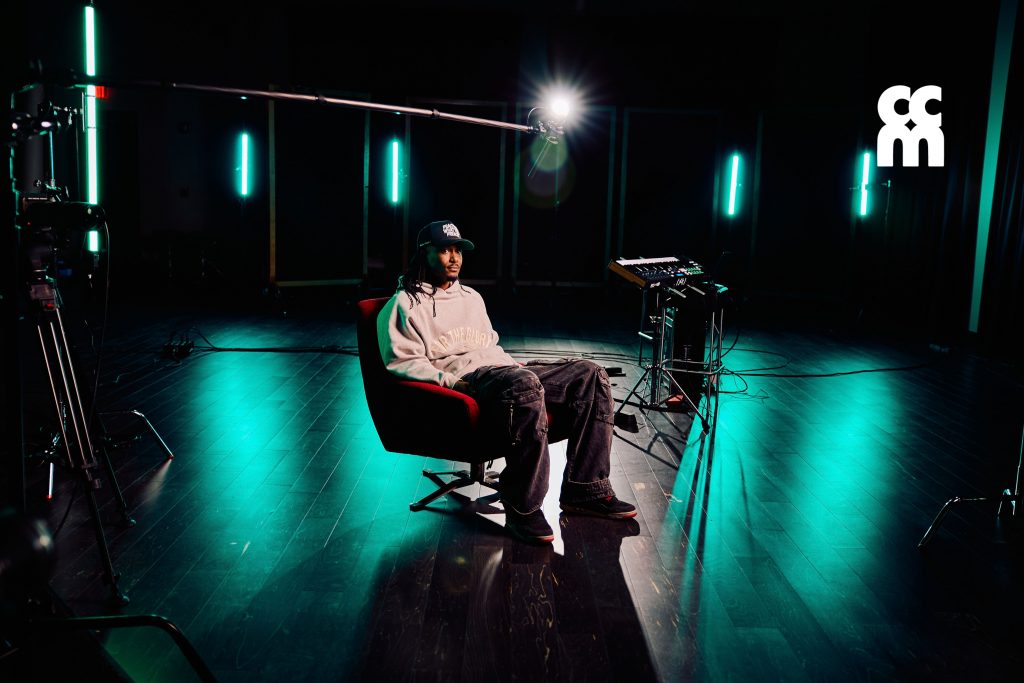
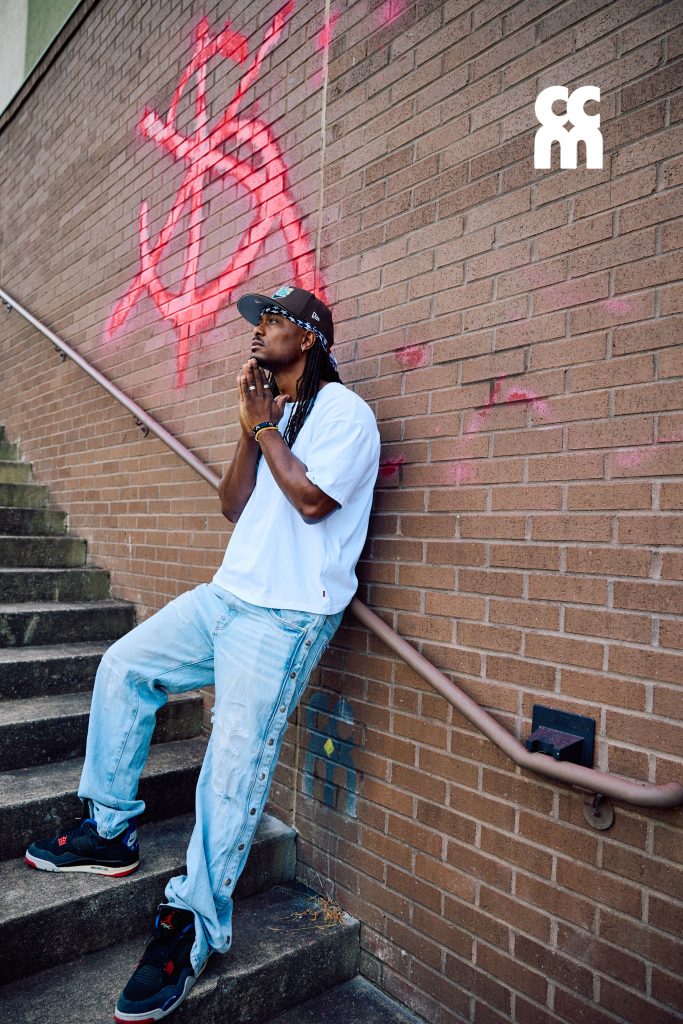
After two decades of conducting high-profile media interviews, veteran journalists develop an instinctive rhythm. They learn how to follow interesting detours, navigate conversational lulls, and maintain absolute control of the dialogue—even when sitting across from intimidating, highly passionate public figures.
Yet, when Christian hip-hop artist KB stepped into the studio for a cover story interview, that well-worn rhythm evaporated entirely.
Off-camera, KB was remarkably unassuming: kind, creative, reserved, and quiet. He collaborated smoothly with the production team on live performance concepts and photoshoot layouts, displaying an easygoing demeanor that bore little resemblance to the thunderous, revival-like intensity of his recorded music. But the moment the red recording light illuminated, the dynamic shifted violently.
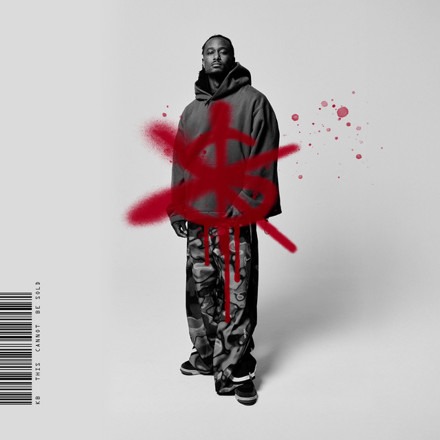
What followed was not a standard promotional interview, but an intellectual and spiritual gauntlet. KB arrived armed with the analytical rigor of a former law student, the profound doctrinal precision of a Bible scholar, and the convicting fire of a street-level preacher. His new album, THIS CANNOT BE SOLD, stands as the artistic manifestation of this intense mindset—a direct challenge to modern Christianity’s drift toward commodification, algorithm-driven outrage, and performative fame.
This deep-dive feature examines the man behind the music, the staggering philosophy driving his latest project, and his prophetic warning to a church culture increasingly entangled in digital self-promotion.
Detailed Chronology: The Evolution of a Theological Rap Icon
To understand the intellectual velocity KB brings to a conversation, one must understand the trajectory of his intellectual development. Entering college at the precocious age of sixteen, KB initially mapped out a future in the legal profession. He possessed the analytical capacity to construct airtight arguments, dissect nuances, and challenge prevailing premises. However, a profound spiritual awakening altered his course. Walking away from a traditional legal career, he dedicated his life to intensive theological study and the propagation of the Gospel.
That former lawyer, however, never truly left.
During the interview, questions were not merely answered; they were systematically built out like legal cases. One thought would seamlessly bridge into Scripture, cross-examine modern culture, and loop back to the original premise with razor-sharp logic. At one point, even KB caught himself mid-sentence, laughing as he remarked, "My goodness, my goodness, my goodness, I already preached a sermon to myself."
This collision of brilliant intellect and pastoral urgency forms the bedrock of his career. KB has never made ambiguous music. His tracks are unapologetically theological, confrontational, and celebratory. When asked point-blank whether his music qualifies as worship, his definition cut straight to the chase:
"When I think about what worship is in Scripture, this sort of bowing down before this reverent pursuit of this great, grand, glorious, majestic, powerful, awe-inspiring, fly God… I don’t think you can call your music Christian if that isn’t in it. And if that is in it, it’s by definition worship."
Yet, this unwavering certainty does not translate into personal invulnerability. Rather than projecting an image of a flawless spiritual sage, KB used the interview to dismantle the pedestal upon which Christian leaders and artists are often placed.
Recalling his own path, KB pointed back nearly twenty years to a pivotal moment when he was sixteen. A Christian hip-hop record titled Bloody Streets Volume One—referencing the blood of Jesus covering people deemed unreachable by society—led him to faith. On the cover of that album was a sticker resembling a parental advisory warning. Instead of "explicit language," however, the label read: "This cannot be sold."
Nearly two decades later, that phrase became the conceptual anchor for his latest album. But the record was born out of burden, not marketing strategy. "I think that I start from burden," KB explained. "I only try to make songs about things that keep me up at night… I try to put projects out in the world that I feel like if they did not exist, something is wrong. That it would be wrong for me not to do this."
Supporting Context & Metrics: The Perils of Performative Christianity
The core crisis addressed on THIS CANNOT BE SOLD is the widespread rise of "performative" and "tribal" Christianity. In an era where digital engagement rules supreme, KB warns that believers are unwittingly trading authentic faith for algorithmic approval.
The Algorithmic Trap of Rage
Modern social media platforms have mastered a dark art: monetizing human emotion. According to KB, tech platforms have discovered a commodity that performs even better than sex or conventional entertainment—outrage.
"We become angry, angrier with each other, more isolated," KB observed. "And not realizing that this whole time we are being monetized by the platforms that we’re on, while we’re trying to monetize things on the platforms that we’re on."
He argues that Christians are far from immune to this contagion. Instead of using digital spaces as genuine mission fields to introduce grace, believers frequently descend into ideological echo chambers, serving as amplifiers for polarization.
The Cost of Refusing the Market
For an artist whose livelihood relies on streaming numbers, ticket sales, and social media presence, this critique carries immense personal risk. KB revealed that maintaining his integrity has required turning down lucrative opportunities—including concert offers matching a full year’s salary.
"My loyalty to the Kingdom, me not losing myself and becoming something that is ego, that lives in egomania and is self-centered… I want to remain a friend of God. That is my priority. If I have to choose, then I’m going with the thing that keeps me with Him. And that would cost me in some ways in this world."
Official Statements & Key Philosophy: "More Christian Than Artist"
At the heart of KB’s manifesto is a radical reordering of identity. In an industry designed to cultivate personal brands, protect public images, and chase metrics, KB issues a stark counter-cultural directive:
"The goal for us is that we would be more Christian than we are artist. I want my Christianity to be a modifier of any other label you give me."
Dismantling the "Wounded Healer" Myth
Too often, Christian leadership culture demands unbreakable facades. Leaders are expected to project absolute confidence, masking their personal doubts, temptations, and traumas. KB argues this is a dangerous illusion that alienates everyday believers.
"The audience is experiencing that with every Christian hero they have," KB noted. "Every human being on this planet is experiencing all of the threats that you feel to your faith. They are experiencing them too."
Pointing to the theological pattern of Jesus Christ—whose wounds brought healing—KB stresses that Christian leaders are fundamentally "wounded healers." In a striking moment of personal transparency, KB admitted that he has historically shielded his own vulnerabilities in his music. With THIS CANNOT BE SOLD, however, he breaks that mold by addressing childhood abuse, confronting the painful distance between intellectual belief and emotional reality.
"There’s going to be friction between what you believe to be true and what you are experiencing," he shared. "I will trust God when I cannot understand what He’s doing… I will believe in His goodness when I don’t have good arguments to believe."
Future Outlook: Grounded Faith in an Ungrounded World
As digital landscapes shift and the lines between ministry and monetization blur further, KB’s message serves as both a warning flare and a stabilizing anchor. His prescription for spiritual survival in the public eye is surprisingly unglamorous.
The Antidote to Celebrity: Stacking Chairs
To combat the intoxicating echo chamber of the internet—which constantly convinces public figures that every thought they utter is world-changing gold—KB advocates for radical, boots-on-the-ground humility.
"You can’t afford not being a part of a church. You cannot afford making your label your pastor," he warned. "You cannot afford traveling all year long, disconnected from community and being surrounded by people you pay… Don’t believe the internet. The internet is telling you that you are this godly sage who every time he or she walks into the studio, you’re spinning out gold and changing the world."
His practical solution? "Go stack chairs at the church."
By intentionally anchoring oneself in local, unglamorous community service, artists and leaders can strip away the toxic veneer of ego.
Subordinating All Agendas to the Kingdom
Ultimately, THIS CANNOT BE SOLD challenges believers to evaluate their political, cultural, and tribal allegiances. KB acknowledges that he, too, carries biases and political leanings, but insists that every earthly team must bow to a higher authority.
"All of those things have to be subordinate to the agenda of the Lord Jesus Christ, which is bigger than every single movement on this planet. I think that the core message of the New Testament is that if you understand what essential Christianity is as something other than fervent love for God and love for people, you have misunderstood the New Testament. You’ve misunderstood Jesus."
As the music industry continues to commercialize faith and social algorithms demand louder, angrier voices, KB stands as a defiant outlier—a theologian with a microphone, reminding the world that some things are simply too sacred to be bought, sold, or compromised.
THIS CANNOT BE SOLD is available now across all major streaming platforms.