
Executive Overview
In an era where pop stardom is frequently measured by TikTok virality, streaming milestones, and stadium tour grosses, Grammy Award-winning global phenomenon Dua Lipa is charting a surprisingly classical course. Over the span of a single month, the British-Albanian singer-songwriter has firmly established herself as a regular presence in the world’s most prestigious opera houses, transitioning from a casual listener to a dedicated aficionado of lyric theater.
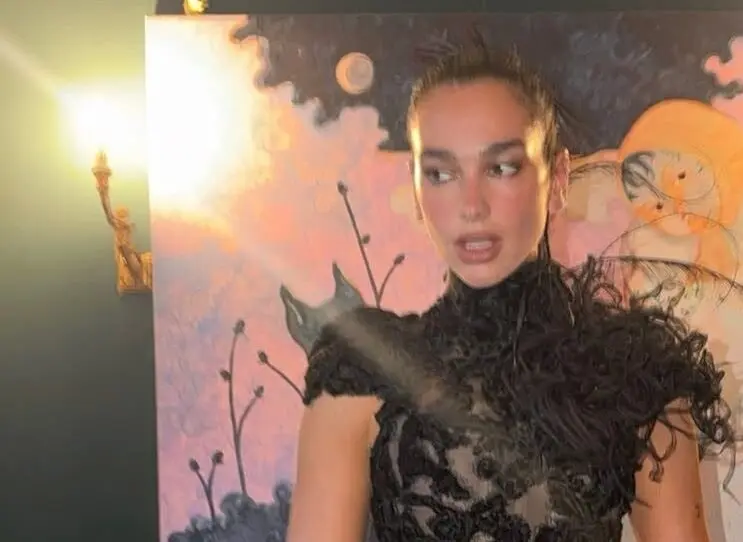
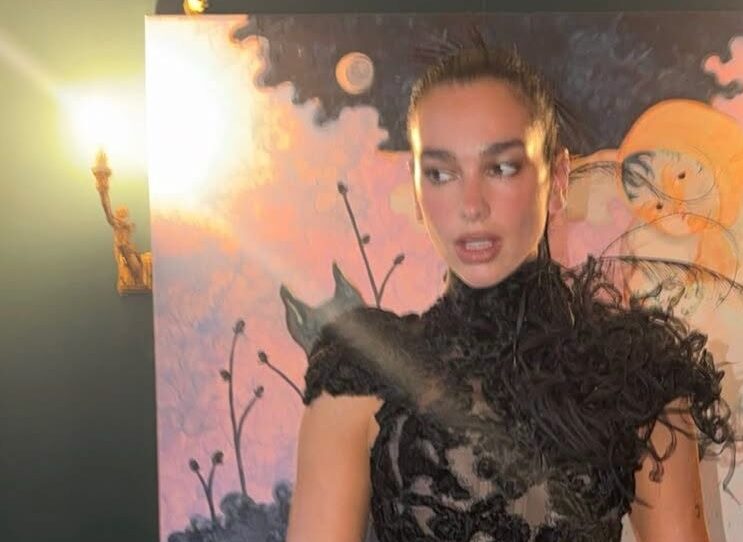
This cultural pivot culminated on October 19, when Lipa stepped onto the star-studded red carpet at the Metropolitan Opera in New York City for the world premiere of Lincoln in the Bardo. The event marked her second major opera outing in four weeks, following a high-profile September pilgrimage to Milan’s historic Teatro alla Scala for a production of Verdi’s La Traviata.
Lipa’s presence at the Met was not merely a celebrity cameo; it was the culmination of a deeply personal literary and artistic journey. Lincoln in the Bardo is a contemporary opera adapted from George Saunders’s Booker Prize-winning novel of the same name—a book Lipa has publicly championed. In 2024, Lipa hosted Saunders on her literary podcast, Service95, where she professed a profound admiration for his work, declaring herself a "huge fan" who recommends his writing to everyone.
Behind the scenes, Metropolitan Opera General Manager Peter Gelb had teased Lipa’s impending attendance weeks prior, noting the pop star’s genuine excitement over the opening of this ambitious new work by composer Missy Mazzoli and librettist Royce Vavrek. As Lipa walked the red carpet alongside other notable cultural figures—including Amy Poehler, Bowen Yang, Callum Turner, and Matt Rogers—she signaled a broader cultural shift. Her embrace of opera bridges the often-impenetrable wall between contemporary pop culture and high art, bringing a fresh, youthful demographic’s attention to an art form striving to reinvent itself for the 21st century.
Detailed Chronology: A Month of Operatic Milestones
Dua Lipa’s rapid immersion into the upper echelons of classical music and opera has been meticulously documented over the past several weeks, tracing a path from European heritage houses to North America’s premier stage.
September: The Initiation at Teatro alla Scala
The first chapter of Lipa’s operatic autumn unfolded in Milan, Italy, during the early days of September. Eschewing the traditional European fashion week circuit for which she is frequently a fixture, Lipa made her maiden voyage to the legendary Teatro alla Scala.
There, she took in a performance of Giuseppe Verdi’s enduring masterpiece, La Traviata. For an artist steeped in the architecture of modern pop production, stepping into the gilded, horseshoe-shaped auditorium of La Scala—a house that has hosted premieres by Verdi, Puccini, and Rossini—served as a baptism by fire. Sources close to the singer noted that she was transfixed by the scale of the vocal performances and the historical weight of the venue. The Milan excursion set a precedent, proving that her interest in the medium extended far beyond a passing curiosity.
October 19: The World Premiere of Lincoln in the Bardo at the Metropolitan Opera
Just weeks after her Milan debut, Lipa’s operatic journey crossed the Atlantic for a high-stakes theatrical event in New York City. On October 19, the Metropolitan Opera hosted the highly anticipated world premiere of Lincoln in the Bardo.
The red carpet outside Lincoln Center buzzed with anticipation as photographers and fans caught sight of the Future Nostalgia singer. Dressed for the occasion, Lipa navigated the media line before taking her seat in the auditorium. Her attendance was the epicenter of a broader convergence of Hollywood and high culture. Also populating the celebrity-dense audience were comedian Amy Poehler, Saturday Night Live standout Bowen Yang, actor Callum Turner, and podcast host Matt Rogers.
The evening was historic for the Met, representing a major push into contemporary American opera. As the house lights dimmed and Yannick Nézet-Séguin raised his baton, Lipa joined an audience bearing witness to a modern classic being born in real-time.
Supporting Context & Metrics: The Intersection of Pop Stardom and Contemporary Opera
To understand the significance of Dua Lipa’s operatic outings, one must examine the intersection of her broader intellectual pursuits, the specific pedigree of Lincoln in the Bardo, and the economic and cultural metrics governing modern opera houses like the Metropolitan Opera.
The Service95 Connection: A Literary Foundation
Dua Lipa’s affinity for Lincoln in the Bardo is not a sudden marketing ploy; it is rooted in her identity as an avid reader and cultural curator. Through her global lifestyle and culture platform, Service95, Lipa curates a monthly book club that has immense sway over publishing trends, frequently propelling literary fiction to the top of bestseller lists.
In 2024, Lipa dedicated an episode of the Service95 Book Club podcast to an in-depth interview with author George Saunders. During the conversation, Lipa did not hide her fandom. She confessed to being completely captivated by Saunders’s unique narrative structure, which weaves historical accounts of Abraham Lincoln’s grief over his deceased son, Willie, with a chaotic, polyphonic chorus of ghosts trapped in the "bardo"—the Tibetan intermediate state between life and rebirth. Lipa’s glowing endorsement of Saunders during the podcast laid the intellectual groundwork for her presence at the Met’s operatic adaptation, transforming her from a casual spectator into an invested literary stakeholder.
The Anatomy of Lincoln in the Bardo (The Opera)
Bringing George Saunders’s kaleidoscopic, structurally daring novel to the opera stage was a monumental undertaking. The work represents a triumph of modern American composition, spearheaded by composer Missy Mazzoli and librettist Royce Vavrek—a creative duo celebrated for breathing new life into contemporary lyric theater.
- Musical and Vocal Architecture: Under the baton of Metropolitan Opera Music Director Yannick Nézet-Séguin, the production demands extraordinary vocal agility and emotional depth. The cast features an all-star roster of classical heavyweights: baritone Peter Mattei anchors the production with gravitas, supported by soprano Christine Goerke, mezzo-soprano Stephanie Blythe, and the luminous countertenor Anthony Roth Costanzo.
- The Thematic Core: The opera maintains the novel’s eerie, moving exploration of grief, love, and mortality. Translating the chorus of 166 historical and fictional spirits from the page to the orchestral stage required innovative soundscapes and striking visual dramaturgy, elements that resonated deeply with an artist known for her own avant-garde visual aesthetics in pop music.
Cultural Metrics: Reaching the Demographically Elusive Audience
For the Metropolitan Opera, the presence of cultural icons like Dua Lipa is a strategic imperative. For decades, major opera houses have battled the persistent stereotype that the art form is elitist, inaccessible, and aging out of relevance.
When a multi-platinum-selling artist with over 88 million monthly Spotify listeners and a massive Gen Z and millennial following attends a world premiere, the ripple effects are immediate:
- Digital Impressions: Lipa’s red carpet entrance, shared via Instagram and amplified across fan accounts, instantly exposes millions of young digital natives to the Metropolitan Opera brand.
- De-stigmatization of High Art: By normalizing attendance at La Scala and the Met, Lipa reframes opera not as a stuffy museum piece for the ultra-wealthy, but as a vibrant, thrilling night out for modern creatives.
- Cross-Pollination of Fandoms: The intersection of pop music fans, literary enthusiasts (via George Saunders), and classical music purists creates a powerful cultural ecosystem that benefits all involved parties.
Official Statements and Industry Reactions
The theater world and industry insiders have taken swift note of Lipa’s unexpected cultural pivot, viewing her patronage as a welcome endorsement of an art form fighting for modern cultural footprint.
Prior to the opening night of Lincoln in the Bardo, Metropolitan Opera General Manager Peter Gelb dropped hints during press previews that a major pop star would be in attendance, noting that Dua Lipa had expressed genuine, unfeigned enthusiasm for the project. Gelb’s transparency underscored the Met’s aggressive push to modernize its audience acquisition strategies without compromising artistic integrity.
While formal press statements from Lipa herself regarding her operatic explorations have been understated—preferring to let her presence and social media shares speak for themselves—collaborators and attendees have been vocal.
Composer Missy Mazzoli, speaking on the challenges of bringing contemporary literature to the operatic stage, has frequently emphasized the need for the art form to engage with contemporary cultural conversations. The presence of artists from outside the classical bubble validates that mission.
Meanwhile, social media commentary from co-attendees like Matt Rogers and Bowen Yang highlighted the electric, almost surreal atmosphere of the premiere. For the cast and crew, performing complex, boundary-pushing contemporary music before a house filled with both classical purists and contemporary cultural leaders signaled a rare moment of unity across disparate entertainment sectors.
Future Outlook: Will Pop’s Newest Operagoer Take the Stage?
As the dust settles on the world premiere of Lincoln in the Bardo and the memory of her Milanese debut at La Scala remains fresh, the inevitable question facing cultural observers is: What’s next for Dua Lipa’s relationship with classical music?
While Lipa remains firmly anchored in the pop stratosphere—continually dropping chart-dominating tracks, headlining international festivals, and pushing the boundaries of contemporary dance-pop—her foray into opera appears to be more than a fleeting phase. Her genuine literary connection to George Saunders, combined with her evident delight in the acoustic and visual grandeur of houses like La Scala and the Met, suggests a sustained engagement with high culture.
Industry insiders are already speculating on future possibilities. Could Dua Lipa’s cinematic, disco-infused pop soundscapes eventually incorporate elements of classical orchestration inspired by her operatic exposures? Could she follow in the footsteps of other pop luminaries by commissioning a classical work, or perhaps—in a move that would stun the music world—lend her distinctive contralto vocals to a contemporary operatic role or crossover project?
While a formal operatic singing debut remains purely speculative, the cultural impact of her current trajectory is undeniable. By simply showing up, paying attention, and leveraging her immense platform to champion literature and lyric theater, Dua Lipa is redefining what it means to be a modern pop star. In doing so, she is opening doors for a new generation of listeners who might just follow her down the red carpet and into the gilded halls of the world’s great opera houses.