
Executive Overview
The intersection of music and visual art has long provided a fertile breeding ground for cultural expression. From Rembrandt to Basquiat, visual artists have sought to capture the kinetic energy of sound, just as composers from Debussy to David Bowie have translated visual aesthetics into sonic architecture. Within the rich tapestry of modern music, the jazz world stands out as a genre deeply intertwined with visual culture. Saxophonist Steve Lacy famously recorded musical tributes directly inspired by abstract expressionism, and fellow saxophonist Branford Marsalis crafted an entire album influenced by the visual works of Romare Bearden.
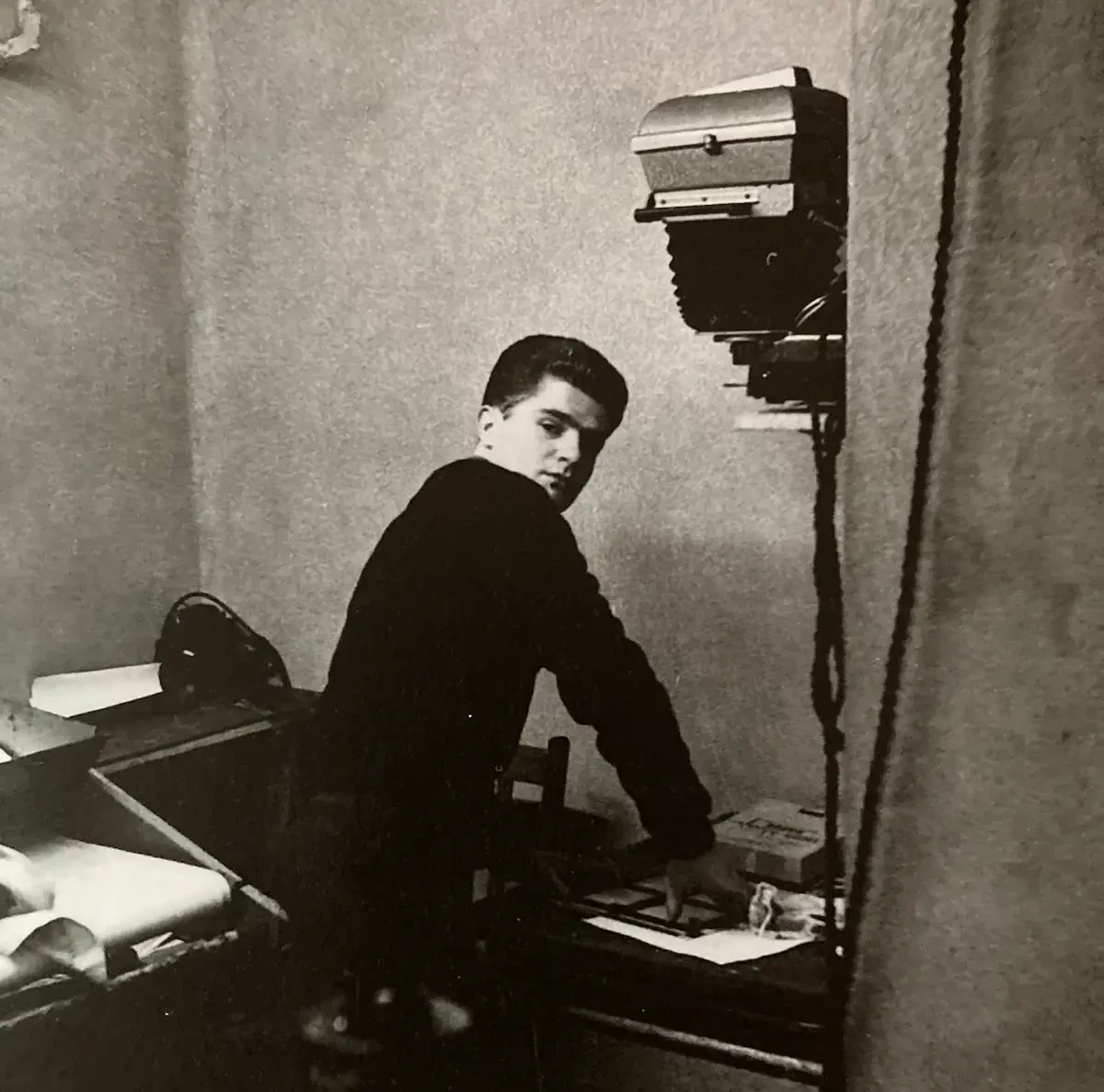
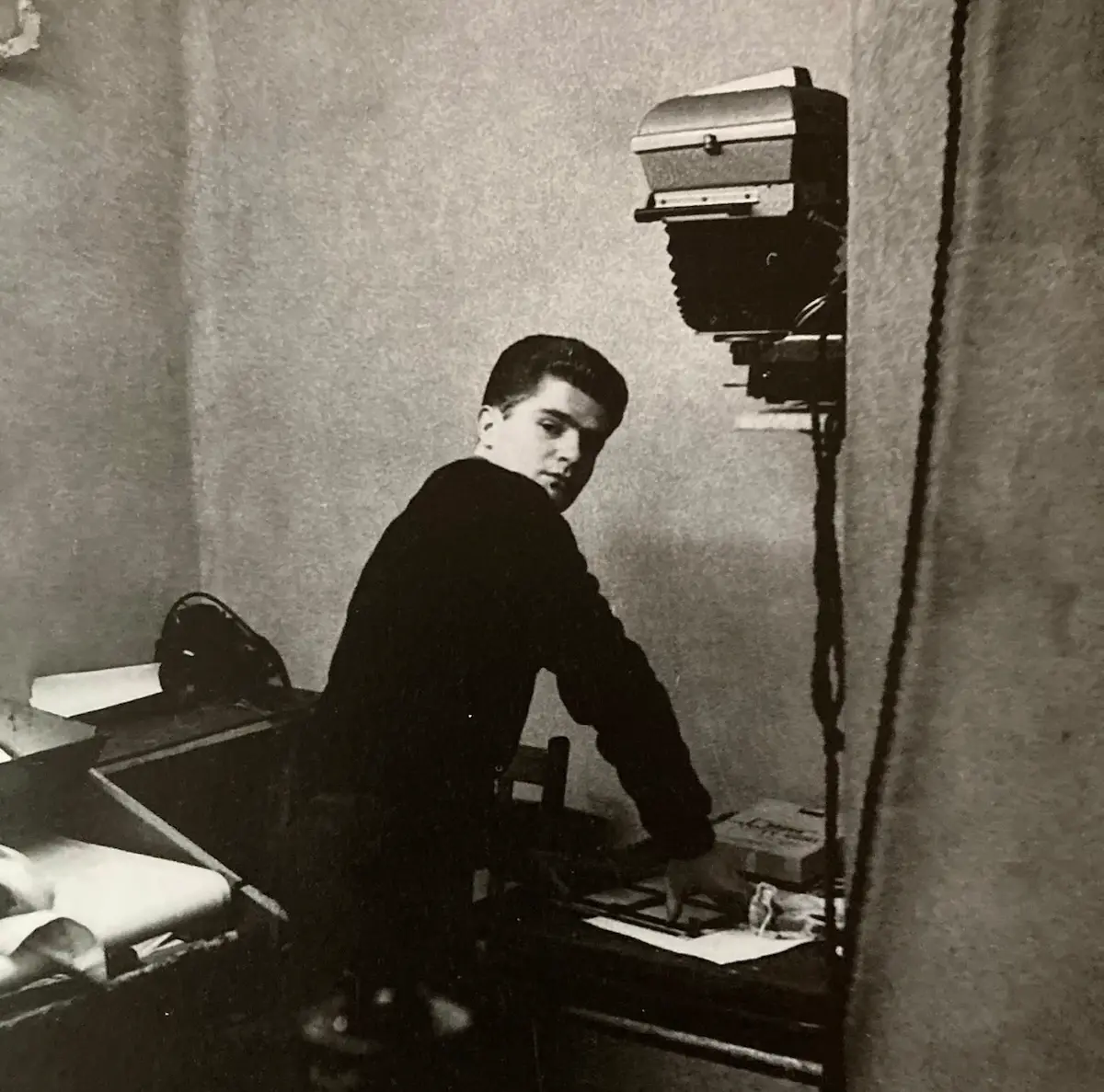
Yet, the visual archive of jazz—the tangible historical record of the genre’s golden age—often depends on the dedication of unsung archivists who stood quietly in the shadows of smoky clubs, capturing lightning in a bottle. One such visionary was Freddy Warren, a passionate jazz aficionado and photographer who spent the 1950s and 1960s documenting the legendary musicians performing at London’s iconic Ronnie Scott’s Jazz Club. Warren’s lens froze time for titans of the art form, including Miles Davis, Ella Fitzgerald, Thelonious Monk, and Duke Ellington.
Following Warren’s tragic passing in a house fire in 2010, his extensive archive faced near-total destruction. Thanks to the tireless preservation efforts of his nephew, Simon Whittle, thousands of these invaluable negatives and prints were rescued from the ashes. Today, Warren’s work is experiencing a monumental renaissance. This resurgence culminates in a new, major multi-disciplinary exhibition at the Rose Theatre in Kingston upon Thames. Running from 16 November to 16 January, the exhibition places Warren’s historic jazz photography in direct dialogue with contemporary works by artists inspired by the spirit of jazz, offering a profound meditation on the enduring symbiotic relationship between visual art and improvised music.
Detailed Chronology: From the Smokey Booths of Ronnie Scott’s to the Archives
To understand the weight of Freddy Warren’s photographic contribution, one must trace the cultural landscape of post-war London. During the 1950s and 1960s, the British capital was undergoing a seismic shift in its cultural appetite. Amid this backdrop, Ronnie Scott’s established itself as a temple of modern jazz, drawing the absolute royalty of American and European improvised music to its stages. Freddy Warren was there, embedded in the atmosphere, operating not merely as an opportunistic bystander, but as a trusted insider with a profound ear and an impeccable eye for the decisive moment.
The Euston Encounters and Insider Lore
Warren’s life was steeped in the very culture he documented. Anecdotes passed down through his nephew, Simon Whittle—who spent formative years in Warren’s Euston apartment—paint a vivid picture of a man utterly devoted to the idiom. Whittle recalls a quiet evening around 1950 when a visitor arrived to listen to newly imported American jazz pressings. The visitor, sharing coffee and conversation with Warren for hours, was introduced simply as "Yusef." It was only decades later that Whittle realized he had spent his adolescence in the company of Yusef Lateef, the legendary multi-instrumentalist, composer, and NEA Jazz Master.
Such casual encounters underscore the intimate nature of Warren’s social and artistic circle. His camera did not capture distant idols; it documented friends, peers, and musical pioneers in their most authentic moments of communion.
The Miles Davis Watch Exchange
Among the most celebrated anecdotes of Warren’s career involves the mercurial trumpet innovator Miles Davis. While on assignment photographing Davis, the trumpeter’s attention was drawn away from the session and toward Warren’s wrist. Davis, renowned for his distinct sartorial elegance, found Warren’s wristwatch striking. An impromptu negotiation ensued on the spot: Davis made an offer to purchase the timepiece directly from the photographer. Warren accepted.

This singular moment of human interaction highlights the unique rapport Warren shared with his subjects. Demonstrating the tangible proof of this encounter, the photograph chosen as the primary promotional image for the upcoming Rose Theatre exhibition features Davis wearing that very same watch—a subtle historical artifact immortalized on silver gelatin.
The Tragedy of 2010 and the Great Rescue
The narrative of Freddy Warren’s archive took a harrowing turn in 2010 when a devastating house fire claimed his life. In the immediate aftermath, the physical remnants of his life’s work appeared destined for historical oblivion. However, Simon Whittle stepped forward to sift through the charred debris. Displaying extraordinary resilience and historical stewardship, Whittle successfully rescued thousands of fragile negatives and prints from total destruction.
Over the ensuing decade, Whittle embarked on a meticulous preservation campaign. Negatives were cleaned, catalogued, and digitized, transforming a private family collection into a national cultural treasure. The recovery efforts bore significant fruit: Warren’s images began appearing on contemporary record sleeves, were featured prominently in The Guardian, and secured a permanent home on the walls of Ronnie Scott’s Soho location. In 2019, this labor of love culminated in the publication of a definitive monograph dedicated to his work, beautifully annotated by Simon Whittle and Graham Marsh.
Supporting Context & Metrics: The Intersection of Jazz, Art, and Exhibition
The decision to mount a major exhibition of Warren’s photography at the Rose Theatre represents a vital bridge between historical documentation and contemporary artistic creation. Conceptualized and organized by a practicing painter who first encountered Warren’s lore in a local barber’s chair, the project addresses a fundamental challenge in the arts: the chasm between creation and exposure.
Bridging the Creative Chasm
As the exhibition’s organizer notes, creating a work of art is only the initial hurdle; ensuring that the work finds its audience is often an exponentially harder task. By pairing Warren’s historical documentation with new creations by contemporary artists influenced by jazz, the Rose Theatre exhibition creates a multi-generational dialogue. Visitors are invited to observe how the visual syncopation of Monk at the piano or Davis with his horn continues to provoke modern creative output across different mediums.
Exhibition Metrics and Logistics
To ensure optimal public access, the exhibition has been structured with clear operational parameters:
- Venue: Rose Theatre, 24–26 High Street, Kingston upon Thames, KT1 1HL
- Dates: 16 November – 16 January
- Daily Operating Hours: 10:00 – 15:00
- Official Web Resource: rosetheatre.org
- Core Visual Assets: Featuring rare prints of Thelonious Monk, Miles Davis, Ella Fitzgerald, and Duke Ellington, alongside contextual ephemera from the Ronnie Scott’s 1950s–1960s golden era.
Official Statements and Curatorial Vision
The philosophy driving the Rose Theatre exhibition centers on the premise that music and visual art are fundamentally codependent expressions of human experience. Below are key perspectives gathered from the organizers and custodians of the Freddy Warren collection:
"In my opinion, music and visual art are inextricably intertwined. Art and music are both food for the soul, an indescribable substance that somehow can articulate our deepest fears and desires. Freddy Warren didn’t just take pictures of musicians; he captured the frequency of their genius."
— Exhibition Organizer & Visual Artist"When I sat in Simon Whittle’s barber chair and heard these stories about Yusef Lateef dropping by for coffee, or Miles Davis trading for a wristwatch, I knew these weren’t just personal memories—they were missing pieces of British jazz history. The photography had too much power and resonance to remain hidden in boxes."
— Curatorial Team Statement
These statements underscore the ideological foundation of the project: that preservation is an active, ongoing duty. By bringing Warren’s work out of private collections and into civic cultural spaces, the organizers ensure that the ghosts of Ronnie Scott’s continue to haunt and inspire contemporary audiences.
Future Outlook: The Enduring Legacy of Archival Preservation
As the cultural landscape becomes increasingly digitized and ephemeral, the physical archive gains unprecedented value. The revival of Freddy Warren’s photography points toward a broader trend in cultural preservation—one where the stewards of historical ephemera play as crucial a role in cultural history as the original creators.
Looking forward, the success of the Rose Theatre exhibition serves as a blueprint for future collaborations between local history, private archives, and public performance spaces. Plans are currently under discussion to digitize wider swathes of the Warren archive for educational outreach programs, ensuring that students of both photography and jazz history can access primary-source material from Britain’s mid-century jazz boom.
Ultimately, Freddy Warren’s lens did more than record physical likenesses; it captured the transient, improvisational soul of an era that can never be fully repeated. Through the dedication of Simon Whittle and the vision of contemporary curators, Warren’s subjects—Monk, Davis, Fitzgerald, Ellington—remain perpetually alive, performing their timeless music across the generations, frozen in silver and light.