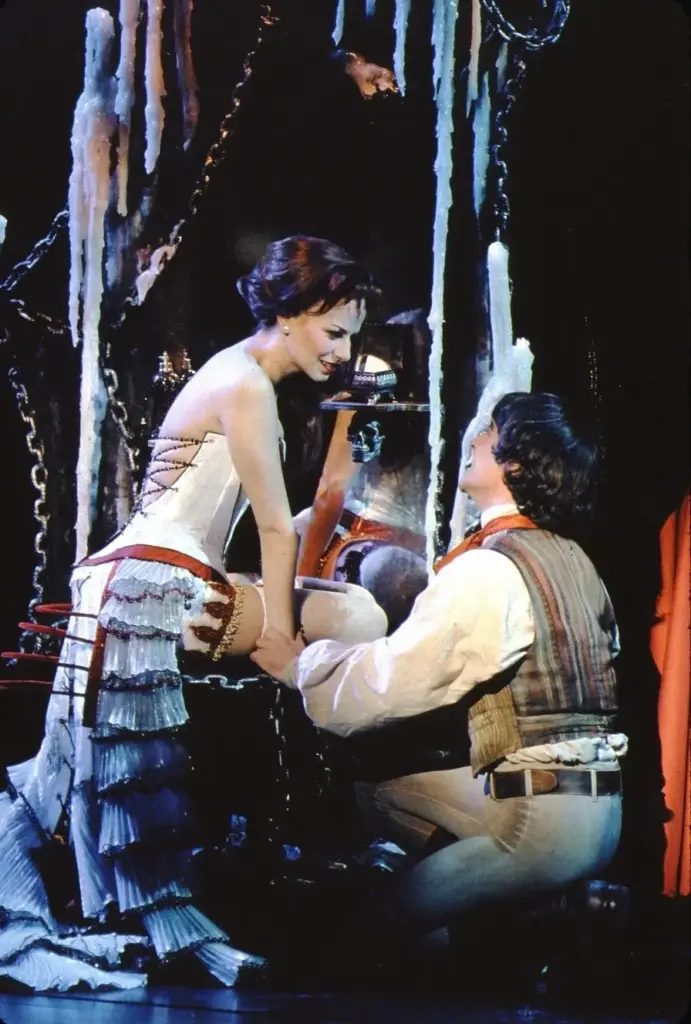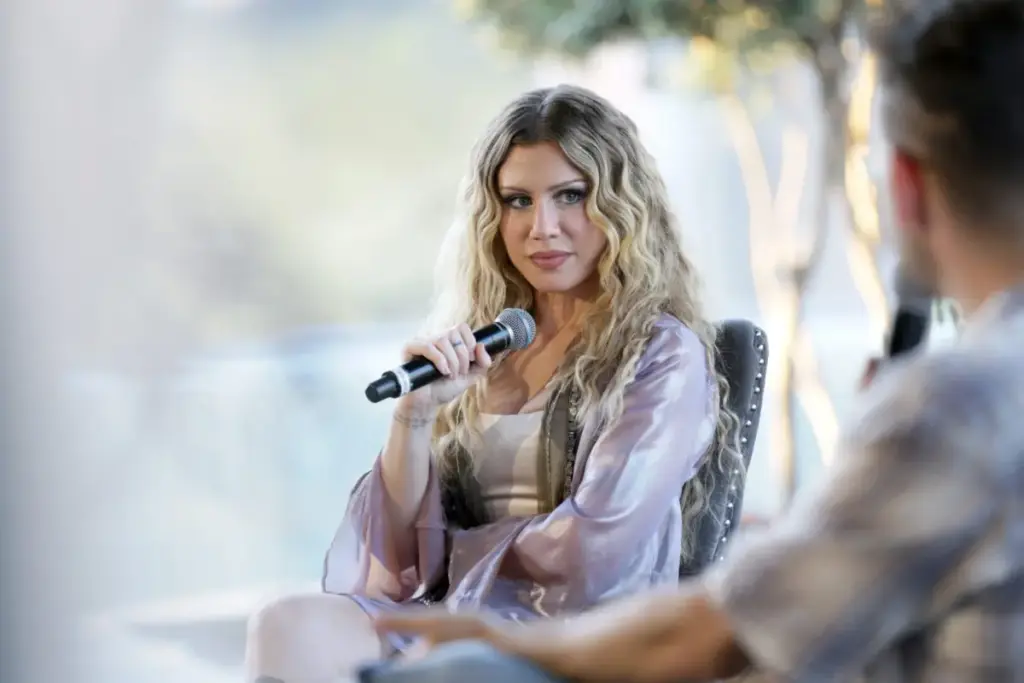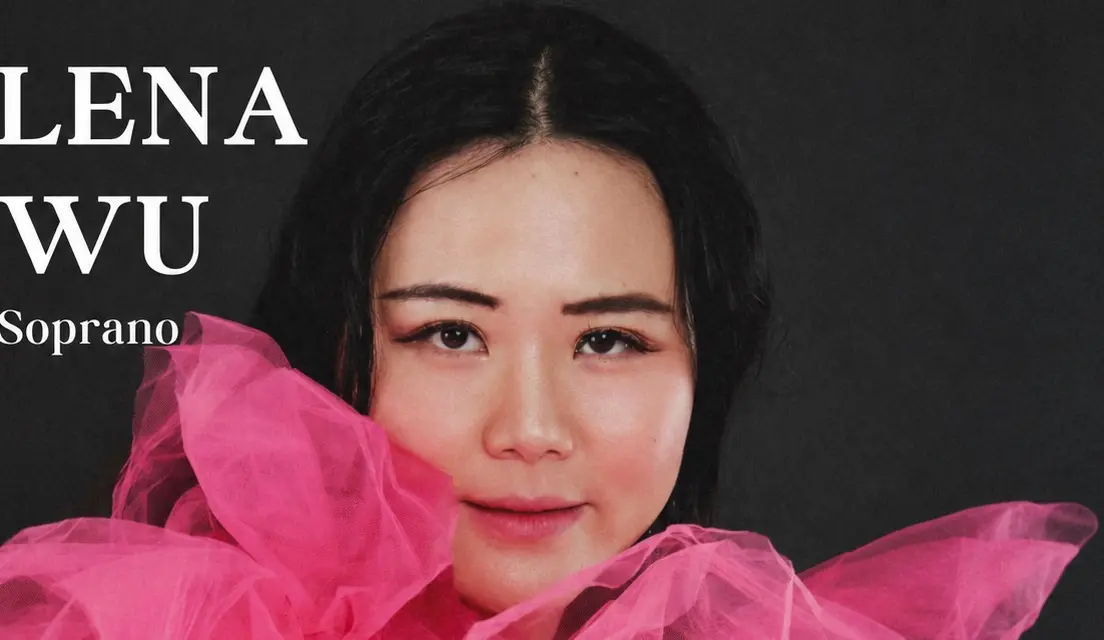

NEW YORK, N.Y. — Acclaimed soprano Lena Wu is set to captivate New York City audiences this autumn with an ambitious, cross-disciplinary recital series that bridges the worlds of classical vocal performance and contemporary visual art. Commencing on September 17, 2026, the four-part salon residency will take place at the state-of-the-art National Opera Center, operated by OPERA America in the heart of Manhattan.
The meticulously curated program promises a rare synthesis of cultural traditions and musical eras, juxtaposing Western European masterworks with traditional Chinese repertoire. Beyond the auditory experience, Wu will transform the venue into an immersive gallery space by exhibiting her own original visual artwork, offering attendees a profound dual-sensory exploration of her artistic vision.
Collaborating with distinguished collaborative pianists Jason Wirth and Eric Sedgwick, Wu’s upcoming residency stands as one of the most intellectually and aesthetically ambitious boutique classical offerings of the 2026 autumn season.
Executive Overview: A Convergence of Disciplines
The upcoming residency at OPERA America’s National Opera Center represents a milestone in Lena Wu’s evolving career. Designed as an intimate salon-style experience rather than a traditional, detached recital, the series invites audiences into a deeply personal dialogue between sound and sight.
Key Residency Details:
- Venue: OPERA America’s National Opera Center (Marc A. Scorca Hall / Recital Hall), New York, NY.
- Opening Performance: September 17, 2026.
- Subsequent Dates: October 22, 2026; November 19, 2026; and December 10, 2026.
- Collaborative Artists: Jason Wirth (Piano), Eric Sedgwick (Piano).
- Core Elements: Classical art songs, operatic arias, traditional Chinese vocal music, and an exhibition of original visual artwork by the soprano.
In an era where classical music institutions continually seek innovative ways to engage modern audiences, Wu’s residency offers a compelling blueprint. By marrying the structural rigor of European art song with the evocative landscape of traditional Chinese melody and her own visual expressions, Wu aims to dismantle the traditional boundaries separating distinct artistic mediums.
Detailed Chronology: The 2026 Fall Residency Schedule
The residency is strategically distributed across the final four months of 2026, allowing the program to evolve organically or maintain a consistent, high-level thematic focus across its four iterations. While individual program nuances for each date continue to be finalized, the overarching structural arc of the series has been firmly established.
The Opening Night: September 17, 2026
The curtain rises on the series on Thursday, September 17, 2026. This inaugural evening will introduce audiences to the foundational pillars of the program. Wu, accompanied by pianist Jason Wirth, will navigate the delicate stylistic demands of French impressionism, Czech romanticism, and classic Italian opera, before anchoring the first half with the evocative textures of the traditional Chinese art song "Song of the Yue Boatman" (Yue Ren Ge).
The opening night will also mark the formal unveiling of the gallery component. Attendees will have the opportunity to view Wu’s visual art prior to the performance and during intermission, establishing a thematic dialogue between the canvases on the walls and the vocal lines on the stage.
Mid-Autumn Continuation: October 22, 2026
The second installment of the series, scheduled for October 22, 2026, shifts the collaborative responsibilities to pianist Eric Sedgwick. This performance will allow for subtle interpretive shifts within the predetermined repertoire, highlighting the unique artistic chemistry between Wu and her collaborative pianists. As the autumn season deepens in New York City, the intimate salon setting of the National Opera Center will provide an acoustically pristine and visually inviting environment for returning patrons and first-time attendees alike.
Pre-Holiday Gathering: November 19, 2026
As the city prepares for the winter holiday season, the November 19 recital will offer a moment of reflective artistic contemplation. Returning to the piano for this date, Jason Wirth will help guide an exploration of the more introspective corners of Francis Poulenc’s mélodies and the theatrical nuances of modern American art song by composers such as Adam Guettel. The shifting visual backdrop, featuring rotating pieces from Wu’s portfolio, will ensure that returning audience members experience a fresh perspective.
The Grand Finale: December 10, 2026
The residency concludes on December 10, 2026, with a celebratory final evening. This culminating event will bring together the full scope of the artistic journey initiated in September. Featuring collaborative contributions from both Wirth and Sedgwick across different segments of the evening, the finale promises to be a capstone celebration of vocal agility, interpretive depth, and visual artistry.
Supporting Context & Metrics: Repertoire, Collaboration, and Venue
To fully appreciate the scope of Lena Wu’s upcoming residency, it is essential to examine the intricate framework supporting the project: the diverse musical repertoire, the caliber of her collaborative pianists, and the institutional significance of the venue itself.
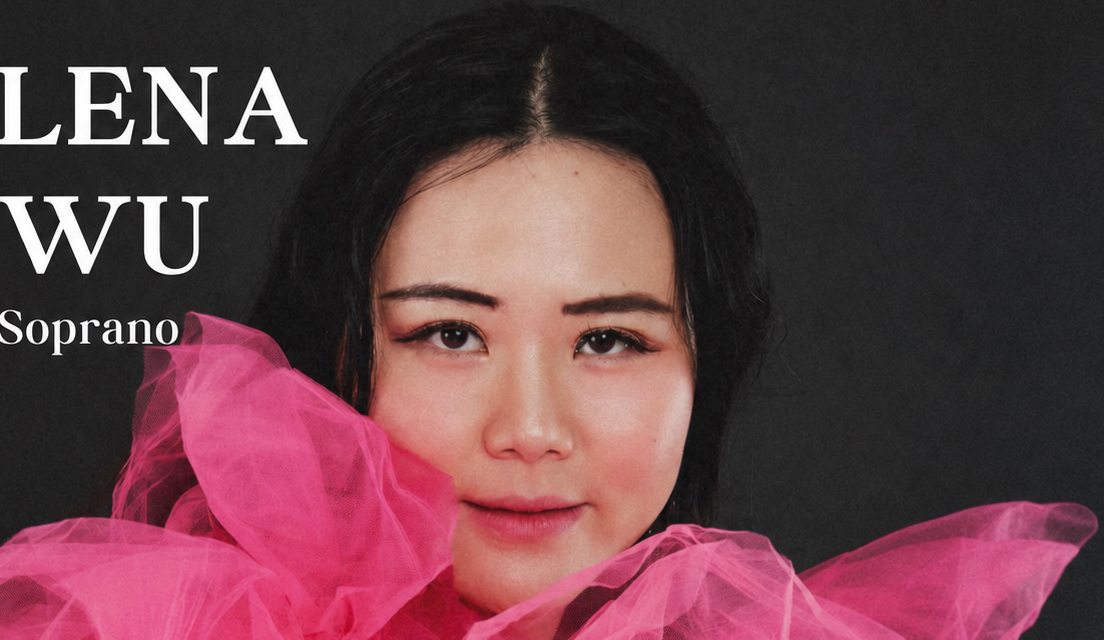
A Transcultural Repertoire
Wu’s programming defies standard categorization by weaving together disparate musical traditions with a cohesive narrative thread. The inclusion of the traditional Chinese song "Song of the Yue Boatman" (Yue Ren Ge) serves as a vital cultural anchor. Rooted in ancient Chinese poetry from the Chuci tradition, the song requires a distinct vocal color, ornamentation, and emotional restraint that contrasts fascinatingly with the lush harmonies of Western romanticism.
This traditional element sits alongside heavyweights of the European classical canon:
- Antonín Dvořák: Known for his rich Bohemian lyricism and folkloric inflections.
- Claude Debussy & Francis Poulenc: Representatives of the French aesthetic, demanding supreme textual sensitivity, vocal nuance, and sophisticated harmonic realization from both singer and pianist.
- Giacomo Puccini & Franz Lehár: Bridging the worlds of verismo opera and Viennese operetta, bringing high dramatic stakes and soaring melodic lines to the stage.
- Adam Guettel: A contemporary voice representing the sophisticated evolution of American musical theater and art song, bridging classical vocal technique with modern theatrical storytelling.
The Collaborative Force: Jason Wirth and Eric Sedgwick
A vocal recital of this magnitude relies heavily on the partnership between the singer and the collaborative pianist. Wu has enlisted two of New York’s most sought-after collaborative artists for the residency.
- Jason Wirth: Renowned for his sensitive touch, deep repertoire knowledge, and extensive experience partnering with prominent vocalists across the New York metropolitan area. Wirth’s ability to navigate the complex harmonic landscapes of Debussy and Poulenc alongside the rhythmic demands of contemporary repertoire makes him an ideal anchor for the series.
- Eric Sedgwick: A fixture in the chamber music and vocal arts communities, Sedgwick brings a wealth of performance experience from major stages across North America and Europe. His nuanced phrasing and collaborative intuition ensure that the dialogue between piano and voice remains fluid, dynamic, and emotionally resonant.
The Venue: OPERA America’s National Opera Center
The choice of venue underscores the professional gravity of the project. Located in the heart of Midtown Manhattan, OPERA America’s National Opera Center has established itself as the premier incubator and performance hub for the lyric arts in North America.
Equipped with cutting-edge acoustics, flexible staging capabilities, and dedicated gallery spaces, the National Opera Center provides an ideal environment for a multidisciplinary salon. Unlike cavernous opera houses where intimacy can be lost in translation, the Center’s recital spaces foster a direct, visceral connection between the performers and the audience—a critical element for a recital series rooted in the personal, conversational nature of the art song.
Official Statements and Artistic Vision
While formal press releases outline the logistical parameters of the event, the underlying philosophy of Wu’s project speaks to a broader movement within the classical music sphere: the democratization and personalization of performance art.
Artistic expression has historically been compartmentalized. Painters paint, singers sing, and instrumentalists play. However, artists like Lena Wu are increasingly challenging these rigid silos, drawing inspiration from historical salons where literature, visual arts, and music routinely intersected within a single evening.
By stepping into the dual role of featured soprano and exhibiting visual artist, Wu is not merely presenting a concert; she is curating an environment. The visual artwork—details of which remain tightly guarded ahead of the September premiere—is designed to reflect the emotional trajectories of the vocal selections. Whether exploring the melancholic introspection of French art song or the expansive, naturalistic themes of Dvořák, the exhibition serves as a visual mirror to the sonic landscape.
Industry observers have noted that this holistic approach to programming is increasingly vital for attracting new demographics to classical music. By offering multiple points of entry—music lovers drawn to opera and art song, and visual art enthusiasts drawn to the gallery exhibition—Wu’s residency breaks down traditional barriers to entry.
Future Outlook: Implications for the Classical Music Landscape
As the classical music industry continues to adapt to post-pandemic audience behaviors, shifting economic realities, and the demand for innovative programming formats, residencies like Lena Wu’s at OPERA America may well serve as a bellwether for future artistic endeavors.
Key Takeaways for the Industry:
- Multidisciplinary Integration: The successful fusion of visual art and vocal performance demonstrates that artists can expand their market reach and deepen audience engagement by refusing to operate within a single medium.
- Cultural Bridges: The intentional programming of traditional Asian repertoire alongside Western European masterworks reflects the ongoing, necessary globalization of the classical canon. Audiences are increasingly eager to experience cross-cultural dialogues that honor multiple artistic traditions with equal technical and emotional rigor.
- The Rise of the Boutique Salon: While grand opera productions will always hold a vital place in the cultural ecosystem, intimate, high-concept recital series offer a nimble, economically sustainable, and deeply rewarding alternative for performers and audiences alike.
For Lena Wu, the four-date residency spanning September through December 2026 is more than a series of calendar dates; it is the realization of a comprehensive artistic vision. As tickets go on sale and anticipation builds within the New York cultural community, all eyes will turn to the National Opera Center this September to witness how this ambitious soprano brings her twin passions of sound and sight into harmonious alignment.
Patrons interested in attending the recital series can find ticket information, schedule updates, and venue details through OPERA America’s official website or by contacting the National Opera Center box office directly.