
By: Editorial Staff
Published: September 2026
Executive Overview
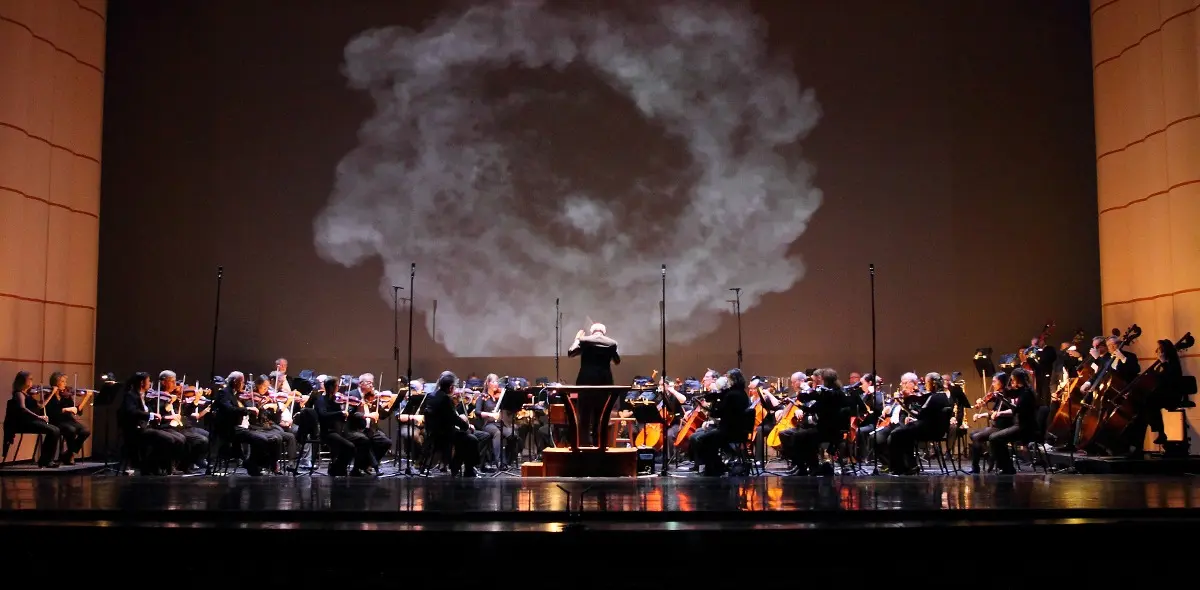
The arts community in Dayton, Ohio, is facing a critical juncture as labor tensions reach a boiling point at the Dayton Performing Arts Alliance (DPAA). Musicians of the Dayton Philharmonic Orchestra (DPO), foundational cultural pillars of the Miami Valley region, are set to perform the DPAA’s high-profile, season-opening production of Leonard Bernstein’s timeless masterpiece, West Side Story, under the heavy cloud of an expired labor agreement and a recently authorized strike.
Despite having the legal mandate to walk off the job at a moment’s notice, the musicians have chosen a path of dedication to their art and their community. They continue to perform while working without a contract—a testament to their unwavering commitment to Dayton’s audiences. However, this goodwill is not infinite. In a coordinated display of solidarity, community members, labor allies from various trade organizations, and loyal orchestra patrons are preparing to gather outside the Schuster Center stage door along Ludlow Street. Demonstrators will line the sidewalks to greet the musicians as they arrive for performances, sending an unmistakable message to management that the city stands firmly with the creators of its cultural soundtrack.
This unfolding labor dispute highlights a broader, systemic crisis facing regional orchestras across the United States. As post-pandemic inflation, shifting audience demographics, and rising costs of living collide with stagnant arts funding, professional musicians are increasingly forced to push back against compensation models they argue fail to reflect their professional training, economic realities, and invaluable contributions to civic life.
This comprehensive report examines the chronology of the Dayton Philharmonic contract dispute, explores the broader socioeconomic context of regional orchestra labor negotiations, details the perspectives of key stakeholders, and analyzes the high-stakes future outlook for the DPAA as it navigates this unprecedented crisis.
Detailed Chronology: The Path to the Schuster Center Showdown
To understand how the Dayton Philharmonic Orchestra arrived at the precipice of a potential strike during opening weekend, one must trace the timeline of escalating tensions between the DPAA management and the musicians, represented by their union local.
The Foundation of the Dispute
For months, representatives for the DPO musicians and DPAA management have been locked in arduous collective bargaining sessions. The primary sticking points center on fair compensation, healthcare benefits, job security, and working conditions that keep pace with the economic inflation experienced over the past several years. Regional orchestras like Dayton’s operate on notoriously lean financial margins, relying on a complex ecosystem of ticket sales, philanthropic donations, endowment revenue, and government grants. However, musicians argue that the financial burden of balancing the ledger has fallen disproportionately on the artists who bring the music to life.
The Strike Authorization Vote
As negotiations stalled and management failed to present an offer that musicians felt adequately addressed their core concerns, the orchestral union took decisive action. Following an overwhelming mobilization effort, the musicians of the Dayton Philharmonic Orchestra voted to authorize a strike. This authorization does not mean an immediate work stoppage; rather, it grants union leadership the legal authority to call a strike at any point deemed necessary if bargaining talks completely break down or if management implements unacceptable terms.
Choosing the Stage Over the Picket Line—For Now
In a display of profound professionalism and respect for their audiences, the musicians made the tactical and ethical decision to perform the season-opening production of West Side Story this weekend, despite the lack of a ratified contract. Playing Bernstein’s notoriously difficult, rhythmically complex, and emotionally charged score requires absolute focus and unity—qualities the orchestra has in abundance. Yet, the irony of playing a musical about systemic tension, societal division, and urban struggle while experiencing their own labor strife is not lost on the musicians or observant patrons.
The Weekend Rally (September 26–27, 2026)
Rather than disrupting the performance immediately, the community has organized a massive public demonstration to coincide with the opening weekend performances. Scheduled for September 26 and September 27, 2026, supporters, fellow union members from regional labor councils, and dedicated orchestra patrons will line Ludlow Street outside the Schuster Center stage door. This mobilization serves a dual purpose: it provides morale-boosting visibility for the musicians as they cross the threshold to perform, and it applies public pressure on DPAA executives to return to the negotiating table with renewed urgency and realistic proposals.
Supporting Context & Metrics: The Economic Realities of Regional Orchestras
The struggle in Dayton is not occurring in a vacuum. Across the United States, the post-pandemic landscape for classical music organizations has been defined by severe financial friction.
The Economics of Professional Musicianship
To attain a position in a professional regional orchestra like the Dayton Philharmonic, musicians undergo decades of rigorous training, often culminating in undergraduate and graduate degrees at elite conservatories. They spend thousands of hours perfecting their craft, investing heavily in high-grade instruments, maintenance, and ongoing professional development.
Despite this immense investment of time, talent, and capital, many regional orchestra positions are part-time or seasonal, requiring musicians to piece together teaching schedules, freelance gigs, and non-musical jobs to make ends meet. In recent years, soaring inflation has drastically eroded the purchasing power of orchestral salaries. When management proposals fail to offer cost-of-living adjustments that match inflation, musicians experience a de facto pay cut.
The Role of the Dayton Performing Arts Alliance (DPAA)
The DPAA is a unique administrative umbrella organization formed to unify the Dayton Philharmonic Orchestra, the Dayton Opera, and the Dayton Ballet. While structural consolidation was intended to create administrative efficiencies and streamline fundraising, it has also created complex operational dynamics. Musicians and arts advocates frequently question how institutional budgets are prioritized, arguing that administrative bloat or marketing expenditures should not take precedence over fair wages for the artists who generate the core product: live musical performance.
Comparative Industry Landscape
The DPO’s situation mirrors recent labor actions and negotiations across the American orchestral landscape. From major metropolitan ensembles to regional institutions, musicians are increasingly refusing to accept austerity budgets disguised as fiscal responsibility. Recent high-profile disputes at orchestras in cities such as Fort Worth, Pittsburgh, and Detroit demonstrate a growing national solidarity among classical musicians who recognize that the value of live orchestral music must be met with sustainable, professional compensation.
Official Statements and Stakeholder Perspectives
As the curtain rises on West Side Story, the rhetoric from all sides of the dispute highlights the deep passions and divergent priorities at play.
The Musicians’ Perspective
Union representatives and individual players have emphasized that their primary goal is the long-term health and sustainability of the orchestra. They argue that failing to pay competitive wages will inevitably lead to a brain drain, as talented musicians leave Dayton for better-paying positions elsewhere, ultimately diminishing the artistic quality that audiences have cherished for generations.
"We love this city, we love our audiences, and we pour our hearts into every single note we play on that stage," said a representative speaking on behalf of the DPO musicians. "We have shown immense patience and dedication by continuing to perform without a contract. But working without job security and fair compensation is unsustainable. Our strike authorization was a necessary step to show management that we are united, resolute, and demanding of the respect we have earned."
The Community and Labor Response
The outpouring of support from local labor unions and community members underscores the broader societal implications of the dispute. In a region with a proud history of organized labor, the plight of the DPO musicians resonates deeply with workers across various industries.
Local labor councils have pointed out that a thriving cultural scene depends on fair treatment of the workers who build it. By organizing the Ludlow Street rally, community advocates aim to remind DPAA leadership that the cultural capital of Dayton belongs as much to the public and the artists as it does to the boardrooms of arts administrators.
Management and Institutional Stance
DPAA management faces the unenviable task of balancing fiscal prudence with the demands of an artistic workforce. Executives have publicly expressed a desire to reach a fair and equitable agreement that ensures the long-term financial viability of the alliance. Management maintains that financial realities—including fluctuating donor contributions and the ongoing recovery of post-pandemic audience attendance numbers—dictate the parameters of what the organization can afford.
However, musicians and their supporters counter that financial responsibility cannot be achieved by balancing the budget on the backs of the artists. They call upon the board of directors and executive leadership to engage in creative, aggressive fundraising and financial transparency to meet the legitimate needs of the orchestra.
Future Outlook: What Lies Ahead for the Dayton Philharmonic?
The immediate future of the Dayton Performing Arts Alliance hinges on the events of this weekend and the willingness of both parties to bridge the gap during upcoming bargaining sessions.
Scenario Analysis
-
Renewed Bargaining and Settlement:
The most optimistic scenario involves the pressure from the Ludlow Street rallies and the unity demonstrated by the strike authorization vote serving as the catalyst for a breakthrough. If DPAA management returns to the negotiating table with revised economic proposals, both sides could reach a tentative agreement, averting a strike and securing labor peace for the remainder of the season. -
Escalation to a Strike:
Should negotiations remain deadlocked and management push forward with terms deemed unacceptable by the musicians, union leadership retains the power to execute the strike authorization. A work stoppage during the peak of the concert season would force the cancellation or postponement of high-profile productions, resulting in significant box office losses, institutional embarrassment, and prolonged community friction. -
Protracted Stalemate:
A third possibility involves continued performance under working-without-a-contract conditions while talks drag on indefinitely. While this keeps music playing in the short term, it fosters a toxic environment of low morale, anxiety, and operational instability that ultimately compromises artistic excellence.
The Broader Cultural Legacy
Beyond the immediate contract terms, the outcome of this labor dispute will have lasting repercussions for the identity of the Dayton Philharmonic Orchestra. An orchestra is defined not merely by the wood, brass, strings, and percussion of its instruments, but by the human beings who master them. If Dayton wishes to maintain its status as a vibrant cultural hub capable of attracting and retaining world-class talent, it must demonstrate that it values its musicians as indispensable professionals rather than expendable line items.
As pedestrians, patrons, and union brothers and sisters gather along Ludlow Street this weekend, the sound of Bernstein’s music will drift out through the stage doors of the Schuster Center—a bittersweet reminder of the power of art, and a clarion call for justice in the concert hall.