
Executive Overview
The cultural landscape of Northern Italy is preparing for a major operatic event as the historic Teatro Sociale di Rovigo officially announces the cornerstone of its upcoming 2026–27 theatrical season. After an absence of two decades, Ruggero Leoncavallo’s masterwork of verismo, Pagliacci, will return to the Rovigo stage for a highly anticipated two-night run on November 13 and November 15, 2026.
This revival is far more than a standard repertory scheduling; it is a meticulously curated artistic statement designed to anchor the theater’s upcoming season in profound theatricality, psychological realism, and deep-seated historical memory. The production brings together an elite roster of international operatic talent, headed by tenor Fabio Sartori as the tormented Canio, acclaimed soprano Irina Lungu as Nedda, and distinguished baritone Ernesto Petti as the villainous Tonio.
On the podium, renowned maestro Pier Giorgio Morandi will command the distinguished Orchestra di Padova e del Veneto, ensuring that Leoncavallo’s sweeping, emotionally raw score is delivered with technical precision and visceral impact. Visually and conceptually, the production rests in the visionary hands of acclaimed Italian stage director Gabriele Lavia, whose conceptual framework has been brought to life by set and visual designer Daniela Zedda.
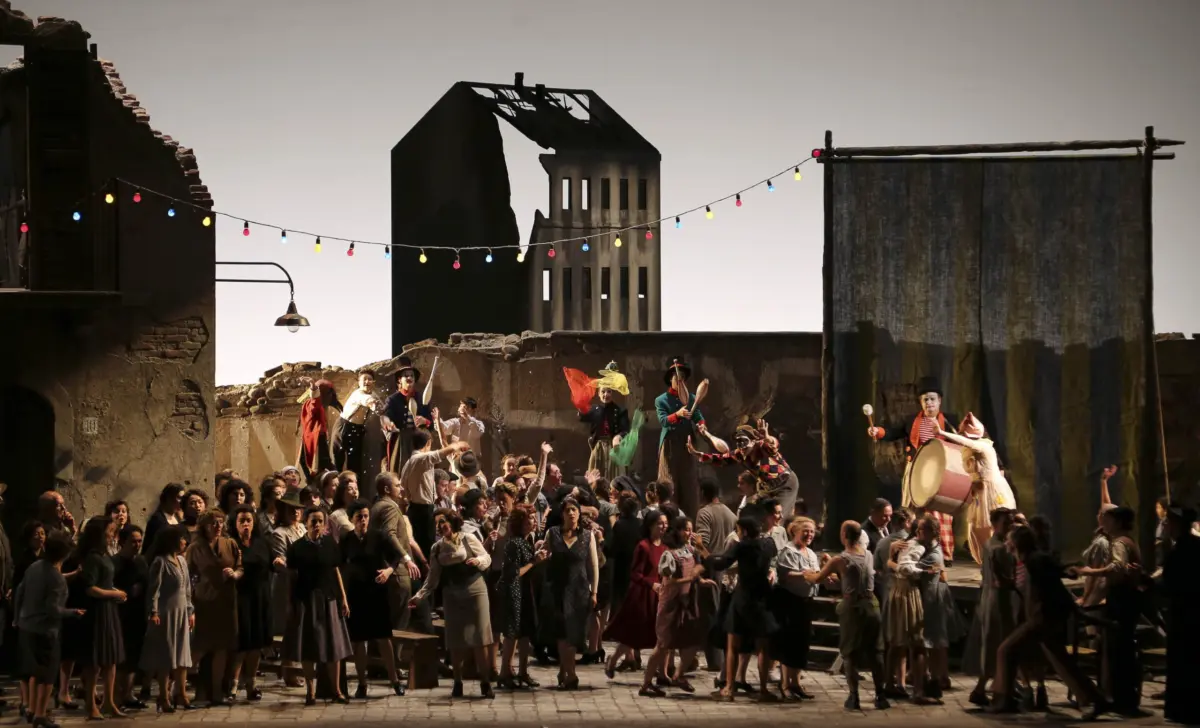
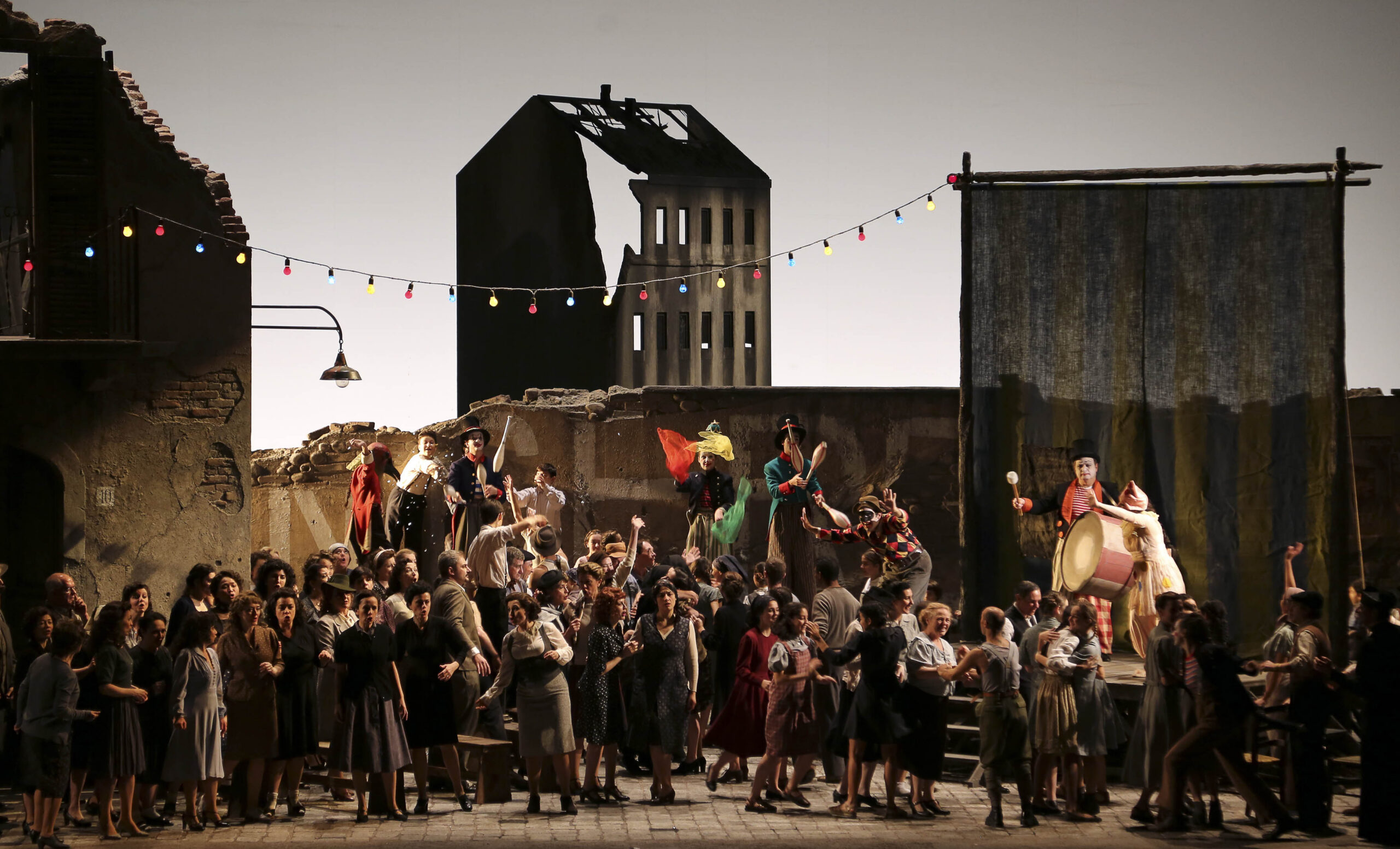
Lavia’s staging draws upon a deeply personal, evocative foundation: a childhood memory of post-war devastation in Catania, Sicily, where a modest traveling puppet theater stood amid the ruins. By collapsing the boundaries between the illusion of the stage and the harsh reality of domestic existence, this mounting of Pagliacci promises to interrogate the very nature of performance, illusion, and human suffering. This executive overview establishes the framework for an in-depth examination of the production’s artistic components, historical context, logistical architecture, and broader significance within the European operatic ecosystem.
Detailed Chronology and Artistic Roster
The genesis of this 2026 production has been years in the making, reflecting the deliberate, long-term planning required by major Italian lyric theaters to secure world-class casts and visionary creative teams. Below is the detailed chronological framework and structural breakdown of the upcoming engagement:
- Initial Conception and Artistic Planning (2024–2025): Teatro Sociale di Rovigo management, in consultation with guest directors and designers, conceptualizes the 2026–27 season opener. Pagliacci is selected to return to the venue for the first time since 2006, chosen for its psychological intensity and its alignment with modern directorial theater.
- Casting Finalization (Mid-to-Late 2025): Contracts are secured with Fabio Sartori, Irina Lungu, and Ernesto Petti, establishing a powerhouse triad of vocal talent known for their commanding interpretations of the verismo and late-Romantic repertoires. Maestro Pier Giorgio Morandi commits to the musical directorship, partnering with the Orchestra di Padova e del Veneto.
- Design and Production Development (2025–2026): Gabriele Lavia and Daniela Zedda finalize the physical set designs, utilizing Lavia’s post-war Catania memories to build a dilapidated, liminal space where a domestic dwelling and a puppet stage mirror one another.
- Orchestral Rehearsals Begin (Late October 2026): The Orchestra di Padova e del Veneto convenes for sectional and tutti rehearsals under the baton of Pier Giorgio Morandi, focusing on the dynamic shifts and dramatic pacing unique to verismo opera.
- Staging and Technical Run-Throughs (Early November 2026): The cast assembles at the Teatro Sociale di Rovigo for intensive on-stage blocking, lighting cueing, and integration with Zedda’s set installations.
- Opening Night (November 13, 2026): The official premiere performance opens the Teatro Sociale di Rovigo’s 2026–27 season, drawing critics, dignitaries, and opera aficionados from across Europe.
- Second and Final Rovigo Performance (November 15, 2026): The run concludes with a matinee or evening closing performance, after which the production’s future touring potential is evaluated.
The Cast and Creative Leadership
The success of any Pagliacci hinges entirely on the vocal security, dramatic commitment, and stylistic authenticity of its principals. The Rovigo production features a cast at the absolute peak of their international careers:
- Fabio Sartori (Canio): Recognized globally as one of the preeminent Italian spinto tenors of his generation, Sartori brings immense vocal weight, ringing high notes, and deep emotional gravitas to the role of the cuckolded clown. His interpretation of the iconic aria "Vesti la giubba" is anticipated to be a defining emotional highlight of the season.
- Irina Lungu (Nedda): A soprano celebrated for her luminous tone, impeccable bel canto technique, and dramatic versatility, Lungu steps into the complex role of Nedda—a woman trapped in a loveless marriage, seeking liberation through illicit romance, and ultimately caught in a web of fatal theatricality.
- Ernesto Petti (Tonio): Possessing a dark, resonant baritone and a commanding stage presence, Petti takes on the treacherous role of the deformed, vengeful Tonio. Petti’s delivery of the Prologue will serve as the philosophical and dramatic gateway to the entire opera.
- Pier Giorgio Morandi (Conductor): A maestro with deep roots in the Italian operatic tradition, Morandi’s career spans the world’s leading houses, including La Scala, the Vienna State Opera, and the Metropolitan Opera. His command of pacing and texture ensures that the orchestral storm out of the pit matches the psychological tempests on stage.
- Gabriele Lavia and Daniela Zedda (Director and Designer): Lavia, a towering figure in Italian theater and film direction, brings a text-driven, intellectually rigorous approach to opera. Paired with Zedda’s atmospheric spatial designs, their collaboration promises a visually arresting synthesis of memory, decay, and metatheater.
Supporting Context and Metrics: The Legacy of Pagliacci at Rovigo
To fully appreciate the weight of the Teatro Sociale di Rovigo’s upcoming production, one must examine the historical relationship between the venue, the opera, and the socio-economic metrics driving modern regional Italian opera houses.
The History of Pagliacci in Rovigo
Ruggero Leoncavallo composed Pagliacci in 1892, capitalizing on the burgeoning verismo movement—a style characterized by gritty realism, working-class characters, and explosive emotional outbursts. Set in a Calabrian village on the Feast of the Assumption, the opera tells the story of a traveling commedia dell’arte troupe whose onstage jealousies and marital betrayals mirror their offstage reality, culminating in the chilling final cry: "La commedia è finita!" (The comedy is ended!).
The Teatro Sociale di Rovigo, inaugurated in 1819 and rebuilt following a devastating fire in 1902, has long served as a crucial testing ground for Italian lyric art. While major national capitals host high-profile international blockbusters, historic provincial theaters like Rovigo preserve the intimate, community-centric roots of the art form. The last time Pagliacci graced the Rovigo stage was in 2006—a production that remains etched in the memories of local operagoers for its traditionalism. The 2026 revival deliberately breaks from that tradition, opting instead for a conceptual psychological landscape that reinterprets the work for a contemporary audience.
Economic and Cultural Metrics of Regional Italian Opera
Operating an historic theater within the contemporary European economic climate requires a delicate balance of public subsidization, private patronage, and ticket-revenue management. According to recent cultural economics reports by ItaliaFestival and various regional arts councils, regional theaters in Veneto contribute significantly to local tourism, hospitality, and artisanal employment.
- Audience Demographics: The Teatro Sociale di Rovigo draws approximately 35% of its audience from outside the Rovigo province, including cultural tourists from Venice, Padua, Verona, and international destinations.
- Production Investment: Mounting a production of this scale involves an estimated budget ranging from €400,000 to €800,000, encompassing artist fees, orchestral costs, set construction, marketing, and technical support.
- Occupancy Rates: Historic Italian lyric theaters consistently target a minimum 85% capacity for subscription-series openings, with high-profile season-openers like Pagliacci frequently achieving sell-out status weeks in advance.
- Orchestral Collaboration: Utilizing the Orchestra di Padova del Veneto highlights regional cultural cooperation, pooling resources across neighboring provinces to guarantee symphonic excellence without inflating administrative overhead.
Official Statements and Artistic Vision
The philosophical core of the 2026 production was elaborated upon in statements released by director Gabriele Lavia and the Rovigo press office. Lavia’s conceptual notes provide a profound window into the artistic motivations driving the staging.
The Director’s Vision: Memory, Metatheater, and Reality
In his official statement regarding the production, Gabriele Lavia articulated a radical yet deeply humanist perspective on Leoncavallo’s masterwork:
"We shall come to realize that Theatre and Life are, in fact, the very same thing—though not identical."
Elaborating on this premise, Lavia’s production notes reveal that the primary catalyst for the entire staging design is rooted in autobiography and historical trauma. According to press materials issued by the theater, Lavia’s starting point was a vivid childhood memory: a small, dilapidated traveling puppet theater encountered amidst the bomb-shattered ruins of Catania in the immediate aftermath of World War II.
This memory manifests physically in Daniela Zedda’s set design. Rather than a picturesque Calabrian village square, the audience will encounter a spectral, ruinous open space. Within this desolate landscape, two structures face one another with unblinking hostility and symmetry: a decaying domestic house and a fragile, miniature stage. As the drama unfolds, the boundaries between these two structures dissolve. The characters are unable to escape the theater because their domestic lives are the theater, and their artifice has become their inescapable reality.
The Cast Speaks: Vocal Challenges and Emotional Depth
While formal press conferences closer to the opening date will yield further interviews, the participating artists have frequently commented in past contexts on the unique demands of their respective roles:
- Tenor Fabio Sartori has often emphasized that singing Canio requires balancing the sheer vocal stamina needed to cut through a heavy orchestration with the delicate, fragile vulnerability of a man losing his mind in real-time. "Canio does not start as a monster," Sartori has noted in discussions regarding the verismo canon. "He is a man pushed past the breaking point by love, humiliation, and the crushing weight of public performance."
- Soprano Irina Lungu has consistently championed Nedda as a proto-feminist figure in nineteenth-century opera—a woman desperately carving out a sliver of autonomy in a world dominated by violent, possessive men. Her interpretation focuses on Nedda’s physical grace and vocal agility, contrasting her avian freedom with the tragic trap closing around her.
Future Outlook: The Strategic Trajectory of Teatro Sociale di Rovigo
The announcement of Pagliacci as the opening production for the 2026–27 season signals an ambitious new chapter for the Teatro Sociale di Rovigo. Under the guidance of its artistic administration, the theater is positioning itself not merely as a museum of past glories, but as a dynamic laboratory for contemporary operatic interpretation.
Expanding the Repertory and Attracting New Audiences
As European opera houses grapple with the challenge of generational renewal, regional theaters must prove their cultural relevance. By pairing a universally beloved title (Pagliacci) with a visionary, avant-garde director (Gabriele Lavia), Rovigo successfully bridges the gap between conservative subscribers and adventurous modern theatergoers. This dual appeal is essential for maintaining box-office vitality and cultivating younger demographics.
Furthermore, the integration of high-level regional ensembles like the Orchestra di Padova del Veneto reinforces a cooperative network of arts institutions across the Veneto region. Such partnerships ensure artistic excellence while maximizing regional state and private funding efficiencies.
Potential for Touring and Co-Productions
Productions originating in Italian provincial houses of Rovigo’s stature frequently attract the attention of neighboring theaters. Given the star power of Sartori, Lungu, and Petti, alongside Lavia’s high-profile directorial signature, discussions are already underway within Italian cultural circles regarding the potential for this production to tour to other regional Italian venues following its Rovigo premiere. Such a post-run trajectory would extend the economic and cultural lifespan of the physical sets and costumes, amplifying the production’s return on investment.
Conclusion
When the house lights dim at the Teatro Sociale di Rovigo on the evening of November 13, 2026, the audience will bear witness to the convergence of history, memory, and high art. Through Lavia’s directorial lens, Leoncavallo’s harrowing tale of jealousy and murder will transcend 19th-century verismo, transforming into a timeless meditation on the fragile boundary between human existence and theatrical illusion. With a world-class cast, masterly musical leadership, and a bold conceptual design, Rovigo’s upcoming season opener promises to be a defining moment in the contemporary European operatic calendar.