
Executive Overview
Jim Bakker—a towering, polarizing, and foundational figure in the history of religious broadcasting—has passed away at the age of 86. His wife, Lori Bakker, confirmed that he entered "home to be with the Lord" on Monday evening, concluding a tumultuous 66-year ministry in Christian evangelism. Bakker stands among the last of the foundational architects of American religious television, an era defined by charismatic figures who recognized that emerging broadcast technologies could be repurposed to project the Gospel into living rooms worldwide.
Long before the advent of church live-streaming, algorithmic content distribution, and digital ministry networks, Bakker was at the forefront of a technological revolution. Alongside his first wife, the late Tammy Faye Bakker, he built empires, pushed the boundaries of media production, and transformed religious broadcasting from static pulpit recordings into vibrant, multi-camera entertainment spectacles. Yet, his remarkable trajectory was equally defined by historic public disgrace, federal imprisonment, an unlikely second act in digital media, and a complicated familial legacy carried forward by his son, Jay Bakker.
Bakker’s death marks the closing chapter of a generation of television evangelists that included Paul and Jan Crouch, Pat Robertson, Jerry Falwell, and Tammy Faye Messner. As contemporary ministries navigate a landscape dominated by the internet, their foundational infrastructure—and the controversies that trailed them—remains an indelible part of modern religious history.
Detailed Chronology: From Muskegon to the Global Stage
The arc of Jim Bakker’s life traces the meteoric rise, catastrophic fall, and eventual resurgence of the American religious broadcasting industry.
Early Beginnings and the Birth of Christian Television (1940s–1970s)
Born in Muskegon, Michigan, in 1940, Bakker displayed an early affinity for communication and ministry. In the 1960s, he aligned himself with Pat Robertson during the formative years of the Christian Broadcasting Network (CBN). Bakker was instrumental in the early development of The 700 Club, helping shape the conversational, telethon-style format that would become a staple of religious broadcasting.
Following his tenure at CBN, Bakker briefly joined Paul and Jan Crouch during the startup phase of the Trinity Broadcasting Network (TBN) in the early 1970s. However, his most significant enterprise launched when he and Tammy Faye founded the PTL (Praise The Lord) Television Network.
The PTL Empire and Heritage USA (1970s–1980s)
Under Bakker’s direction, PTL broke the mold of traditional televised church services. Recognizing that viewers sought engagement rather than mere lectures, Bakker integrated music, lighthearted comedy, celebrity interviews, and emotional testimonies into a high-energy, late-night variety show format.
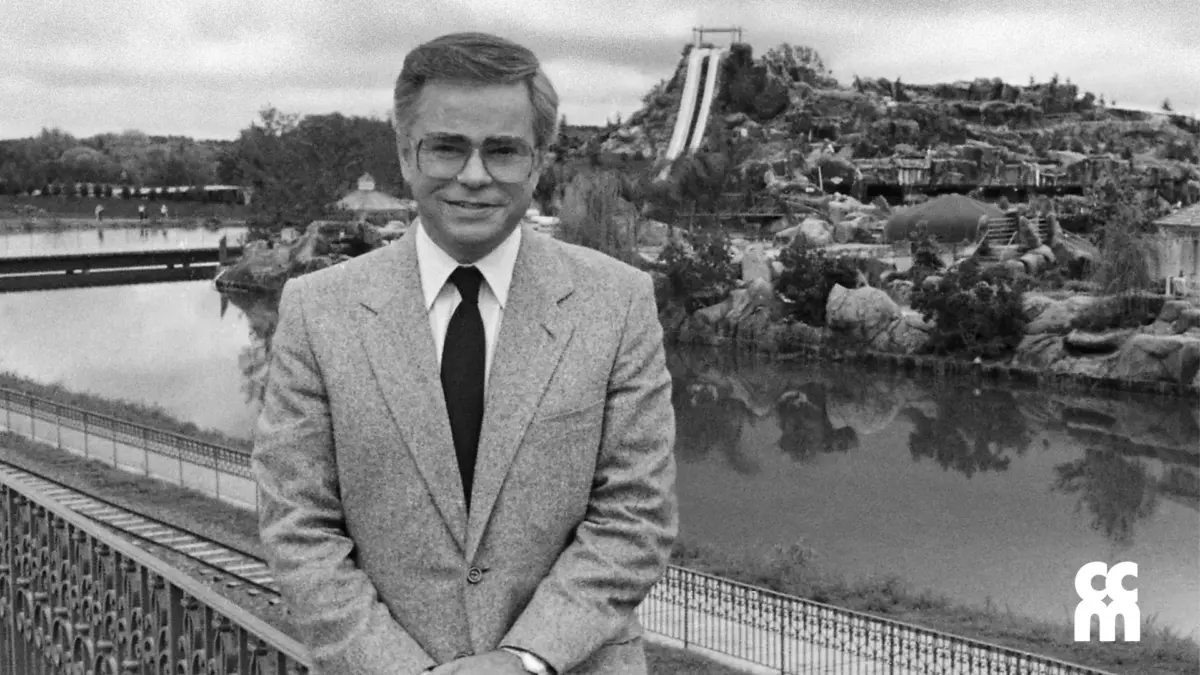
The network’s crown jewel was Heritage USA, a massive Christian theme park and resort located in Fort Mill, South Carolina. At its peak in the mid-1980s, Heritage USA was the third-largest vacation destination in the United States, drawing millions of visitors annually with its hotels, water parks, shopping centers, and massive amphitheaters. PTL utilized cutting-edge satellite technology to beam its programming globally, cementing Bakker as a titan of religious media.
Scandal, Imprisonment, and the Wilderness Years (1987–1990s)
The empire collapsed in 1987 amid sweeping financial scandals, regulatory investigations, and a high-profile sexual encounter scandal involving church secretary Jessica Hahn. Bakker was ousted from PTL, which subsequently filed for bankruptcy.
In 1989, a federal jury convicted Bakker of multiple counts of wire fraud and conspiracy related to the sale of lifetime partnerships at Heritage USA. He was sentenced to 45 years in federal prison, though his sentence was later reduced to eight years. Bakker served nearly five years before being paroled in 1994. The scandal devastated public trust in televangelism and served as a cautionary tale within religious and financial circles alike.
The Second Act and Digital Resurgence (1998–2026)
Following his release and divorce from Tammy Faye, Bakker married Lori Graham in 1998. Rather than remaining in permanent retirement, Bakker mounted an unlikely comeback. Recognizing that the media landscape had shifted from broadcast networks to streaming and digital distribution, he launched The Jim Bakker Show, adapting to internet platforms, digital syndication, and streaming networks. His later years were defined by apocalyptic teachings, nutritional survivalism marketing, and a continued presence on digital screens, proving his enduring instinct for audience engagement.
Supporting Context & Metrics: The Architecture of Modern Religious Media
To understand Bakker’s impact, one must evaluate the quantifiable footprint he left on media technology and cultural infrastructure.
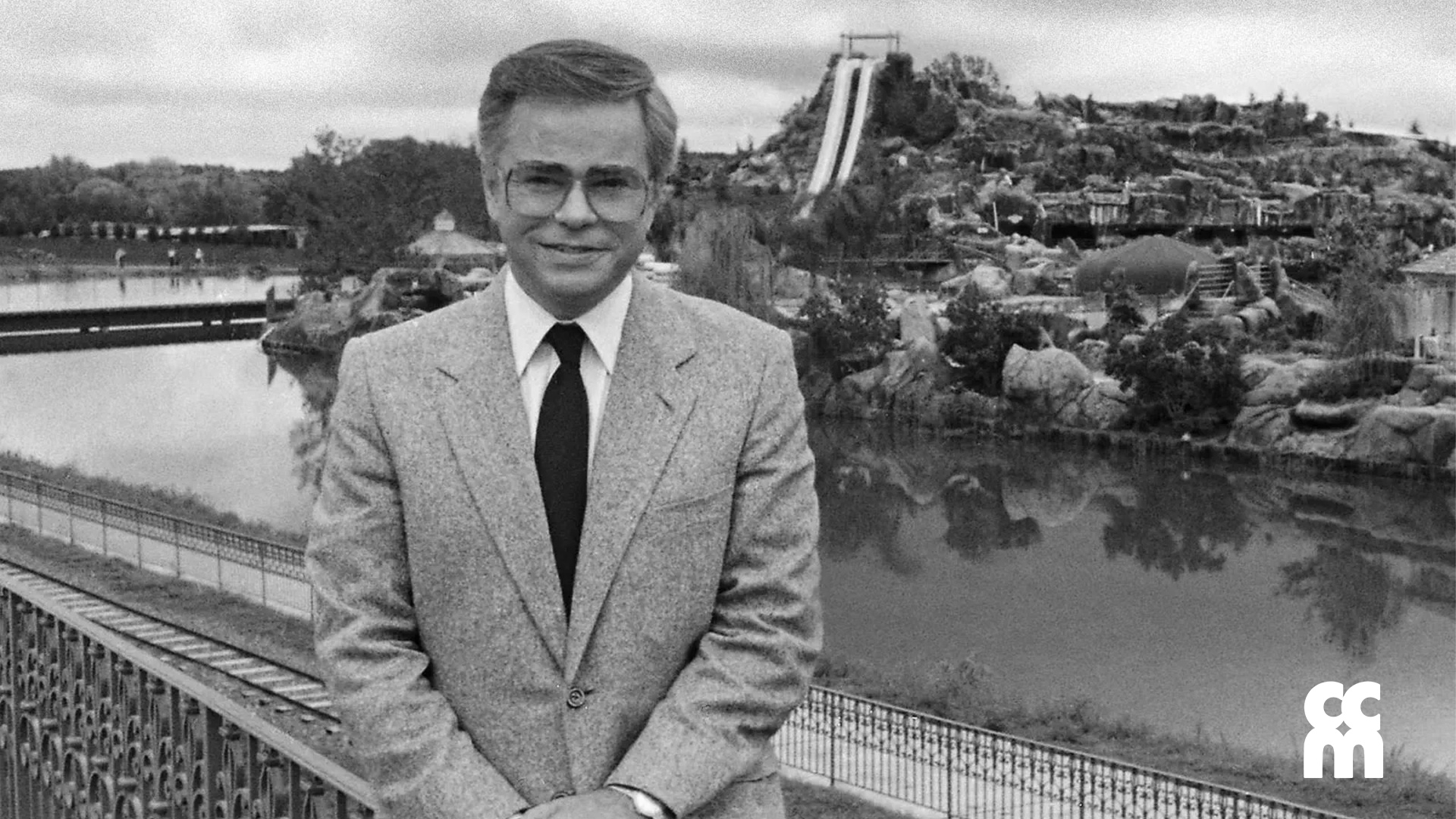
Technological Innovation in Broadcasting
Bakker was an early adopter of capital-intensive technologies that were traditionally reserved for major secular networks:
- Satellite Distribution: PTL was among the earliest religious organizations to lease dedicated transponder space on commercial satellites, allowing 24-hour global transmission.
- Production Value: Bakker invested heavily in multi-camera remote production units, sophisticated lighting grids, and live studio audiences long before contemporary megachurches adopted similar production models.
- The Telethon Model: While not invented by Bakker, the continuous fundraising marathon reached its operational peak under PTL, leveraging real-time phone banks, emotional appeals, and pledge incentives.
The Heritage USA Footprint
At its zenith, Heritage USA represented an unprecedented intersection of commerce and faith:
- Visitor Metrics: The 2,300-acre resort attracted upwards of 6 million visitors per year, rivaling secular amusement parks like Disneyland and Walt Disney World during the same era.
- Financial Scale: PTL generated tens of millions of dollars annually through its daily broadcasts, hotel bookings, and partnership programs, employing thousands of workers.
Comparative Influence on Modern Infrastructure
| Era | Primary Medium | Production Style | Monetization Model |
|---|---|---|---|
| 1970s–1980s (Bakker/PTL) | Cable, Satellite, Broadcast TV | Variety Shows, Elaborate Sets, Telethons | Lifetime Partnerships, Pledges, Resort Admissions |
| Present Day | Internet, Social Media, Podcasts, Streaming | Professional Studio/Live Stream, Direct-to-Consumer | Digital Subscriptions, E-Commerce, Donor Portals |
While contemporary ministries utilize algorithms and mobile apps rather than satellite dishes, the foundational premise—that the Gospel should be packaged using the highest available production standards—remains a direct inheritance of Bakker’s work.
Official Statements and Family Dynamics
Reactions to Bakker’s passing highlight the deeply polarized and complex nature of his public life and private relationships.
Lori Bakker’s Statement
Announcing his passing, Lori Bakker focused on her husband’s spiritual perseverance and lifelong vocation:
"Jim finished his race with faith. His voice, his vision, and his legacy will never be forgotten… He went home to be with the Lord this evening after 66 years of preaching the Gospel."
Jay Bakker’s Response
Jay Bakker, Jim’s son, offered a candid and nuanced perspective that acknowledged both the pain of their estrangement and the weight of personal loss. Through Revolution Church and his work within the Christian alternative community, Jay carved out a ministry space distinct from his father’s television empire. In a statement addressing his father’s death, Jay requested privacy to process complex grief:
"He was also my father and a grandfather and I need to mourn in my own time… Please respect my need to experience both anger and loss privately."
Observers noted the striking parallels between father and son: both men possessed a disruptive instinct, willing to challenge institutional norms—Jim through television entertainment and Jay through Christian punk culture and inclusive ministry.
Future Outlook: The End of an Era
The passing of Jim Bakker effectively closes the book on the founding generation of American televangelism. The figures who built multi-million-dollar religious broadcasting empires in the latter half of the 20th century have now passed, leaving behind an industry fundamentally transformed by decentralization, social media, and digital-first content creators.
The Evolution of Religious Media
The departure of these television pioneers leaves several lingering questions for the future of religious broadcasting:
- Institutional Legacy vs. Digital Anonymity: Modern Christian media is increasingly decentralized. While Bakker relied on massive physical structures (Heritage USA) and centralized broadcasting hubs, today’s religious influencers operate via independent podcasts and social media channels.
- Accountability and Transparency: The financial scandals of the PTL era prompted regulatory scrutiny and internal financial accountability measures (such as the Evangelical Council for Financial Accountability) that continue to govern modern ministries.
- The Intergenerational Transfer of Faith: As seen through the divergent paths of Jim and Jay Bakker, subsequent generations frequently grapple with the institutional baggage of their predecessors while redefining how faith is communicated to alienated demographics.
Ultimately, Jim Bakker’s life remains a study in contrasts: an innovator who leveraged cutting-edge technology to spread a message of faith, yet whose career was permanently marred by financial corruption and hubris. As the religious media landscape continues its rapid evolution into the digital age, Bakker’s contributions—and his cautionary failures—will remain a permanent part of the historical record.