
Executive Overview
The landscape of Christian rock music is undergoing a visceral, high-octane revitalization. As the contemporary Christian music (CCM) ecosystem continually evolves to embrace fresh sonic palettes, a distinct wave of heavy drums, distorted tube amplifiers, and gritty, down-home guitar riffs is reclaiming cultural space. At the vanguard of this movement is Scout and the Saints, a Georgia-rooted Southern rock outfit that marries deep-seated theological conviction with unbridled, classic-rock swagger.
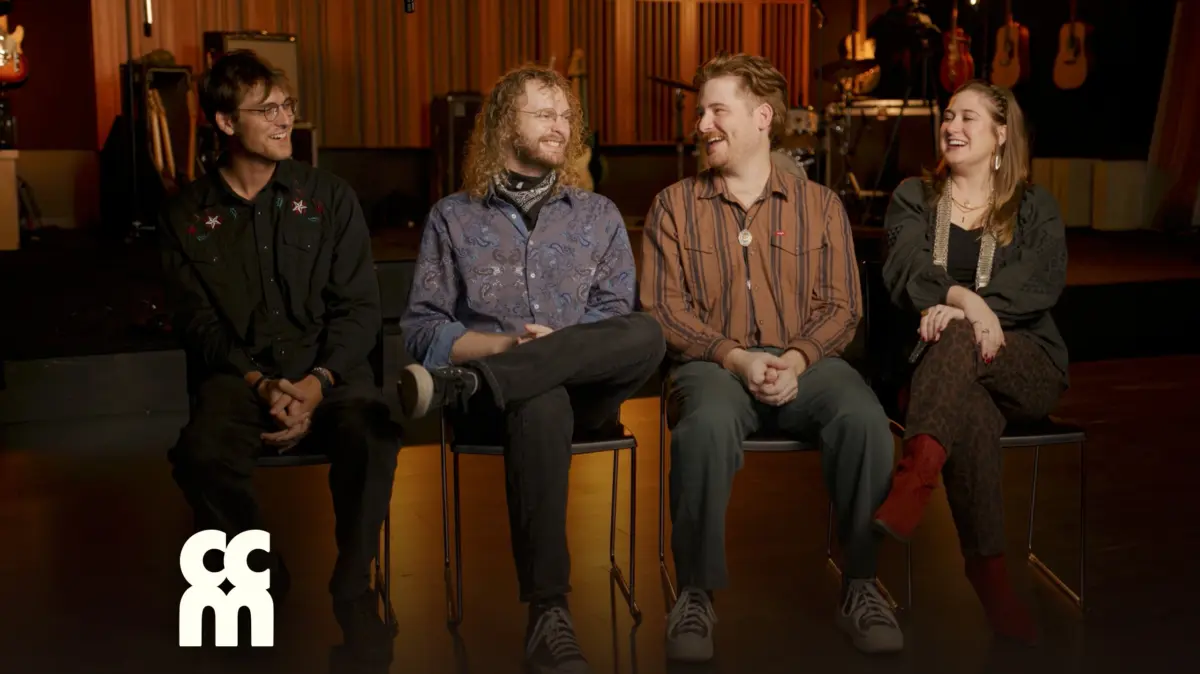
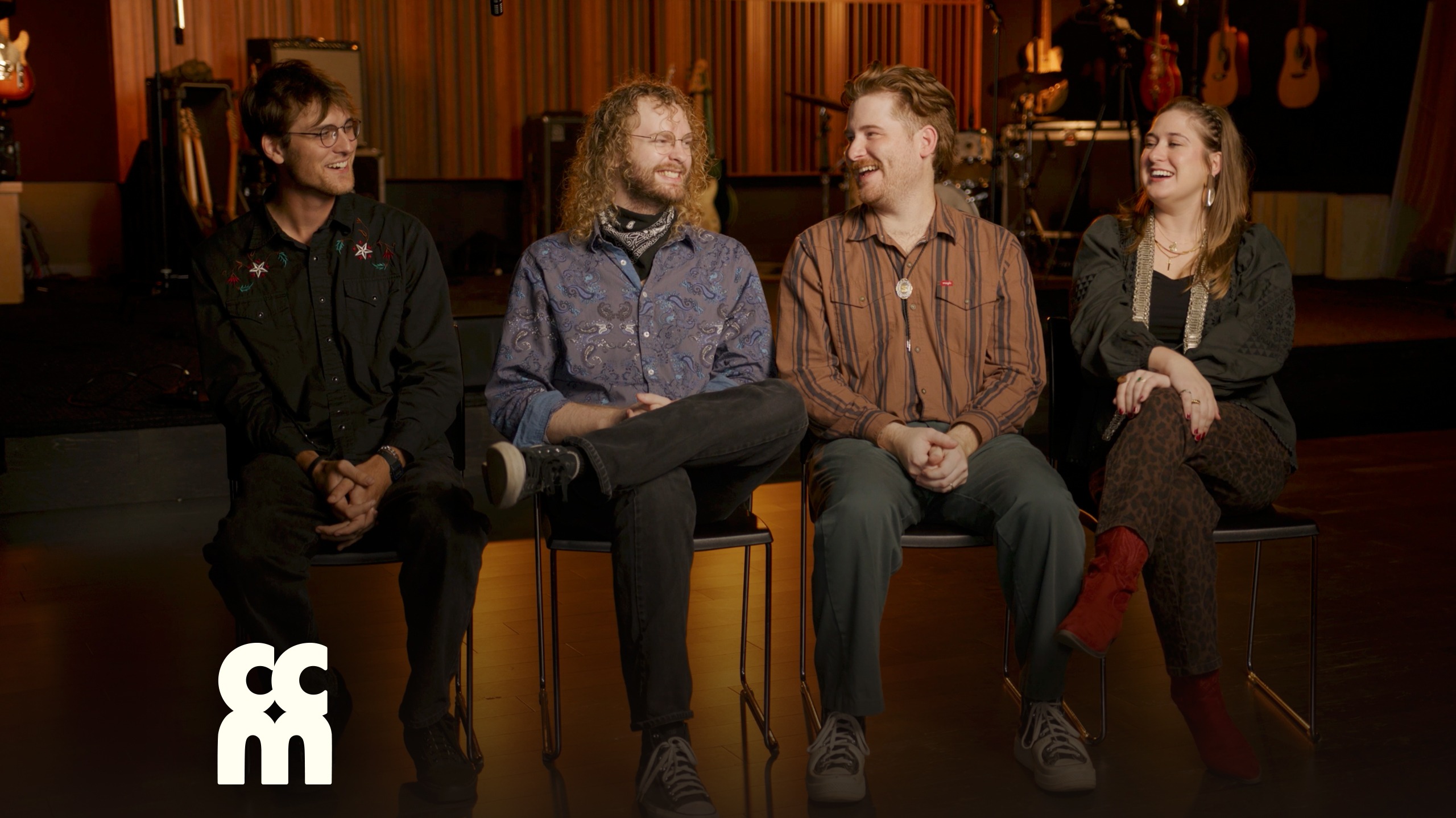
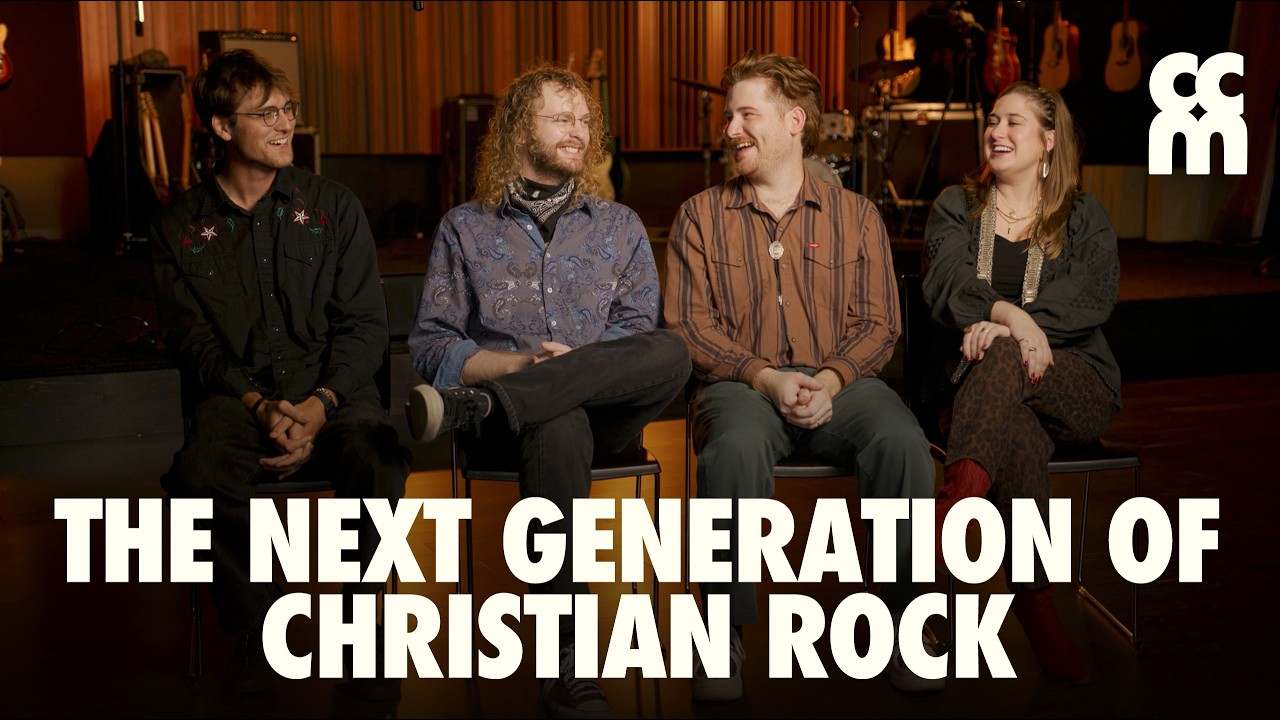
Comprising front-woman Scout Butler, her husband and dynamic percussionist Alec Butler, Scout’s younger brother and multi-instrumentalist Cash Powell, and collegiate guitar virtuoso Ryan Huston, the band operates under a deceptively simple four-word manifesto: “Love Jesus. Rock and Roll.”
During a recent, exclusive multi-platform feature with CCM Magazine, the independent quartet sat down for an exhaustive spotlight interview and delivered two blistering live performances—showcasing the tracks “Oh Lord” and “Ain’t Seen Nothing Yet.” Steeped in a legendary musical lineage yet fiercely dedicated to forging an autonomous identity, Scout and the Saints represent a generational handoff. They are stepping out of the shadows of 90s and 2000s Christian rock royalty—most notably Scout’s father, Mac Powell of the iconic band Third Day—to construct their own sonic architecture.
With a newly minted EP, Dancing on My Grave, generating indie buzz, and an anticipated slot opening for Third Day on their upcoming 2027 arena tour, Scout and the Saints are proving that faith-based rock and roll is not only alive, but heavier, more urgent, and more relevant than ever.
Detailed Chronology: From Liberty University Halls to the CCM Studio
The genesis of Scout and the Saints is rooted in the academic halls of Liberty University, where the four founding members crossed paths in 2021. While many modern indie acts spend years searching for a cohesive identity, Scout and the Saints found theirs almost instantaneously through familial chemistry and shared musical DNA.
Formative Roots and the Spark of Inspiration
Scout Butler grew up surrounded by the music industry, absorbing the sights and sounds of arena tours and studio sessions through her father, Mac Powell. However, her personal conversion to live performance crystallized at age 16 when her father took her to a Bruce Springsteen concert.
“It just blew my mind,” Scout recalled during her CCM Magazine interview. “I was like, this is what I want to do. This, like, rock thing. This is so cool.”
That revelation planted a seed that would germinate years later. When the band officially coalesced in 2021, Scout felt a distinct spiritual directive. “I felt like [the] Holy Spirit was kind of impressing upon me, hey, let’s try Christian music,” she explained.
Opting to channel their collective artistic impulses into a genre that matched their high-energy lifestyle, the group bypassed soft acoustic worship in favor of a soundscape informed by Southern rock staples: The Black Crowes, The Black Keys, Led Zeppelin, Tom Petty, and Springsteen.
The Creative Process: Crafting “Oh Lord”
One of the band’s foundational compositions, “Oh Lord,” emerged early in their songwriting journey. Drawing inspiration from biblical imagery—specifically the metaphor of God as the potter and humanity as the clay—Scout penned a track that balances raw emotional vulnerability with soaring vocal delivery.
Lacking immediate industry infrastructure, Scout brought the nascent track to her father, who provided mentorship, encouraging her lyrical development and assisting in the track’s initial production stages. This mentorship helped bridge the gap between amateur songwriting and a professional, radio-ready product.
The Centricity Music Retreat and “Ain’t Seen Nothing Yet”
As the band matured, their collaborative horizons expanded. A pivotal moment arrived during a songwriting retreat hosted by Centricity Music, where the group conceptualized and penned “Ain’t Seen Nothing Yet.”
Designed as a guitar-driven anthem, the track looks directly to the Gospel narratives for inspiration. “We just pulled from the Word and from Scripture of things that Jesus did,” Scout noted. Rather than shying away from traditional rock tropes to fit a sanitized mold, the band leaned into them. The track features an intricate, soaring guitar solo, reinforcing Scout’s philosophy: “It’s fun to be a Christian. It’s fun to rock out and have a guitar solo in a Christian song.”
Supporting Context & Metrics: The Independent Hustle and Musical DNA
To fully understand the weight of Scout and the Saints’ emergence, one must examine the operational realities of modern independent music production alongside the cultural weight of their family lineage.
Navigating the Legacy of Third Day
For millions of CCM enthusiasts, Mac Powell’s raspy, emotive baritone defined the golden era of Christian rock through Third Day. Carrying that musical DNA into the 2020s presents a unique double-edged sword. While the lineage offers invaluable industry insights and immediate visibility, it also invites intense scrutiny and lofty expectations.
Reflecting on this dynamic, Scout recalled a prayer offered by her mother regarding the multi-generational journey: that the ceiling of Third Day’s success would ultimately serve as the floor for the next generation.
That metaphorical floor is rapidly becoming a physical reality. After spending formative years observing and occasionally performing alongside the members of Third Day, Scout and the Saints are slated to open for the legendary band on their upcoming 2027 arena tour. This transition marks a monumental step, shifting the group from intimate club gigs and indie showcases directly to massive arena stages.
The Independent Grind
Despite familial connections, Scout and the Saints remain an entirely independent entity. In an era where streaming economics squeeze independent artists, the members actively balance multiple day jobs, self-produce a significant portion of their catalog, and manage their own touring logistics.
Their latest release, the independent EP Dancing on My Grave, serves as a sonic snapshot of this grueling yet rewarding phase of their career. The project captures the unpolished energy of a group still defining its edges—mixing the gritty slide-guitar aesthetics of Southern blues with the infectious enthusiasm of modern alternative rock.
| Metric / Detail | Description |
|---|---|
| Year Formed | 2021 (Liberty University) |
| Core Lineup | Scout Butler (Vocals/Guitars), Alec Butler (Drums), Cash Powell (Bass/Guitars), Ryan Huston (Lead Guitar) |
| Key Influences | The Black Crowes, Led Zeppelin, Tom Petty, Bruce Springsteen, Third Day |
| Latest Release | Dancing on My Grave (Independent EP) |
| Upcoming Milestone | Supporting Act for Third Day’s 2027 Arena Tour |
Official Statements & Direct Quotations
The heart of Scout and the Saints’ artistic philosophy is perhaps best understood through their own words. During their extensive sit-down with CCM Magazine, the band articulated their motivations, artistic struggles, and spiritual goals with candid clarity.
-
On Choosing Their Sound:
“Choosing rock and roll, I think we just don’t know how to do anything else together as a band. When we come together, it’s just what flows out of us no matter what.” — Scout Butler
-
On the Convergence of Faith and Heavy Instruments:
“We just want to see Jesus glorified and lifted up and do it through our music… It’s fun to be a Christian. It’s fun to rock out and have a guitar solo and a Christian song.” — Scout Butler

-
On Forging a New Path:
“Our journey is so different from theirs [Third Day]. We are just trying to build something that honors where we came from while speaking directly to our own generation.” — Scout Butler
Future Outlook: The Road Ahead for Christian Rock
As Scout and the Saints prepare for the massive exposure of the 2027 Third Day tour, the broader Christian music industry is watching closely. For over a decade, critics have questioned whether guitar-driven rock music could maintain commercial viability within a market increasingly dominated by electronic-pop worship and atmospheric, congregational anthems.
Scout and the Saints, alongside peers in the renewed underground rock circuit, are answering that question with a resounding affirmative. They demonstrate that the hunger for live instrumentation, improvisational guitar solos, and raw, high-energy performance remains deeply embedded in the spiritual DNA of modern listeners.
By refusing to water down their sonic intensity for the sake of mainstream palatability, Scout and the Saints have positioned themselves as torchbearers. They are not asking audiences to forget the foundational pillars of 90s and 2000s Christian rock; rather, they are forcefully reminding the world that there is plenty of highway left to travel.
As evidenced by their compelling CCM Magazine spotlight performances, the journey is only just beginning—and they intend to have a lot of rock-and-roll fun along the way.