Advancing the Frontiers of Voice Care: A Comprehensive Report on the 17th Phonosurgery Course and International Hybrid Workshop
Executive Overview
Voice disorders—ranging from benign vocal fold lesions and functional dysphonia to complex laryngeal paralyses—affect millions of individuals globally, profoundly impacting their professional capabilities, social interactions, and overall quality of life. For otolaryngologists, speech-language pathologists (SLPs), and voice scientists, mastering the intricate anatomy and surgical nuances of the larynx is a lifelong pursuit requiring continuous education, precise technical training, and exposure to global best practices.
To bridge the gap between advanced theoretical knowledge and practical surgical execution, the 17th Phonosurgery Course and International Workshop was convened on October 28 and 29, 2023. Designed as a pioneering hybrid event, the program offered a dual-format experience tailored to modern medical education. It combined virtual live-streamed surgical demonstrations and didactic lectures by world-renowned experts with an intensive, in-person hands-on training module held at Century Hospital in Banjara Hills, Hyderabad, India.
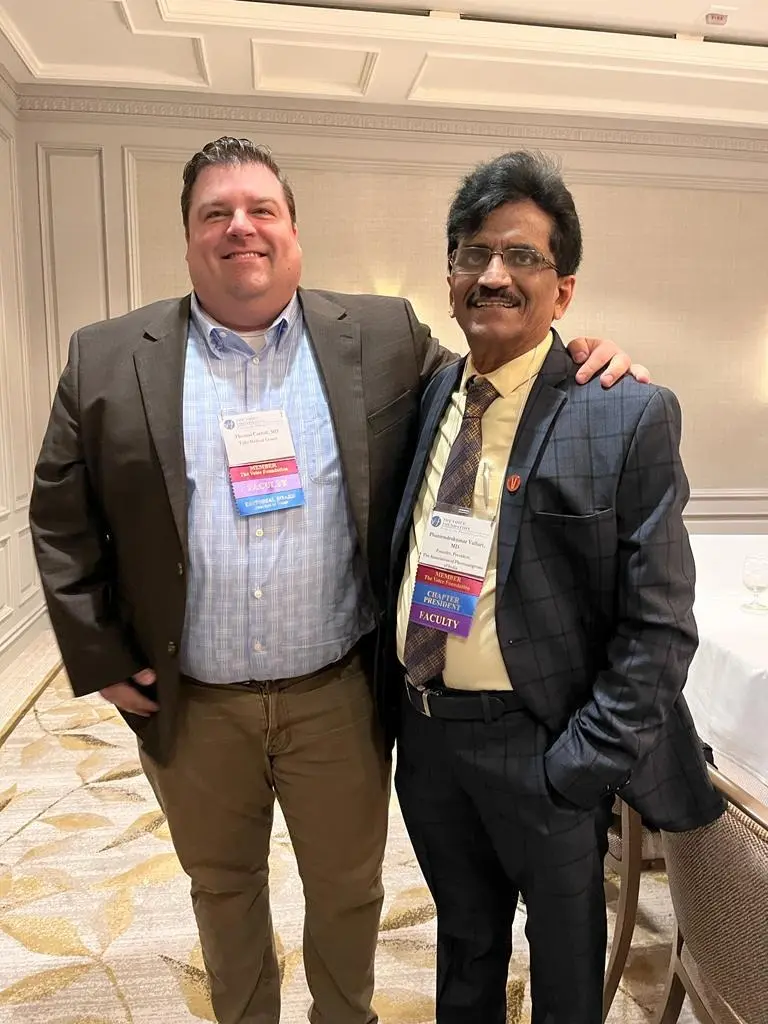
Organized under the visionary leadership of Prof. V. Phaniendrakumar—Emeritus Professor of ENT, Director of the Sri Sathya Sai ENT & Melody Voice Clinic, Founder President of the Association of Phonosurgeons of India (APSI), and President of the India Chapter of The Voice Foundation (USA)—this landmark symposium brought together national and international luminaries. Notable participants included prominent figures such as Dr. Thomas Carroll, who connected global expertise with regional surgical practice, reflecting the spirit of international collaboration championed at the 52nd Annual Symposium of The Voice Foundation.
This comprehensive report explores the structural design, clinical significance, technological innovations, and educational impact of the 17th Phonosurgery Course. It highlights why this hybrid model represents a transformative shift in medical training for voice specialists across India and beyond.
Detailed Chronology and Event Breakdown
Medical symposia of this magnitude require meticulous logistical and academic planning to ensure that delegates extract maximum value without experiencing information fatigue. The 2023 edition of the Phonosurgery Course addressed this challenge by splitting its curriculum into two distinct, highly focused operational days optimized for virtual and physical engagement.
Day 1: Virtual Academic Sessions and Live-Streamed Surgical Masterclasses (October 28, 2023)
The first day of the workshop was conducted entirely on virtual platforms, primarily utilizing Zoom to broadcast high-definition feeds directly to registered delegates around the globe. This format eliminated geographical barriers, allowing participants from diverse time zones and remote clinical settings to access cutting-edge surgical techniques without incurring significant travel expenses.
Live Surgical Demonstrations: The core highlight of Day 1 was the real-time broadcast of complex laryngeal procedures. Operating rooms outfitted with specialized endoscopic cameras and microscopic visualization tools streamed intricate operations directly to the virtual audience. The surgical demonstrations were divided into two primary categories:
Office-Based Laryngeal Surgeries: Highlighting minimally invasive procedures performed under local anesthesia, allowing patients to remain awake while clinicians utilized transnasal flexible or rigid laryngoscopes to execute interventions such as vocal fold injections, laser ablations, and the removal of superficial lesions.
Phonomicrosurgeries: Demonstrating precision micro-instrumentation under general anesthesia utilizing operating microscopes. Faculty showcased optimal tissue-sparing techniques designed to preserve the delicate layered architecture of the lamina propria, which is critical for normal vocal fold vibration and mucosal wave recovery.
Didactic Lectures by Eminent Faculty: Interspersed between live surgeries were comprehensive lectures delivered by an elite roster of national and international faculty members. Topics spanned diagnostic laryngostroboscopy, acoustic and aerodynamic voice evaluations, management strategies for the professional voice user, post-operative rehabilitation protocols, and emerging pharmacological treatments for laryngeal pathologies.
Interactive Q&A and Case Discussions: Virtual delegates were given the opportunity to interact directly with the operating surgeons and lecturers via moderated chat and video feeds. Real-time polling and case-based debates fostered an engaging academic environment where complex clinical dilemmas were dissected by seasoned multidisciplinary panels.
Day 2: In-Person Hands-On Wet-Lab Training and Advanced Workshops (October 29, 2023)
While virtual learning excels at theoretical dissemination and visual observation, the mastery of surgical dexterity demands tactile simulation. Day 2 transitioned from the digital sphere to the physical realm, convening at Century Hospital, Road No. 12, Banjara Hills, Hyderabad, Telangana.
The Wet-Lab Simulation Model: Recognizing the ethical and practical limitations of initial human-subject surgical training, the workshop utilized high-fidelity animal models—specifically goat larynges—which offer anatomical dimensions and tissue characteristics remarkably analogous to the human larynx. This allowed participants to gain realistic tactile feedback regarding tissue tension, needle angles, and micro-flap elevation.
Thyroplasty with Arytenoid Adduction Technique: Regarded as one of the most technically demanding phonosurgical procedures for unilateral vocal fold paralysis, the medialization thyroplasty module was taught step-by-step. Instructors guided attendees through cartilage window creation, implant placement, and the intricate mechanics of arytenoid adduction to achieve true glottic closure and improve vocal projection.
Injection Laryngoplasty: Delegates practiced precision needle placement through various approaches (trans-thyrohyoid, cricothyroid, and peroral) to deposit temporary and permanent augmentation materials (such as hyaluronic acid, calcium hydroxylapatite, or autologous fat) into the paraglottic space.
Office-Based Laryngeal Procedures: Hands-on tutorials demystified the setup and execution of clinic-based interventions, enabling practitioners to visualize how minor procedures can be safely and efficiently integrated into everyday outpatient otolaryngology practices.
Supporting Context and Institutional Collaboration
The success of the 17th Phonosurgery Course was underpinned by an unprecedented coalition of premier professional medical societies, academic institutions, and clinical centers dedicated to the advancement of otolaryngology and voice science.
Organizing Partners and Associations
To execute a hybrid event of this technical complexity, Prof. V. Phaniendrakumar marshaled a coalition of organizations that represent the gold standard in airway, voice, and speech pathology care:
Association of Phonosurgeons of India (APSI): Founded under the visionary guidance of leaders like Prof. Phaniendrakumar, APSI has served as the apex professional body in India dedicated to promoting excellence, ethical standards, and specialized training in phonosurgery.
The Voice Foundation (USA) – India Chapter: As the local arm of the world’s oldest and most prestigious organization dedicated to voice research and medicine, the India Chapter ensures that national practitioners remain aligned with global breakthroughs originating from Philadelphia and other international research hubs.
Association of Otolaryngologists of India (AOI) – Telangana Branch: Providing crucial regional backing, the Telangana chapter of AOI facilitated local coordination, hospital access, and professional outreach across the state.
Telangana Speech-Language Hearing Association (TSLHA): Acknowledging that phonosurgery is only half the battle—with post-operative voice therapy being equally critical—the active participation of speech-language pathologists underscored the multidisciplinary nature of modern voice care.
Sri Sathya Sai Institute of ENT and Melody Voice Clinic (Guntur, A.P. / Hyderabad, T.S.): Operating as dual clinical and educational hubs under Prof. Phaniendrakumar’s directorship, these institutions provided the institutional backbone, clinical case material, and administrative framework necessary for the workshop’s execution.
The Evolution of Phonosurgery in India
Phonosurgery—broadly defined as surgery designed to improve or restore voice production—has undergone a dramatic metamorphosis over the past three decades. Historically, voice disorders were often managed conservatively with voice therapy or through radical surgical approaches that frequently compromised mucosal tissue integrity. The advent of microlaryngeal surgery in the mid-20th century, pioneered globally by innovators like Minoru Hirano and Charles Zeitels, shifted the paradigm toward microscopic precision.
In India, the dissemination of these advanced techniques was initially limited by a lack of specialized instrumentation, high training costs, and the scarcity of dedicated fellowship programs. Recognizing this deficit, pioneers like Prof. Phaniendrakumar established dedicated workshops and clinical centers to train generations of Indian ENTs.
The 2023 hybrid course represents the culmination of this educational evolution. By introducing a dual-format model, the organizers solved two historical bottlenecks in medical training:
Financial and Time Constraints: Traditional international fellowships or out-of-state workshops require substantial travel, lodging, and clinic closure time. The virtual first day allowed delegates to absorb high-level academic content from their home cities, minimizing downtime.
Democratization of Specialized Skills: By keeping registration accessible and partnering with regional chapters, the course ensured that surgeons from tier-2 and tier-3 cities could gain exposure to techniques previously restricted to metropolitan super-specialty institutes.
Official Statements and Visionary Leadership
The philosophical and academic foundation of the 17th Phonosurgery Course was articulated by its primary architect, Prof. V. Phaniendrakumar. In his official invitation to the medical community, he emphasized both the scientific rigor and the cooperative spirit required to elevate voice care standards:
"We cordially invite you for our 17th Phonosurgery course and International workshop on Hybrid basis… Probably this is the first dual or hybrid concept based Phonosurgery workshop from India designed for the convenience of the delegates saving their time and money. With all our sincere efforts and your co-operation we hope we can make this Course a memorable scientific event. Looking forward to your gracious participation."
— Prof. V. Phaniendrakumar, Emeritus Prof. ENT, Organizing Chairman & Course Director, Director Sri Sathya Sai ENT & Melody Voice Clinic, Founder President APSI, President India Chapter of Voice Foundation.
The inclusion of international faculty members, such as Dr. Thomas Carroll, highlighted the cross-border exchange of knowledge that has become a hallmark of modern medical symposia. Interactions between Indian clinicians and global experts—such as those famously documented at the Annual Symposium of The Voice Foundation—foster a shared clinical vocabulary, encourage collaborative research trials, and accelerate the adoption of evidence-based innovations in developing healthcare ecosystems.
Furthermore, the integration of speech-language pathologists into the fabric of the workshop reinforced the core tenet of modern laryngology: no phonosurgical procedure exists in isolation. The structural success of medialization thyroplasty or micro-flap excision must be matched by functional behavioral therapy. Multidisciplinary panels emphasized that the surgeon and the speech pathologist form an indispensable dyad; while the surgeon restores the anatomical substrate of the vocal folds, the SLP retrains the neuromuscular patterns required for efficient, sustainable phonation.
Future Outlook and Impact on Clinical Practice
As the medical community moves further into the post-pandemic era, hybrid educational models have transitioned from temporary workarounds to permanent pillars of continuous professional development. The success of the 17th Phonosurgery Course establishes a robust blueprint for future specialized workshops across surgical subspecialties.
Key Takeaways for the Future of Voice Care
Technological Integration in Surgical Education: Future iterations of the course are projected to incorporate augmented reality (AR) and virtual reality (VR) simulations, allowing surgeons to practice complex laryngeal dissections in immersive 3D environments prior to touching wet-lab models or human tissue.
Expansion of Office-Based Laryngeal Surgery (OBLS): Driven by advancements in flexible transnasal endoscopy, high-power blue and potassium-titanyl-phosphate (KTP) lasers, and local anesthesia protocols, OBLS is rapidly supplanting general anesthesia operating room procedures for benign lesions. Workshops like this play a vital role in giving practicing otolaryngologists the confidence to transition procedures out of the main OR and into cost-effective outpatient settings.
Multidisciplinary Collaborative Networks: The ongoing partnership between APSI, The Voice Foundation (India Chapter), and regional speech-language pathology associations is expected to yield standardized national registries for voice disorders, facilitating multi-centric clinical studies on phonosurgical outcomes in the Indian population.
Accessibility and Mentorship: By proving that high-yield surgical education can be delivered effectively through a hybrid framework, organizers have paved the way for younger clinicians in underserved regions to access mentorship from international titans of laryngology without prohibitive logistical barriers.
Conclusion
The 17th Phonosurgery Course and International Workshop stands as a watershed moment in the landscape of Indian otolaryngology and global voice care. By seamlessly blending virtual didactic mastery with rigorous, hands-on anatomical simulation, Prof. V. Phaniendrakumar and his esteemed collaborators have redefined how specialized surgical education is conceived, organized, and delivered.
For the delegates who attended—whether watching live-streamed micro-dissections from their clinic desks on Day 1 or meticulously adjusting arytenoid adduction sutures in the wet-lab on Day 2—the symposium provided an invaluable upgrade to their clinical acumen. As these practitioners return to their respective institutions equipped with advanced techniques and a renewed commitment to multidisciplinary care, the ultimate beneficiaries will be the patients whose voices, livelihoods, and expressive identities are restored.