
Executive Overview
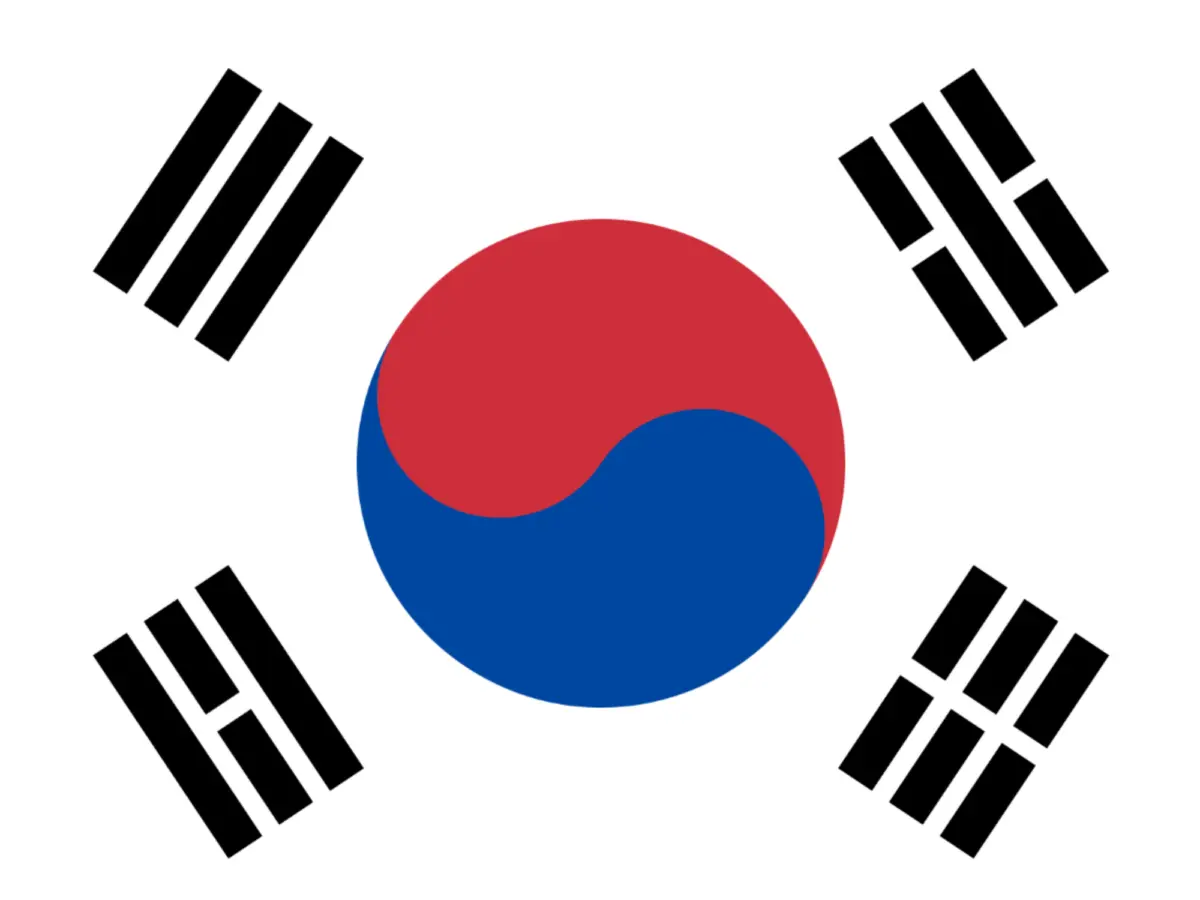
South Korea occupies a singular, highly coveted position in the global recorded music industry. Consistently ranked within the top ten largest music markets worldwide, the country is far more than just the birthplace of the global K-pop phenomenon; it is a masterclass in modern superfan monetization, technological integration, and hyper-targeted digital engagement. For international artists, independent labels, and global marketing executives, South Korea represents both an immense opportunity and a formidable fortress. The market operates on unique cultural nuances, specialized platform ecosystems, and a remarkably fast-paced consumer base that demands absolute authenticity and meticulous localization.
In our latest comprehensive Country Profile, we delve deep into the mechanics of this vibrant ecosystem. Beyond the glistening surface of chart-topping idol groups, South Korea’s domestic market is driven by passionate, digitally savvy communities that expect direct communication and culturally fluent interactions. Breaking into this market requires far more than a global Spotify playlist add or a translated press release; it demands a sophisticated, multi-tiered strategy tailored to local discovery habits, algorithmic preferences, and community-driven promotion.
This report synthesizes the latest market data, strategic insights, and actionable marketing blueprints for international acts looking to establish a sustainable presence in South Korea. From decoding local digital forums to understanding the exact financial investments required for regional rollouts, we explore the definitive playbook for conquering one of the world’s most dynamic music economies.
Detailed Chronology & Market Evolution
To understand how to break into South Korea today, one must examine the rapid evolution of its music consumption landscape over the past decade. The country’s transition from a physical and piracy-plagued market to a digital-first, streaming-dominated powerhouse has reshaped how music is discovered, consumed, and monetized.
Phase One: The Shift to Digital Dominance (2010–2018)
Historically, South Korea’s recorded music market was dominated by physical album sales—particularly through elaborate, collectible K-pop physical formats—alongside localized digital service providers (DSPs) like Melon and Bugs. During the early 2010s, the market underwent a rapid modernization phase driven by smartphone penetration and high-speed broadband infrastructure. Local platforms became the absolute gatekeepers of music discovery, utilizing specialized real-time charts that heavily influenced public listening habits. International streaming services like Spotify and Apple Music faced steep regulatory and structural hurdles entering this insular ecosystem, allowing domestic giants to dictate consumer trends.
Phase Two: The Global Convergence and Platform Expansion (2019–2023)
As K-pop cemented its status as a global cultural export, the domestic market simultaneously opened its doors wider to international tech platforms. The lifting of certain regulatory barriers, coupled with the explosive global adoption of YouTube and TikTok, fundamentally altered how South Korean consumers—particularly Gen Z—discovered foreign music. Global DSPs officially launched operations in South Korea, sparking a competitive race for subscriber acquisition. Concurrently, specialized fan-community applications like HYBE’s Weverse and SM Entertainment’s Lysn revolutionized artist-to-fan communication, establishing a global benchmark for superfan engagement that other markets soon scrambled to replicate.
Phase Three: The Hyper-Localized Modern Era (2024–Present)
Today, South Korea’s music market stands at the intersection of hyper-globalization and fierce local identity. While international hits regularly chart on domestic platforms, foreign artists attempting to break into the region face a deeply sophisticated audience that immediately distinguishes between superficial localization and genuine cultural integration. The modern era is characterized by decentralized discovery: viral trends are no longer born solely on mainstream television programs, but are instead incubated within niche online communities, specialized YouTube video essays, and localized meme subcultures. For international acts, navigating this landscape requires a nuanced, highly calculated approach that bypasses traditional Western PR playbooks in favor of community-led grassroots campaigns.
Supporting Context & Metrics: Decoding the Korean Consumer
A data-driven approach is essential for any international artist or label attempting to allocate resources efficiently within South Korea. The market’s unique structural metrics reveal distinct patterns in consumer behavior, platform utilization, and financial commitments.
The Superfan Economy and Monetization Metrics
South Korea leads the world in average revenue per user (ARPU) when it comes to superfan monetization. Korean music consumers are exceptionally willing to invest financially in their favorite artists—not just through streaming, but via merchandise, digital membership tiers, exclusive content apps, and physical album purchases designed as collectible art pieces.
- Physical Format Resilience: Unlike many Western markets where physical sales have dwindled to niche collector items, South Korea maintains a booming physical album market. Innovative packaging, randomized photocards, and fan-sign event access codes turn album purchases into gamified experiences.
- Digital Consumption Habits: While global platforms like Spotify and YouTube Music have secured substantial market shares, domestic DSPs such as Melon, Genie, and Flo remain critical bellwethers for mainstream domestic chart success. Optimization for these platforms requires specialized metadata handling and regional pitching strategies.
Financial Tiers for Market Entry
Breaking into South Korea is a capital-intensive endeavor that requires careful budget tiering based on an artist’s current global standing and regional objectives. Market analysts categorize entry campaigns into three distinct financial frameworks (estimated in standard USD equivalents based on local currency conversions of KRW 15m to 220m+):

- Entry-Level Campaigns ($11,000 – $22,000 / KRW 15M–30M):
- Designed for emerging international acts testing regional waters.
- Focuses on foundational digital elements: DSP pitching to local editors, targeted social media ad campaigns across Instagram and TikTok, and basic digital PR distribution to domestic indie music blogs and media outlets.
- Mid-Tier Campaigns ($37,000 – $75,000 / KRW 50M–100M):
- Tailored for acts with some existing regional traction.
- Incorporates influencer seeding programs across popular Korean digital channels, localized content creation, targeted playlist promotion, and early-stage groundwork for live performances or showcase events.
- Full-Scale Rollout Campaigns ($110,000 – $220,000+ / KRW 150M–300M+):
- Designed for established international artists mounting an aggressive market penetration strategy.
- Features comprehensive multi-channel marketing, high-end localized video production, dedicated domestic PR agency retention, major digital media outlet interviews, and promotional appearances on prominent broadcast and cable music television programs (such as Mnet’s M Countdown).
Strategic Blueprints: How Foreign Acts Can Break South Korea
Entering the South Korean market requires discarding assumptions built around Western promotional models. The following strategies outline the proven pathways for international artists to successfully capture the attention of Korean listeners.
+-------------------------------------------------------------------+
       SOUTH KOREA MARKET ENTRY: STRATEGIC PILLARS
+-------------------------------------------------------------------+
  [1. Platform Selection]
       |---> Avoid: KakaoTalk (Private messaging, not a public hub)
       |---> Target: Instagram, TikTok, YouTube (Discovery algorithms)
       |---> Niche: DCinside forums, specialized video essays (Moneygraphy, SPNS TV)
+-------------------------------------------------------------------+
  [2. Localized Engagement]
       |---> Custom Korean-language video content & greetings
       |---> Partnerships with boutique local PR agencies
       |---> Securing domestic digital media features to unlock festival slots
+-------------------------------------------------------------------+
  [3. Capital Allocation]
       |---> Tier 1: $11k–$22k (DSP pitching, basic ads, digital PR)
       |---> Tier 2: $37k–$75k (Influencer seeding, localized campaigns)
       |---> Tier 3: $110k–$220k+ (Full rollout, TV appearances like M Countdown)
+-------------------------------------------------------------------+
Navigating the Digital Ecosystem: Beyond KakaoTalk
A common pitfall for foreign executives is attempting to build fan communities on KakaoTalk. While KakaoTalk is ubiquitous in South Korea, it functions primarily as an encrypted private messaging application rather than a public discovery hub or fan club platform.
Instead, international acts must focus their algorithmic discovery campaigns on platforms where Korean youth actively consume culture: Instagram, TikTok, and YouTube. Crucially, discovery on YouTube in South Korea frequently happens through sophisticated, long-form music commentary and culture channels—such as Moneygraphy or SPNS TV—rather than traditional music video rotation alone. Furthermore, seeding content through local meme culture, viral TikTok challenges, and anonymous community boards like DCinside forums can spark organic grassroots interest that traditional advertising dollars cannot buy.
Direct, Localized Engagement and Media Integration
Success stories in the market—such as Canadian singer Sophie Powers—demonstrate that foreign acts achieve breakthroughs by eschewing generic global marketing in favor of hyper-personalized localization. Key tactical approaches include:
- Custom Linguistic Content: Producing dedicated Korean-language video introductions, social media captions, and localized commentary tracks that demonstrate respect for the market.
- Boutique PR Partnerships: Collaborating with specialized domestic PR agencies that understand the intricacies of Korean music journalism, rather than relying solely on global agency networks.
- Digital Media Outlets and Live Performance Pipelines: Securing features in prominent domestic digital culture publications, which serves as a vital prerequisite for booking lucrative slots at South Korea’s burgeoning ecosystem of major music festivals (such as Pentaport Rock Festival or Seoul Jazz Festival).
Official Industry Perspectives & Expert Commentary
Industry insiders and marketing specialists point to a fundamental shift in how international music is received in Seoul. According to regional marketing strategists, the traditional top-down approach of dropping a global single and expecting localized traction is officially obsolete.
"South Korea’s audience is among the most sophisticated and digitally literate on the planet. They do not merely consume music; they dissect the narrative, the aesthetic, and the artist’s sincerity. For a foreign act to break through, translation is not enough—there must be an active, respectful dialogue with local digital subcultures."
— Regional Music Marketing Director, Seoul
Furthermore, experts emphasize that patience and capital commitment are non-negotiable.
"You cannot shortcut the trust of a Korean music community. Whether you are spending $15,000 on a targeted digital push or over $200,000 on a full-scale media rollout including broadcast appearances, every dollar must communicate cultural fluency. Artists who treat South Korea as just another stop on a global tour map invariably stall; those who treat it as a distinct, vibrant ecosystem reap long-term rewards."
— Independent Label Executive & Market Consultant
Future Outlook: The Next Frontier for International Acts in Seoul
Looking ahead, the South Korean music market will continue to evolve at a breakneck pace, driven by technological innovations, shifting consumer demographics, and an increasingly interconnected global industry. Several key trends will define the market over the coming years:
- The Rise of Cross-Cultural Collaborations: We anticipate a significant surge in cross-border musical collaborations between Western independent/pop artists and Korean producers, songwriters, and K-pop idols. These creative partnerships serve as natural bridges for audience cross-pollination.
- AI and Hyper-Personalization: As artificial intelligence reshapes content delivery and recommendation engines, local DSPs will implement even more granular discovery mechanisms. International acts that optimize their metadata and digital footprint for these localized algorithms will gain a distinct competitive edge.
- Experiential Tourism and Live Music Integration: With South Korea cementing its status as a global tourism hub for pop culture enthusiasts, the synergy between live music events, tourism, and streaming consumption will tighten. Artists who establish strong digital roots in the country will increasingly find lucrative opportunities for live performances, residencies, and brand partnerships tailored to the lucrative Asian regional market.
Ultimately, South Korea remains the ultimate litmus test for international music marketing. By respecting local digital habits, investing in authentic, localized engagement, and deploying capital strategically across well-defined tiers, foreign artists can unlock one of the most lucrative and passionate fanbases in the global music economy.