
By David Salazar
Published by OperaWire
Executive Overview
In a significant boon for regional arts funding and participatory classical music programming, the Amelia Island Opera has announced a $15,000 philanthropic award from the Terry Family Foundation. This capital infusion is earmarked specifically for a singular purpose: purchasing and distributing professional-grade sheet music scores to up to 300 community members at absolutely no cost.
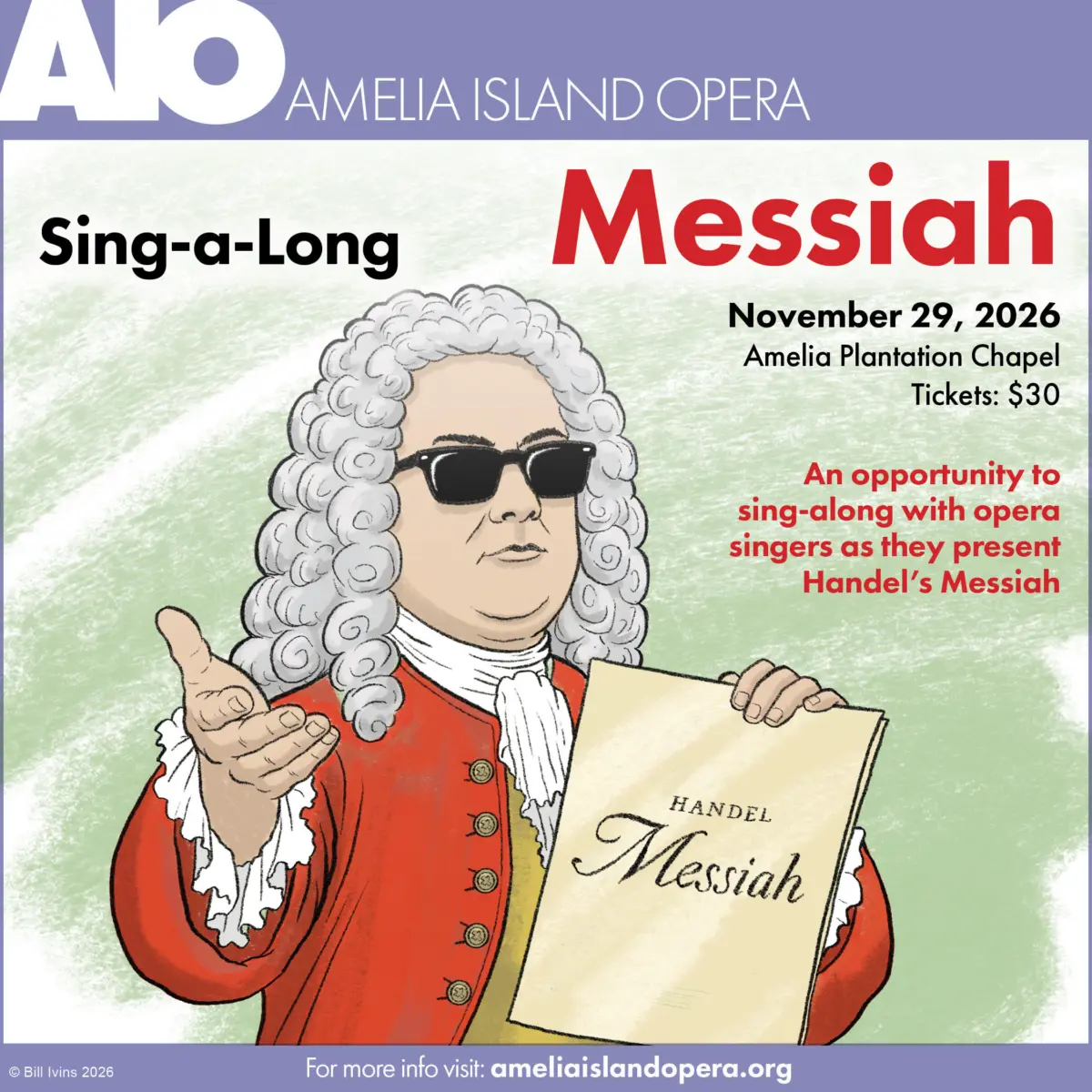
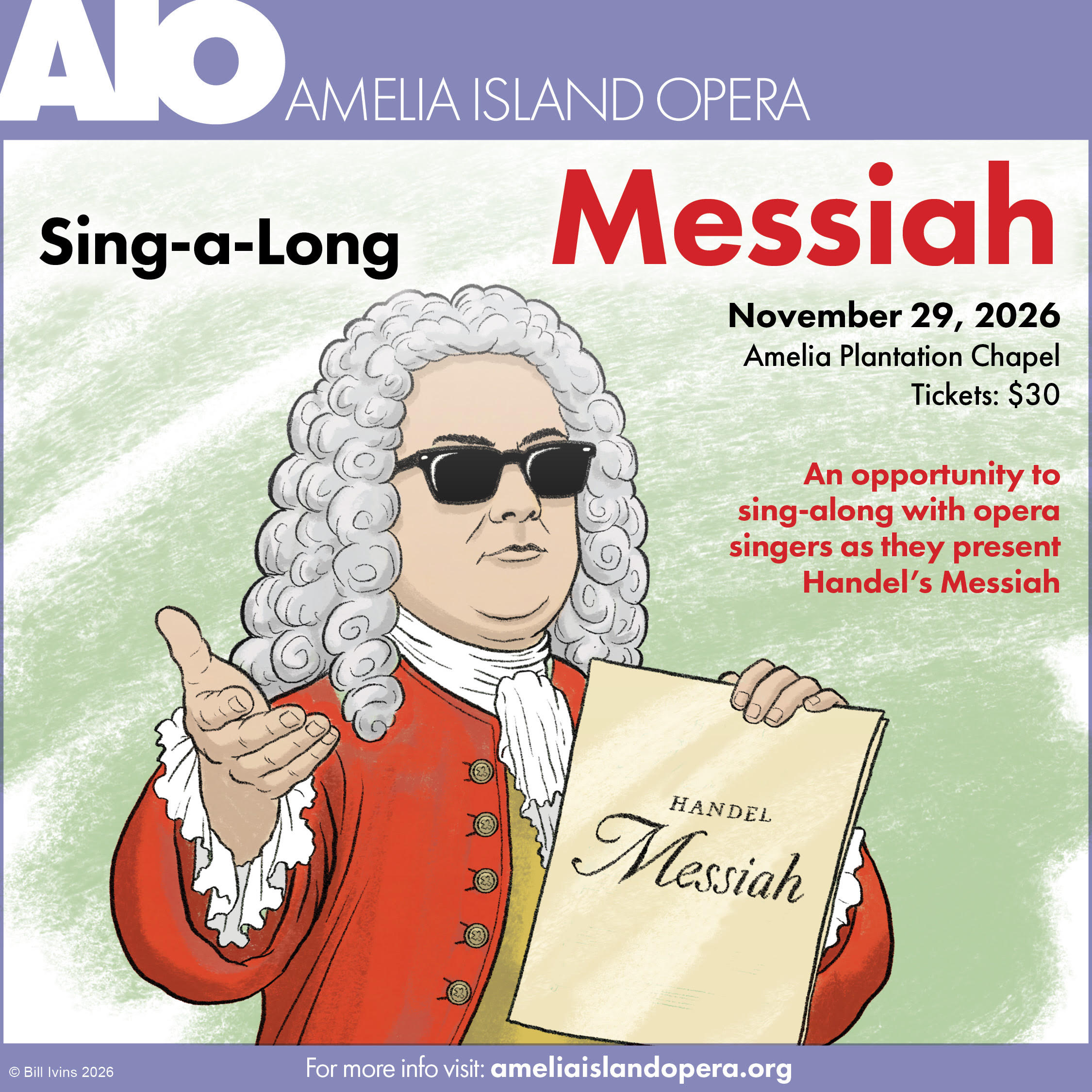
This financial backing directly supports the company’s ambitious inaugural "Community Sing-Along Messiah," a cornerstone event of its upcoming sixth artistic season, aptly themed "From Page to Stage." Scheduled for November 29, 2026, at 3:00 p.m. at the picturesque Amelia Plantation Chapel in Fernandina Beach, Florida, the performance breaks down the traditional fourth wall of classical music. Rather than sitting passively in the pews, audience members will become the chorus, standing shoulder-to-shoulder with professional soloists to breathe new life into George Frideric Handel’s timeless masterpiece.
By absorbing the material costs of the musical scores, the Amelia Island Opera and the Terry Family Foundation are effectively removing the economic and educational barriers that frequently intimidate amateur vocalists from engaging with high-art institutions. The initiative underscores a broader national shift in regional opera companies—moving away from elite, insular presentations toward radical community inclusivity, democratic access, and shared artistic creation. As the organization prepares for its sixth season, this grant serves as both a financial cushion and a philosophical manifesto: classical music, particularly a work as unifying as Messiah, is a public trust that belongs to everyone.
Detailed Chronology: From Concept to Community Execution
The genesis of the "Community Sing-Along Messiah" and the securing of the Terry Family Foundation grant represent the culmination of years of strategic planning, community outreach, and organizational maturation by the leadership of Amelia Island Opera.
Phase 1: Institutional Growth and Season Planning (2024–2025)
As Amelia Island Opera approached its sixth operational season, artistic leadership—spearheaded by co-founders John Tibbetts and Robyn Lamp—faced a pivotal question: how to deepen the company’s regional footprint while remaining true to its mission of high-art accessibility. The thematic arc for the upcoming year was established under the banner "From Page to Stage," designed to demystify the mechanics of operatic and oratorio production.
Discussions regarding a participatory holiday concert began in earnest during the summer of 2025. Leadership recognized that while Fernandina Beach and the broader Nassau County region possessed a rich demographic of retired musicians, church choir veterans, and classical enthusiasts, there was a lack of large-scale, interactive performance opportunities that bridged the gap between professional artists and enthusiastic amateurs.
Phase 2: Securing the Terry Family Foundation Partnership (Late 2025–Early 2026)
An ambitious community chorus model inherently faces logistical hurdles, chief among them the cost of scores. Standard vocal scores for Handel’s Messiah can be cost-prohibitive when scaled for hundreds of participants, potentially creating an unintended barrier to entry for lower-income residents or casual participants.
Recognizing this obstacle, Amelia Island Opera initiated discussions with the Terry Family Foundation, a regional philanthropic entity known for supporting arts education and community enrichment initiatives. Through a series of grant proposals and meetings detailing the educational and social impacts of participatory singing, the foundation evaluated the company’s operational readiness and artistic vision. The result was the allocation of the $15,000 award, designated exclusively for score acquisition and related choral infrastructure.
Phase 3: Operational Rollout and Rehearsal Infrastructure (2026)
With funding secured, the operational timeline for the November 29, 2026 event kicked into high gear. The organization established a registration framework capable of distributing up to 300 physical scores to registered community participants on a first-come, first-served basis.
Concurrently, artistic director John Tibbetts and conductor Curt Tucker formulated rehearsal strategies. While the event is designed to be welcoming to singers of all experience levels—from seasoned choral veterans to shower-singing novices—preparatory resources, digital practice tracks, and sectional guidelines are being integrated into the company’s outreach to ensure that when the participants gather at Amelia Plantation Chapel, the musical execution matches the emotional fervor of the occasion.
Supporting Context & Metrics: The Economics of Access and the Legacy of Messiah
To fully appreciate the weight of the Amelia Island Opera’s initiative, one must examine the broader socioeconomic and cultural metrics surrounding regional classical music engagement, as well as the unique historical weight of George Frideric Handel’s 1741 masterwork.
Breaking Down the $15,000 Grant Allocation
A $15,000 injection into a regional arts organization of Amelia Island Opera’s scale represents a transformative capital asset. In the landscape of non-profit opera management, budget line items are frequently squeezed between artist fees, venue rentals, and marketing overhead.
- Direct Material Provision: Purchasing 300 professional choral scores (typically ranging from $15 to $25 per score wholesale, depending on the chosen critical edition) accounts for a significant portion of the initial outlay.
- Administrative and Distribution Logistics: Managing registration portals, shipping, book handling, and archival tracking requires dedicated administrative bandwidth.
- Rehearsal and Pedagogical Support: Funding web-based practice tools, rehearsal pianist compensation for preparatory workshops, and instructional materials ensures that participants are not set up for failure when they open their scores on November 29.
The Sociological Impact of Participatory Singing
Neurological and sociological studies consistently underscore the profound benefits of communal singing. Group vocalization synchronizes heart rates, releases endorphins, lowers cortisol levels, and fosters a deep sense of social cohesion among disparate populations.
By opening the chorus of Messiah to 300 untrained or semi-trained community members, Amelia Island Opera is transforming a passive consumer audience into an active cultural producer. In regions like Nassau County—which features a mix of long-term residents, retirees from diverse professional backgrounds, and younger families—such events act as civic glue, bridging generational, economic, and social divides through the universal language of polyphonic music.
The Timelessness of Handel’s Messiah
First premiered in Dublin on April 13, 1742, Messiah was conceived from its inception as a work with philanthropic DNA; its premiere was a charity benefit to raise funds for local debtors, the Mercer’s Hospital, and the Charitable Infirmary.
Handel’s score balances soaring baroque architecture with profoundly direct human emotion. The libretto, compiled by Charles Jennans from biblical texts, traces the prophecy, birth, passion, resurrection, and ultimate redemption of humanity. Movements such as "For Unto Us a Child Is Born," "All We Like Sheep," and the universally recognized "Hallelujah" chorus possess a melodic and harmonic accessibility that has sustained their popularity for nearly three centuries. By placing these scores directly into the hands of 300 everyday citizens, Amelia Island Opera is returning the work to its original, egalitarian spirit.
Official Statements and Leadership Perspectives
The announcement of the Terry Family Foundation grant has elicited widespread enthusiasm from the leadership of Amelia Island Opera, underscoring the collaborative spirit driving the organization forward.
Artistic Director John Tibbetts emphasized the philosophical shift inherent in the production, noting in the official press release:
"Messiah belongs to the community, and this award allows us to place the music directly into people’s hands. Instead of asking audiences only to listen, we are inviting them to participate in one of the most enduring works in the classical repertoire."
Tibbetts’ perspective highlights a growing movement within the American classical music sector. For decades, regional opera and orchestra companies operated under a hierarchical model inherited from 19th-century European traditions: elite professionals on stage, silent and reverent consumers in the hall. Today, forward-thinking organizations recognize that long-term sustainability and cultural relevance depend on radical inclusion. By inviting the audience to sing, Amelia Island Opera is cultivating a deeply invested stakeholder base that views the company not as an outside entertainment vendor, but as an extension of the community’s own cultural identity.
Furthermore, the artistic roster assembled for the November 2026 performance balances local leadership with high-caliber guest artistry. The production features mezzo-soprano Katherine Kincaid and tenor Edward Brennan, whose professional credentials bring vocal polish and stylistic authority to the solo passages. They will perform alongside Amelia Island Opera co-founders Robyn Lamp and John Tibbetts, creating an intimate, collaborative ensemble dynamic. Under the baton of conductor Curt Tucker and with collaborative pianist Arthur Bosarge at the keyboard, the professional core will anchor the massive sonic architecture built by the 300 community voices.
Future Outlook: Season Six and the Evolution of Amelia Island Opera
The inaugural "Community Sing-Along Messiah" is not an isolated novelty act; it is a carefully calculated milestone within Amelia Island Opera’s sixth season, themed "From Page to Stage."
The "From Page to Stage" Season Architecture
The sixth season has been curated to demystify the collaborative arts. By exploring how a musical work transitions from a composer’s ink on paper to a fully realized theatrical or concert experience, the company is engaging audiences on an educational level.
- Educational Outreach: Masterclasses, pre-concert lecture series, and open rehearsals are scheduled throughout the season to give patrons a behind-the-scenes look at vocal technique, dramatic interpretation, and instrumental collaboration.
- Community Integration: Programs like the Messiah sing-along serve as the participatory pinnacle of this educational mission, proving that the distance between a masterwork and a music lover can be bridged with the turn of a page and the support of visionary philanthropy.
A Blueprint for Regional Arts Resilience
As arts organizations nationwide grapple with shifting donor demographics, post-pandemic audience recovery, and economic headwinds, the model demonstrated by Amelia Island Opera and the Terry Family Foundation offers a compelling blueprint for success.
By tying philanthropic capital directly to tangible community access, the organization has created a win-win scenario:
- The Funder (Terry Family Foundation) achieves maximum social return on investment, touching up to 300 individual participants directly while engaging hundreds more in the audience.
- The Company (Amelia Island Opera) expands its database, deepens community goodwill, and generates powerful narrative momentum heading into its sixth season.
- The Public gains a priceless, barrier-free opportunity to experience the transcendent joy of making music together in a magnificent architectural setting.
As the leaves turn in late 2026 and anticipation builds toward the November 29 performance at Amelia Plantation Chapel, the 300 scores purchased through this grant will represent more than paper, ink, and musical notation. They will stand as physical testaments to the belief that art is a shared human birthright—waiting only to be opened, read, and sung aloud.