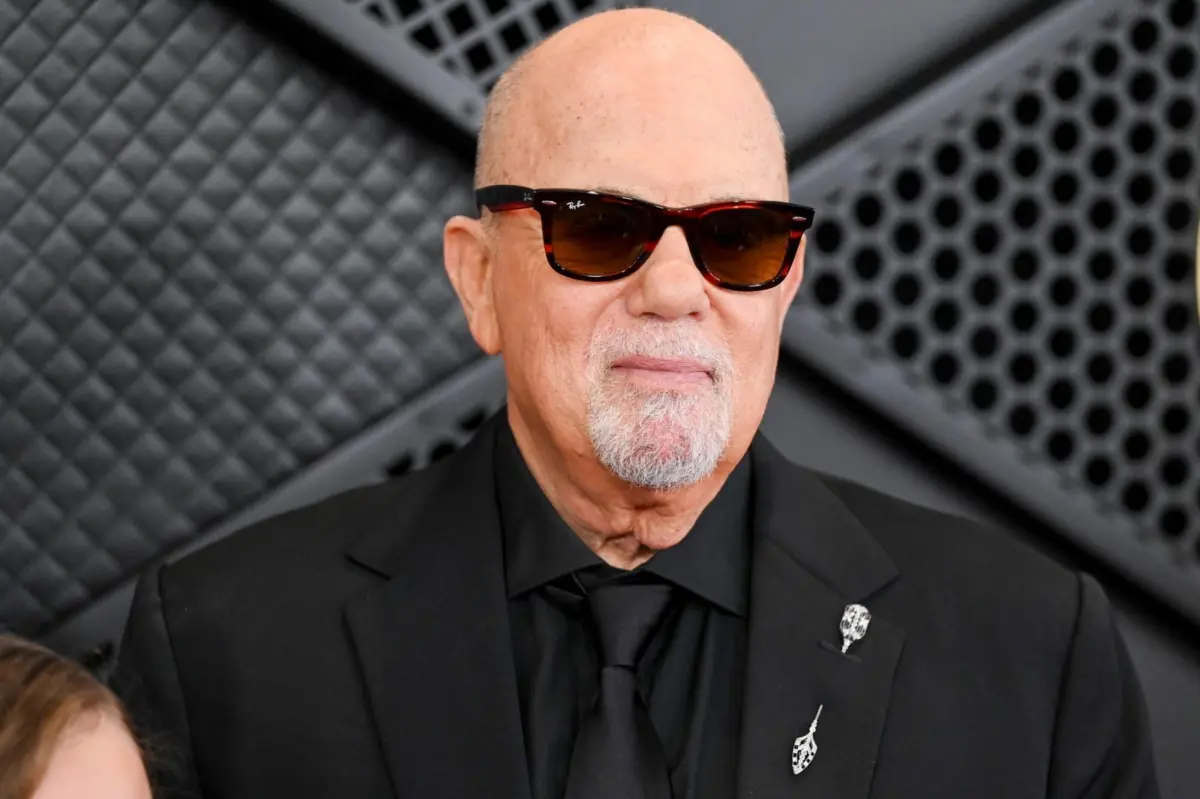
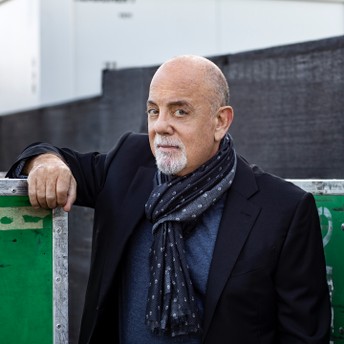
For over half a century, Billy Joel has been an immutable fixture of global popular culture, crafting anthems that have defined generations, filled stadiums, and earned him the moniker of the quintessential "Piano Man." Yet, behind the triumphant chords, world tours, and thunderous applause, a quiet medical crisis was unfolding.
In a candid and revealing interview on his SiriusXM channel, the 77-year-old music icon opened up for the first time about the startling health battle that forced him to abruptly halt his touring career in 2025. Diagnosed with Normal Pressure Hydrocephalus (NPH)—a complex neurological disorder characterized by an abnormal buildup of cerebrospinal fluid in the brain—Joel revealed how the sheer physical intensity of his high-volume, high-energy rock-and-roll performances was inadvertently compounding his condition.
Initially facing a diagnosis that baffled both him and his medical team, Joel initially resisted a radical and invasive neurosurgical intervention: drilling a hole directly into his skull to implant a shunt. However, recognizing the existential stakes of cognitive decline, the legendary singer ultimately consented to the procedure. While the surgery successfully restored his balance, memory, and cognitive faculties, it came with a sobering professional cost. Neurologists delivered an ultimatum that effectively grounded one of touring history’s most reliable headliners: the kinetic impact of playing loud rock music was mimicking repeated concussions, risking irreversible brain damage.
This in-depth investigative report explores the timeline of Billy Joel’s diagnosis, the medical realities of Normal Pressure Hydrocephalus, the agonizing decision to step away from the stage, and what the future holds for a musical titan refusing to fade away.
Detailed Chronology: From the Stage Collapse to the Diagnosis
The Unraveling on Stage
The turning point for Billy Joel did not arrive in a sterile doctor’s examination room; it manifested vividly under the blinding lights of the Mohegan Sun Arena in Uncasville, Connecticut. On February 22, 2025, near the climax of a typically ferocious set, Joel executed a signature theatrical move—a theatrical spin of his microphone stand—during a performance of his 1980 hit "It’s Still Rock and Roll to Me."
Instead of landing gracefully, the legendary performer lost his footing and fell heavily to the stage. While audiences initially brushed off the stumble as the unscripted theater of a high-energy rock concert, the incident was a glaring symptom of a much deeper, systemic physiological failure. Joel was experiencing profound balance issues, later describing the unsettling sensation of perpetually feeling like he was "on a boat."
Seeking Answers and Facing the Scalpel
As the balance issues persisted alongside subtle cognitive lapses, Joel sought medical evaluation. Neurologists quickly traced his symptoms to Normal Pressure Hydrocephalus (NPH), a condition predominantly affecting older adults where excess cerebrospinal fluid accumulates within the brain’s ventricles. The fluid accumulation places mechanical stress on adjacent neural pathways, resulting in a classic triad of symptoms: gait disturbances, urinary incontinence, and progressive cognitive impairment.
Upon receiving the diagnosis, specialists recommended a neurosurgical intervention: the implantation of a ventricular shunt to drain the excess fluid. Joel’s initial reaction was categorical refusal.
"So I agreed to do the shunt," Joel recalled during his SiriusXM broadcast, detailing his hesitation. "I initially said I’d ‘pass’ on the suggestion of the surgery that entailed drilling a hole through his skull to implant the shunt, in order to stop the progressive condition from getting worse."
However, further research and introspective evaluation altered his perspective. Driven by a pragmatic fear of cognitive decay—"You know, I don’t want to lose my marbles," he remarked candidly—Joel reevaluated his stance. "It’s hard to tell what’s age and what’s a condition, so I agreed to do the shunt and I had a surgery, and they implanted a shunt in my brain and it actually improved things."
The Medical Ultimatum: Hanging Up the Rock Boots
While the shunt successfully mitigated his balance issues and preserved his cognitive acuity, post-operative evaluations yielded a devastating secondary directive. Joel’s medical team warned that the visceral, high-decibel physical environment of his live concerts was fundamentally incompatible with his neurological recovery.
"I realized, and the doctors told me this, because of my job, which is playing rock ’n’ roll music very loud, that it was giving me something like a concussion every time I did a show," Joel explained. "It was causing damage to my brain nerves and I could be losing more brain cells the more shows I did, and I realized that means I shouldn’t be doing this right now."
Faced with the stark reality that continuing his rigorous touring schedule could permanently compromise his neurological health, Joel made the difficult decision in mid-2025 to cancel his remaining tour dates, prioritizing preservation over performance.
Supporting Context & Metrics: Understanding Normal Pressure Hydrocephalus (NPH)
To fully grasp the gravity of Billy Joel’s ordeal, it is essential to examine the clinical parameters of Normal Pressure Hydrocephalus, a frequently misunderstood and misdiagnosed neurological condition.
Clinical Definition and Pathology
According to the Cleveland Clinic, Normal Pressure Hydrocephalus occurs when the normal flow of cerebrospinal fluid (CSF)—the clear fluid that cushions the brain and spinal cord—is blocked or improperly absorbed. This leads to an abnormal accumulation within the brain’s ventricles, causing them to enlarge and place damaging pressure on surrounding brain tissue.
Unlike acute hydrocephalus, which presents with dangerously high intracranial pressure, NPH often features cerebrospinal fluid pressure that remains within normal or near-normal ranges, making diagnosis notoriously difficult. Clinicians look for three primary clinical markers:
Gait Disturbances: Often the earliest symptom, characterized by a magnetic, wide-based stride, shuffling feet, and impaired balance (akin to Joel’s "on a boat" sensation).
Cognitive Impairment: Subtly progressive difficulties with executive function, concentration, memory retention, and mental processing speed.
Urinary Urgency and Incontinence: Resulting from the compression of nerve tracts controlling bladder function.
Prevalence and Misdiagnosis
NPH is frequently misdiagnosed as other neurodegenerative conditions common in older adults, including Alzheimer’s disease, Parkinson’s disease, or age-related general mobility decline. While precise epidemiological data varies, estimates suggest that hundreds of thousands of older adults suffer from NPH, though a significant percentage remain undiagnosed or misattributed.
The successful utilization of a shunt—a flexible silicone tube system surgically placed to drain excess fluid away from the brain into another part of the body, such as the abdomen—remains the gold standard treatment, often reversing gait and cognitive deficits if caught early enough.
Official Statements & Public Reassurance
Despite the severity of his diagnosis and the abrupt termination of his touring career, Billy Joel has maintained an attitude of resilient optimism, actively working to reassure fans who expressed deep concern over his health.
During his SiriusXM interview, Joel emphasized that his recovery regimen is rigorous and deliberate. Committed to physical therapy and strictly adhering to his physicians’ protocols, the singer noted:
"I gotta improve. They don’t want me to stress too much… So now I’m doing physical therapy and whatever it is they tell me to do because I don’t want to lose it."
To combat cognitive stagnation, Joel described engaging in a continuous personal regimen of mental diagnostics: "I just want people to know, don’t worry about me. I’m not going anywhere. I’m here. I’m still here."
Future Outlook: A Selective Return to Music
While Billy Joel’s days of grueling, multi-city arena tours appear to be permanently behind him, the "Piano Man" has not completely severed his ties with the stage or the philanthropic music community.
Recent Public Appearances
Since his diagnosis and subsequent neurosurgery, Joel has selectively tested his boundaries in public performance environments:
January 2: Wellington, Florida: In a surprise appearance, Joel joined Turnstiles, a prominent Billy Joel tribute band, on stage to deliver rousing renditions of "We Didn’t Start the Fire" and "Big Shot," proving his musical timing and vocal delivery remain razor-sharp.
March Carnegie Hall Tribute: Joel was spotted in the audience at a star-studded tribute fundraiser at Carnegie Hall—featuring artists such as Rufus Wainwright, Rob Thomas, Pat Monahan, Wyclef Jean, and Mary Chapin Carpenter—which successfully raised over $225,000 for music education initiatives.
The Next Chapter
For millions of fans, the absence of Billy Joel from the active touring circuit marks the end of an era in American live music. Yet, his transparency regarding Normal Pressure Hydrocephalus serves as a vital public service, illuminating a lesser-known neurological condition and destigmatizing the vulnerable realities of aging in the spotlight.
As Billy Joel continues his physical therapy, engages in mental conditioning, and occasionally graces intimate stages, one truth remains unequivocally clear: the music may quiet down, but the legacy of the Piano Man is permanently etched into the cultural consciousness.