
Executive Overview
The landscape of twentieth-century popular and jazz music was fundamentally redrawn during two distinct, culturally seismic periods that forever altered the global auditory lexicon. In August 1962, the cultural crucible of Copacabana bore witness to an unprecedented convergence of Brazilian artistry. Producer Aloysio de Oliveira successfully unified the foundational trinity of Bossa Nova—Antonio Carlos Jobim, Vinícius de Moraes, and João Gilberto—alongside the legendary vocal ensemble Os Cariocas, for a six-week residency at the Au Bon Gourmet nightclub. This fleeting moment of live performance captured the genre’s architects at the absolute zenith of their creative powers, cementing a global footprint for Brazilian modernism.
Parallel to this tropical renaissance, the jazz capitals of the United States were experiencing a structural evolution of their own. Miles Davis, in close creative lockstep with arranger and orchestrator Gil Evans, pushed the boundaries of post-bop jazz through meticulously structured arrangements, classical instrumentation, and deep explorations of Spanish folk traditions. Their masterwork, Sketches of Spain (released in 1960 and receiving ongoing critical reassessment through modern audiophile reissues), marked a deliberate pivot away from traditional, spontaneous soloing toward lush orchestration and cinematic thematic development.
This retrospective report investigates these two monumental chapters in recorded music history. By analyzing the raw, spontaneous authenticity of the Au Bon Gourmet residency against the grand, architectural majesty of Davis and Evans’s studio collaborations, we examine how these seminal recordings transcended their temporal and geographical origins to become enduring pillars of global music heritage.
Detailed Chronology
The Brazilian Vanguard: Rio de Janeiro, August 1962
The genesis of modern Brazilian popular music cannot be pinpointed to a single date, but the six-week residency at Rio de Janeiro’s Au Bon Gourmet nightclub in August 1962 serves as its definitive live crystallization. Up to this point, Bossa Nova had been developing across studio albums and intimate gatherings, but it had rarely been presented with its ultimate architects sharing a single stage for an extended engagement.
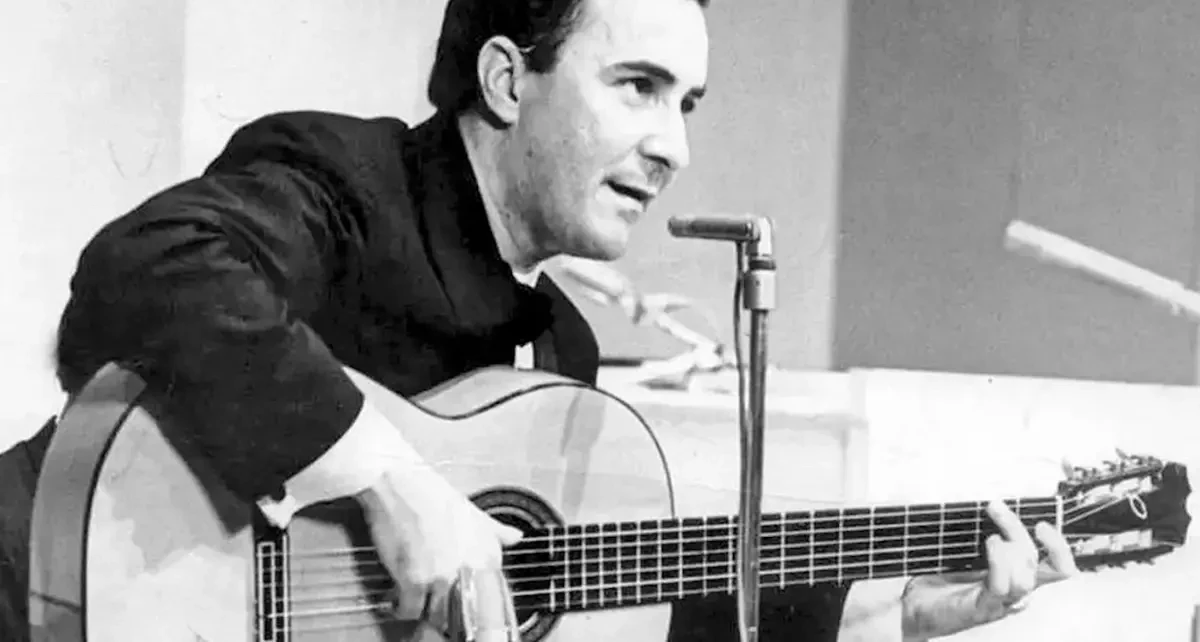
- The Catalyst: Visionary producer Aloysio de Oliveira recognized the historical significance of uniting the movement’s chief architects: Antonio Carlos Jobim (composer and pianist), Vinícius de Moraes (poet and lyricist), and João Gilberto (vocalist and guitarist).
- The Ensemble: To round out the sound, the trio enlisted the acclaimed vocal group Os Cariocas, alongside rhythm section mainstays Milton Banana on drums and Otávio Bailly on double bass.
- The Repertoire: Night after night, the ensemble delivered transcendent performances of future global standards, including Samba de Uma Nota Só (One Note Samba), Garota de Ipanema (The Girl from Ipanema), Corcovado (Quiet Nights of Quiet Stars), and Samba do Avião.
- The Recording Reality: Captured under modest, makeshift conditions, the historic live recording lacks the clinical acoustic fidelity of a modern multi-track studio production. However, these technical limitations quickly evaporate, replaced by an intoxicating spontaneity and peerless musical rapport that preserves the vibrant atmosphere of Copacabana’s golden age.
[August 1962: Au Bon Gourmet Residency]
 ├── Aloysio de Oliveira (Producer)
 ├── Antonio Carlos Jobim (Piano & Composition)
 ├── Vinícius de Moraes (Poetry & Performance)
 ├── João Gilberto (Guitar & Vocal)
 └── Os Cariocas + Rhythm Section (Milton Banana, Otávio Bailly)
       │
       └── Result: Definitive live crystallization of Bossa Nova
The Orchestral Metamorphosis: New York, November 1959 – March 1960
While Rio de Janeiro was swinging to the gentle syncopation of the guitar, New York City was serving as the laboratory for a very different kind of sonic exploration. Miles Davis, already a titan of modern jazz, was seeking new avenues for expression following the groundbreaking modal experiments of Kind of Blue (1959).
- The Partnership: The creative chemistry between Davis and Gil Evans had been steadily building since 1957’s Birth of the Cool and Miles Ahead. Their working relationship was built on a mutual fascination with expanding jazz orchestration beyond the standard small-group format.
- The Spanish Inspiration: Evans and Davis became captivated by the possibility of fusing the earthy, blues-drenched expressiveness of American jazz with the haunting, melancholic beauty of Spanish flamenco and classical composition.
- The Sessions: Recorded across multiple dates at Columbia’s 30th Street Studio in New York City between November 1959 and March 1960, the sessions brought together an immense orchestra of brass, woodwinds, and percussion.
- The Focal Point: The emotional and structural center of the project crystallized around their radical reinterpretation of Joaquín Rodrigo’s Concierto de Aranjuez. Davis’s performance on the flugelhorn and trumpet delivered a sound that was at once sombre, reflective, and deeply yearning.
Supporting Context & Metrics
To fully understand the cultural and musicological weight of these releases, one must examine the specific tracklists, personnel lineups, and structural metrics that define their physical artifacts.
1. The Au Bon Gourmet Historic Recording (Jazz Samba Records 709130)
This vital historical document captures the intimate, conversational nature of the 1962 Rio performances. Despite the makeshift recording apparatus, the performances display a rare telepathic communication among the performers.
- Discography & Track Breakdown:
- Side A (Runtime: 18:37):
- Só Danço Samba
- Samba De Uma Nota Só
- Corcovado
- Samba Da Bênção
- Amor Em Paz
- Bossa Nova E Bossa Velha
- Samba Do Avião
- Side B (Runtime: 16:40):
- O Astronauta
- Samba Da Minha Terra
- Insensatez
- Garota De Ipanema
- Devagar Com A Louça
- Só Danço Samba
- Medley: Garota De Ipanema / Só Danço Samba / Se Todos Fossem Iguais A Você
- Side A (Runtime: 18:37):
- Key Personnel:
- João Gilberto (Vocals, Guitar)
- Antônio Carlos Jobim (Vocals, Piano)
- Vinícius de Moraes (Vocals, Narration/Charm)
- Os Cariocas (Vocals)
- Otávio Bailly (Double Bass)
- Milton Banana (Drums)
- Acoustic Profile: Low fidelity, highly atmospheric, prioritized spatial realism and performance immediacy over dynamic range compression.
2. Miles Davis & Gil Evans – Sketches of Spain (Number One Essentials 291052)
Positioned firmly within the "records you can’t live without" archival initiative, this reissue places historical emphasis on the original striking red-and-yellow album artwork while presenting an expansive sonic landscape.
- Discography & Track Breakdown:
- Part I (Runtime: 20:17):
- Concierto De Aranjuez
- Will O’ The Wisp
- Part II (Runtime: 24:43):
- The Pan Piper
- Saeta
- Solea
- Song For Our Country (Bonus track included in current archival editions)
- Part I (Runtime: 20:17):
- Orchestral Lineup:
- Brass: Miles Davis (Trumpet, Flugelhorn); Gil Evans (Arranger, Conductor); Bernie Glow, Taft Jordan, Louis Mucci, Ernie Royal, Johnny Coles (Trumpets); Dick Hixson, Frank Rehak (Trombones); John Barrows, Jimmy Buffington, Earl Chapin, Joe Singer, Tony Miranda (French Horns); Jimmy McAllister, Bill Barber (Tubas).
- Woodwinds: Romeo Penque (Oboe); Harold Feldman (Oboe, Bass Clarinet); Jack Knitzer (Bassoon); Al Block, Eddie Caine, Harold Feldman (Flutes); Danny Bank (Bass Clarinet).
- Rhythm & Percussion: Janet Putnam (Harp); Paul Chambers (Bass); Jimmy Cobb (Drums); Elvin Jones, José Mangual (Percussion).
- Acoustic Profile: Highly polished, multi-layered studio orchestration featuring sweeping dynamic shifts, rich harmonic textures, and pristine separation of brass and wind sections.
Official Statements & Critical Perspectives
The Bossa Nova Paradigm: A Unified Voice
Musicologists and cultural historians have long regarded the August 1962 Au Bon Gourmet residency as the ultimate proof-of-concept for Bossa Nova. In retrospective evaluations of the era, critics emphasize that while studio recordings provided the blueprint, the stage provided the soul.
"When Jobim’s lyrical, harmonically sophisticated piano met Gilberto’s revolutionary, swaying guitar pulse and Moraes’s poetic cadence, they were not merely performing songs; they were codifying the emotional identity of modern Brazil. To hear them live in 1962 is to witness the exact moment a localized regional sound became an immortal global idiom."
— Historical Archives of Brazilian Popular Music
The Orchestral Triumph: Davis and Evans Redefine Jazz
The release of Sketches of Spain in 1960 initially divided jazz purists who expected hard-bop improvisation, but it was immediately championed by critics as a masterclass in composition and cross-genre synthesis. Miles Davis himself viewed the project as an essential step away from rigid genre categorization.
"We were trying to find a meeting point between the deep, earthy blues of America and the haunting, modal melancholy of Spanish folk tradition. Gil [Evans] built the canvas, and every stroke of the trumpet was designed to evoke space, air, and an immense, aching beauty."
— Miles Davis (Reflecting on the Sketches of Spain sessions)
Modern critics evaluating the "Number One Essentials" audiophile reissue campaign have reiterated the album’s timeless relevance:
"Sketches of Spain remains one of the boldest artistic gambles in recorded history. It proves that jazz could shed its late-night club skin and step into the grand concert hall without losing an ounce of its emotional authenticity."
— Contemporary Audiophile Review
Future Outlook: Preservation, Reissues, and Cultural Legacy
As the recorded legacies of both the Brazilian Bossa Nova movement and the golden age of American modal and orchestral jazz continue to be reassessed by new generations of listeners, the approach to physical media preservation is undergoing a renaissance.
1. The Audiophile Revival of Archival Masterpieces
With labels such as Number One Essentials and specialized boutique jazz imprints spearheading high-fidelity vinyl and digital restorations, historical documents are receiving unprecedented care. The focus has shifted from mere commercial reissues to museum-grade preservation. Original master tapes—where they survive—are subjected to meticulous speed-correction, analog-to-digital transfers via vacuum-tube hardware, and careful restoration of packaging, including iconic gatefold art and liner notes.
2. Cross-Pollination in Contemporary Music
The DNA of the 1962 Au Bon Gourmet sessions and the 1960 Sketches of Spain orchestration continues to reverberate through modern genres:
- Neo-Classical and Ambient Jazz: Contemporary artists frequently utilize the expansive, slow-building orchestrations pioneered by Gil Evans as a blueprint for cinematic soundscapes.
- Global Groove Integration: Producers and beat-makers continually sample and reinterpret the harmonic structures of Jobim and Gilberto, proving that the minimalist, rhythmically complex framework of Bossa Nova remains endlessly adaptable.
3. Educational Curricula and Cultural Heritage
Institutes of higher learning and global musicology departments increasingly study these dual milestones not as isolated events, but as parallel revolutions in timbre, texture, and collaboration. Whether analyzing the understated whisper of João Gilberto’s vocal delivery or the soaring, grief-stricken trumpet cries on Solea, students of music are taught to view these works as monuments of artistic courage.
Ultimately, whether through the warm, lo-fi hiss of a Copacabana club night or the breathtaking, widescreen expanse of a New York orchestral session, the music delivered by these legendary creators stands as an enduring testament to what is possible when virtuosity meets unbridled imagination.