
In the rapidly evolving landscape of digital media consumption, joining YouTube’s exclusive Billion Views Club remains one of the definitive milestones of modern commercial success for recording artists. This elite tier of cultural permanence has just welcomed another heavy hitter from the early-2010s pop-rock ecosystem. Maroon 5, fronted by charismatic lead singer Adam Levine, has officially crossed the monumental one-billion-views threshold on YouTube with their enduring 2012 smash hit "Payphone," featuring the ubiquitous rapper Wiz Khalifa.
Released via A&M/Octone Records, the cinematic, high-budget music video directed by visionary auteur Samuel Bayer has steadily accumulated views over the span of more than a decade. "Payphone" now stands proudly as Maroon 5’s sixth career entry into the platform’s Billion Views Club, further cementing the band’s remarkable ability to translate radio dominance into long-tail digital engagement.
While the concept of an actual payphone was rapidly fading into cultural obscurity even when the single dropped in April 2012, the track’s universal themes of heartbreak, disillusionment, and nostalgia struck a chord that transcended technological evolution. Propelled by an era-defining commercial blitz, digital sales records, and crossover appeal, "Payphone" remains a masterclass in early-2010s pop production and strategic cross-platform promotion. This retrospective examines the track’s meteoric ascent, its cultural footprint, and how it continues to resonate in the modern streaming economy.
Detailed Chronology: The Making and Launch of a Megahit
The narrative of "Payphone" begins in the bustling recording studios of the early 2010s, a period when the pop music landscape was undergoing a seismic shift toward bombastic electronic-pop, polished rap-sung collaborations, and hook-heavy stadium anthems. Maroon 5, already seasoned veterans of the Billboard charts following breakthrough hits like "This Love" and "Makes Me Wonder," sought to solidify their transition from a traditional alternative rock outfit into a dominant global pop powerhouse.
The track was housed on the band’s fourth studio album, Overexposed. To curate the album’s sound, the band enlisted a powerhouse roster of producers and writers. Max Martin, the legendary Swedish hitmaker whose melodies defined a generation of radio pop, served as executive producer. Additional creative heavy-lifting came from OneRepublic frontman Ryan Tedder, alongside the formidable production duo of Shellback and Benny Blanco, who ultimately took the reins on "Payphone."
The Strategic Premiere on The Voice
Long before TikTok algorithms dictated viral rollouts, television synchronization was the holy grail of music promotion. In April 2012, Maroon 5 executed a textbook promotional masterstroke by premiering "Payphone" live on NBC’s reality singing competition The Voice. At the time, frontman Adam Levine was pulling double duty as a bankable coach on the smash-hit show, providing the band with an unparalleled, captive weekly audience of millions of households.
The televised performance acted as an immediate catalyst, driving listeners straight to digital storefronts and radio airwaves. The single dropped officially on digital platforms shortly thereafter, accompanied by a gritty, action-movie-inspired music video directed by Samuel Bayer—famous for helming Nirvana’s iconic "Smells Like Teen Spirit" video.
In the cinematic visual, Levine portrays an everyday office worker thrust into an extreme, high-octane action sequence involving bank robberies, police standoffs, and explosions, all while attempting to make a fateful, melodramatic phone call. The juxtaposition of high-stakes Hollywood pyrotechnics with the deeply vulnerable opening lyric—"I’m at a payphone trying to call home, all of my change I spent on you"—created a memorable piece of visual art that fans would return to for years, ultimately fueling its long-term journey to one billion YouTube streams.
Supporting Context & Metrics: Breaking Down the Numbers
The cultural impact of "Payphone" is perhaps best understood through the staggering commercial metrics it generated during its introductory week. To evaluate its success is to take a time capsule back to an era when digital downloads reigned supreme, just as streaming services were beginning to find their footing.
Shattering Digital Sales Records
Upon its release, "Payphone" did not merely enter the charts; it detonated on them. In its opening tracking week, the single shifted an astounding 493,000 digital downloads in the United States alone.
To put that figure into perspective, this monumental opening frame set a historic benchmark for digital sales by a group. It successfully surpassed the previous record held by the Black Eyed Peas’ era-defining anthem "Boom Boom Pow," which had moved 465,000 digital copies in a single week three years prior in 2009.
This sales velocity propelled "Payphone" straight to a No. 3 debut on the Billboard Hot 100 and a glorious No. 1 start on the Digital Songs chart. Over the course of its chart run, the single ultimately peaked at No. 2 on the national singles chart, narrowly kept from the summit by formidable competition, yet firmly securing its place as one of the band’s staggering 15 career top 10 hits on the Hot 100.
The Wiz Khalifa Factor
A crucial component of the track’s crossover appeal was the strategic integration of Pittsburgh rapper Wiz Khalifa. Fresh off the massive success of his own chart-topping catalog, Khalifa’s laid-back, melodic verse injected urban radio credibility and hip-hop flavor into Maroon 5’s polished pop-rock framework. This cross-genre collaboration formula would become a blueprint for Maroon 5’s subsequent dominance, blending Levine’s soaring, soulful tenor with prominent rap features to capture multiple radio formats simultaneously.
The Billion Views Club Milestone
With "Payphone" officially clearing the one-billion-views hurdle on YouTube, the track joins an elite pantheon within Maroon 5’s videography. The band’s membership in the Billion Views Club is surprisingly robust, reflecting a rare consistency in visual branding across different eras of pop music. "Payphone" sits comfortably alongside other massive streaming juggernauts in their catalog, including:
- "Sugar"
- "Memories"
- "One More Night"
- "Girls Like You" (alongside its alternative version, "Girls Like You (Volume 2)" featuring Cardi B)
These figures illustrate that Maroon 5 is not merely a legacy radio act, but a perennial streaming heavyweight whose catalog continuously attracts new generations of listeners via algorithmic discovery and platform retention.
Official Statements and Industry Perspective
While contemporary statements surrounding the milestone reflect quiet appreciation from the band’s camp for their enduring catalog, industry analysts and trade publications have long praised Maroon 5’s calculated evolution.
When Overexposed was released in 2012, Adam Levine and the band faced critiques from purists who felt the group was abandoning its organic, guitar-driven roots in favor of synthetic, Max Martin-engineered pop perfection. Yet, history has vindicated their creative pivot. In retrospective analyses, music critics frequently cite "Payphone" as the stylistic bridge that proved Maroon 5 could successfully navigate the transition from late-2000s rock-pop hybrids to the ultra-polished commercial landscape of the 2010s.
Executives at A&M/Octone Records and Interscope have historically highlighted the track’s international resonance. While the US digital sales figures captured immediate domestic headlines, "Payphone" was a truly global phenomenon, topping charts across Europe, Australia, and Asia. The music video’s high-concept, language-agnostic action sequences played a significant role in this international footprint, allowing non-English speaking audiences to engage deeply with the narrative arc without requiring deep linguistic translation of the verses.
Future Outlook: Maroon 5’s Enduring Legacy
As Maroon 5 looks toward the horizon, the crossing of this latest streaming milestone serves as both a celebration of past glories and a testament to modern catalog monetization. The music industry has shifted dramatically since 2012—physical compact discs are niche collector items, digital downloads have been entirely supplanted by on-demand audio and video streaming, and short-form video platforms dictate modern virality.
Despite these seismic industry shifts, classic tracks like "Payphone" retain a rock-solid foundation. They benefit from active catalog strategies, algorithmic playlist placement, and deep-seated nostalgic value among millennials who were in their formative years when Overexposed dominated the airwaves.
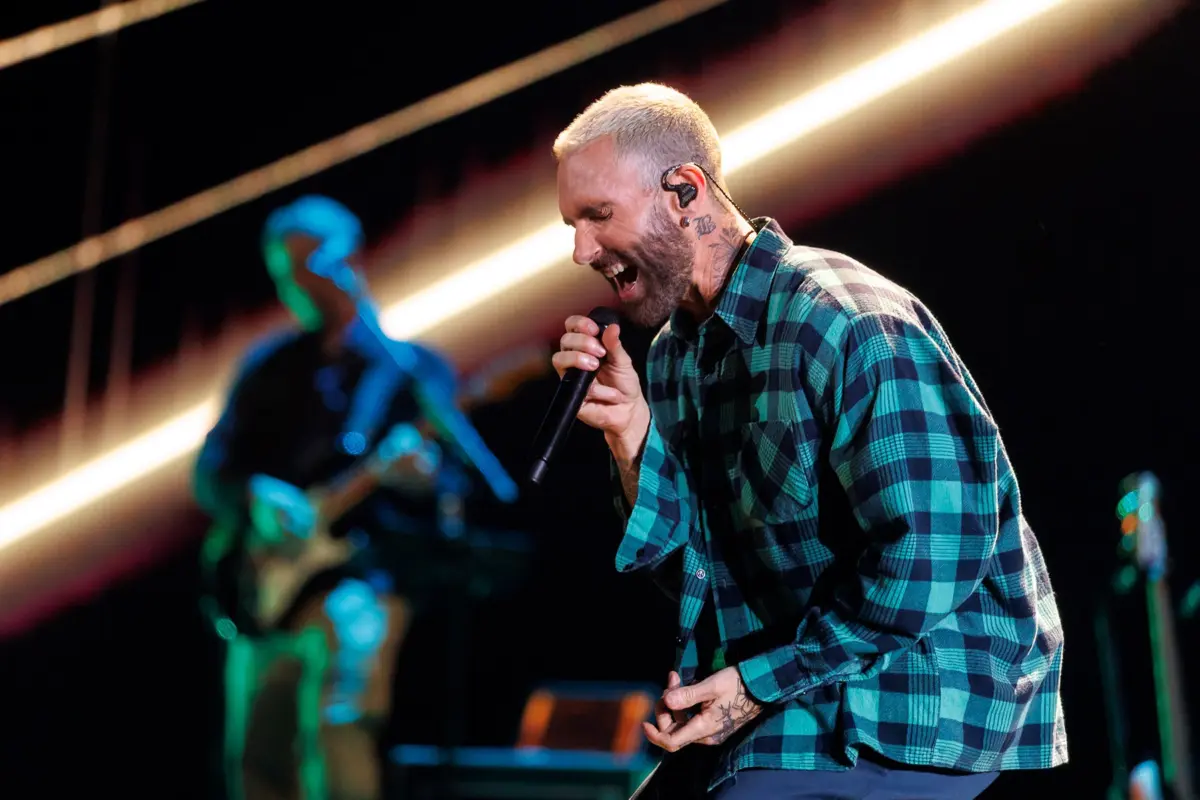
Furthermore, Maroon 5 has demonstrated remarkable staying power. Following the release of their eighth studio album, Love Is Like, in 2025, the band continues to tour globally, bridging their extensive history of chart-toppers with fresh material. Performances at high-profile events, such as the 2025 iHeartRadio Music Festival at the T-Mobile Arena in Las Vegas, prove that Adam Levine and company retain the stage presence and vocal dexterity that made them household names over two decades ago.
Ultimately, the induction of "Payphone" into YouTube’s Billion Views Club is more than just a vanity metric. It is a digital monument to a specific golden era of pop music—a time when hip-hop features on pop-rock tracks were reaching a creative zenith, when high-budget cinematic music videos were still major pop-cultural events, and when Maroon 5 reigned supreme over global radio. As fans continue to press play on the audiovisual drama of Adam Levine at that fateful payphone, the song secures its legacy as a timeless pop standard of the 21st century.