
Executive Overview
For years, the British-Filipino singer-songwriter Beabadoobee (born Bea Laus) has navigated a strange dichotomy within the modern music ecosystem. To a massive global audience—largely cultivated through the algorithmic pipelines of TikTok and viral Spotify playlists—she is the purveyor of delicate, wistful bedroom pop. Her most commercially lucrative footprint remains tied to tracks like "Coffee" (famously sampled in Powfu’s pandemic-era phenomenon "death bed (coffee for your head)") and the sugary, acoustic-led "Glue Song."
Yet, beneath this cutesy, pastel-hued moniker lies an artist whose creative compass points squarely toward the gritty, distorted alternative rock of the 1990s. From her early days uploading unpolished tracks characterized by muted, chugging guitars to the full-throated alt-rock revivalism of her 2020 debut, Fake It Flowers, Laus has consistently signaled her true allegiance: the indie titans of the past, from Elliott Smith to Pavement.
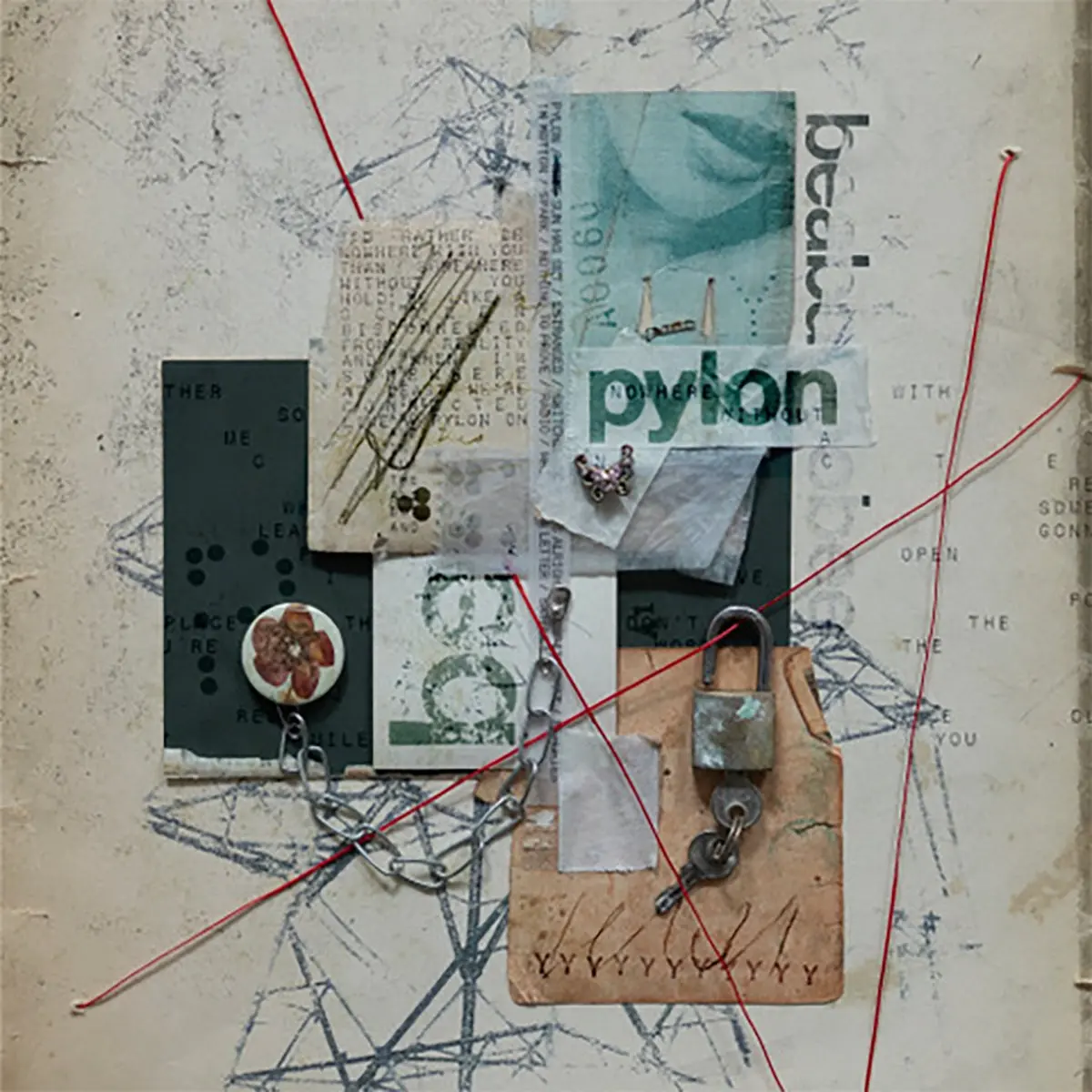
With the release of her fourth full-length studio album, Pylon, Laus and her team set out to permanently shatter these preconceived notions. Backed by a high-stakes partnership between her longtime home, Dirty Hit, and major-label giant Interscope Records, Pylon was primed to be her definitive coronation as a modern rock heavyweight. Yet, as the dust settles on the record’s heavily anticipated rollout, Pylon reveals a complex, deeply frustrating tug-of-war.
It is an album caught between an artist’s fierce creative integrity and the commercial anxieties of major-label machinery. While boasting an enviable guest list of 90s-adjacent indie royalty and punk icons, the record frequently stumbles under the weight of truncated runtimes, risk-averse production choices, and the sanitization of its rawest edges. This is the story of Pylon—a record that desperately wants to bite, but finds its teeth dulled by the room where it was made.
Detailed Chronology: From Bedside Chords to Major-Label Ambitions
The Formative Years and the "Old Soul" Paradox
When Bea Laus first began uploading music to the internet as an 18-year-old, early listeners immediately recognized a stylistic anachronism in her work. The verses of her early recordings were built on muted, chugging guitars and charmingly unpretentious lyricism that directly channeled the slacker-rock ethos of the 1990s. Comment sections quickly branded her an "old soul," a sentiment Laus would spend the remainder of her emerging career validating.
Her reverence for the indie rock canon is not merely aesthetic window-dressing; it is woven into the fabric of her career. Laus has consistently worn her influences on her sleeve:
- Elliott Smith: She has designed official merchandise inspired by the late singer-songwriter, covered his catalog across two separate charity compilations, and directly name-dropped him in her lyricism.
- Stephen Malkmus: Her deep-seated admiration for the Pavement frontman manifested most clearly when she named an entire song in his honor.
The Realization of a Dream: Fake It Flowers
This lifelong artistic vision culminated in her 2020 debut album, Fake It Flowers. While sometimes overlooked in broader mainstream conversations at the time, the record was a visceral statement of intent. Tracks like "Sorry" and "Yoshimi, Forest, Magdalene" showcased a deliberate grittiness in their guitar tones, while the lyrical sassiness of "Dye It Red" and "Care" positioned Laus not as a polite bedroom-pop darling, but as a genuine rock star in the making. It was loud, abrasive, emotionally turbulent, and entirely uncompromising.
The Algorithm Trap
Despite the critical success and artistic validation of Fake It Flowers, Laus’s most quantifiable commercial milestones have historically stemmed from her less intentional, softer moments. The moniker "beabadoobee"—chosen casually during her teenage years—inadvertently pigeonholed her in the public consciousness. To millions of casual listeners, she was expected to produce perpetual variations of "Coffee" or "Glue Song."
When "Coffee" was sampled for the inescapable lockdown smash "death bed (coffee for your head)," Laus was thrust into the upper echelons of the global charts. To this day, that track remains her most streamed song by an astronomical margin. This monumental shift created a formidable barrier: how does an artist who wants to shred guitars and scream over feedback convince a massive, algorithmically fed audience to follow her into the mosh pit?
Supporting Context & Metrics: The Making and Marketing of Pylon
Enter Pylon, Laus’s fourth long-player, designed explicitly to dispel public misconceptions. The rollout’s visual campaign immediately set a jagged, unpolished tone. Promotional imagery featured Laus sporting a freshly cut pseudo-mullet streaked with rebellious highlights, grinning playfully while covered in mud.
The Lead Singles: Hype and Hesitation
The pre-release strategy offered genuine cause for optimism among die-hard rock fans:
- "Sun Has Set": Serving as the lead single, this track felt like a triumphant return to form. It navigated complex groove changes with fluidity, housed some of Pylon’s most memorable guitar work, and featured Laus weaponizing her vocals against a newfound adversary with sharp panache.
- "Switchblade": The second single only amplified the momentum. A cautionary tale of self-destruction, "Switchblade" burned at a slow, deliberate pace, punctuated by Laus’s own screamed backing vocals that added a layer of visceral grit.
However, "Switchblade" also introduced a structural flaw that would plague the entire album: the abrupt truncation of musical ideas. Just as the track builds toward what promised to be an exhilarating, cathartic guitar solo, the song ends cold. This pattern highlights one of Pylon’s greatest weaknesses—an overarching sense of unfulfillment. Similarly, "In Motion" flirts with becoming a texturally rich rock ballad, driven by plucky piano and glitchy synths echoing the influence of her close collaborators in The 1975. Yet, the song fades to black precisely as these exciting sonic elements are being introduced.
The Runtimes and the TikTok Factor
Very few tracks on Pylon surpass the three-minute mark, and this brevity is far from accidental. A substantial portion of beabadoobee’s modern fanbase discovered her via TikTok, a platform built on micro-content and immediate gratification. Consequently, much of Pylon plays it safe, short, and sweet to appease short attention spans.
Industry analysts and sharp-eared fans alike have pointed fingers at the boardroom. Pylon marks Laus’s first major-label outing via Interscope Records in partnership with her long-standing creative home, Dirty Hit. The corporate influence funding this expansive rollout appears, paradoxically, to be its biggest inhibitor.
Compounding these suspicions is the album’s production credit. Pylon was primarily helmed by Gianluca Buccellati and Jason Vance Harris—neither of whom possess deep, foundational backgrounds in rock music. It comes as little surprise, then, that their names are conspicuously downplayed in official promotional materials, replaced instead by the gravity of the album’s high-profile guest features.
Official Statements and Collaborative Misfires
To bolster its rock-and-roll credentials, Pylon enlisted an impressive roster of alternative royalty. Yet, the adage that a star-studded lineup guarantees gold is thoroughly tested across the record’s tracklist.
The Underutilized Heavyweights
- "Nothing To Prove" (feat. Hayley Williams): Despite sharing a title that suggests a bold declaration, the track communicates very little through vague lyricism and remarkably bland, by-the-book instrumentation. Worse still, Hayley Williams—one of the most dynamic vocalists of her generation—is relegated to the shadows of backing vocals. An inattentive listener could easily miss her presence entirely.
- "Powerlines" (feat. Brendan Yates): Turnstile frontman Brendan Yates is granted an eight-bar guest verse, but he, too, suffers from severe underutilization. Known for the explosive, abrasive power that defines Turnstile’s hardcore catalog, Yates here is inexplicably drowned in so much reverb and stylistic restraint that he ends up sounding less like a punk icon and more like a moody Sting impersonator.
The Indie-Rock Veterans
Other notable contributors include members of universally revered, now-defunct indie-rock bands who are currently working on the widest-reaching music of their careers. Yet, the hallmarks of their respective masterpieces are so thoroughly flattened that listeners are forced to comb through detailed liner notes just to understand what they actually contributed to the sessions.
- "Spark": Co-written by Pinegrove frontman Evan Stephens Hall, this track completely strips away the signature, writerly confessionalism that endeared his home band to a cult following, opting instead for generic "na-na-na" vocal loops to fill empty space.
- Shane Moran (Title Fight): Moran contributes some of Pylon’s most structurally dynamic guitar work, yet his signature tones are denied the headbang-worthy weight they deserve. Instead, the listener is left navigating what an Interscope A&R executive imagines "Midwest emo" should sound like.
Under the watch of production teams seemingly unfamiliar with the mechanics of authentic rock music, the foundational elements that make great rock records vital are treated like novelties rather than lived experiences.
Future Outlook: Where Does Bea Laus Go From Here?
Pylon stands as a fascinating, cautionary case study in modern pop-star evolution. Bea Laus remains an immensely talented singer-songwriter with an encyclopedic understanding of the alternative music that shaped her youth. Her artistic instincts—when allowed to breathe without corporate or algorithmic interference—lean toward jagged guitars, emotional vulnerability, and unvarnished rock catharsis.
Yet, Pylon demonstrates the friction that occurs when an artist attempts to straddle two incompatible worlds: the hyper-curated, risk-averse demands of major-label, TikTok-era pop commerce and the raw, unfiltered ethos of underground indie rock.
As Laus looks toward the horizon of her career, the path forward requires a reckoning with these competing forces. The appetite for her true rock-and-roll vision is undeniably real, proven by the passionate response to her heavier tracks and live performances. Whether her next chapter will fully relinquish the safety nets of boardrooms and algorithms to embrace that chaos remains the defining question of her artistic journey. If Pylon proves anything, it is that Bea Laus has the tools to build a lasting rock legacy—she simply needs to let the walls come down.