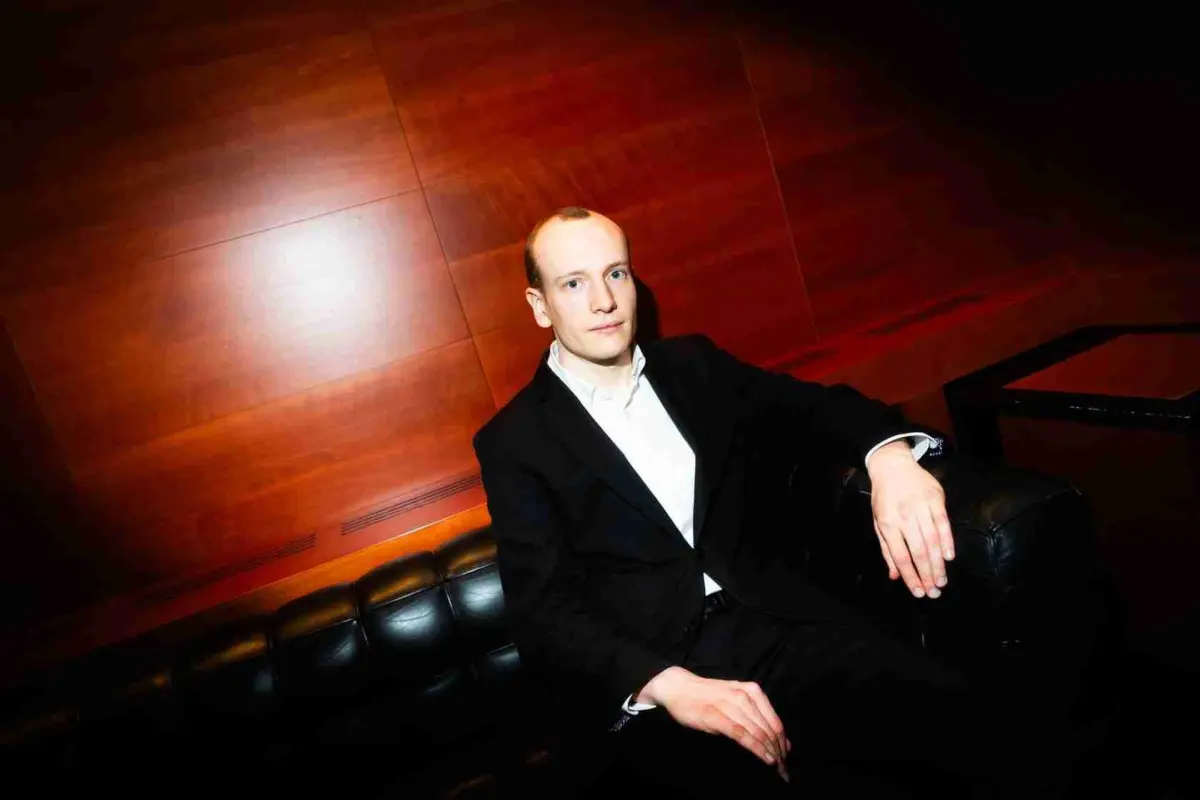

BONN, GERMANY — In the high-stakes, fast-paced arena of international classical music competitions, winning the top prize is traditionally viewed as the finish line. For American pianist Seth Schultheis, however, capturing the First Prize at the prestigious 2025 Telekom Beethoven Competition in Bonn was merely the opening movement of a much more complex and demanding symphony.
Now, amidst a whirlwind international touring schedule that spans iconic European halls and major festival stages, Schultheis stands at a critical juncture familiar to many young virtuosos: the perilous transition from competition laureate to enduring, career-long artist. To navigate this pivotal phase, the Telekom Beethoven Competition has announced a groundbreaking partnership with Zenezen, an innovative global platform dedicated to the sustainable development and holistic wellbeing of classical musicians.
Over the coming year, this alliance will provide Schultheis with a bespoke ecosystem of mentorship, industry access, and psychological resilience training. More than just a local news item for the classical music world, this collaboration signals a much broader, long-overdue philosophical shift within the upper echelons of the arts: a recognition that the future of classical music depends less on the relentless extraction of young talent, and more on how that talent is systematically nurtured and protected.
Executive Overview: A Paradigm Shift in Artist Management
For decades, the standard trajectory for a major international competition winner followed a brutal formula. An influx of sudden bookings, relentless cross-continental travel, inadequate psychological preparation, and a lack of holistic career guidance frequently led to burnout, physical injury, and stunted artistic growth. The toll on young musicians—isolated in hotel rooms, navigating predatory contracts, and grappling with the crushing weight of public expectation—has long been an open secret within the industry.
The new twelve-month pilot initiative between the Telekom Beethoven Competition and Zenezen directly challenges this outdated model. By embedding tailored mentoring, a robust global network of arts professionals, and personal resilience workshops into Schultheis’s prize package, the organizations are creating a blueprint for twenty-first-century artist development.
This initiative addresses three core pillars essential to modern artistic longevity:
- Artistic and Strategic Growth: Navigating high-profile international engagements without compromising repertoire development or artistic integrity.
- Industry Integration: Leveraging Zenezen’s extensive international network to forge sustainable, long-term professional relationships rather than fleeting engagements.
- Holistic Wellbeing: Providing psychological, emotional, and physical support to combat the systemic isolation and burnout that plague elite performers.
By placing Schultheis at the center of this forward-thinking initiative, the Telekom Beethoven Competition is redefining its institutional responsibilities, proving that a competition’s duty of care does not end when the final applause fades and the trophies are handed out.
Detailed Chronology: From Bonn Triumph to International Stages
The momentum behind Seth Schultheis’s career is both palpable and meteoric. The journey from his crowning achievement in late 2025 to his current status as one of his generation’s most sought-after interpreters of the classical canon is mapped by a series of high-profile European milestones.
The Autumn 2025 Breakthrough
Following his triumph at the Telekom Beethoven Competition in Bonn, Schultheis was immediately thrust into the demanding international spotlight. Rather than enjoying a period of quiet reflection, the young American pianist was launched into a rigorous series of engagements designed to test his mettle against the highest standards of European musical life.
A defining moment in this early post-competition phase came with his appearance alongside the venerated Beethoven Orchester Bonn during their marquee New Year’s Concert at the historic Beethovenhalle. Performing in the very city that birthed the competition and honored the namesake of his primary repertoire, Schultheis demonstrated an authority and sensitivity that immediately caught the attention of European critics and orchestral programmers alike.
Spring and Summer 2026: Expanding Horizons
As the calendar turned to 2026, Schultheis’s itinerary expanded rapidly across borders. In Poland, he delivered a critically acclaimed interpretation of Beethoven’s Piano Concerto No. 3 in C minor, Op. 37 at the landmark 30th Beethoven Easter Festival—a festival renowned for its rigorous standards and discerning audiences.
Immediately following his Polish engagements, Schultheis embarked on an extensive, multi-city tour across Germany in collaboration with the Klassische Philharmonie Bonn. This grueling orchestral circuit tested not only his technical stamina but also his ability to maintain interpretive freshness across repeated performances in diverse acoustic environments.
Spring also saw Schultheis pivot toward more intimate, contemporary spaces with a celebrated performance series at Munich’s cutting-edge arts hub, Bergson Kunstkraftwerk. By bridging historic repertoire with modern performance spaces, Schultheis proved his versatility and his appeal to younger, more eclectic audiences.
Looking Ahead: Autumn 2026 and Beyond
The momentum shows no signs of slowing. This autumn, Schultheis crosses the English Channel for a major recital appearance in Hatfield, just outside London. Furthermore, his long-term calendar is already locked into elite tier-one configurations, featuring upcoming concerto appearances with the legendary Czech Philharmonic slated for 2027, alongside regular, anticipated invitations to return to the prestigious Beethovenfest Bonn.
It is precisely this dizzying accumulation of opportunities that necessitated the intervention of Zenezen. Without a strategic support system, even the most gifted artists can easily become overwhelmed by the sheer logistical and emotional weight of such an aggressive performance schedule.
Supporting Context & Metrics: The Anatomy of a Young Virtuoso’s Burnout
To understand the true significance of the Schultheis-Zenezen partnership, one must examine the broader socioeconomic and psychological landscape of the contemporary classical music industry.
The Competition Industrial Complex
The proliferation of international music competitions over the past fifty years has created a hyper-saturated market. Hundreds of competitions take place annually across the globe, yet only a handful—such as the Chopin in Warsaw, the Van Cliburn in Texas, the Queen Elisabeth in Brussels, and the Telekom Beethoven Competition in Bonn—wield the institutional weight required to genuinely launch an international career.
For the winners of these elite events, the prize typically includes cash, recording contracts, and a managed tour schedule. However, industry metrics reveal a sobering reality: a staggering percentage of competition laureates experience severe career stagnation or professional burnout within five years of their victory.
The Cost of Isolation
Recent psychological studies within the performing arts sector highlight chronic issues among elite young musicians:
- Performance Anxiety: Amplified by social media and instant global critique, performance anxiety has reached unprecedented levels among artists under thirty.
- Physical Strain: Repetitive strain injuries (RSIs), focal dystonia, and tendinitis resulting from unmonitored, high-intensity practicing and touring schedules threaten careers before they fully begin.
- Economic Vulnerability: Despite performing in prestigious halls, young soloists frequently struggle with precarious gig-economy contracts, extortionate management commissions, and a lack of financial literacy.
By introducing Zenezen into the equation, the Telekom Beethoven Competition is directly mitigating these systemic risks. Zenezen’s multidisciplinary approach integrates career counseling, financial guidance, and mental health resources into a personalized framework, ensuring that Schultheis’s physical and mental resilience matches his formidable technical prowess.
Official Statements: Leaders Define the Vision
The partnership has garnered widespread attention from industry leaders who view this collaboration as a potential watershed moment for artist management in the classical sector.
Pavel Gililov on Institutional Responsibility
Pavel Gililov, the esteemed Artistic Director of the Telekom Beethoven Competition, emphasized the moral and artistic imperative driving the collaboration:
"We are delighted to collaborate with Zenezen and to provide this additional development opportunity for Seth Schultheis, the first prize winner of our 2025 Telekom Beethoven Competition. We care deeply about the sustainable development of our participants’ artistic careers, and we believe that this must go hand in hand with a strong awareness of musicians’ health and wellbeing, making Zenezen an ideal partner in this shared commitment."
Gililov’s statement underscores a vital evolution in how competitions view their winners. Rather than treating laureates as transient promotional assets for the competition’s brand, leaders like Gililov are repositioning competitions as lifelong guardians of their alumni’s artistic health.
Ashley Wass on Navigating the Post-Competition Landscape
Ashley Wass, Co-founder and Artistic Director of Zenezen and an internationally acclaimed pianist in his own right, shed light on the specific vulnerabilities facing young artists at this stage of their careers:
"The period following a major competition success is tremendously exciting, but it is also riddled with potential pitfalls. Our mission is to provide Seth with the support that so many young musicians lack at this critical junction, such that he can build a career that is healthy and sustainable from the opportunities that come his way."
Wass speaks from a place of deep industry experience. Having traversed the international concert circuit himself, he understands firsthand how the sudden influx of high-stakes engagements can derail a young artist unless balanced by rigorous strategic planning and robust personal support systems.
Future Outlook: A New Blueprint for Classical Music
As Seth Schultheis prepares for his upcoming autumn engagements in the United Kingdom and looks ahead to his landmark 2027 collaborations with the Czech Philharmonic, his trajectory offers a compelling glimpse into the future of classical music performance.
The joint initiative between the Telekom Beethoven Competition and Zenezen proves that artistic excellence and artist welfare are not mutually exclusive; rather, they are deeply interdependent. In an era where audiences increasingly demand authenticity, depth, and longevity from their favorite interpreters, the artists who will truly endure are those backed by structures that prioritize humanity over raw output.
For Schultheis, the next twelve months will serve as a laboratory for this progressive model. If successful, this partnership will not only secure the long-term career of one of America’s finest young pianists, but it will also establish a gold standard for how the global classical music community supports, respects, and sustains its brightest stars for generations to come.