

Executive Overview
In the realm of human performance, few instruments are as delicate, intimate, and vital as the human voice. When it fails, the impact is not merely physical; it strikes at the core of human identity, communication, and self-expression. For Mary Ellen Stoll of Brockville, Ontario, a decades-long vocal struggle threatened to permanently silence her secret aspirations. Diagnosed with a vocal cord nodule at the tender age of 22 and subsequently subjected to an invasive surgical procedure that left her speaking voice permanently altered and compromised, Stoll faced a reality where vocal expression was defined by limitation rather than potential.
For forty years, her voice bore the hidden scars of medical intervention. Yet, retirement from a demanding, high-stress career as a manager for the Government of Ontario provided the catalyst for a remarkable transformation. Entering her sixties with newfound personal time, Stoll harbored a long-suppressed ambition: to learn how to sing and, ultimately, to join a community choir. What followed was a rigorous, highly disciplined journey of vocal rehabilitation that bridged the gap between medical damage and artistic triumph.
This comprehensive report details Stoll’s inspirational path from vocal impairment to choral performance. It examines the structural mechanics of voice repair, the challenges of overcoming post-surgical vocal degradation, and the application of specialized holistic vocal methodologies. Through unwavering dedication—including grueling multi-hour winter drives across Ontario—Stoll, alongside her vocal coach and mentor, transformed what was once deemed an "impossible dream" into an enduring reality of health, harmony, and song.
Detailed Chronology: The Journey from Injury to Artistry
The Genesis of a Vocal Crisis (1980s)
The narrative of Mary Ellen Stoll’s voice begins in early adulthood. At just 22 years of age, Stoll received a diagnosis that would alter her acoustic reality for decades: a nodule had developed on her vocal cord. In an era when surgical interventions for vocal pathologies were often less refined than contemporary practices, Stoll underwent a standard vocal operation designed to remove the benign growth.
While the surgery medically addressed the nodule, it failed to restore the natural integrity, resonance, and acoustic balance of her voice. Her speaking voice was fundamentally altered—lacking the dynamic range, projection, and clarity she had previously known. For a young woman navigating the early stages of professional and personal life, the psychological and communicative toll of a permanently damaged voice is profound. Stoll adapted, navigating her career as a government manager while keeping her deeper acoustic aspirations quietly locked away.
The Catalyst of Retirement and the Brockville Encounter (Spring 2016)
Fast-forward to the spring of 2016. At the age of 62, Stoll transitioned out of her high-stress managerial role with the Government of Ontario. Retirement, for many, is a period of rest; for Stoll, it was an invitation to revisit unfulfilled ambitions. With flexible time at her disposal, she confronted her lifelong desire: to master the art of singing and secure a place in a local musical ensemble.
In pursuit of this goal, Stoll visited a prominent barbershop-style choir in Brockville, Ontario, seeking an audition and guidance from the choir director. Upon listening to her speak, the director immediately identified a fundamental obstacle. He noted that her speaking voice was visibly and audibly damaged, advising her that any aspirations of choral participation must be preceded by intensive remediation of her foundational speech patterns.
Rather than deterring her, this professional assessment served as a roadmap. Stoll turned to the digital landscape to research advanced vocal remediation specialists, ultimately discovering a renowned studio specializing in holistic voice repair. A phone consultation quickly escalated into a decisive commitment: Stoll packed her bags, got behind the wheel, and drove over four hours to begin an intensive regime of voice rehabilitation.
The Crucible of Remediation: Rebuilding the Voice from Within
Upon arriving at the studio, Stoll embarked on a systematic journey of voice reconstruction. The methodology employed bypassed traditional, superficial vocal coaching, targeting instead the root mechanics of sound production.
The rehabilitation process commenced with an exhaustive overhaul of Stoll’s speaking voice. Using specialized speech exercises intricately coupled with targeted body movements, the training focused on establishing:
- Proper Structural Support: Engaging the entire physiological framework to support sound production without relying on localized throat muscles.
- Optimal Voice Placement: Shifting acoustic resonance away from strained areas and into natural resonant cavities of the skull and facial structure.
- Enhanced Projection: Maximizing acoustic output with minimal physical effort, ensuring the voice could travel effectively to its intended destination.
These components form the bedrock of a holistic vocal mechanism. When executed correctly, they allow the human voice to operate at its absolute peak capacity—entirely devoid of the pain, strain, and fatigue that plague damaged anatomies.
However, this transformation was far from effortless. As documented in historical media profiles—such as a 1999 feature by the Toronto Star newspaper titled "Not As Easy As It Sounds"—true vocal restructuring demands immense physical energy, psychological resilience, and relentless discipline from both mentor and client. The reward, however, is transformative: a voice that rings crisp and clear, characterized by meticulously articulated and well-pronounced articulation.
Overcoming the Elements: The Dedication of a Performer
With her speaking voice successfully restored and fortified, Stoll reached a pivotal milestone. Returning to the Brockville choir director for a reassessment, the transformation was undeniable. The director noted a dramatic improvement in her vocal quality, giving her the green light to pursue formal vocal development tailored for choral integration.
What followed tested Stoll’s mettle. The journey extended across all four seasons of the year. Through freezing temperatures, treacherous road conditions, and the unpredictable Canadian winters, Stoll drove upwards of five hours round-trip to reach her studio sessions. This unwavering commitment to her craft exemplified the "smart work" required to undo decades of neuromuscular compensation resulting from her 22-year-old surgery.
The Triumph: Joining the Chorus and Beyond
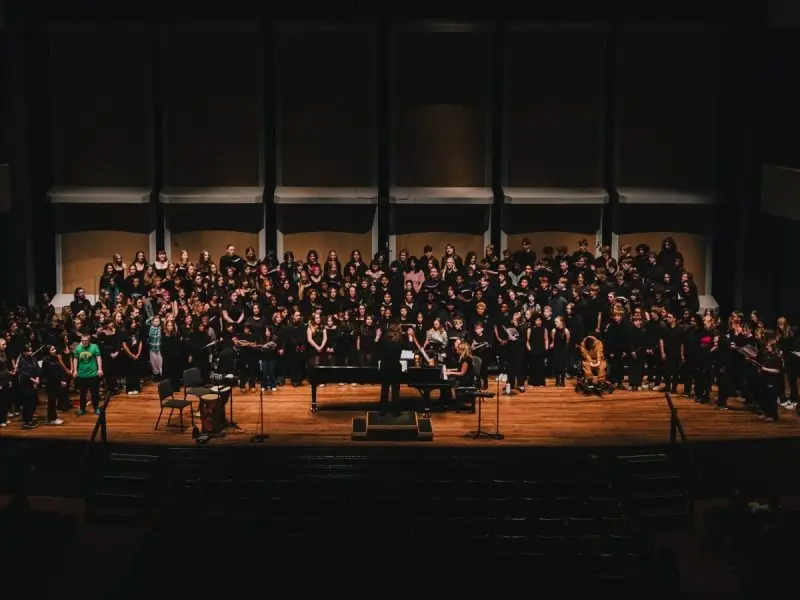
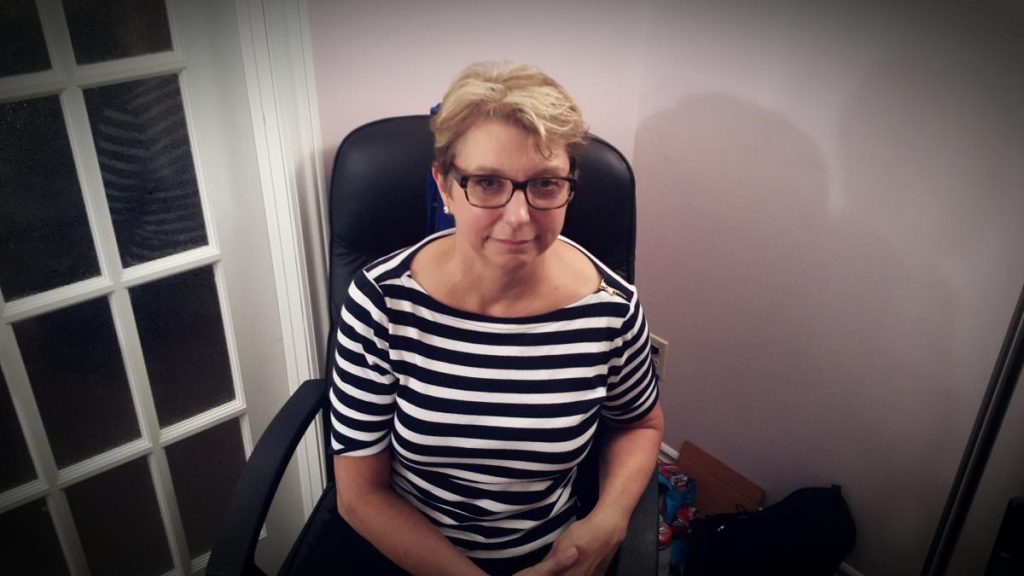
The grueling hours of practice, the physical conditioning, and the arduous winter commutes culminated in a triumphant victory. Stoll successfully auditioned for the choir, integrating seamlessly into the ensemble.
She has remained an active, enthusiastic member of the group ever since, participating in regional competitions, public performances, and community concerts. What began as a medical anomaly and a forty-year communicative compromise transformed into an active, vibrant artistic life.
Supporting Context & Metrics: The Mechanics of Voice Repair
To fully appreciate the magnitude of Mary Ellen Stoll’s achievement, one must examine the physiological and methodological framework that made her recovery possible. Voice repair—particularly when dealing with post-surgical scar tissue, chronic vocal cord nodules, and decades of compensatory misuse—requires an authoritative, scientific approach.
The Physiology of Post-Surgical Vocal Degradation
When a vocal cord nodule is surgically excised, the delicate mucosal waves of the vocal folds can be disrupted by micro-scarring. If the underlying vocal technique is not corrected post-operatively, the speaker or singer often compensates for lost mucosal pliability by over-constricting the extrinsic muscles of the larynx. This leads to a persistent cycle of:
- Vocal Fatigue: Rapid exhaustion of the voice during routine conversation.
- Hyperfunction: Excessive tension in the neck, jaw, and throat.
- Acoustic Impairment: Breathy, raspy, or weak projection due to incomplete glottal closure.
The Principles of Voice by Design
The methodology applied in Stoll’s recovery operates on the premise of Voice by Design—a systematic approach that aligns human anatomical design with acoustic physics. Key performance indicators of this methodology include:
- Acoustic Clarity Index: Measured by the crispness of consonant articulation and vowel purity, eliminating the muffled quality typical of compromised speaking voices.
- Effort-to-Output Ratio: Achieving maximum decibel projection and resonance with near-zero tactile tension in the laryngeal area.
- Neuromuscular Recalibration: Rewiring the brain-to-voice connection through synchronized body movements and targeted speech patterns, replacing decades-old pathological muscle memory with healthy physiological habits.
| Metric / Phase | Pre-Intervention (2016) | Post-Intervention (Present) |
|---|---|---|
| Speaking Voice Quality | Damaged, post-surgical fatigue, limited projection | Crisp, clear, well-supported, resonant |
| Acoustic Capability | Restricted to basic conversational limits with strain | Capable of professional choral execution |
| Physical Effort | High laryngeal strain, pain during prolonged speaking | Zero strain, full anatomical support |
| Artistic Participation | None (aspirational only) | Active choral member, competitor, and performer |
Official Perspectives and Reflections
The journey of Mary Ellen Stoll offers profound insights into the psychological and physiological dimensions of human vocal health. Below are reflections capturing the essence of this transformative case study.
On the Nature of Voice Repair
"No doubt, it requires a lot of effort and energy from both parties involved—my client and myself. The reward, however, is priceless—as the voice begins to sound crispy clear with the words well announced and pronounced."
This sentiment underscores the collaborative nature of advanced vocal rehabilitation. Unlike passive medical treatments, voice repair demands active, conscious participation from the client. It requires breaking deep-seated behavioral patterns and replacing them with disciplined, anatomically sound habits.
On Turning the "Impossible Dream" into Reality
When a goal is suppressed for over four decades—first by medical misadventure, then by demanding professional obligations—achieving it later in life carries a profound emotional weight. For Stoll, mastering her voice did more than grant her entry into a local choir; it fundamentally enhanced her overall health and well-being.
By learning to utilize her vocal anatomy "by design," Stoll unlocked a renewed sense of vitality. The mechanics of proper breathing, resonance, and projection spilled over into her daily existence, proving that physical renewal is not bound by chronological age.
Future Outlook: A Continuing Legacy of Song
Mary Ellen Stoll’s story is far more than a heartwarming human-interest anecdote; it serves as a powerful case study for individuals suffering from chronic voice disorders, post-surgical vocal damage, and age-related vocal decline.
As society continues to place a high premium on communication, public speaking, and artistic expression, the lessons of Stoll’s journey resonate broadly:
- Hope Beyond Diagnosis: A medical diagnosis or historical surgical intervention at age 22 does not dictate vocal destiny at age 62 or beyond.
- The Priority of Speech: As demonstrated by the Brockville choir director’s initial advice, choral and singing mastery cannot be built on a compromised speaking voice. Remediation must begin at the foundational level of speech.
- The Value of Rigorous Discipline: True transformation requires commitment—spanning geography, seasons, and physical exertion.
As Stoll steps into her mid-sixties, her journey continues. With every rehearsal, every performance, and every note sung in harmony with her choir mates, she reaffirms that the human voice possesses an extraordinary capacity for healing when met with expert guidance and unwavering resolve.
Way to go, Mary Ellen! Keep on singing, girl! Best of voice and best of health now, in the New Year—and ALWAYS!