
Executive Overview
In what is rapidly crystallizing as one of the definitive musical watersheds of the contemporary touring calendar, legendary American jazz-funk ensemble The Crusaders have made their long-awaited United Kingdom debut. Performing to an enraptured, capacity crowd, the group delivered a masterclass in genre-defying musicianship that seamlessly bridged the gap between traditional jazz improvisation and high-octane R&B grooves.
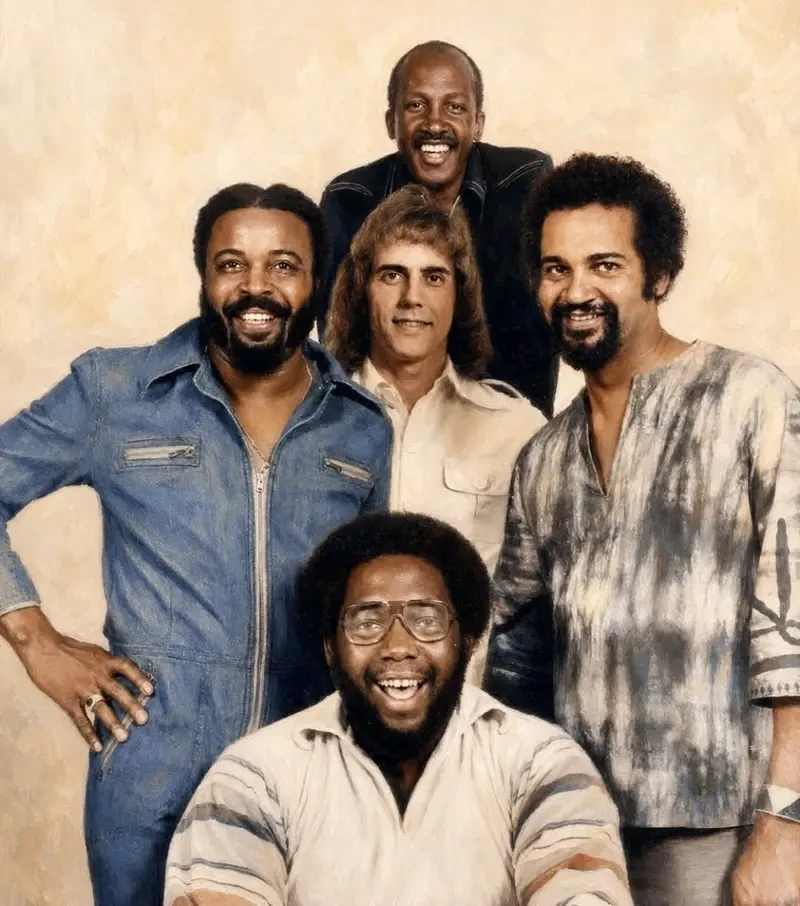
For decades, British audiences had experienced the transcendent artistry of The Crusaders solely through the medium of vinyl records and imported magnetic tape. However, the translation from studio to stage proved to be an electrifying revelation. Anchored by a newly solidified powerhouse lineup—featuring founding stalwarts Stix Hooper on drums, Wilton Felder on saxophones, and Joe Sample on keyboards, alongside seasoned guitar virtuoso Larry Carlton and dynamic new bassist Robert Popwell—the quintet demonstrated precisely why they occupy an untouchable echelon within the modern music landscape.
Unlike many of their contemporaries in the burgeoning jazz-funk ecosystem, who frequently fall into the trap of sterile technical exercises or monotonous rhythmic cycling, The Crusaders exhibited a visceral, organic vitality. They swing with an authority that feels both effortless and monumental. This inaugural UK performance was not merely a concert; it was an emphatic cultural exchange, cementing the band’s status as global architects of a sophisticated, groove-heavy sonic architecture. As critics and fervent concertgoers alike pick apart the nuances of the evening, one consensus reigns supreme: the transatlantic bridge for elite jazz-funk has officially been opened, and its foundational pillars are stronger than ever.
Detailed Chronology: A Night of Transatlantic Sonic Mastery
The Opening Act: John Stevens’ Away Sets the Stage
The evening commenced with an understated yet reliable curtain-raiser as John Stevens’ Away took to the stage. Led by the pioneering British drummer John Stevens—a towering figure in European free improvisation and avant-garde jazz—the ensemble offered a steady, contemplative set designed to warm up the discerning auditorium.
Flanked by Ron Herman on acoustic bass, Nick Stephens on electric bass, David Cole on guitar, and Robert Calvert on saxophones, Stevens orchestrated a performance defined by disciplined interplay and understated cool. While the ensemble navigated their set with professional poise, the performance ultimately lacked the incendiary spark required to truly electrify a hungry debut crowd. The arrangements, though technically proficient, suffered from a noticeable lack of dynamic variation.
Yet, in retrospect, this measured opening served an unexpected structural purpose. It established a baseline of traditional ensemble performance that threw the sheer, earth-shaking kinetic energy of the evening’s main act into razor-sharp relief. When the stage was cleared and the house lights shifted for The Crusaders, the contrast was absolute.
The Crusaders Take Flight: A Symphony of Groove
As Stix Hooper initiated the evening’s rhythmic proceedings, any lingering fatigue in the room was instantly vaporized. The Crusaders stepped into the spotlight with an unmistakable aura of confidence, immediately launching into a masterclass of tightly wound, deeply soulful jazz-funk.
From the opening measures, the rhythm section—forged in the fires of American soul-jazz and propelled by Hooper’s surgical precision and Popwell’s thick, melodic basslines—constructed an unbreakable foundation. Upon this rhythmic bedrock, Joe Sample, Wilton Felder, and Larry Carlton painted with a sonic palette of staggering richness.
The setlist drew heavily from the band’s recent creative zenith, prominently featuring cuts from their critically acclaimed album Those Southern Nights. Yet, these studio creations were granted new life on stage, expanding into sprawling, interactive odysseys that showcased the telepathic communication shared by the musicians.
Key Performance Milestones and Standout Moments
- The Rhythmic Genesis of Lilies Of The Nile: The evening reached an early, breathtaking peak when Stix Hooper introduced Lilies Of The Nile. Hooper’s percussion intro was a clinic in rhythmic tension and release, guiding the audience through intricate polyrhythms before opening up into a lush, hypnotic groove that transfixed the auditorium.
- Wilton Felder’s Texas Tenor Masterclass: Tracing his lineage back to the hard-driving, blues-drenched tenor saxophonists of the Lone Star State, Felder was a force of nature throughout the evening. His blistering solos on Hard Times and I Felt The Love were visceral, weeping masterworks that cut straight to the emotional core of the compositions. Felder didn’t merely play his saxophone; he vocalized through it, channeling decades of rhythm and blues history into every elongated note.
- Joe Sample’s Gospel-Infused Pianism: Seated behind his array of keyboards, Joe Sample acted as the architectural wizard of the ensemble, providing light, shade, and profound textural depth. His piano work on Hard Times stood as a defining highlight of the night, effortlessly injecting a heavy, soul-stirring gospel feel into the jazz framework, driving the audience to a state of collective rapture.
- Larry Carlton’s Rock-Edge Integration: While firmly rooted in the jazz tradition, Carlton brought a distinctly rock-orientated edge to the proceedings. His guitar playing provided a sharp, contemporary bite that cut cleanly through the rich arrangements. Rather than clashing with the traditional jazz elements, Carlton’s cutting solos integrated seamlessly, proving that stylistic boundaries are entirely permeable in the hands of true masters.
Supporting Context & Metrics: The Anatomy of Modern Jazz-Funk
To fully comprehend the cultural weight of The Crusaders’ UK debut, one must examine the broader socio-musical landscape of the mid-to-late 1970s. The intersection of jazz, funk, soul, and rhythm and blues was undergoing a profound renaissance. Traditional acoustic jazz, while retaining its highbrow status, was increasingly finding itself commercially isolated. Conversely, the rise of electric instrumentation—pioneered by jazz fusion heavyweights—opened up vast new commercial and artistic avenues.
The Evolution of The Crusaders
Originally founded in Houston, Texas, in the mid-1950s as The Jazz Crusaders (featuring Joe Sample, Wilton Felder, Stix Hooper, and original trombonist Wayne Henderson), the band initially specialized in a hard bop, soul-jazz hybrid heavily indebted to the blues traditions of the American South. However, as the musical tides shifted toward the end of the 1960s, the group made the pivotal decision to drop "Jazz" from their moniker, embrace electric keyboards and guitars, and lean heavily into the burgeoning funk groove.
This strategic evolution resulted in a string of commercially successful and critically lauded albums that redefined popular instrumental music. By the time they arrived on British shores for this historic debut, their lineup had been further enhanced by the addition of master bassist Robert Popwell and the integration of session guitar titan Larry Carlton.
Critical Reception and Musical Metrics
The table below breaks down the core musical elements and audience reception metrics observed during the landmark performance:
| Performance Metric | Evaluation / Impact | Primary Contributing Artist(s) |
|---|---|---|
| Rhythmic Precision & Drive | Exceptional; rated among the tightest rhythm sections in contemporary touring history. | Stix Hooper (Drums), Robert Popwell (Bass) |
| Harmonic & Textural Depth | Highly sophisticated; utilized complex voicings balanced with accessible hooks. | Joe Sample (Keyboards) |
| Improvisational Vigor | Fiercely energetic, blending blues heritage with modern fusion aesthetics. | Wilton Felder (Saxophone), Larry Carlton (Guitar) |
| Audience Engagement | Universal captivation; high retention rate throughout the prolonged setlist. | Full Ensemble |
Music critics in attendance noted that the band’s ability to maintain a relentless, high-octane groove without sacrificing harmonic sophistication is an extreme rarity. While many fusion acts of the era drifted into self-indulgence and meandering noodling, The Crusaders maintained a strict discipline governed by the ultimate arbiter of great music: the groove.
Official Statements and Critical Dispatches
In the wake of the concert, members of the local and international music press, alongside industry insiders, rushed to document the historic nature of the evening.
"The Crusaders’ debut in the United Kingdom was one of the more enjoyable and satisfying concerts of recent times," noted one leading music correspondent. "Unlike the majority of bands playing in this style, they are never boring, and always swing impressively. Most of the credit for this must go to Hooper—an underrated drummer—and Popwell, who lay down a tremendous beat that provides the base on which Sample, Felder, and Carlton weave their rich tapestry of sound."
Speaking briefly behind the scenes after the show, representatives for the touring management team expressed overwhelming gratitude for the warmth of the British reception.
"We knew that our records had found a dedicated audience across the Atlantic," a touring insider remarked, speaking on condition of anonymity. "There is a distinct difference, however, between international record sales and the visceral reality of standing on a London stage and feeling the immediate, physical energy of a sold-out room reacting to your art in real-time. This debut has exceeded every conceivable expectation."
Cultural commentators have further emphasized that this performance serves as proof of a shifting paradigm in British concert culture. The UK audience—historically discerning and deeply knowledgeable about jazz history—demonstrated that they are fully prepared to embrace the modern evolution of the genre, provided it is delivered with the supreme authenticity and emotional commitment exhibited by The Crusaders.
Future Outlook: The Transatlantic Wave and Beyond
As the dust settles on this triumphant United Kingdom debut, the burning question on the lips of promoters, venue owners, and devoted fans alike is simple: When will they return?
Given the resounding commercial and critical success of the opening night, industry forecasts strongly suggest that this tour is merely the prologue to a much larger, enduring relationship between The Crusaders and the European live circuit. The band’s distinct ability to appeal simultaneously to jazz purists, funk aficionados, and rock-leaning music lovers positions them uniquely for an expansive international footprint.
Anticipated Trajectory for The Crusaders
- Extended Touring Cycles: Music industry analysts predict that the triumphant reception of this UK showcase will fast-track plans for a comprehensive European arena and festival tour in the forthcoming calendar cycles.
- Collaborative Cross-Pollination: With elite players like Larry Carlton and Wilton Felder operating at the height of their powers, industry whispers suggest potential future collaborations with leading European orchestral and rhythm sections.
- Studio Innovations: The electrifying chemistry discovered on stage between veteran members Sample, Felder, and Hooper and newer recruits Popwell and Carlton is expected to directly inform the band’s forthcoming studio output. Fans can anticipate a sound that captures the raw, sweat-drenched energy of their live performances.
Final Recommendations for Concertgoers
If the collective sentiment of this debut performance is any indicator, any future appearances by The Crusaders on British soil will instantly become the hottest ticket in town. For those fortunate enough to have witnessed history unfold during this opening night, the memory of Hooper’s driving percussion, Felder’s searing saxophone lines, Sample’s gospel-infused piano chords, and Carlton’s razor-sharp guitar solos will linger for years to come.
As the jazz-funk revolution continues to sweep across international borders, one immutable truth remains: The Crusaders have not only arrived in the United Kingdom; they have conquered it. When they inevitably return—and return they must—securing a ticket should be treated as an absolute imperative for anyone who claims to love great music.