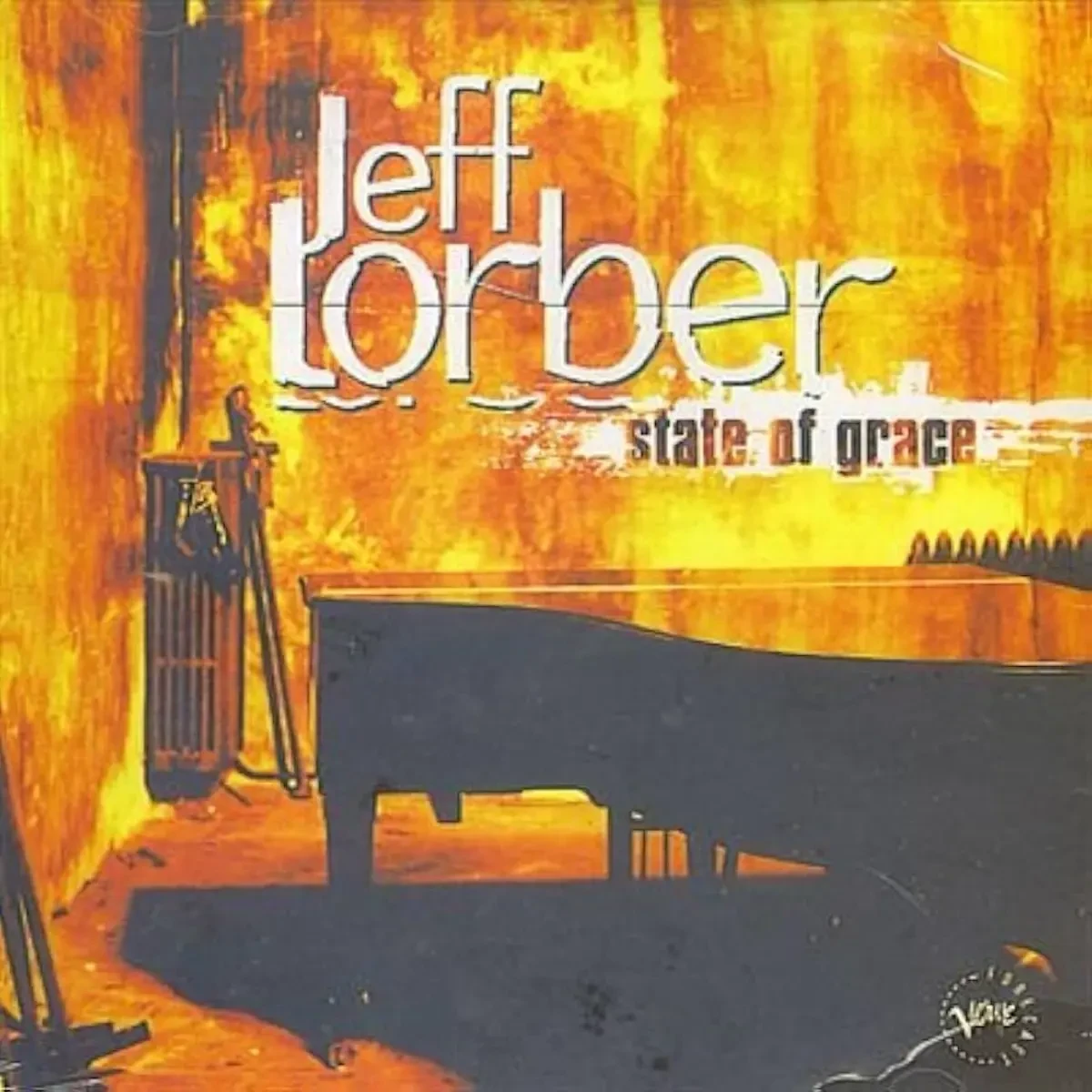

Executive Overview
In the vast and frequently commodified landscape of contemporary American music, few artists have navigated the delicate intersection of commercial viability and instrumental virtuosity quite like keyboardist, composer, and producer Jeff Lorber. With a career spanning back to the fertile musical landscapes of the 1970s, Lorber has steadily ascended to a position widely regarded by industry insiders as the grand master of "New Adult Contemporary"—a designation that, in practical sonic terms, translates to light, impeccably engineered jazz-funk that constantly flirts with, yet deftly avoids, the sterile boundaries of blandness.
His later-era releases, notably represented by his catalogue work for the prestigious Verve Forecast imprint, test the limits of this genre by tightening the margin of error even further. These albums incorporate slick vocal numbers that lean heavily into pure disco aesthetics while retaining an underlying foundation of sophisticated groove. Yet, to dismiss Lorber’s work as mere background music is to misunderstand the immense compositional craft at play.
This deep-dive retrospective examines Lorber’s enduring legacy, dissects the intricate mechanical precision of his arranging philosophy, profiles the stellar roster of musicians who brought his mid-1990s projects to life, and evaluates how his signature blend of R&B, soul, and fusion continues to influence the architecture of smooth jazz and contemporary commercial instrumental music.
+-------------------------------------------------------------------------+
                   JEFF LORBER: STYLISTIC EVOLUTION
+-------------------------------------------------------------------------+
  [1970s Roots]        -->  [Fusion Genesis]       --> [New Adult Cont.]
  Underground Jazz-         The Jeff Lorber Fusion     Pristine Production,
  Funk & R&B Imprints       (Arista / Columbia Eras)   Verve Forecast Era
+-------------------------------------------------------------------------+
Detailed Chronology: From Fusion Pioneers to the Verve Forecast Era
To truly understand the sophistication underpinning Jeff Lorber’s studio recordings, one must trace his trajectory from the fiery fusion underground of the late 1970s to the polished, radio-friendly soundscapes of the mid-1990s.
The Formative Years and the Birth of Fusion
Emerging from the vibrant music scene of the Pacific Northwest and later establishing a powerhouse presence in Portland, Oregon, Jeff Lorber formed the Jeff Lorber Fusion in the late 1970s. Alongside early collaborators—most notably a young, unknown saxophonist named Kenny G—Lorber spearheaded a movement that married the complex harmonic vocabulary of jazz with the driving, infectious rhythms of 1970s funk and R&B.
During his tenure with Arista Records and subsequent major-label outings, Lorber established a reputation not merely as a dazzling keyboardist who favored the warm bite of the Fender Rhodes and the futuristic sizzle of early synthesizers, but as a master architect of groove. His sound was defined by crisp horn lines, slap-bass breakdowns, and complex yet instantly accessible chord progressions.
The Shift Toward "New Adult Contemporary"
As the music industry evolved through the 1980s and into the 1990s, radio formats shifted. The adventurous, sprawling jazz-fusion of the previous decade gave way to more streamlined, mood-enhancing formats. Rather than resisting this commercial tide, Lorber embraced it, helping to invent and codify what the American record business would label "New Adult Contemporary" (later evolving into the contemporary smooth jazz format).
By the time Lorber signed with Verve Forecast—a division legendary for housing forward-thinking jazz and crossover artists—he had perfected a methodology that balanced commercial accessibility with uncompromising studio craftsmanship. Albums released during this window represented a high-water mark for the genre, marrying the organic warmth of live instrumentation with the emerging precision of digital production techniques.
Supporting Context & Metrics: The Anatomy of a Modern Fusion Masterpiece
A critical examination of Lorber’s quintessential mid-1990s sessions—anchored by studio work in Pacific Palisades, California—reveals a masterclass in modern music production and arrangement.
Decoding the Formula
On the surface, the music relies on a familiar, almost formulaic amalgam of R&B, soul, and funk patterns that have long since passed into the public domain. Basslines walk familiar syncopated paths; drum grooves maintain a steady, hypnotic pocket; and vocal tracks trade in classic themes of romance and nocturnal urban life.
However, it is precisely within these familiar parameters that Lorber’s genius shines. The music is deceptively sophisticated. Familiar devices are combined with cunning and precision into arrangements where the arrangement is the composition. In Lorber’s world, the band transcends its role as a backing unit and becomes the composer’s primary instrument. The ensemble is played with as much flair, dynamic variation, and sensitivity as an accomplished soloist applies to his horn.
Instrumental Brilliance Amidst the Groove
While these tracks are rarely structured as sprawling vehicles for self-indulgent improvisation, they are liberally sprinkled with effective, bluesy ad-libs. Lorber’s distinctively warm Fender Rhodes punctuates the mix with harmonic richness, while woodwinds and brass provide soaring counter-melodies.
+-------------------------------------------------------------------+
                  THE STUDIO ENSEMBLE BREAKDOWN
+-------------------------------------------------------------------+
  * Keyboards & Guitars: Jeff Lorber
  * Woodwinds & Flute:   Gary Meek, Art Porter, Dave Koz
  * Guitars:             Michael Landau, Stuart Wylen, Marlon McClain
  * Bass:                Nathaniel Phillips, Joey Altruda
  * Percussion/Drums:    Dirk Richter
  * Vocals:              Sue Anne Carwell, Eric Benet
+-------------------------------------------------------------------+
The supporting lineup assembled for these recordings reads like a roll call of West Coast session royalty:
- Keyboards, Guitar, & Marimba: Jeff Lorber
- Woodwinds (Soprano Sax, Bass Clarinet, Flute): Gary Meek
- Alto Saxophone: Art Porter
- Soprano Saxophone: Dave Koz
- Guitars: Michael Landau, Stuart Wylen, Marlon McClain
- Electric Bass: Nathaniel Phillips, Joey Altruda
- Marimba & Percussion: Dirk Richter
- Vocals: Sue Anne Carwell, Eric Benet
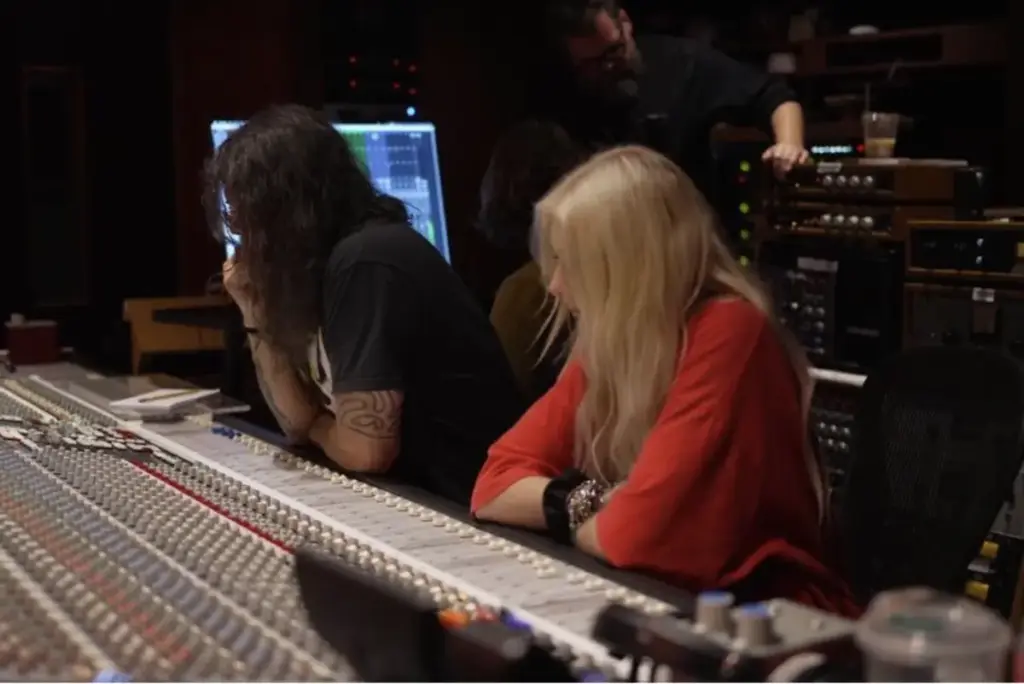
Recorded primarily in Pacific Palisades, California, these sessions capture the quintessential polished West Coast studio sound of the era: immaculate separation, crystal-clear transient response, and a luxuriant sonic warmth that makes repeat listening an effortless pleasure.
Track-by-Track Overview of the Definitive Mid-90s Output
A survey of the core tracklisting from this landmark creative period highlights the breadth and consistency of Lorber’s compositional output:
- "Wide Open Spaces" – A breezy, cinematic opener that establishes the rhythmic foundation of the sessions, driven by crisp percussion and shimmering synth pads.
- "PCH (Pacific Coast Highway)" – An iconic driving anthem that translates the experience of cruising down coastal California into pure musical motion.
- "State Of Grace" – The title track that encapsulates the album’s mission statement: flawless balance between smooth soul textures and sharp, jazz-inflected phrasing.
- "Bring It On" – A funk-forward workout featuring aggressive bass slaps and punchy horn arrangements.
- "Cat Paws" – A playful, mid-tempo groove highlighting intricate fretwork and whimsical keyboard counterpoint.
- "Katherine" – A tender, emotionally resonant ballad showcasing Lorber’s lyrical piano touch.
- "Hearts On Fire" – One of the standout vocal numbers, blending disco-infused rhythms with lush R&B vocal deliveries.
- "Moonterrace" – Atmospheric and nocturnal, trading in deep-groove synthesizer atmospheres.
- "The Island Of Temples" – An exploratory excursion featuring modal harmonies and exotic woodwind textures.
- "Deep Ellum" – A fittingly funky, blues-drenched closer that nods to traditional American roots filtered through a modern jazz-funk lens.
Official Statements and Industry Perspectives
To gauge the enduring cultural footprint of Jeff Lorber’s approach to music-making, industry analysts and veteran jazz critics often point to his rare ability to satisfy opposing camps of listeners.
Industry commentators have frequently noted:
"While purists looking for avant-garde dissonance or modal free-fall may find the boundaries too comfortably padded, those with a taste for easygoing soul, immaculate funk, and supreme musical craftsmanship will discover a masterclass in arrangement. Lorber proves that commercial appeal does not necessitate the abandonment of artistic integrity."
Furthermore, fellow musicians who have shared the stage and studio with Lorber consistently highlight his meticulous attention to detail during production. Sessions in Pacific Palisades were famously characterized by an atmosphere of professional rigor balanced by an environment of creative freedom, allowing elite sidemen like Art Porter and Gary Meek to deliver career-defining performances within the tight constraints of commercial radio formats.
Future Outlook: The Enduring Legacy of Jeff Lorber’s Sound
As the music industry continues to fracture into hyper-niche streaming algorithms and digital retro-trends, the legacy of Jeff Lorber’s signature sound remains remarkably robust. The pristine production values, sophisticated harmonic structures, and irresistible grooves pioneered on Verve Forecast and refined across decades of recording have become foundational DNA for modern neo-soul, contemporary R&B, and modern smooth jazz producers.
Younger generations of instrumentalists frequently sample or emulate the crisp, punchy aesthetic of Lorber’s mid-90s arrangements, recognizing that what casual listeners might perceive as effortless ease is actually the result of rigorous compositional discipline and decades of instrumental mastery.
For jazz purists, Lorber may forever represent the accessible threshold of the genre; but for millions of listeners worldwide, his music stands as an enduring monument to the art of sophisticated groove—a place where craftsmanship, soul, and melody meet in perfect, unshakeable harmony.