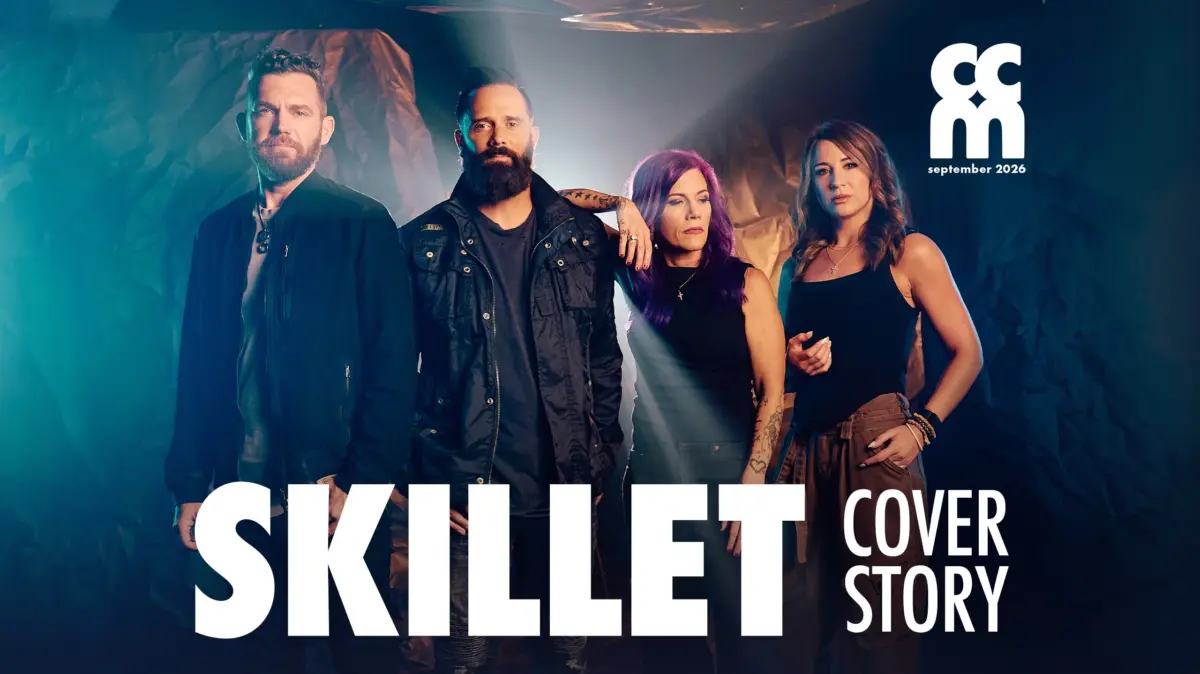
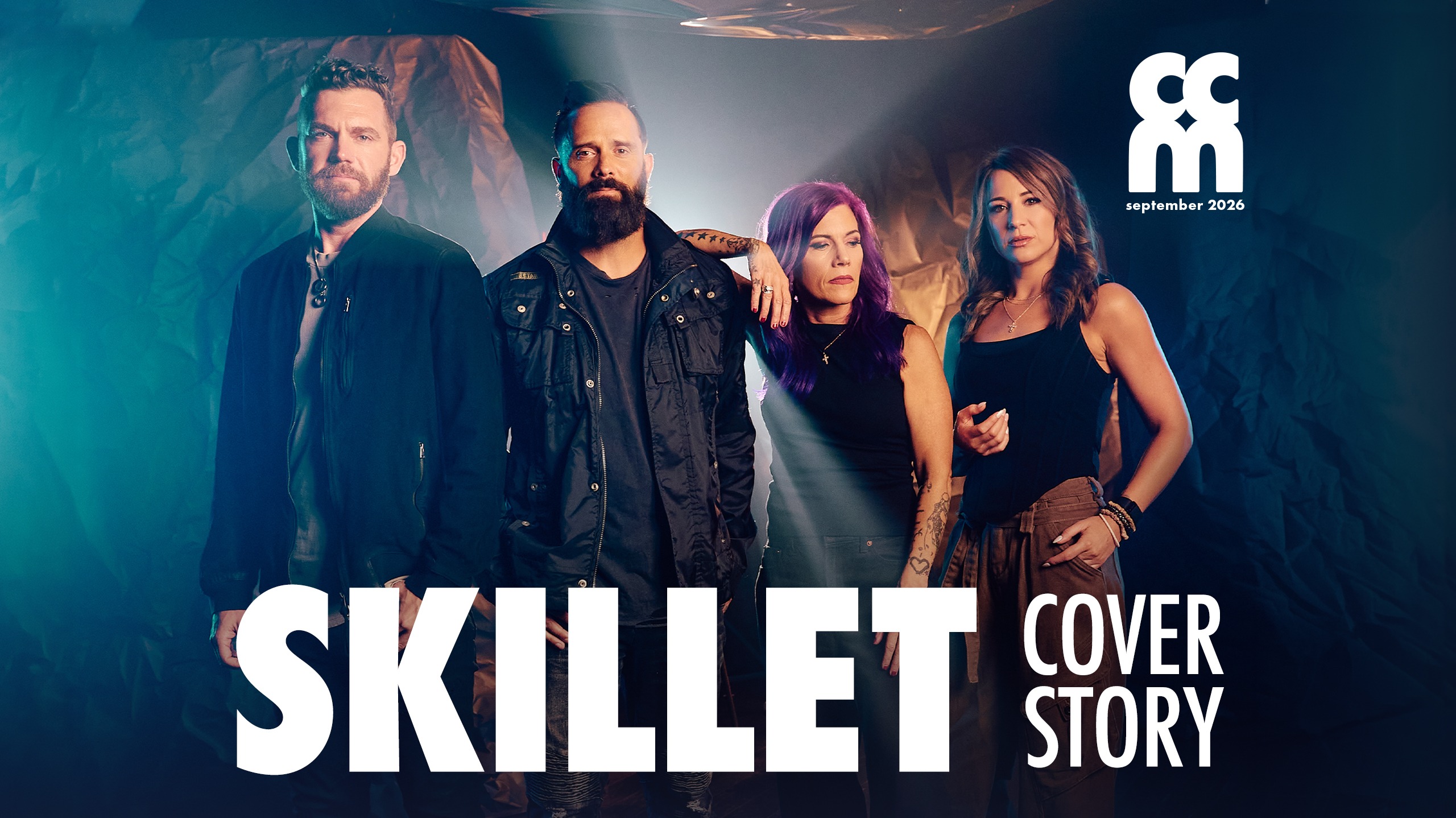
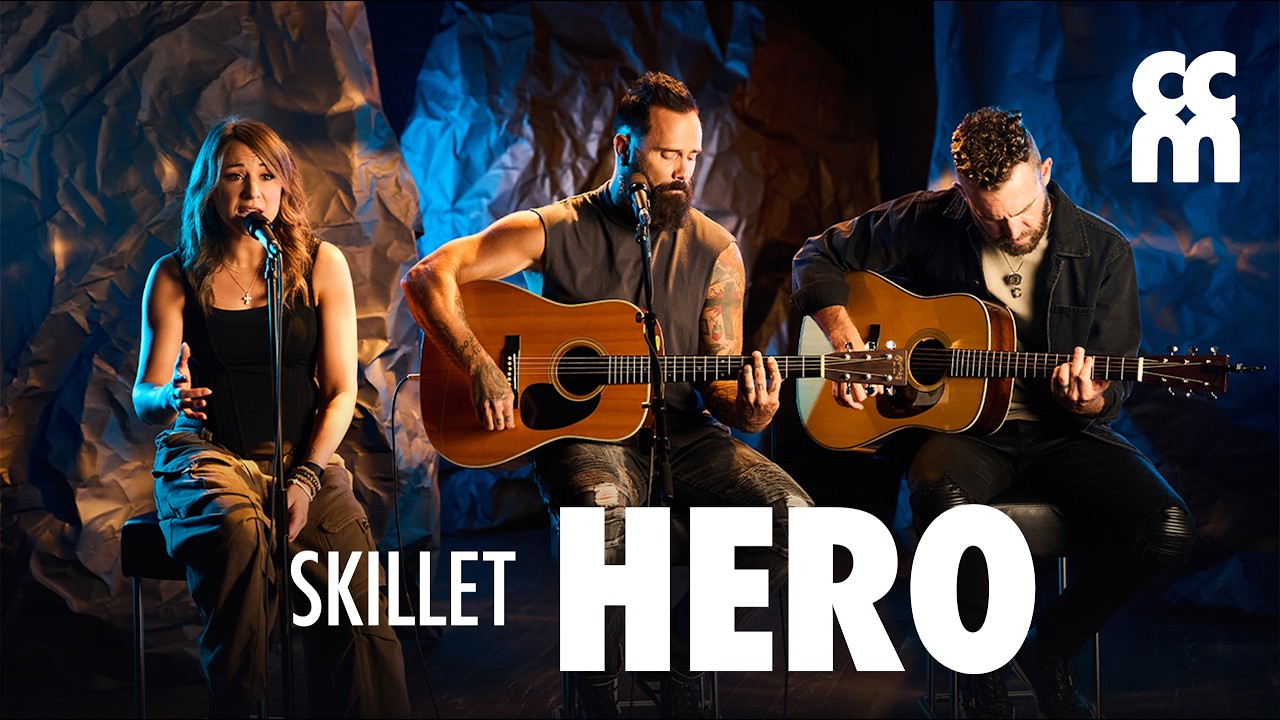
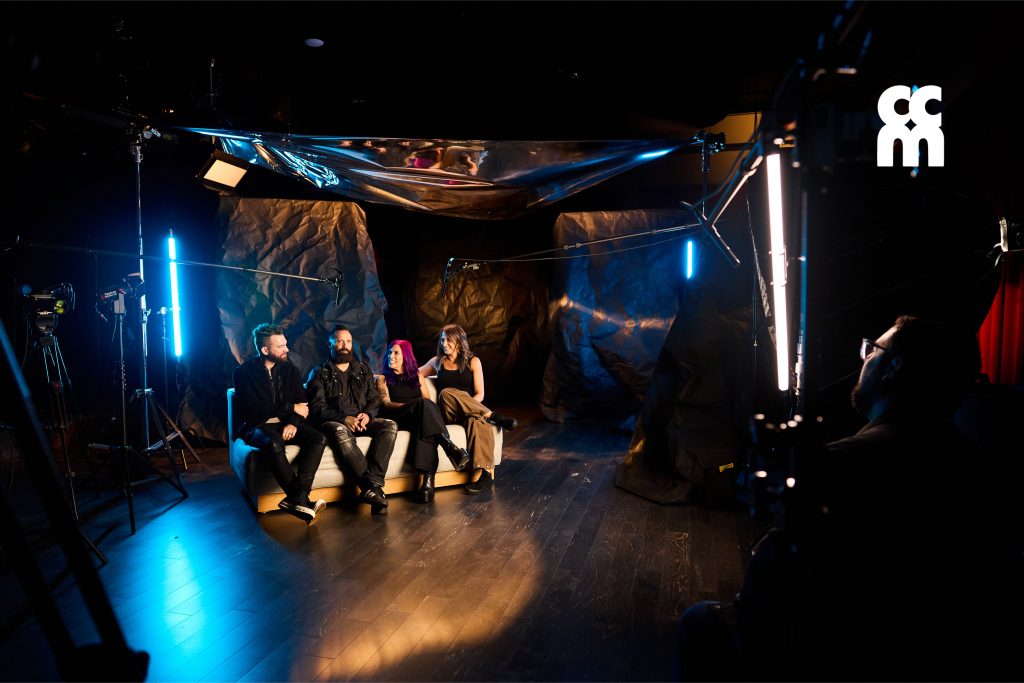
By standard metrics of the modern music industry, the rock band Skillet should not exist. Thirty-year trajectories in contemporary hard rock are statistical anomalies; bands that achieve them rarely maintain an upward commercial and cultural trajectory. Yet, three decades into their career, Skillet’s footprint remains ubiquitous. Their anthems blare across arenas during UFC and WWE broadcasts, while their streaming numbers defy industry norms—cemented most notably by "Monster," a track released over a decade into their tenure that has surpassed four billion global streams.
Today, Skillet’s audience represents a multi-generational demographic. It is not uncommon to see teenagers—born long after the release of their seminal 2006 record Comatose—screaming lyrics shoulder-to-shoulder with their parents and grandparents.
Yet, this endurance is accompanied by a profound sense of paradox. While celebrating 30 years as a band and the 20th anniversary of Comatose, the members of Skillet have arrived at this milestone carrying fresh, deeply personal wounds. Ironically, some of these scars were inflicted by the last place they expected: the church. These trials have culminated in After the Storm, a bruised, unflinchingly vulnerable EP that captures a seasoned band reckoning with institutional betrayal while refusing to abandon their faith. This report examines Skillet’s historical resilience, the internal mechanics of their longevity, and the profound theological and personal reckoning that defines their newest era of music.
Detailed Chronology: From Scraps to Stadiums
The Brink of Collapse and the Miracle of Comatose (2006)
To understand Skillet’s current resilience, one must look back to the crucible that forged Comatose. In 2006, the band was operating on the absolute margins of sustainability. Co-founders John and Korey Cooper were raising very young children on the road, with finances stretched so thin that stopping touring to record an album was economically impossible. The band’s routine involved driving to Chicago studios during the week to work on tracks, then packing up gear and playing weekend tour dates just to stay afloat. John was simultaneously handling merchandise sales, packing trailers, and learning to drive the tour bus.
Compounding the logistical nightmare, their record label, Lava Records, was effectively being dismantled. Nearly every act on the roster was dropped, and Skillet was expected to be next. However, an A&R representative who survived the restructuring fought to keep the band, issuing a final ultimatum: if the next record failed, the project was finished.
"I’ll be a youth minister," John recalled thinking. Faced with impending financial and professional ruin, they poured everything into Comatose. The gamble paid off, yielding enduring rock staples like "Rebirthing" and establishing a template for cinematic, string-infused hard rock that would define their commercial crossover.
Breaking into the Mainstream Without Compromise
As tracks like "Monster" began capturing mainstream rock radio, John Cooper faced an inevitable crossroad: how to address questions of faith in secular press markets. Rather than adopting the sanitized, ambiguous language common among crossover acts seeking to avoid alienating mainstream listeners, John chose radical transparency.
During an early mainstream interview where an interviewer hesitantly asked if the rumors of their Christianity were true, John did not flinch. "Oh, absolutely, we’re Christians," he responded. "Being a Christian is so much more important to me than being a rock star. I play music to express my love for God."
The interviewer was visibly stunned—an interaction John equates to "smacking the bully on the first day of school." Guitarist Seth Morrison, who has spent 16 years alongside the founders, notes that this unwavering authenticity commands respect, even from secular or atheist listeners. "People sense authenticity," Morrison observes. "They respect it because it’s real."
Supporting Context & Metrics: The Anatomy of Longevity
Skillet’s ongoing cultural relevance is supported by several unique operational and musical pillars:
The Production Engine (Korey Cooper): Frequently described by John as the "rudder" of the ship, Korey’s contributions have evolved alongside music technology. From handling early keyboards to modern programming and production, Korey co-produced half of the tracks on After the Storm.
Generational Continuity: Drummer Jen Ledger joined the band at age 18, navigating the intense demands of touring while watching Korey balance motherhood, homeschooling, and high-energy rock performances. This familial dynamic has created a sustainable internal culture that insulates the band against typical rock-and-roll attrition.
The "Happy Sads" Formula: Korey Cooper defines the band’s lyrical appeal as the "happy sads"—the coexistence of deep psychological pain and foundational hope. This formula has historically offered sanctuary to marginalized fans who "don’t feel seen in the world."
Official Statements: The Storm of Institutional Betrayal
While After the Storm marks a celebration of longevity, its creation was catalyzed by a period of profound personal grief. Unlike the abstract existential angst of their earlier records, the pain behind this new material stems from fresh betrayals within Christian leadership and church communities.
"Part of what we have been through are things I never thought I would see," John Cooper reflects. "Church leadership, people that I’ve known for 30 years that I thought we were on the same page, end up treating people extremely abusively."
Rather than hardening his stance against those who have questioned or deconstructed their faith, John’s experiences have granted him unprecedented empathy for skeptics and wounded believers:
"I think that gives a little bit of credibility to so many people we have seen completely deconstruct and leave the faith and say it’s the church’s fault. I wish they didn’t leave the faith… But their suffering more than likely was real. They probably saw something that was so gross that they never expected to see a pastor do that. And they went, well, this isn’t real, then maybe nothing is real."
This sentiment cuts to the core of the band’s new artistic direction. Summing up the weight of these recent years, John states bluntly: "My pagan friends wouldn’t do this to me."
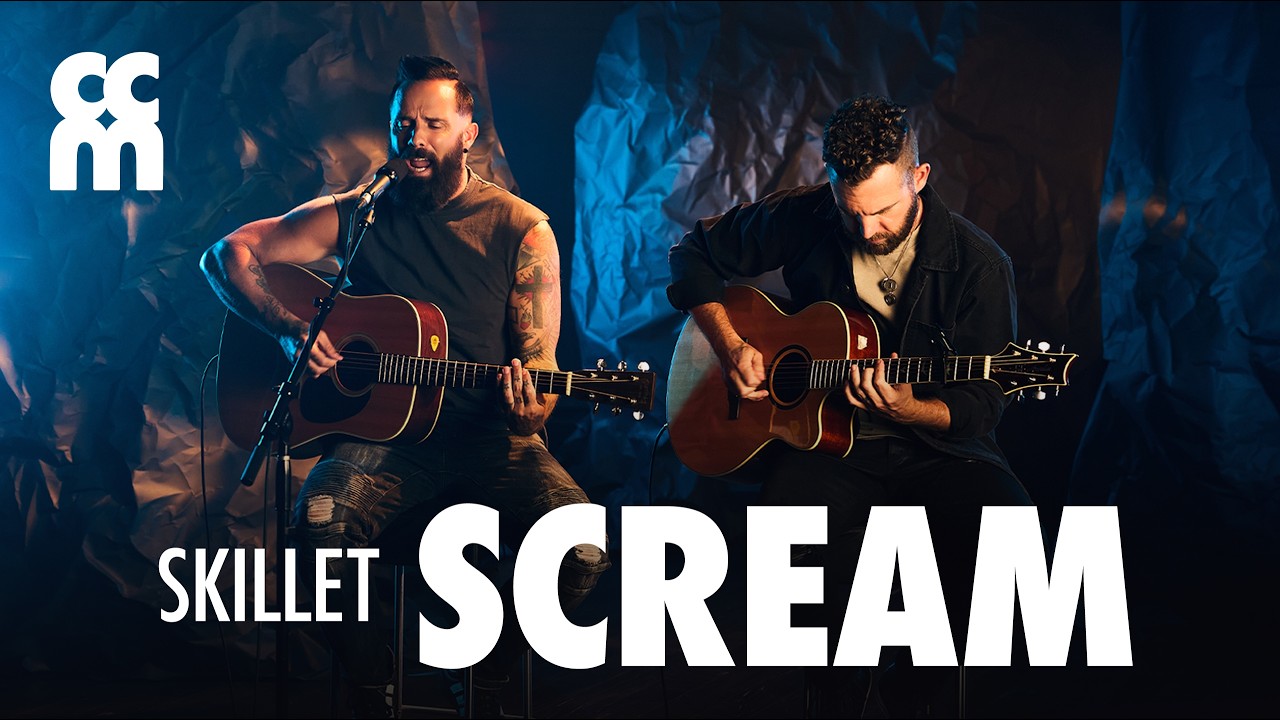
Despite this, the band refuses to embrace hopelessness. The lead single, "Scream"—produced by Korey Cooper—confronts the silent, isolating battles of depression, condemnation, and digital age alienation.
"It usually is a silent scream," John explains, describing the psychological landscape of the song. "People that feel that I have nothing left to live for."
Future Outlook
As Skillet looks past their 30-year milestone, After the Storm signals a maturation of their artistic and spiritual identity. The band is no longer interested in painting a picture of unblemished triumph; instead, they are carving out sonic space for believers and outsiders alike who are willing to admit, "I’m not okay. I know I will be okay, and I am reaching out to God saying, I need your help."
Korey Cooper summarizes this tension through the theological lens of the "already, not yet"—the reality that God’s kingdom is present while severe suffering remains an active part of the human experience. You can prosper in a literal lion’s den, she suggests, but you are still in the den.
For a band that has spent three decades defying the commercial gravity of the rock industry, Skillet’s enduring legacy is no longer just about survival. It is about the courage to keep moving forward after the storm has broken, armed with the realization that true faithfulness and deep pain can occupy the exact same room.