
Executive Overview
The modern creator economy has achieved staggering milestones across various digital media sectors, yet independent musicians often find themselves struggling to capture the same direct-to-consumer (D2C) financial success enjoyed by writers, podcasters, and visual creators. While platforms like Substack have successfully cultivated ecosystems where tens of thousands of independent writers and publications generate sustainable incomes from over five million cumulative paid subscriptions, and digital payment giants like PayPal’s Venmo process hundreds of billions of dollars in peer-to-peer transfers annually, the music industry has remained tethered to legacy streaming models that frequently fail to adequately compensate the vast majority of artists.
Enter Aria Music, an ambitious new startup seeking to bridge this digital monetization gap. By fusing community-building frameworks inspired by the subscriber-first publishing boom with frictionless, mobile-native financial tools modeled after mainstream peer-to-peer payment ecosystems, Aria Music is positioning itself as a vital economic engine for the next generation of musical talent.
This comprehensive analysis explores how Aria Music intends to leverage proven D2C strategies from the newsletter and independent publishing sectors, examines the macroeconomic conditions driving the shift toward artist-owned monetization models, and assesses whether this fusion of community and commerce can truly pay off for music creators in an increasingly saturated digital landscape.
Detailed Chronology: The Evolution of Direct-to-Consumer Creator Monetization
To understand the strategic positioning of Aria Music, it is essential to trace the evolution of the creator economy over the past decade—a timeline defined by a persistent structural divide between the literary/podcasting worlds and the recorded music industry.
Phase 1: The Subscription Paradigm Shift (2017–2020)
- The Rise of Substack: Launched in 2017, Substack pioneered a frictionless framework that allowed independent writers to bypass traditional media houses and build direct financial relationships with their audiences via recurring paid subscriptions.
- The Normalization of Micro-Paywalls: As audiences grew accustomed to paying small monthly or annual fees for specialized newsletters, the stigma of digital paywalls evaporated. Writers realized they did not need millions of passive impressions to make a living; they needed a dedicated "1,000 True Fans" model.
- The Music Industry Lag: Concurrently, the music industry became heavily dominated by subscription-based streaming services like Spotify and Apple Music. While these platforms provided vast catalogs to consumers, the "pro-rata" payment system meant that independent and mid-tier artists received fractions of a cent per stream, failing to replicate the high-margin, direct-to-creator economics seen in independent publishing.
Phase 2: The Integration of Social Commerce and Mobile Wallets (2020–2024)
- Fintech Convergence: During the COVID-19 pandemic, live performance revenue collapsed overnight, forcing musicians to experiment with digital tip jars, Patreon subscriptions, and livestream ticketing. Concurrently, platforms like Venmo, Cash App, and Shopify streamlined mobile-first checkout experiences, making consumers comfortable conducting micro-transactions directly with independent creators.
- The Creator Economy Bubble and Correction: Venture capital flooded the creator space, funding various Web3 music startups, NFT platforms, and decentralized autonomous organizations (DAOs). Many of these proved overly complex for everyday fans. The market began to crave simple, elegant, and familiar user experiences mirroring mainstream financial apps.
Phase 3: The Birth and Rise of Aria Music (2025–Present)
- Identifying the Synergy: Recognizing that music fans wanted deeper connections with artists—similar to how readers interact with Substack writers—founders of Aria Music conceptualized a hybrid platform.
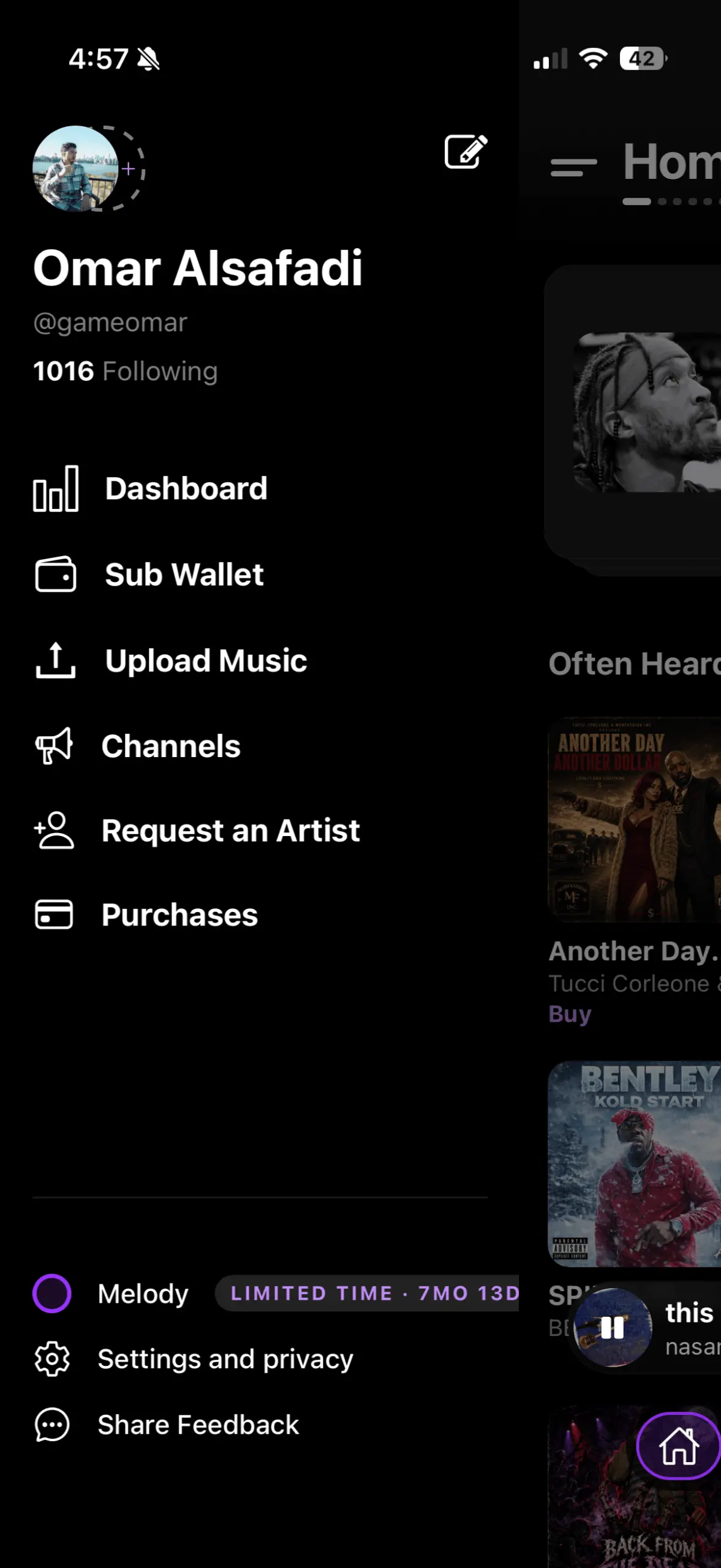
- Developing the Dual-Engine Platform: Aria Music set out to combine robust community-building features (such as exclusive updates, direct messaging, and community spaces) with embedded financial tools designed to ensure artists capture maximum revenue from their dedicated fanbases.
- Current Market Positioning: As the startup builds momentum, it enters a competitive arena where artists are actively seeking alternatives to algorithmic dependency and low streaming payouts.
Supporting Context & Metrics: The State of Independent Music and Creator Finances
The launch of Aria Music is underpinned by compelling industry statistics and shifting consumer behaviors that highlight a massive market opportunity in music D2C monetization.
The Streaming Revenue Disconnect
While global recorded music revenues continue to grow—largely driven by streaming—the distribution of wealth remains heavily skewed toward the top fraction of one percent of artists. According to various industry analyses:
- The vast majority of tracks on major streaming services fail to cross the threshold required to generate a living wage for their creators.
- Mid-tier artists (those with monthly listener counts ranging from 50,000 to 500,000) often find that streaming income alone cannot cover production, touring, and marketing costs.
- Fans are increasingly willing to pay directly for physical goods, digital experiences, and exclusive content, provided the purchasing friction is low.
Lessons from the Newsletter and Peer-to-Peer Economies
The success metrics of non-music creator platforms offer a clear blueprint for what Aria Music aims to achieve:
- Substack’s Scale: Over 5 million active paid subscriptions across thousands of individual publishers demonstrate that consumers will pay recurring fees for content they value deeply.
- Venmo and P2P Volume: Venmo’s processing volume, reaching hundreds of billions of dollars annually, proves that mobile users are entirely comfortable utilizing integrated digital wallets for peer-to-peer commerce and tipping.
- The D2C Multiplier: Creators who own their customer relationships (collecting first-party data such as email addresses and phone numbers) report significantly higher lifetime values (LTV) per fan compared to those reliant entirely on rented audience spaces like social media algorithms.
Official Statements and Industry Perspectives
Although still expanding its footprint within the music tech landscape, Aria Music’s strategic thesis has drawn considerable attention from analysts and industry observers tracking the intersection of music and fintech.

Industry analysts specializing in the digital music economy have noted a distinct fatigue among artists regarding traditional label deals and algorithmic lottery tickets. As one digital music strategist observed:
"The future of independent music does not lie in trying to optimize a broken pro-rata streaming model. It lies in vertical integration—giving artists the tools to act as their own media companies, direct-to-consumer storefronts, and community leaders all in one place."
Furthermore, early advocates for creator-first platforms emphasize that financial infrastructure is just as important as artistic output. By integrating payment rails that function with the speed and familiarity of modern mobile banking, platforms like Aria Music aim to remove the administrative friction that traditionally deters artists from managing their own merchandising, subscriptions, and direct fan engagement.
Future Outlook: Can Aria Music Reshape the Artist-Fan Relationship?
As we look toward the future of the creator economy, the success of platforms like Aria Music will depend on their ability to solve several enduring challenges within the music industry:
1. Overcoming Consumer Subscription Fatigue
With consumers subscribing to multiple video streaming services, music platforms, cloud storage providers, and news outlets, "subscription fatigue" is a real threat. Aria Music must prove that its platform offers enough exclusive utility—such as unreleased tracks, direct artist interaction, behind-the-scenes content, and tangible merchandise access—to justify recurring fan spend.
2. Streamlining the Onboarding Process for Artists
Musicians are notoriously resistant to complex administrative dashboards. For Aria Music to achieve mainstream adoption among independent talent, the platform must maintain an exceptionally intuitive user interface where setting up a paid community or a direct payment channel takes minutes rather than hours.
3. Redefining Success in the Independent Sector
The ultimate measure of Aria Music’s impact will not be how many total users sign up, but rather the number of independent artists who are able to quit their day jobs, fund their tours, and record new albums purely off the revenue generated through direct fan relationships.
If Aria Music can successfully marry the recurring subscription reliability of Substack with the frictionless financial utility of modern mobile payments, it may well pioneer a new economic standard for the music industry—one where artists finally capture the true economic value of their creative communities.