
Executive Overview
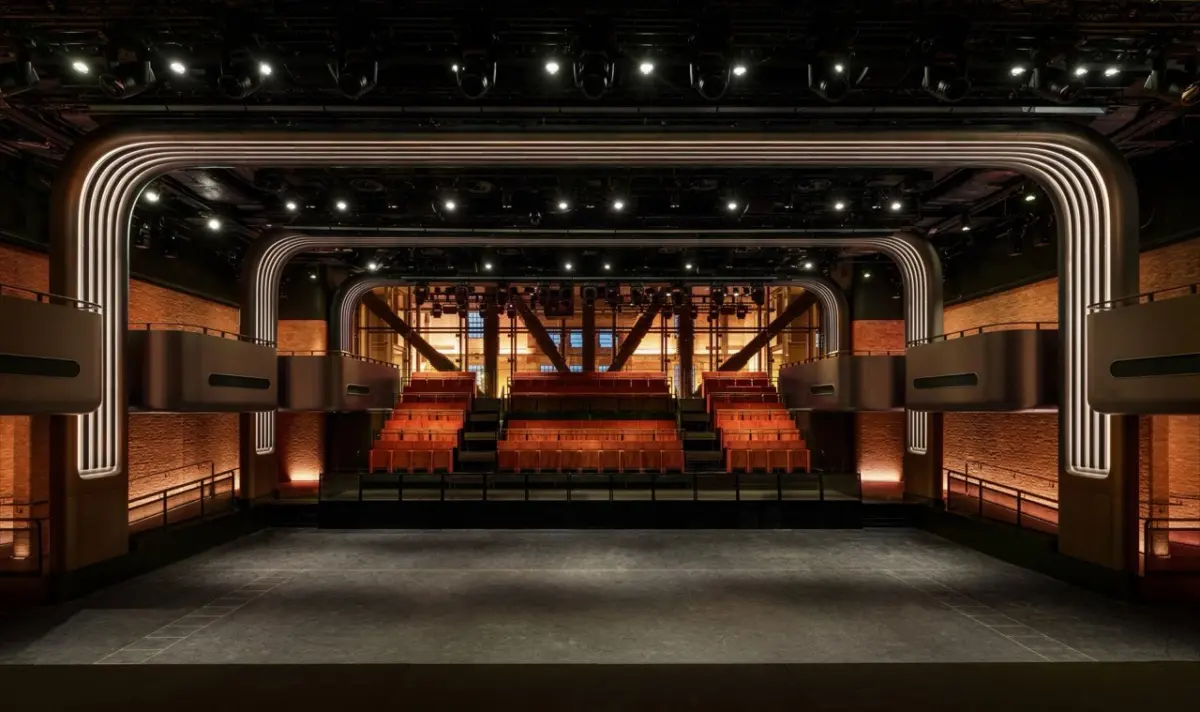
In a bold move that blurs the lines between tech giant infrastructure and elite live entertainment, Apple has officially unveiled its brand-new, purpose-built live performance space: Apple Music Hall. Tucked away inside the company’s sprawling London headquarters, this intimate 600-capacity venue is engineered from the ground up to merge the energy of a boutique club gig with world-class, broadcast-ready production values.
To mark its grand opening on Monday, 28 September, none other than music royalty Elton John will take the stage as the inaugural headliner. Far from a corporate showcase or an invite-only affair for industry elites, the launch kicks off an ambitious, star-studded concert series running through 2 December. Featuring heavy-hitting acts who have long outgrown venues of this scale—including Charli XCX, Burna Boy, Chase & Status, Arlo Parks, Troye Sivan, Skye Newman, and Baby Keem—the series promises an unprecedented up-close experience for everyday fans.
With tickets priced at an accessible £40, distributed via ticketing partner Dice, and heavy integration with Apple’s global ecosystem for live streaming and recording, Apple Music Hall is not merely a venue. It is a strategic cultural hub designed to redefine how live music is experienced, captured, and beamed to audiences worldwide.
Detailed Chronology: From Secret Build to Grand Opening
The journey toward the launch of Apple Music Hall has been one of the music industry’s best-kept secrets, orchestrated quietly behind the scenes of Apple’s London campus.
The Genesis of a Secret Venue
Rumours began swirling across the British capital earlier in September 2026 when industry insiders caught wind of major architectural and acoustic renovations taking place within Apple’s London headquarters. Designed as a state-of-the-art performance space, the hall was constructed with a singular vision: to create an ultra-intimate room capable of housing just 600 people while boasting the technical infrastructure of a multi-million-dollar broadcast facility.
Unlike traditional gig spaces patched together with temporary staging and rented audio rigs, Apple Music Hall is natively hardwired for high-definition cameras, professional on-site recording equipment, and advanced mixing studios. Every architectural detail was deliberated to ensure that the room performs as impeccably for the camera lens and recording console as it does for the physical audience in the room.
The Inaugural Announcement & Opening Night
The veil of secrecy was lifted with the official announcement of the venue’s inaugural concert series. Elton John—whose relationship with the tech giant dates back to the very launch of Apple Music Radio in 2015—was named as the opening-night headliner.
Tickets for Elton John’s historic 28 September opening performance go on sale via Dice at 9:00 AM on Monday, 28 September, priced at a modest £40 with a strict limit of two tickets per buyer. This accessible pricing model is also extended to select shows in the series, including concerts by Baby Keem and Skye Newman, democratizing access to performances by global icons who typically command arena and stadium-sized crowds.

The Autumn/Winter 2026 Concert Series
Following Elton John’s opening night, the Apple Music Hall calendar packs an impressive roster of contemporary talent. Running through 2 December, the venue will host:
- Charli XCX
- Burna Boy
- Chase & Status
- Arlo Parks
- Troye Sivan
- Skye Newman
- Baby Keem
Promotional materials accompanying the lineup reveal that the entire series will be "streaming everywhere," positioning the venue as a content-generation engine for Apple’s digital platforms.
Supporting Context & Metrics: Strategic Partnerships & Ecosystem Integration
Apple’s venture into physical venue management is underpinned by deep-rooted industry relationships and technological synergy. Rather than reinventing the wheel, the company has partnered with established players who share its ethos for user experience and innovation.
Ticketing with Dice and Live Promotion via Communion One
For ticketing, Apple has tapped Dice, the mobile-first ticketing platform renowned for its anti-scalping technology and sleek user interface. This partnership is built on a decade-long foundation: Dice was an early adopter of Apple Pay when the technology launched in the UK in 2015 and later became an official playlist curator on Apple Music in 2016.
On the booking and promotion side, Apple has enlisted independent promoter Communion One to curate and support live events at the hall. This collaboration ensures that the venue retains cultural credibility, blending corporate backing with grassroots independent music sensibilities.
The Elton John Connection
Elton John’s selection as the opening act is a deliberate nod to a long-standing creative alliance. As one of the original launch DJs for Apple Music Radio in 2015, John has maintained a continuous presence on the platform through his celebrated Rocket Hour show, which marked its monumental tenth-anniversary milestone last year. Bringing him to the stage of Apple Music Hall cements a decade of mutual partnership between the Rocket Man and the Cupertino-headquartered tech titan.
Technical Specifications & Broadcasting Capabilities
While the physical venue accommodates a mere 600 attendees, its digital footprint is designed to be limitless. The hall features:
- Native Multi-Camera Hardwiring: Seamlessly integrated video feeds designed to capture live performances without intrusive camera crews blocking audience views.
- Integrated Recording & Mixing Studios: On-site audio facilities capable of producing master-quality live albums and spatial audio mixes in real-time.
- Global Streaming Infrastructure: Promoters have confirmed that the concerts will be beamed out to global audiences, though exact access mechanics—such as whether streams will be housed behind an Apple Music or Apple TV+ paywall—remain unconfirmed by Apple representatives.
Official Statements & Industry Reactions
The announcement has sent shockwaves through the live entertainment and music streaming sectors, prompting varied reactions from industry analysts, artists, and promoters alike.

Industry commentators have praised Apple for creating a physical space that bridges the gap between exclusive VIP showcases and massive, disconnected stadium shows. By restricting capacity to 600 while utilizing a platform like Dice to manage fair-access ticketing, Apple has neutralized the predatory scalping market that typically plagues high-profile gigs.
While official statements from Apple executives have remained tightly managed—focusing primarily on the artistic caliber of the lineup and the technical prowess of the venue—partners have expressed immense enthusiasm. Representatives from Communion One have noted that the hall provides a "unique sandbox" for artists to test new material, film high-fidelity visual content, and connect with fans in an environment free from the sterility of traditional soundstages.
Furthermore, independent music advocates have welcomed the inclusion of diverse, cutting-edge acts like Arlo Parks, Burna Boy, and Charli XCX alongside legacy icons like Elton John, proving that Apple Music Hall aims to be a dynamic cultural barometer rather than a static corporate showcase venue.
Future Outlook: What Apple Music Hall Means for the Live Music Landscape
As the doors to Apple Music Hall swing open on 28 September 2026, the broader music industry is watching closely to see what this means for the future of hybrid live-digital entertainment.
A New Paradigm for Artist Promotion
For artists, playing Apple Music Hall offers a multi-pronged promotional vehicle: a rare, highly intimate live show for die-hard fans, an immediate injection of high-definition visual content for social media and music videos, and a global broadcast event that can reach millions of subscribers simultaneously. In an era where touring costs are skyrocketing and profit margins for mid-sized artists are razor-thin, the ability to generate high-value digital content from an intimate live performance represents a major commercial advantage.
Potential Global Expansion
While Apple has not yet announced plans to replicate the Apple Music Hall concept in other global cultural capitals like New York, Los Angeles, or Tokyo, the success of the London pilot will undoubtedly serve as a proving ground. If the venue successfully marries physical exclusivity with digital ubiquity, it could establish a new corporate blueprint for how tech companies interact with the live entertainment ecosystem.
Unanswered Questions
As opening night approaches, music fans and tech analysts alike await clarification on key operational details:
- Streaming Access: Will the global streams be free to all Apple Music subscribers, or will they require tiered access via Apple TV+?
- Future Scheduling: Beyond the initial autumn/winter run ending on 2 December, what will the permanent programming schedule look like? Will the venue open its doors to emerging, unsigned talent, or will it remain reserved for superstar tier acts?
- Industry Access: How many tickets across the 600-capacity room are genuinely allocated to the public via Dice versus being swallowed by label executives and corporate partners?
Regardless of these lingering questions, one thing is certain: Monday nights in London will never be the same again. Apple Music Hall has officially arrived, and it is ready to rock-it, man.