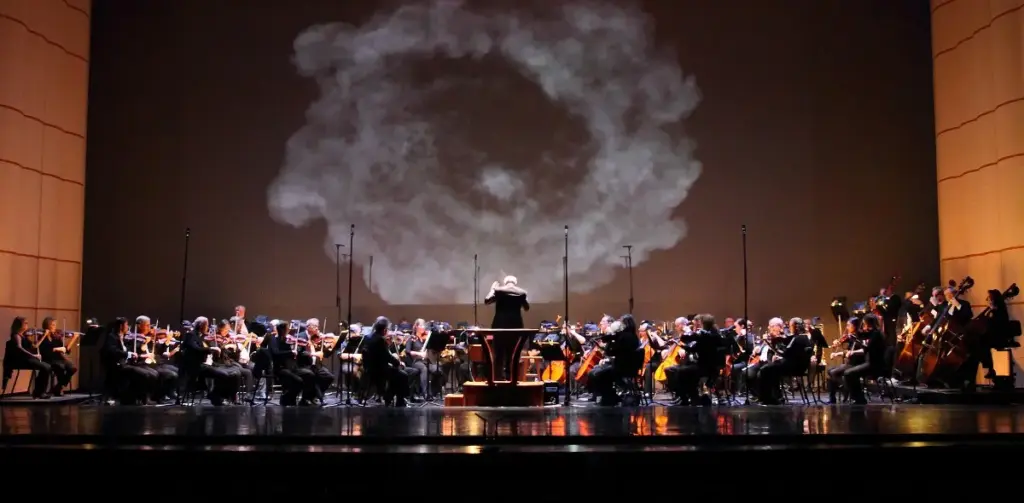
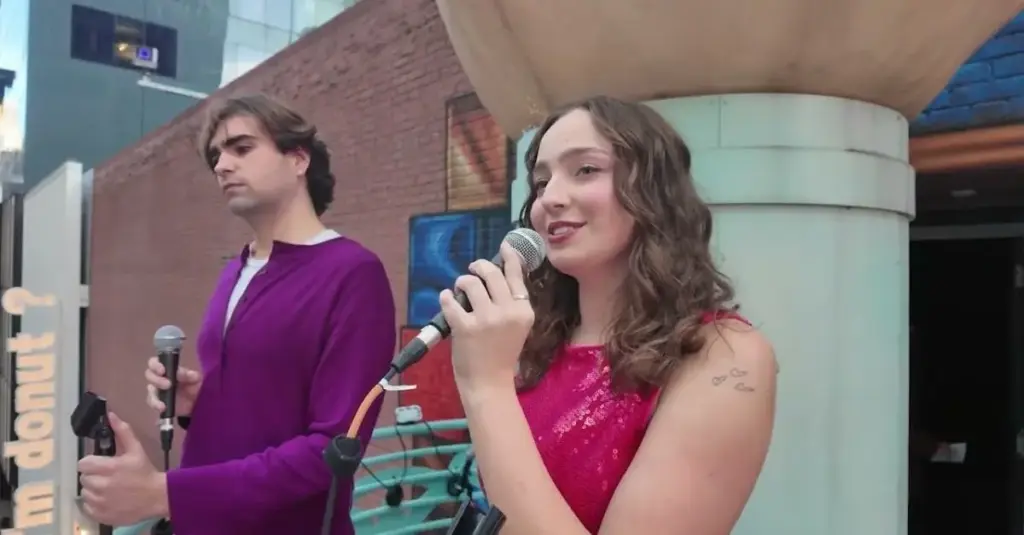
In the storied halls of London’s Abbey Road Studios—a sanctuary forever etched into the bedrock of modern music history—creativity once again transcended the boundaries of audio to celebrate the visual medium that preserves it. Last night, Studios One and Two echoed not with tracking sessions or string arrangements, but with the celebratory applause of the global creative community for the fifth annual Music Photography Awards (MPAs). Hosted by broadcaster Lauren Laverne and featuring live performances by Kuleeangee and Tom A. Smith, the evening served as a profound reminder that music is as much a visual experience as it is an auditory one.
Now in its fifth year, the MPAs have rapidly evolved from a niche industry event into a premier global benchmark for music photojournalism and fine art. This year’s competition drew an astonishing 24,500 submissions from photographers across 42 countries. Competing across seven open categories alongside a special guest category commemorating 50 Years of Punk, these artists captured the ephemeral, high-octane energy of live performance, the intimate quiet of backstage rituals, and the raw cultural movements pulsing through underground scenes worldwide.
The pinnacle of the evening was marked by heavyweights of the medium and music royalty alike. Oasis dominated headlines with dual wins, including the coveted public-voted Music Moment of the Year, while punk pioneer Roberta Bayley and David Bowie collaborator Masayoshi Sukita were honored with career-defining accolades. Abbey Road’s Managing Director, Sally Davies, captured the ethos of the evening during her address, noting that the finest music photography "does so much more than document a moment; it captures something of the artist, the audience, and the time we’re living in."
Detailed Chronology & Category Breakdown
The evening’s awards ceremony unfolded as a breathtaking tour across the globe, tracing lenses from massive stadium reunions in South America to secret raves in Brooklyn and war-torn Ukraine.
The Public Choice and Oasis’s Triumph
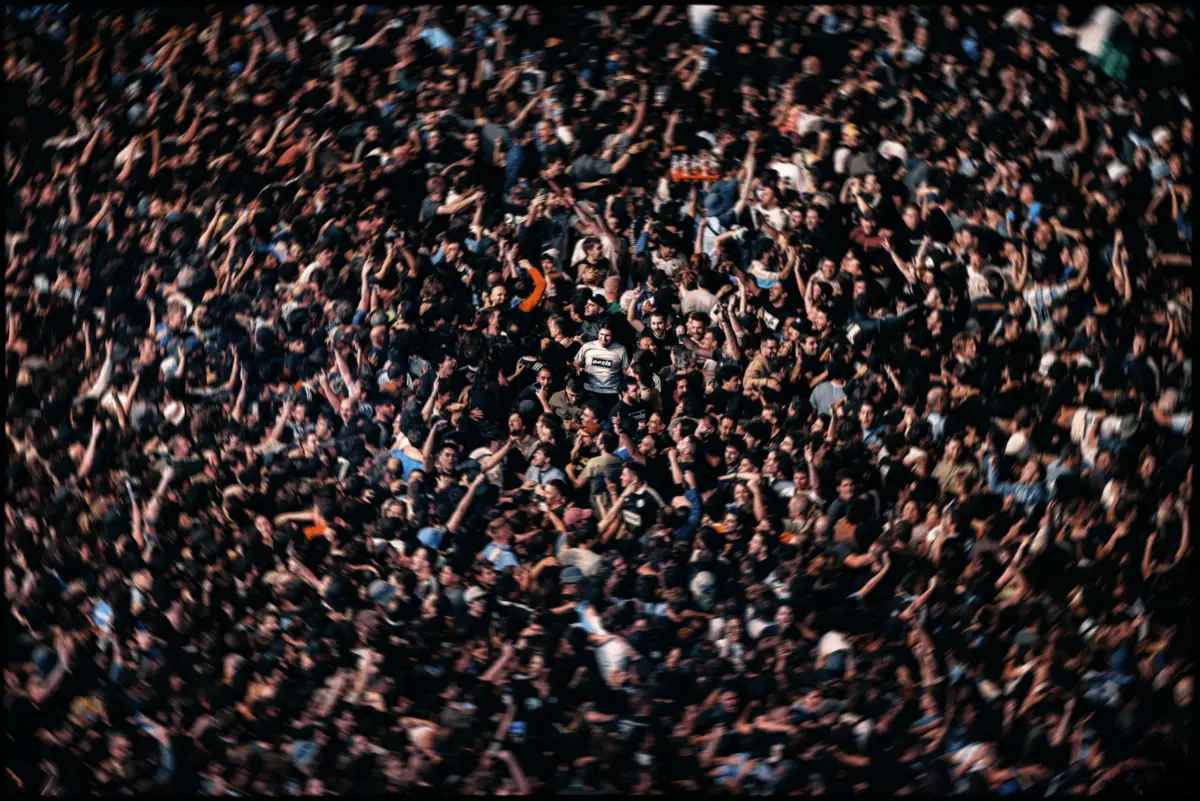
The crown jewel of the evening—and the sole category decided entirely by a global public vote—was the Music Moment of the Year. The honor went to Joshua Halling for his transcendent image capturing Oasis during their monumental 2025 Buenos Aires show. The atmosphere in Argentina had been nothing short of electric, prompting Noel Gallagher to famously declare the night as "one of those gigs that none of us will ever forget." Halling’s winning frame encapsulated that exact lightning-in-a-bottle energy. Fittingly, the award was presented by legendary photographer Jill Furmanovsky, who has documented the Gallagher brothers and the broader Britpop movement through her lens since 1994.
Oasis’s visual dominance continued into the juried selections, securing the Judges’ Choice award as well. This accolade went to Angus Jenner for a breathtaking photograph taken on the explosive opening night of the band’s historic reunion tour, proving that the visual legacy of the Manchester icons is as potent today as it was at their 1990s peak.
Live Music, Festivals, and the Raw Energy of Performance
In the Live Music category, Tom Pallant cemented his status as a master of the stage by claiming the prize for the third time in his career. His winning photograph captured Yungblud and bassist Silke Blansjaar performing amid a thick shroud of atmospheric fog in Luxembourg. Though unable to attend the ceremony, Yungblud beamed in via a video message, paying high tribute to the photographer: "Tom is the best there is at the minute."
Festival culture found its visual voice through Giulia Spadafora, who won the Festivals category with a mesmerizing shot taken at Glastonbury’s iconic Stone Circle as the gates opened to welcome the masses. The image drew high praise from the judging panel, with pop powerhouse RAYE—serving as a guest judge—singling out the photograph with high admiration, admitting, "It made me want to be the girl on the rock."
Behind the Scenes, Portraits, and Underground Movements
Moving away from the blinding glare of festival stage lights, the category winners captured the quieter, grittier, and more subversive sides of global music culture:
Behind the Scenes: Gabrielle Ravet took home the prize for an emotive, atmospheric photograph documenting My Chemical Romance fans gathered outside a venue in Seattle, highlighting the fierce, unwavering devotion of the band’s fanbase.
Portrait: Frances Carter captured the Portrait category win with a striking, ethereal image of folk artist Billie Marten on horseback against the sweeping, cinematic landscapes of New Zealand.
Underground Scenes: AF Cortés claimed victory with a visceral, high-tension shot captured during a secret, guerrilla-style KARTEL show staged directly on disused railway tracks in Brooklyn, New York.
Emerging Photographer of the Year: Dara Petrova was awarded this prestigious title for a hauntingly powerful photograph taken inside the Laboratorium techno rave in Ukraine, showcasing the resilience of youth culture and electronic music amidst geopolitical turmoil.
Honoring the Legends: ICON, Lifetime Achievement, and 50 Years of Punk
While contemporary photographers pushed the boundaries of their craft, the MPAs also paid profound homage to the pioneers who built the visual vocabulary of modern rock and roll.
The 2025 ICON Award was bestowed upon Roberta Bayley. As a central figure of the legendary CBGB era, Bayley’s iconic photographs of Blondie, the Ramones, and Iggy Pop served as the visual blueprint for the birth of New York punk. Unable to travel to London, Bayley delivered an acceptance speech via video from New York City, maintaining a humble perspective on her monumental impact: "I think of myself as just a lowly punk rock photographer, so to get an ICON Award is really special." Master portraitist Platon proudly accepted the trophy on her behalf.
The evening’s highest honor, the Lifetime Achievement Award, was presented to Japanese photography legend Masayoshi Sukita. Honoring a staggering 44-year creative collaboration with David Bowie—which notably produced the iconic cover art for Bowie’s masterwork Heroes—the award was presented to the room by disco-funk pioneer Nile Rodgers. Sukita sent a heartfelt video message from Japan, reaffirming his lifelong dedication to the craft: "I will keep photographing as ever."
Finally, reflecting the event’s special guest category marking 50 Years of Punk, Wayne Large took home the win for a remarkable, dust-soaked 1979 archival photograph capturing members of various underground punk bands gathered in Leicester’s Castle Gardens Park.
Supporting Context & Metrics
To understand the cultural weight of the Music Photography Awards, one must examine the staggering scale of the competition and the institutional backing that anchors it.
By the Numbers
24,500+: The total number of global entries submitted for the 2025 competition, marking a record high in engagement and demonstrating the explosive growth of music photography as a respected fine-art discipline.
42: The number of countries represented by this year’s pool of entrants, proving the truly borderless nature of music culture.
5: Years since the inception of the MPAs, establishing the event as the definitive global platform for music shutterbugs.
7 + 1: The competitive structure, comprising seven core open categories alongside a special, timely guest category celebrating half a century of punk subculture.
Artistic Craftsmanship and Trophies
The physical trophies handed out to the winners were as conceptual and avant-garde as the winning images themselves. Designed by renowned artist and longtime Cure collaborator Andy Vella, this year’s awards were constructed using a unique "daylighting" process. Crafted from extended exposures and time-lapse negatives, the trophies physically mirror the technical alchemy of photography—turning time, light, and chemical reaction into solid form.
Official Statements and Industry Insights
The intersection of music business leadership and artistic vision was a dominant theme throughout the night. Leaders from Abbey Road Studios and the broader creative community emphasized the essential role that photographers play in keeping music history alive.
Sally Davies, Managing Director of Abbey Road Studios, elaborated on the institutional commitment to supporting visual artists:
"The greatest music photography does so much more than document a moment; it captures something of the artist, the audience, and the time we’re living in. At Abbey Road, we have always been at the epicenter of where music history is made. Through these awards, we ensure that the people who capture those historic seconds on film or digital sensor receive the reverence and celebration they so deeply deserve."
The sentiment was echoed by the judges and presenters alike, many of whom noted that in an era dominated by instantaneous, disposable smartphone content, professional music photography requires a rare blend of technical mastery, physical endurance, and deep empathy for the emotional state of the musician.
Future Outlook and Residencies
Beyond handing out trophies, the Music Photography Awards serve as a springboard for career development, fostering the next generation of visual storytellers through coveted global residencies.
During the ceremony, Abbey Road Studios made major announcements regarding its future talent pipeline:
Photographer in Residence: Ethan Parker was officially named Abbey Road’s new Resident Photographer, granting him exclusive access to document the legendary studio’s day-to-day magic, legendary recording sessions, and visiting artists over the coming year.
International Photography Residency: New York-based documentary photographer Destiny Mata was named the recipient of the prestigious Tokyo Music Photography Residency. Run in partnership with the Auckland Festival of Photography and the T3 International Photo Festival, this international exchange program will dispatch Mata to Japan to immerse herself in Tokyo’s legendary underground music and subculture scenes.
As the curtains closed on Studios One and Two, the overarching takeaway of the evening was clear: while sounds fade out and tour buses move on to the next city, it is the photographer who freezes lightning in a bottle. As long as artists take to the stage and crowds gather in the dark, the Music Photography Awards will remain the definitive institutional lighthouse guiding the visual preservation of sound.