
By Francisco Salazar
Published in collaboration with classical music and opera news desks.
Executive Overview
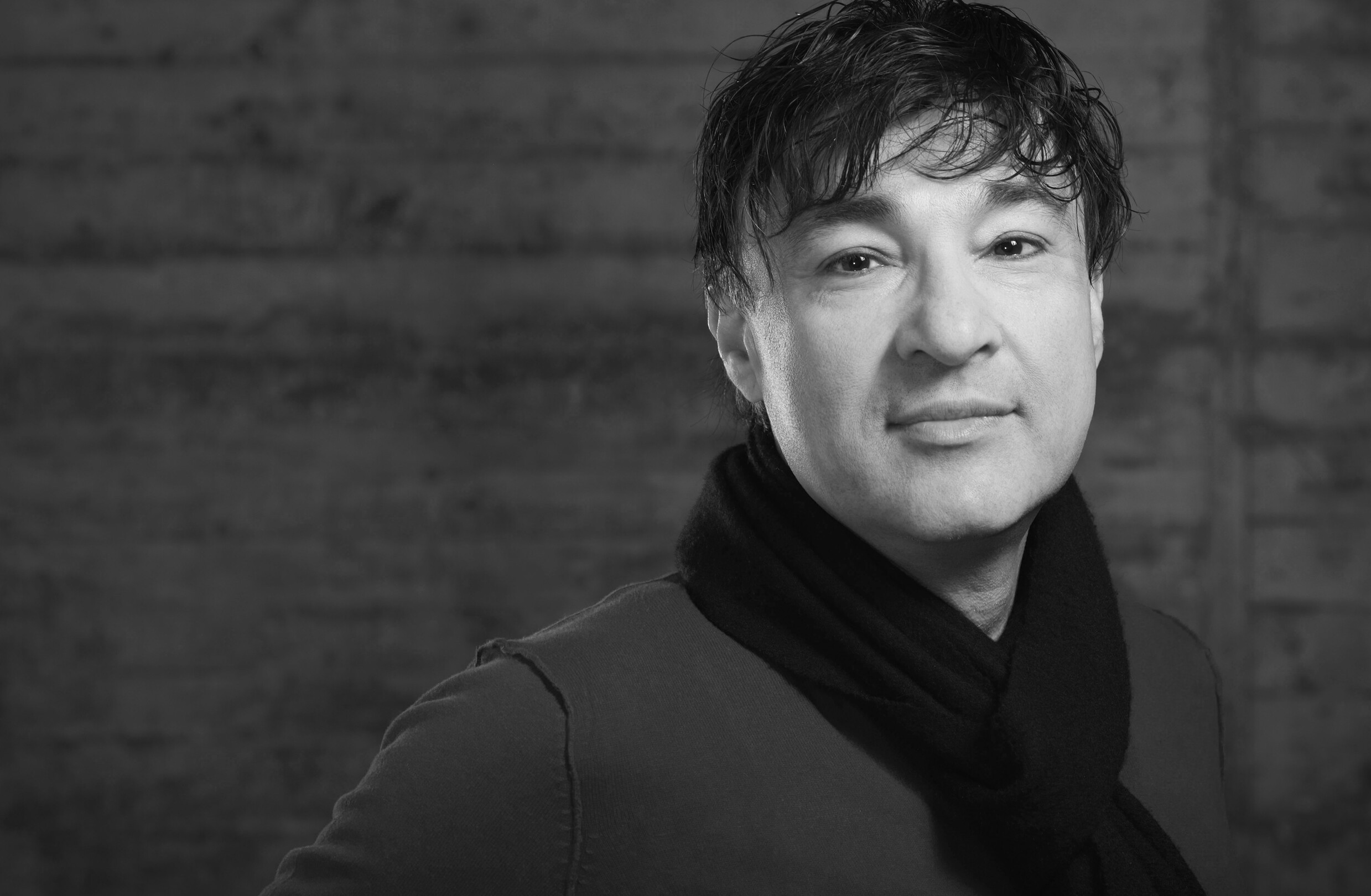
The international opera community is in mourning following the passing of Motti Kastón, the celebrated Israeli-born lyric baritone whose resonant voice, dramatic versatility, and magnetic stage presence graced the world’s most prestigious opera houses for more than three decades. Kastón died on September 30, at the age of 64, leaving behind a profound artistic footprint that spanned from the historic stages of the Metropolitan Opera in New York to the grand halls of the Stuttgart State Opera, where he anchored the soloist ensemble for decades.
Kastón was much more than a gifted vocalist; he was an artistic pillar, a consummate colleague, and a beloved figure among the global fraternity of opera singers. Revered for his nuanced interpretations of the Italian and German repertoires—ranging from the nimble buffo style of Rossini to the soaring, tragic lines of Verdi and Puccini—he embodied the archetype of the complete singing actor. His journey from a promising young talent in Tel Aviv to the upper echelons of European and American opera serves as an inspiring testament to dedication, technical mastery, and an unyielding passion for lyric theater.
This retrospective explores Kastón’s extraordinary life, tracing his formative years in Israel, his rapid ascent through the rigorous training programs of the Metropolitan Opera, his major international triumphs, and his enduring legacy as a Württembergischer Kammersänger. Through archival records, critical analysis, and tributes from those who shared the stage with him, we examine the artistic identity of a man whose voice was matched only by the warmth and humor of his spirit.
Detailed Chronology: From Tel Aviv to International Acclaim
Early Life and Formative Years (1961–1988)
Born in Tel Aviv in 1961, Mordechai "Motti" Kastón displayed an early and acute affinity for music. Growing up in a culturally vibrant environment, his foundational musical education took root in Israel before he set his sights on the global epicenters of classical performance.
Recognizing his immense raw potential, Kastón sought out the most rigorous professional development avenues available to young artists. His big break came when he was accepted into the prestigious Lindemann Young Artist Development Program (then known as the young artist training program) at the Metropolitan Opera in New York. Under the guidance of some of the industry’s finest coaches and vocal pedagogues, Kastón honed his baritone instrument, cultivating the warm timbre, pristine diction, and stylistic agility that would become his trademark.
The Metropolitan Opera Debut and U.S. Breakthrough (1989–1990)
In 1989, Kastón achieved a milestone that many artists spend a lifetime working toward: he made his official debut at the Metropolitan Opera. Stepping onto the legendary stage in Gioachino Rossini’s masterwork Il barbiere di Siviglia (The Barber of Seville), Kastón captivated New York audiences with his sparkling vocal agility, impeccable comedic timing, and effortless stage presence.
Building on the momentum of his Met debut, Kastón entered and won the prestigious Pavarotti Competition in Philadelphia, Pennsylvania—an accolade that further cemented his status as one of the most promising young baritones of his generation. The competition, spearheaded by legendary tenor Luciano Pavarotti, served as a global launchpad, introducing Kastón to prominent opera administrators, conductors, and casting directors from across North America and Europe.
The Stuttgart Era and the Designation of Kammersänger (1991–2025)
While international guest engagements would continually call him across the globe, Kastón found his artistic home in Germany. In 1991, he joined the soloist ensemble of the Stuttgart State Opera (Staatsoper Stuttgart). This appointment marked the beginning of a legendary, decades-long relationship with the institution and its audiences.
Over the years, Stuttgart became the canvas upon which Kastón painted his most enduring vocal and dramatic portraits. He transitioned seamlessly across centuries of operatic composition, mastering the early baroque style of Monteverdi, the sparkling bel canto of Rossini, the sweeping romanticism of Verdi, and the stark modernism of 20th-century works.
In recognition of his extraordinary contributions to the house, his artistic excellence, and his deep connection to the cultural fabric of the region, the government of Baden-Württemberg and the Stuttgart State Opera bestowed upon him the honorary title of Württembergischer Kammersänger in 2006. This esteemed designation placed him among the historic elite of German theater history, solidifying his status as a treasured cultural ambassador.
Supporting Context & Metrics: Repertoire, Roles, and Global Footprint
Motti Kastón’s career cannot be measured solely by his tenure in Stuttgart; his performance passport included critical stops at the world’s most elite opera houses. His artistic versatility allowed him to conquer a remarkably diverse repertoire, navigating the linguistic and stylistic demands of Italian, French, and German masterworks with equal aplomb.
Signature Roles and Global Appearances
- The Metropolitan Opera (New York): Beyond his historic debut, Kastón returned to the Met throughout his career to perform major canonical roles. Notably, he brought his deeply internalized interpretation of Wolfram von Eschenbach in Richard Wagner’s Tannhäuser and the bohemian painter Marcello in Giacomo Puccini’s La Bohème to the New York stage, winning over both critics and subscribers.
- Semperoper Dresden: Kastón maintained a strong presence in Germany outside of Stuttgart, notably gracing the stage of the Dresden Semperoper in signature roles such as Marcello (La Bohème).
- Houston Grand Opera: In the United States, his performances resonated far beyond New York. Notably, he traveled to Texas to portray the brooding and vengeful Enrico Ashton in Gaetano Donizetti’s bel canto tragedy Lucia di Lammermoor with the Houston Grand Opera.
- Opéra National de Montpellier: Expanding his stylistic breadth into early opera, Kastón tackled the notoriously demanding title role in Claudio Monteverdi’s foundational masterwork L’Orfeo in Montpellier, France, showcasing the refined breath support and declamatory clarity required for early baroque music.
- Oper Frankfurt: His affinity for Rossini’s sparkling writing brought him to Frankfurt, where he reprised his definitive take on Figaro in Il barbiere di Siviglia.
The Comprehensive Stuttgart Repertoire
Within the walls of the Stuttgart State Opera, Kastón’s repertoire read like a masterclass in baritone artistry. His definitive roles in Stuttgart included:
- Claudio Monteverdi: Ottone in L’incoronazione di Poppea
- Wolfgang Amadeus Mozart: Iconic engagements within the Mozartian canon, celebrated for their line and classical poise.
- Gioachino Rossini: Figaro (Il barbiere di Siviglia)
- Vicente Martín y Soler: Lubino in Una cosa rara
- Giuseppe Verdi: Rodrigo (Don Carlo), Giorgio Germont (La traviata), and other foundational pillars of the Verdi baritone fach.
- Richard Wagner: Donner in Das Rheingold
- Giacomo Puccini: Marcello (La Bohème) and Sharpless (Madama Butterfly)
Official Statements and Tributes
The news of Motti Kastón’s passing sent shockwaves through the international arts community, prompting an outpouring of grief, remembrance, and admiration from colleagues, administrators, and institutions.
Speaking on behalf of the Stuttgart State Opera soloist ensemble, Kammersängerin Helene Schneiderman captured the collective heartbreak of the company:
"Motti will always hold a special place in our hearts. He was a man not only with a beautiful voice but also a beautiful soul. I will never forget the many wonderful and amusing moments we shared, and especially his distinctive sense of humor. Motti, we miss you already!"
Administrators from the Metropolitan Opera and European institutions echoed these sentiments, highlighting Kastón’s rare combination of humility, professionalism, and staggering natural talent. Unlike many artists who allowed the pressures of international stardom to foster arrogance, Kastón was widely celebrated behind the scenes as a stabilizing force in the dressing rooms—a colleague who brought calm during chaotic technical rehearsals, lifted spirits with his quick wit, and treated every member of the production team, from principal conductors to stagehands, with unwavering respect.
Future Outlook: Preserving the Legacy of an Artistic Giant
As the opera world comes to terms with the loss of Motti Kastón, the focus inevitably shifts toward how his immense legacy will be preserved and passed on to future generations of artists.
Kastón’s career stands as a masterclass in longevity—a prime example of how intelligent vocal placement, deep musical curiosity, and careful curation of repertoire can sustain a world-class instrument across decades of punishing theatrical schedules. For young singers currently navigating the hyper-competitive landscape of international opera, Kastón’s trajectory offers a roadmap of artistic integrity. He never chased fleeting trends; instead, he committed himself fully to the text, the composer’s score, and the psychological truth of the characters he inhabited.
Furthermore, his decades-long dedication to the Stuttgart State Opera highlights the vital importance of the ensemble system—a cornerstone of European theatrical culture that allows artists to grow, take risks, and deepen their craft within a supportive institutional home. In an era where the freelance market often forces singers to jump from city to city with little time for roots, Kastón’s enduring partnership with Stuttgart remains a shining model of artistic loyalty and community building.
Plans are already underway within various European and Israeli institutions to honor Kastón’s memory through commemorative concerts, scholarship funds for young baritones, and archival broadcasts of his most legendary performances. While his physical presence on the world’s stages has been tragically cut short, the resonance of his glorious baritone voice—captured in recordings, broadcast archives, and the collective memory of the thousands of audience members he moved—will continue to reverberate.
Motti Kastón leaves behind a world that is undeniably richer for the art he created, the laughter he shared, and the standard of excellence he set. May his memory be a blessing to his family, his friends, his colleagues, and lovers of opera across the globe.