
Executive Overview
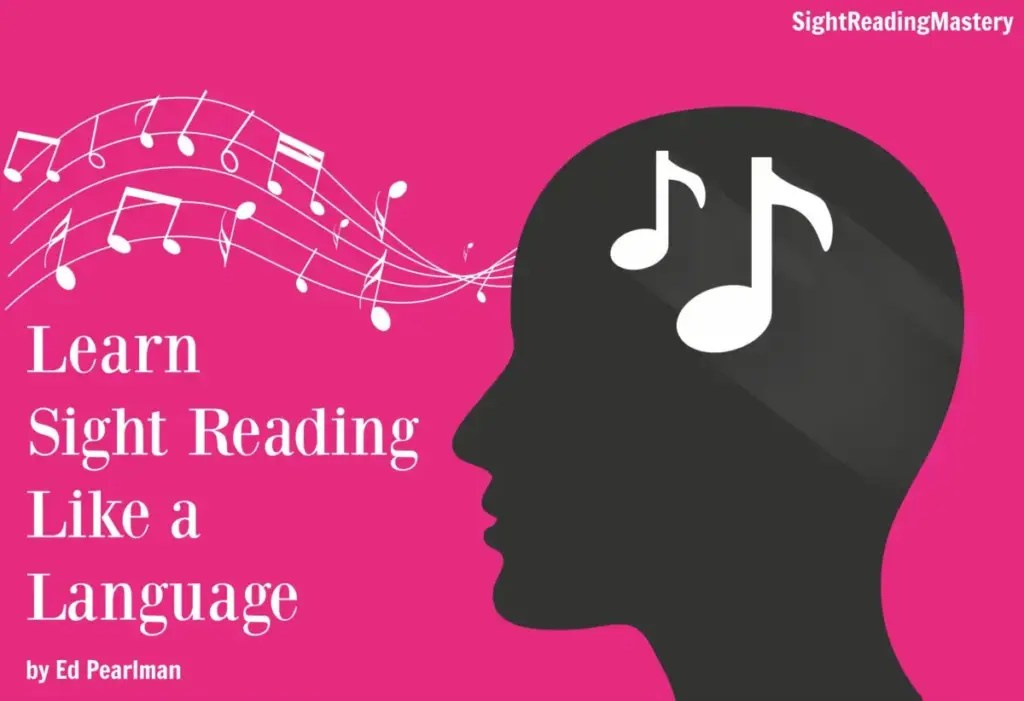
Sight-reading—the ability to look at an unfamiliar piece of sheet music and perform it accurately on the first attempt—is widely recognized by music educators as a cornerstone of lifelong musicianship. Strong sight-readers absorb new repertoire significantly faster, navigate ensemble rehearsals with greater efficiency, and approach adjudications, festivals, and auditions with poise rather than anxiety. Crucially, independent music literacy is the primary vehicle that enables students to continue making music long after formal classroom instruction ends, whether they are joining a local community band, singing in a house of worship choir, or jamming with friends in a garage.
Despite its foundational importance, sight-reading instruction has long been plagued by a persistent pedagogical bottleneck: meaningful improvement requires a continuous stream of fresh, unseen material, yet traditional method books contain a strictly finite number of exercises. Once a student works through a page a few times, true reading gives way to rote memorization. Educators have traditionally spent countless hours every week hunting down leveled materials, writing out custom exercises by hand, or copying notation onto classroom whiteboards.
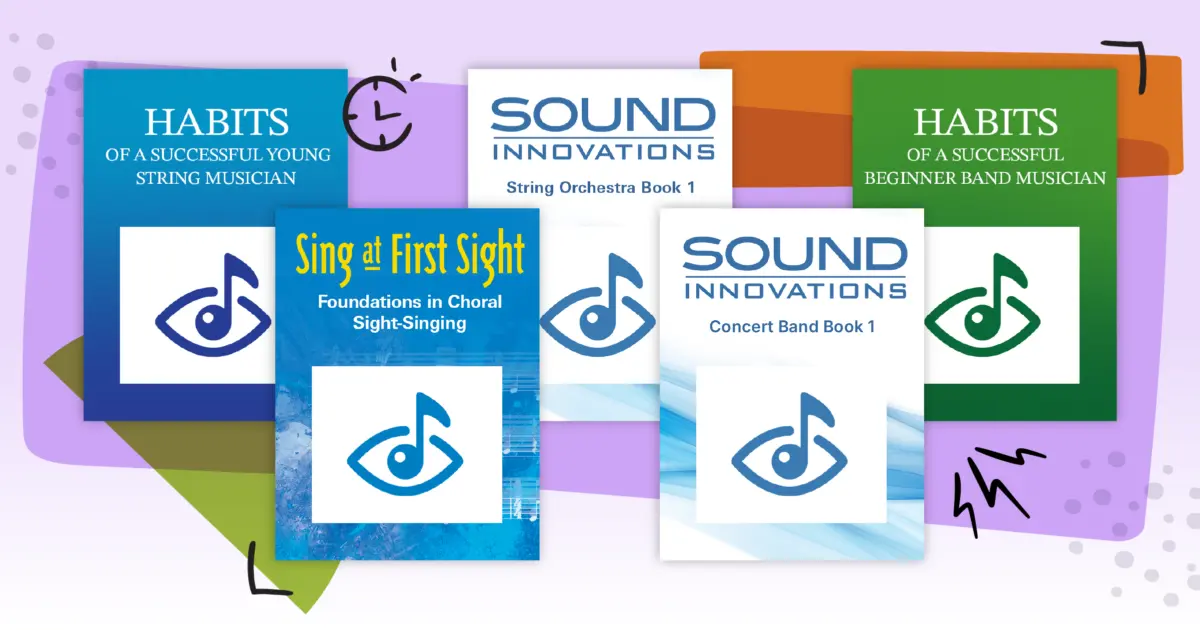
To eliminate this administrative burden and revolutionize how students master music literacy, MakeMusic has officially introduced its Correlated Sight Reading Generators. Built directly into the MakeMusic Cloud ecosystem as pre-configured Sight Reading Studio templates, these innovative generators align lesson-by-lesson with leading pedagogical methods. By bridging the gap between standard curriculum and infinite practice material, MakeMusic is providing educators with an inexhaustible supply of tailored sight-reading exercises, ultimately returning valuable prep time to teachers and fostering authentic, independent reading skills in students of all ages.
Detailed Chronology: The Evolution of Sight-Reading Pedagogy and Technology
The Historical Bottleneck of Printed Curricula
For generations, the structure of instrumental and vocal music education has relied heavily on comprehensive method books. These texts are masterfully sequenced, carefully pacing the introduction of new notes, rhythms, key signatures, and articulation markings. However, their physical nature presents an inherent limitation. A standard method book might dedicate a modest section of each unit to sight-reading, yielding perhaps two or three short exercises per concept.
Pedagogues have long understood that this volume is insufficient for true cognitive fluency. When a student plays the same sight-reading excerpt three or four times, visual processing of musical notation shuts down. Instead of decoding symbols in real-time, the brain relies on auditory memory and muscle memory. The student is no longer sight-reading; they are recalling.
To compensate, generations of music teachers have sacrificed their personal time outside of school hours. They have stayed late at school copying measures from obscure pedagogical texts, laboriously inputting notes into early notation software, or sketching out custom melodies by hand. While these handmade materials often targeted specific lesson gaps, the sheer time investment made consistent, individualized sight-reading practice nearly impossible to scale across large, diverse ensembles.
The Digital Shift and the Rise of Sight Reading Studio
As music education began integrating digital tools in the 21st century, software solutions emerged to address the scarcity of practice material. Programs capable of generating algorithmic or randomized musical exercises offered a glimpse of a more efficient future. Yet, a new disconnect arose: generated exercises often failed to match the precise pedagogical sequence of the physical method books teachers were already using in their classrooms. An algorithm might generate an exercise featuring sixteenth notes or syncopation before the teacher had formally introduced those concepts in the primary curriculum, leading to student frustration and cognitive overload.
Recognizing this friction, MakeMusic developed Sight Reading Studio, a platform designed to provide customizable, leveled reading exercises. While powerful, teachers still faced the initial hurdle of configuring parameters—such as time signatures, ranges, and rhythmic difficulties—to match their specific lesson plans.
The Birth of Correlated Sight Reading Templates
The release of MakeMusic’s new correlated sight reading templates represents the logical evolution of this digital journey. By analyzing the structural progression of widely adopted, trusted method books, MakeMusic’s curriculum development team mapped out precise alignments between textbook units and the Sight Reading Studio engine.
Instead of forcing educators to manually calibrate difficulty settings or hunt for supplementary worksheets, the new system integrates generation directly into the curriculum workflow. Launched globally for music educators utilizing MakeMusic Cloud, this feature bridges the gap between static print media and dynamic digital generation, ensuring that every piece of practice material is instantly tailored to what a student learned in class that very day.
Supporting Context & Metrics: The Science and Pedagogy of Music Literacy
Cognitive Processing in Sight-Reading
To understand why automated, continuous sight-reading generation is transformative, one must examine the cognitive mechanics of reading music. According to cognitive psychologists specializing in music perception, sight-reading requires the rapid translation of visual graphic symbols into mental representations of pitch and duration, followed by immediate motor execution.
Expert sight-readers do not process individual notes sequentially. Instead, they utilize chunking—grouping notes into musical gestures, scale passages, chord inversions, and rhythmic motifs. This requires immense visual-spatial processing capacity. Developing this capacity demands high-frequency, low-stakes exposure to novel visual patterns. When students are starved of fresh material, their brains bypass visual decoding, arresting their progression toward expert-level chunking.
Efficiency in Ensemble Rehearsals
The downstream effects of poor sight-reading skills are acutely felt during ensemble rehearsals in middle schools, high schools, and universities. Directors frequently lament that a substantial portion of rehearsal time is squandered on "note-learning"—teaching students their individual parts measure by measure through rote repetition.
When an ensemble is populated by strong, independent sight-readers, the dynamic shifts dramatically. Rehearsals transition from mechanical decoding sessions to true artistic endeavors focusing on balance, intonation, phrasing, and stylistic interpretation. Metrics gathered by music education researchers consistently indicate that ensembles utilizing structured, daily sight-reading routines master concert repertoire up to 40% faster than comparable groups lacking systematic sight-reading training.
The Equity Gap in Practice Resources
Furthermore, educational equity plays a significant role in music literacy. Students in well-funded districts often have access to extensive private instruction and broad library resources, while students in under-resourced programs rely entirely on classroom instruction. By embedding unlimited, method-aligned sight-reading generators into an accessible platform like MakeMusic Cloud, schools can democratize access to high-quality practice materials, ensuring that every student—regardless of socioeconomic background—has the tools necessary to achieve musical independence.
Official Statements and Pedagogical Insights
Industry leaders, curriculum designers, and veteran educators have championed the introduction of correlated sight reading generators, highlighting their dual impact on teacher well-being and student achievement.
Dr. Elena Vance, a prominent music education researcher and curriculum consultant, emphasized the pedagogical alignment of the new templates:
"For decades, the holy grail of music pedagogy has been seamless integration. We know that isolated drills fail to capture a student’s interest, but unstructured practice leads to bad habits. By tethering algorithmic generation directly to established method book sequences, MakeMusic has solved a foundational design problem. Students are no longer practicing sight-reading in a vacuum; they are reinforcing the exact micro-skills introduced in their daily lessons."
The MakeMusic product development team echoed these sentiments, noting that the feature was born out of direct listening sessions with classroom teachers. Speaking on the primary pain points reported by educators, a senior product manager stated:
"Teachers told us repeatedly that their biggest enemy isn’t student apathy—it’s the clock. They want to provide robust sight-reading practice, but spending two hours on Sunday night copying out custom exercises is unsustainable. Our goal with the correlated sight reading templates was simple: give educators their prep time back. You click once, you get a fresh, pedagogically sound exercise. Click again, you get another. The system does the heavy lifting so the teacher can focus on what matters most: human connection and musical mentorship."
Educators participating in the early rollout of the templates have reported immediate, tangible shifts in classroom culture. High school band director Marcus Holloway shared his initial observations:
"We started using the correlated templates mapped to our primary method book units. Within two weeks, the groans that usually accompany sight-reading exercises disappeared. The students realized that they couldn’t just memorize the page anymore. They actually had to read. Most importantly, my festival prep sessions have completely transformed. My kids walked into our pre-festival assessment room and sight-read a completely foreign piece with a collective calm I haven’t seen in fifteen years of teaching."
Future Outlook: The Next Frontier in Digital Music Education
As educational technology continues to evolve at a rapid pace, the introduction of method-correlated sight-reading generators points toward a highly personalized, efficient future for music instruction.
Adaptive Learning and Artificial Intelligence Integration
Looking ahead, industry analysts project that tools like MakeMusic’s Sight Reading Studio will increasingly incorporate adaptive learning algorithms powered by artificial intelligence. While current generators provide endless exercises matched to specific lesson units, future iterations may dynamically adjust difficulty in real-time based on a student’s specific performance errors. For example, if a student consistently misreads descending intervals in the key of F major, the generator could automatically introduce targeted micro-exercises focusing on those exact intervals during at-home practice sessions.
Blended Learning and the Hybrid Classroom
The modern music classroom is increasingly hybrid, blending traditional in-person ensemble rehearsals with asynchronous at-home practice tracked via digital platforms. Correlated sight-reading templates fit perfectly into this paradigm. By assigning specific generated exercises for homework, directors can ensure that students receive valuable, individualized reps outside of school hours. Because the software evaluates performance data, teachers gain unprecedented visibility into student progress, identifying struggling readers long before they encounter high-stakes performance evaluations.
Expanding Curricular Ecosystems
As MakeMusic expands its library of templates to encompass an even broader array of method books—spanning diverse instruments, vocal traditions, and global pedagogical styles—the utility of the platform will only grow. The ultimate vision of this technological shift is a music education landscape where the administrative friction of resource gathering is entirely eliminated.
By automating the creation of leveled, relevant practice materials, platforms like MakeMusic Cloud are empowering a new generation of music educators to inspire students, elevate ensemble performance standards, and instill a lifelong love of independent music-making.
Conclusion
The release of MakeMusic’s correlated sight reading templates marks a definitive turning point in how music literacy is taught and practiced. By bridging the gap between trusted, physical method books and limitless digital generation, MakeMusic has successfully addressed two of the industry’s most stubborn challenges: the chronic shortage of fresh sight-reading material and the crushing administrative burden placed on educators.
As teachers reclaim their prep time and students build unshakable confidence through daily, targeted practice, the ripple effects will be felt across festival rooms, community bands, and concert halls worldwide. Music literacy is no longer restricted by the physical boundaries of a printed page; through smart pedagogical engineering, an endless world of musical discovery is now just a click away.
To explore the new correlated sight reading templates and integrate them into your curriculum, music educators can log in to MakeMusic Cloud today and navigate to the Sight Reading Studio library.