
Executive Overview
As the autumn leaves begin to turn and the retail landscape shifts toward the darker, more whimsical side of the calendar, Google has officially published its annual Frightgeist report. Pitched primarily as an indispensable data goldmine for retailers attempting to forecast inventory trends ahead of the spookiest night of the year, Frightgeist offers a far broader utility than mere costume stock advice. For music marketers, digital strategists, and artists navigating the crowded late-October content landscape, Google’s real-time search trends serve as an invaluable roadmap to the public’s psychological and cultural preoccupations.
The overarching narrative of Frightgeist 2026 is unmistakably cinematic. Film and television are driving the vast majority of consumer queries, dictating not only what people intend to wear but also the visual subcultures they are choosing to inhabit. From high-concept psychological thrillers to gothic revivals and blockbuster adaptations, the cultural touchstones defining October 2026 offer a masterclass in how visual media bleeds into interactive consumer behavior.
For the music industry, understanding these search patterns is no longer optional; it is a vital mechanism for cultural relevance. In an era where algorithmic dominance and visual-first platforms like TikTok, Instagram Reels, and YouTube Shorts dictate listening habits, aligning an artist’s brand with prevailing horror and fantasy trends can mean the difference between a forgotten seasonal post and a viral moment that drives tangible streams. This report explores the data driving Frightgeist 2026, analyzes the intersection of cinematic trends and music marketing, and provides actionable, real-world case studies demonstrating how artists can leverage the Halloween season to cement their narratives.
Detailed Chronology: The Evolution of Search-Driven Seasonal Marketing
To understand the weight of Frightgeist 2026, one must examine how the digital landscape has transformed Halloween from a localized, community-driven holiday into a multi-week, globally synchronized digital marketing event.
The Rise of Predictive Consumerism
Historically, Halloween costumes and party themes were decided weeks in advance based on traditional media releases, local party store selections, and peer-to-peer inspiration. The advent of data aggregators fundamentally altered this timeline. Over the past decade, tools like Google Frightgeist have democratized search trend data, allowing brands, content creators, and independent artists to observe consumer intent in real time.
By tracking spikes in queries long before October 31, marketers can reverse-engineer cultural engagement. In the early days of search trend reporting, data was largely retrospective. Today, predictive modeling allows search engines to identify rising sub-genres—such as this year’s surging interest in "mascot horror" and "gothic aesthetics"—weeks before they peak on mainstream feeds.
The 2026 Timeline: From Late-Summer Teasers to October Frenzy
The trajectory of the 2026 Halloween season began taking shape in late August and early September, running parallel to the autumn theatrical calendar. As major studios rolled out their fall slates, search behavior immediately mirrored the cinematic output.
- Early September (The Cinematic Spark): Searches for costume ideas began pivoting sharply away from generic tropes (such as classic witches and vampires) toward specific character archetypes from upcoming fall theatrical releases. Christopher Nolan’s The Odyssey and indie horror titles like Buddy and Obsession began registering abnormal search volume anomalies.
- Mid-September (The Sub-Genre Pivot): Google’s algorithms flagged a definitive shift toward niche horror sub-genres. Gothic literature adaptations and mascot horror—a genre characterized by seemingly innocent children’s entertainment properties turning menacing—surged past standard slasher flicks in terms of relative growth.
- Late September to Early October (The Retail and Content Convergence): E-commerce platforms synchronized their inventory adjustments with Frightgeist data, while digital content creators, influencers, and musicians began conceptualizing their seasonal activations. This is the critical window where music marketers must analyze search data to inform visual asset creation, tour stage designs, and promotional rollouts.
- Mid-to-Late October (The Execution Phase): The final fortnight leading up to Halloween sees peak consumer engagement. During this period, the line between consumer and creator blurs, as fans dress up as characters popularized by both box office hits and music videos, completing the feedback loop between search intent and cultural output.
Supporting Context & Metrics: Decoding the 2026 Data
Google’s Frightgeist platform is underpinned by massive datasets drawn from billions of individual search queries. A granular breakdown of the 2026 findings reveals profound shifts in what scares, fascinates, and inspires contemporary audiences.
Cinematic Drivers: The Films Dominating Search Intent
Film remains the undisputed engine of Halloween creativity. The 2026 Frightgeist data highlights a fascinating dichotomy between high-prestige cinema and grassroots horror phenomena:

- Blockbuster Epics: Christopher Nolan’s cinematic adaptation of The Odyssey emerged as a surprise heavyweight in the costume search category. The film’s grandiose aesthetic, mythological creatures, and stylized historical attire have provided a rich visual palette for consumers seeking elevated, theatrical costumes.
- Contemporary Horror Releases: New cinematic horror entries such as Buddy and Obsession have captured the public imagination, driving immense search volumes for specific character looks, makeup tutorials, and prop replicas.
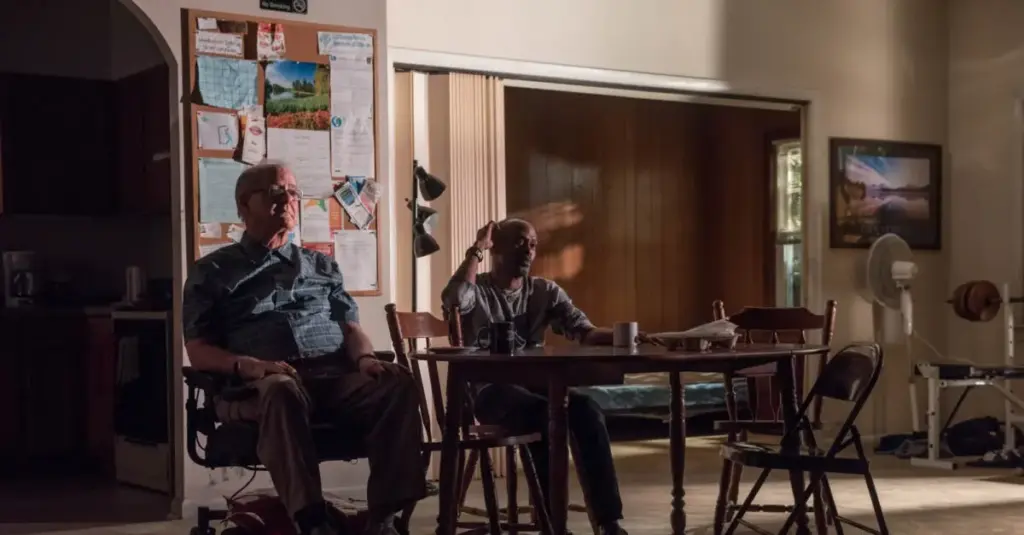
- The Franchise Stalwarts and Indie Darlings: Google’s ranking of the most-searched horror films for 2026 includes a compelling mix of psychological tension and supernatural dread. Titles such as Other Mommy, The Whisper Man, Insidious: Out of the Further, Send Help, and Backrooms dominate the digital discourse. Meanwhile, nostalgic mainstays like Arachnophobia and Resident Evil continue to pull substantial search traffic, proving the enduring power of creature features and survival horror.
The Ascent of Gothic and Mascot Horror
Beyond individual titles, Frightgeist identified two distinct stylistic movements accelerating at unprecedented rates in 2026:
- Gothic Aesthetics: Characterized by Victorian silhouettes, dramatic romanticism, and moody, atmospheric lighting, the gothic revival spans fashion, interior design, and digital content. For artists working in alternative, dark pop, or indie genres, this aesthetic provides a readymade visual language for autumn rollouts.
- Mascot Horror: A relatively modern phenomenon born largely from internet culture, indie gaming, and viral video platforms, mascot horror takes seemingly benign childhood tropes (such as theme park mascots, plush toys, and animated characters) and subverts them into terrifying entities. This sub-genre resonates deeply with younger demographics (Gen Z and Gen Alpha), making it a goldmine for digital-first music marketing campaigns that lean into irony, internet lore, and surrealism.
Official Statements and Industry Insights
While Frightgeist is ostensibly designed to assist brick-and-mortar and digital retailers in optimizing their supply chains, industry analysts and digital strategists emphasize its profound implications for the entertainment sector.
In statements accompanying the 2026 data release, digital trend forecasters underscored the symbiotic relationship between search behavior and content consumption. "When a consumer searches for a specific character costume, they are not merely looking for clothing—they are signaling an emotional investment in a narrative world," noted one digital media strategist specializing in entertainment marketing. "For artists and labels, stepping into that narrative world is the most effective way to capture consumer attention during a fiercely competitive seasonal window."
Music marketers have increasingly treated October not as a dead zone between summer festivals and the year-end holiday rush, but as a prime cultural sandbox. In interviews discussing seasonal artist campaigns, creative directors emphasize that modern fans expect multimedia immersion. An artist cannot simply drop a spooky-themed single; they must inhabit a universe. By cross-referencing Frightgeist data with streaming metrics and social media sentiment, creative teams can identify precisely which cultural touchstones—whether it’s the sleek dread of a psychological thriller or the campy nostalgia of a gothic revival—will resonate most powerfully with their specific fan base.
Future Outlook: Strategic Playbooks for Music Marketers
As we look toward the remainder of the decade, the integration of real-time search data into music marketing will only deepen. Algorithms will continue to shorten the distance between a consumer’s curious search query and an artist’s brand activation. For music marketers looking to extract maximum value from cultural moments like Halloween, two primary strategic blueprints emerge from the 2026 data: Song-Based Costuming and Immersive Live Experiences.
1. Song-Based Costuming: Translating Audio Worlds into Visual Icons
One of the most potent strategies for leveraging seasonal interest is the translation of an artist’s lyrical catalog into tangible, highly searchable costume concepts.
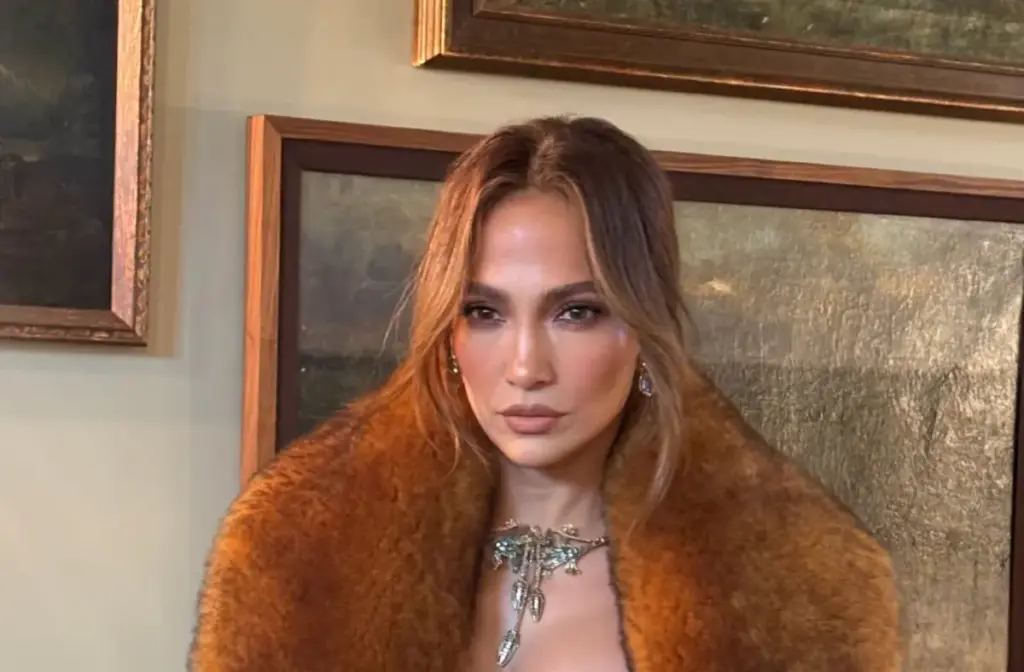
- The Case Study: Last Halloween, pop artist Lily Allen captivated the cultural zeitgeist by stepping out dressed as Madeline—the central character from her track of the same name off her acclaimed West End Girl release. The costume instantly generated widespread media coverage, sparked online speculation, and, most importantly, drove waves of curious listeners straight back to the album to unpack the narrative context of the song.
- The Strategic Application: If an artist’s catalog features recurring characters, narrative-driven tracks, or a distinct visual world, Halloween provides a golden, organic PR opportunity. Instead of adopting a generic pop-culture costume, marketers should encourage artists to bring their own lyrical creations to life. When fans see an artist embody a character from their own universe, it deepens parasocial connection, validates fan theories, and creates a measurable spike in catalog consumption.
Last-Minute Halloween Marketing Inspiration: Song-Based Costuming Checklist
- Audit the Catalog: Review upcoming or recent releases for narrative tracks featuring distinct characters, historical figures, or metaphorical archetypes.
- Design with Intent: Collaborate with stylists to create high-impact, instantly recognizable physical manifestations of these lyrical characters.
- Synchronize Digital Rollouts: Deploy photo shoots, TikTok transformations, and behind-the-scenes content on October 30 and 31, aligning meta-tags with top-trending search terms to capture organic discovery traffic.
2. Immersive Live Experiences: Turning Concerts into Seasonal Events
With the live music sector remaining a primary revenue driver for artists, transforming standard tour stops into themed holiday spectacles has proven to be an exceptionally lucrative engagement strategy.
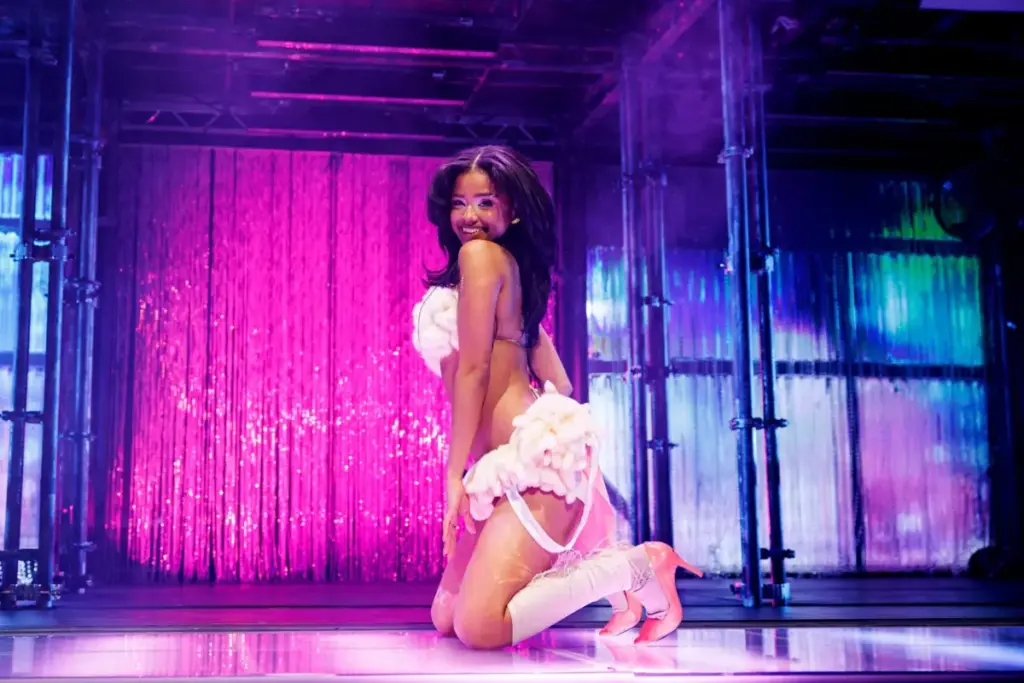
- The Case Study: Sabrina Carpenter’s live performance at Madison Square Garden on November 1st, 2025—dubbed “Short n’ Spooky”—set a gold standard for seasonal tour integration. Recognizing the cultural momentum of the Halloween season, Carpenter altered her performance wardrobe multiple times throughout the set, moving seamlessly through iconic cultural archetypes (including Wonder Woman, a retro Barbie homage, and a prehistoric Flintstones look). Crucially, her entire backing troupe of dancers was fully costumed, and the stage design was heavily augmented with theatrical elements such as intricate cobwebs and striking bloody handprints.
- The Strategic Application: Even if a concert does not fall precisely on October 31st, anchoring a late-October or early-November tour date around a cohesive seasonal theme transforms a routine show into an unmissable event. It provides fans attending in costume a shared sense of community, generates endless user-generated content (UGC) across short-form video platforms, and gives music journalists a vivid, highly photogenic angle for press coverage.
Last-Minute Halloween Marketing Inspiration: Live Show Integration Checklist
- Themed Wardrobe Iterations: Plan multiple costume changes for the artist that riff on top-trending Frightgeist themes (such as gothic romanticism or cinematic characters).
- Ensemble Coordination: Extend the dressing room budget to ensure backing musicians and dancers are fully committed to the seasonal aesthetic.
- Environmental Storytelling: Work with lighting and stage design teams to incorporate atmospheric physical props—fog, projections, gothic drapery, or horror-inspired lighting cues—that elevate the venue experience beyond a standard concert.
Conclusion
Google’s Frightgeist 2026 report is far more than a playful glimpse into what plastic masks will sell out at party supply stores. It is a vital cultural barometer, reflecting the collective anxieties, fantasies, and aesthetic cravings of millions of digital consumers.
For the music industry, data sets like Frightgeist offer a strategic compass. By paying close attention to whether audiences are gravitating toward sprawling cinematic epics like The Odyssey, psychological chillers like Buddy, or niche internet-born sub-genres like mascot horror, music marketers can craft campaigns that feel timely, culturally fluent, and deeply engaging. Whether through the clever execution of song-based costuming that drives listeners back to core albums, or the creation of fully immersive, theatrical live experiences à la Sabrina Carpenter, the message for artists is clear: when culture dresses up, music has the opportunity to lead the dance.