
By Francisco Salazar
Published by OperaWire
Executive Overview
In an era where the boundaries separating high culture from mainstream pop celebrity continue to dissolve, the classical music world has found an unexpected yet powerful ally in the modern pop icon. The latest high-profile figure to grace the hallowed halls of a major lyric opera house is none other than global superstar, actress, and entrepreneur Jennifer Lopez. Following hot on the heels of fellow pop titan Dua Lipa’s surprise September pilgrimage to Milan’s legendary Teatro alla Scala, Lopez captivated the cultural landscape by attending the glittering opening night of the Los Angeles Opera’s bold new production of Georges Bizet’s timeless masterpiece, Carmen.
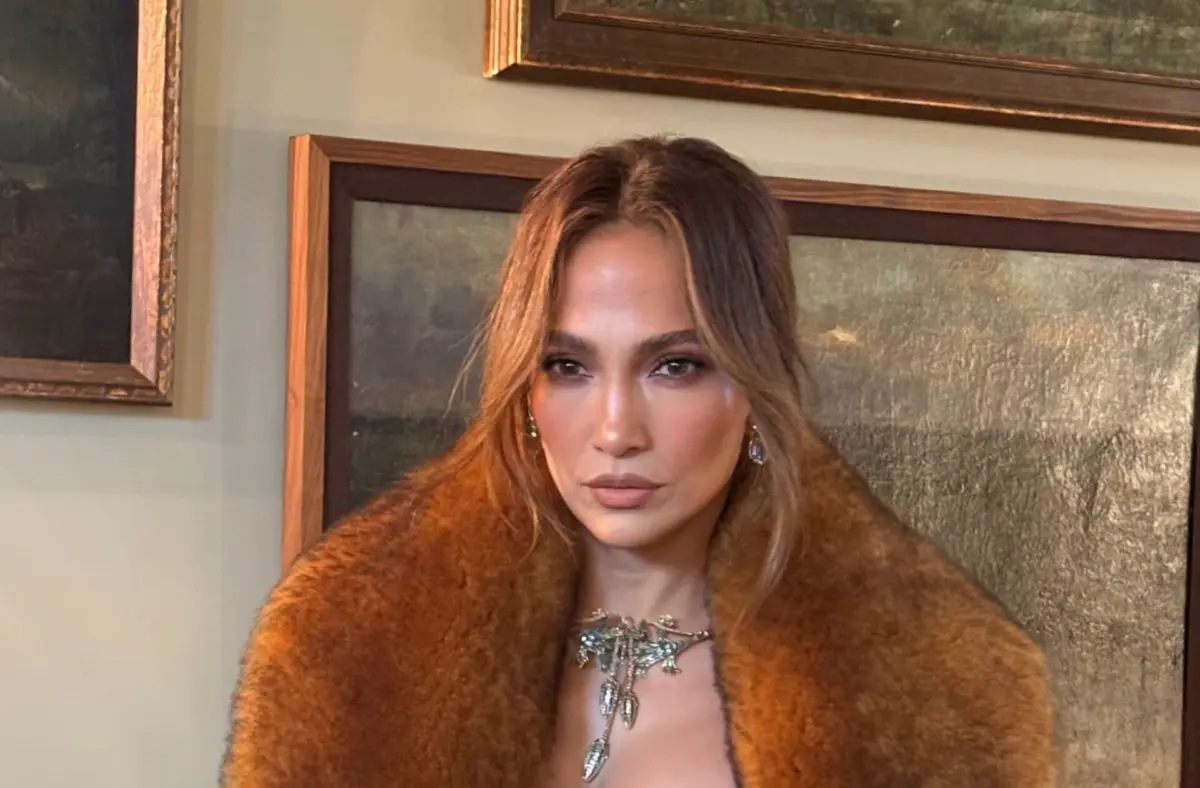
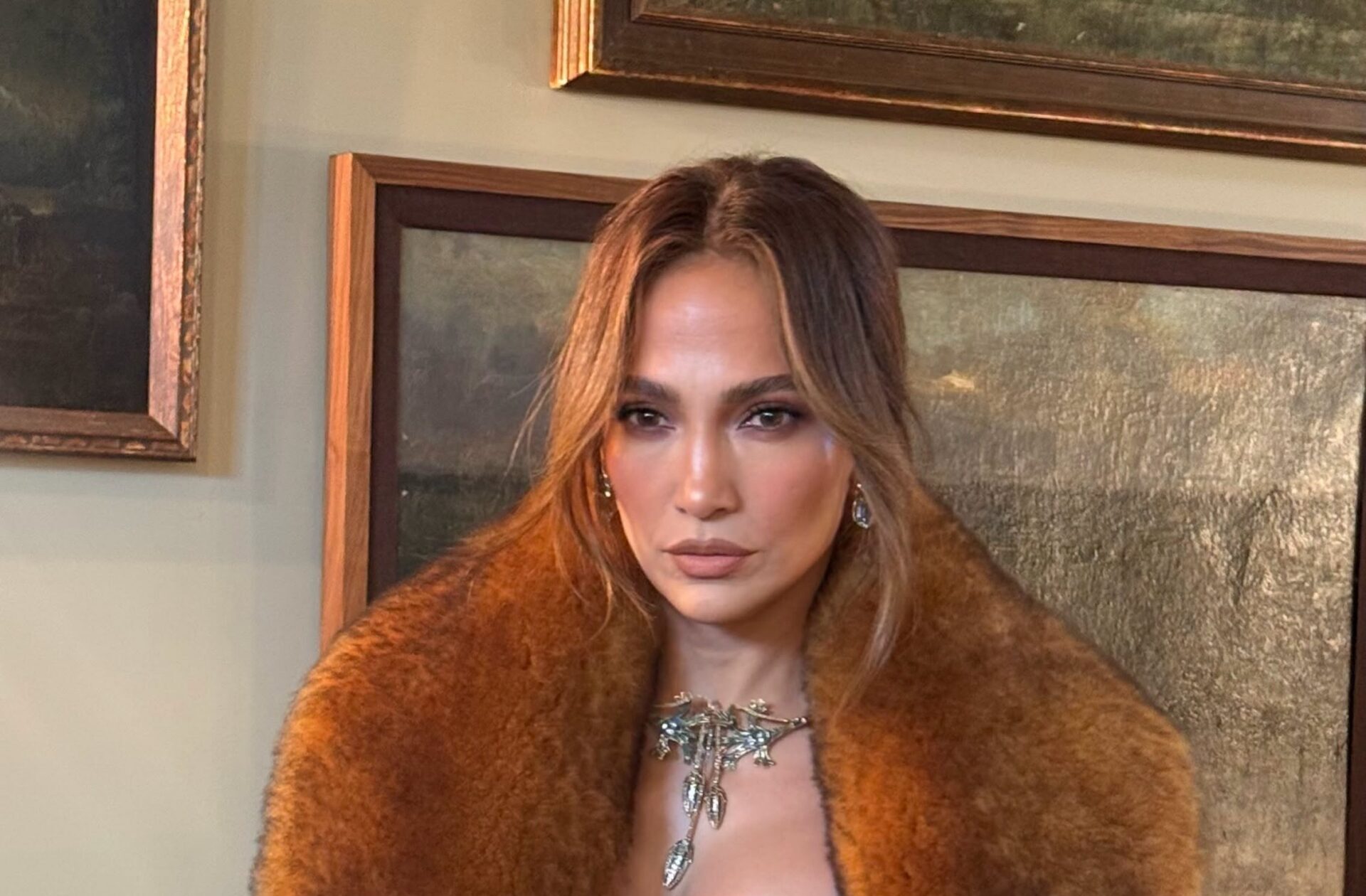
Adorned in a breathtaking, custom-tailored ensemble by iconic Italian fashion house Dolce & Gabbana, the multi-hyphenate megastar commanded the attention of both the live audience and her staggering digital congregation of over 239 million Instagram followers. Her casual yet evocative social media dispatch—consisting of a sleek photo gallery simply captioned "Night Out"—instantly bridged the gap between elite operatic production and the fast-paced, image-driven ecosystem of contemporary social media.
This high-profile appearance is far more than a mere celebrity sighting; it serves as a fascinating case study in modern cultural curation. As premier performing arts institutions grapple with post-pandemic audience recovery, shifting generational demographics, and the necessity for digital relevance, the deliberate integration of pop royalty into the opera house offers a blueprint for survival and cultural revitalization. By examining Lopez’s star-studded evening at the Dorothy Chandler Pavilion, we uncover a broader narrative regarding how traditional institutions are successfully leveraging digital-age icons to reintroduce classical masterpieces to the contemporary cultural consciousness.
Detailed Chronology: A Night to Remember at the Dorothy Chandler Pavilion
The anticipation surrounding the Los Angeles Opera’s grand opening night of the 2024–2026 season was already palpable, but the evening reached a fever pitch with the arrival of Jennifer Lopez. The production chosen for this marquee event was none other than Bizet’s Carmen, a perennial audience favorite known for its blistering emotional intensity, unforgettable melodies, and high-stakes drama.
As patrons filed into the opulent foyer of the Dorothy Chandler Pavilion—the crown jewel of the Music Center in downtown Los Angeles—whispers quickly circulated regarding the presence of A-list security details and flashbulbs. Lopez, maintaining her reputation as a formidable fashion icon, stepped onto the red carpet draped in Dolce & Gabbana. The choice of Italian luxury couture underscored the high-fashion synergy that has historically linked the worlds of opera and haute couture. Every detail of her appearance, from her meticulously styled hair to her statement accessories, was captured by an army of professional photographers and eager onlookers alike.
Once inside the auditorium, Lopez joined an eclectic audience of arts patrons, Hollywood executives, civic leaders, and classical music aficionados. As the house lights dimmed and conductor Domingo Hindoyan raised his baton to signal the opening measures of the overture, the multifaceted superstar was transported into the gritty, passionate world of 19th-century Seville as envisioned by director Thaddeus Strassberger.
Throughout the performance, Lopez reportedly remained deeply engaged with the stagecraft, absorbing the powerhouse vocalism and theatrical pyrotechnics delivered by an international cast. Following the final curtain call—which featured thunderous, prolonged ovations for the principal artists—the energy in the house remained electric. Eschewing the traditional, insular nature of classical music galas, Lopez immediately took to her digital platforms. Sharing a carousel of images showcasing her evening attire against the backdrop of the opera house, her post generated millions of impressions within hours, transforming a localized Los Angeles arts event into a global trending topic.
Supporting Context & Metrics: The Convergence of Pop Powerhouses and Classical Institutions
To truly understand the weight of Jennifer Lopez’s attendance at the LA Opera, one must analyze the staggering metrics and historical context that define her career, as well as the parallel movements currently sweeping the international opera community.
The Scale of Superstardom
Jennifer Lopez is not merely a celebrity; she is a global economic and cultural institution. Boasting a career that spans over three decades, her professional footprint is vast:
- Digital Reach: Over 239 million followers on Instagram alone, providing an instantaneous pipeline to a demographic that traditional opera marketing budgets could never hope to organically reach.
- Global Sales: More than 80 million records sold worldwide, anchored by chart-topping anthems and iconic crossover pop hits.
- Box Office Clout: Her cinematic portfolio has cumulatively grossed over $1.9 billion at the global box office, establishing her as a rare quadruple threat: singer, dancer, actress, and producer.
- Critical Acclaim & High-Profile Stages: A Golden Globe nominee, a Grammy contender, and the headliner of the coveted Pepsi Super Bowl LIV Halftime Show—a performance watched by over 104 million television viewers.
When an artist of this magnitude deigns to spend an evening at the opera, the ripple effects are immediate. It signals to the millions of young, urban, and diverse fans who follow her every move that the opera house is not an archaic museum reserved for the cultural elite, but rather a vibrant, glamorous destination worthy of a Saturday night out.
The Global Trend: Pop Stars Embrace the Lyric Stage
Lopez’s evening at the LA Opera is part of a burgeoning international trend. Just weeks prior, British pop sensation Dua Lipa made headlines with a surprise, highly publicized visit to Milan’s legendary Teatro alla Scala. Known for her discerning taste in art, fashion, and literature (often highlighted through her Service95 cultural newsletter), Lipa’s immersion in Italian operatic culture mirrored Lopez’s Los Angeles outing.
Historically, pop stars and classical institutions existed in parallel silos. Pop icons frequented fashion weeks, private island retreats, and VIP Coachella enclosures, while opera houses catered to a traditional, albeit aging, donor base. However, as the 2020s progress, a sophisticated cross-pollination is occurring. Pop stars are actively seeking out high-art credentials to deepen their artistic brands, while opera houses are eagerly opening their gilded doors to modern tastemakers to combat declining subscription models and secure cultural relevance for the 21st century.
Inside the Production: A New Vision for "Carmen"
The production that drew Lopez to downtown Los Angeles is a formidable artistic undertaking in its own right. Thaddeus Strassberger’s brand-new staging of Carmen pushes the boundaries of traditional operatic design, offering a gritty, visceral, and visually arresting interpretation of Bizet’s masterwork.
The cast assembled for this run features some of the most dynamic operatic voices of their generation:
- Rihab Chaieb commands the stage in the demanding title role, bringing a smoldering vocal timbre and fierce dramatic intensity to the ultimate femme fatale.
- Joshua Guerrero portrays the tragic, self-destructive Don José with heartbreaking emotional vulnerability and ringing tenor brilliance.
- Kathleen O’Mara and Liam James Karai complete the stellar principal lineup, delivering nuanced vocal performances under the baton of maestro Domingo Hindoyan.
Running through November 7, 2026, this production of Carmen was already slated to be a highlight of the West Coast cultural calendar. However, the unexpected injection of celebrity stardust has elevated it from a regional artistic triumph to a national cultural phenomenon.
Official Statements and Institutional Reactions
The synergy between the glamorous pop icon and the venerable arts institution did not go unnoticed by the leadership of the Los Angeles Opera. Recognizing the unprecedented PR value of the visit, the company’s official communication channels quickly mobilized to celebrate the event.
In an enthusiastic public statement shared across their digital platforms, the LA Opera proclaimed:
"What a night! ✨ Thank you for joining us for opening night of ‘Carmen!’"
The interaction highlights a sophisticated pivot in how cultural institutions communicate. Gone are the days of sterile press releases printed on cream-colored stationery sent exclusively to broadsheet newspaper critics. Today’s opera companies operate as agile, digital-first media entities. By publicly acknowledging and welcoming Lopez, the LA Opera reinforced its image as an inclusive, vibrant, and culturally relevant hub where Hollywood glamour seamlessly intersects with high art.
Industry analysts have praised the move. Dr. Elena Vance, a professor of arts administration at the University of Southern California, notes: "Institutions like the LA Opera cannot survive on tradition alone. They must capture the imagination of a generation that values experiential luxury and digital shareability. When Jennifer Lopez posts a photo in Dolce & Gabbana from inside the Dorothy Chandler Pavilion, she does more for the democratization of opera’s image than a million-dollar ad campaign ever could."
Future Outlook: The New Frontier of Operatic Engagement
As we look toward the remainder of the decade, the implications of Jennifer Lopez’s night at the opera extend far beyond a single evening of applause and Instagram double-taps. The partnership between pop culture royalty and classical institutions points toward several vital developments for the future of the performing arts:
1. The Redefinition of Luxury and Leisure
For decades, younger consumers associated luxury with private yacht parties, high-end fashion boutiques, and exclusive VIP nightclubs. However, cultural consumption is undergoing a philosophical shift. Experiences that combine intellectual stimulation, historical grandeur, and aesthetic beauty—such as attending an opera—are increasingly viewed as the ultimate form of modern VIP leisure. When pop stars model this behavior, they redefine what it means to have a "night out" for millions of aspirational consumers.
2. Digital-First Arts Marketing
Opera houses are traditionally slow-moving bureaucracies, but the post-pandemic era has forced rapid modernization. Expect to see more performing arts organizations actively courting cultural influencers, fashion houses, and cinematic icons. By offering tailored VIP experiences, bespoke backstage access, and seamless digital integration, opera houses can tap into pre-existing fan communities that span the globe.
3. Sustaining the Art Form for the Next Century
Ultimately, the longevity of art forms like opera depends on their ability to recruit new generations of audience members and financial patrons. While a pop star’s Instagram post will not instantly convert every follower into a season-ticket holder, it plants a seed. It demystifies the art form, strips away the intimidation factor, and positions the opera house as a welcoming, exciting space where history, passion, and high fashion collide.
When Jennifer Lopez stepped out into the Los Angeles night after the final notes of Carmen faded into silence, she didn’t just cap off an enjoyable evening—she helped write a new chapter in the ongoing evolution of classical music marketing. As high culture continues to embrace the dynamic energy of pop royalty, the future of the lyric stage looks decidedly brighter, more glamorous, and more connected than ever before.