
Executive Overview
Broadway’s upcoming autumn season has encountered a series of unexpected hurdles as Downstate, the provocative and acclaimed new play penned by Tony Award winner Bruce Norris, announced a further postponement of its opening preview performance. Originally scheduled to welcome its first paying audience on October 17 at the historic Booth Theatre, the production was initially pushed back to October 19. Now, due to lingering and widespread illness within the cast, producers have confirmed that the premiere performance will not take place until Monday, October 20.
Despite these rolling disruptions to the rehearsal and preview schedule, the production team remains steadfast regarding the broader calendar. The official opening night is still firmly locked in for November 15, anchoring a strictly limited engagement slated to run through January 10, 2027.
Directed by Tony winner Joe Mantello, this new staging of Downstate arrives on Broadway bearing a formidable pedigree, having previously electrified audiences in Chicago, London, and Off-Broadway. Yet, the production is navigating far more than the standard medical hiccups typical of a rigorous theatrical launch. Operating under the banner of producers Scott Rudin and Barry Diller—the latter marking Rudin’s high-profile, scrutinized return to commercial theater following a multi-year hiatus prompted by extensive allegations of workplace abuse—Downstate sits at the intersection of high art and heavy controversy.
Compounding these challenges is the commercial reality of mounting a straight, unflinching drama in a post-pandemic Broadway ecosystem heavily reliant on star power. Lacking the instant marquee draw of household-name headliners, the production has rolled out an aggressive, highly unusual promotional incentive: pairing ticket sales for Downstate with exclusive access to purchase $250 tickets for Rudin and Diller’s star-studded companion venture this season, Small Mouth Sounds, which boasts Julia Roberts and Paul Rudd.
This deep-dive report examines the multifaceted realities facing Downstate’s Broadway bow—from the artistic lineage of Norris’s searing text and Mantello’s visionary direction to the complex economic strategies deployed by its production team and the industry-wide implications of Rudin’s return to the Great White Way.
Detailed Chronology
The Road to the Booth Theatre: Previews and Medical Delays
The trajectory toward Broadway for Downstate has been meticulously planned yet recently fractured by unforeseen health concerns. The production, which has taken up residence at the Booth Theatre, initially marked October 17 as its milestone first public performance—a critical juncture for any theatrical run where director, cast, and crew gauge audience reactions, fine-tune pacing, and iron out technical cues.
However, as production week reached its zenith, acute illness struck members of the ensemble. Prioritizing the health of the company and recognizing the immense physical and emotional demands placed upon actors tackling Norris’s heavy subject matter, the creative team made the executive decision to give the company additional recovery time. The first delay pushed the curtain-raising to October 19. When the illness persisted across several cast members, a second, brief postponement was announced, moving the official first preview to October 20.
Despite losing three crucial preview slots—performances that are traditionally vital for organic adjustments—production spokespersons have reiterated that the grand timeline remains unchanged. The official opening night is locked in for November 15, allowing the creative team a compressed yet viable window to execute necessary technical adjustments before the press corps arrives. The limited engagement is scheduled to conclude on January 10, 2027.
A Storied Theatrical Lineage
To understand the gravity of the current Broadway run, one must trace the play’s meticulous developmental arc. Downstate is not a novice script testing the waters of commercial viability; it is a battle-tested work of contemporary drama with an impressive international and domestic pedigree.
- 2018 (World Premiere): The play first shocked and riveted theatergoers at Chicago’s renowned Steppenwolf Theatre Company, where its uncompromising look at human behavior, accountability, and societal outcasts sparked intense post-show discussions.
- 2019 (International Transfer): Buoyed by critical acclaim in the American Midwest, the production crossed the Atlantic for a celebrated run at London’s National Theatre, where British critics praised its unflinching willingness to tackle systemic discomfort and moral ambiguity.
- 2022 (Off-Broadway Debut): The play made its way to New York for a critically lauded engagement at Playwrights Horizons, cementing its reputation as one of the most vital, conversation-starting dramatic works of the decade.
Now, under the stewardship of Broadway heavyweights, this fourth iteration represents a completely reimagined staging tailored specifically for the proscenium architecture of the Booth Theatre.
Supporting Context & Metrics
The Artistic Ensemble and Creative Architecture
What distinguishes this Broadway transfer is its unique blend of institutional continuity and fresh artistic vision. While the physical staging, design vocabulary, and several key cast additions represent a departure from previous iterations, the production retains the vital anchor of original company members who have lived with these complex characters for years.
The Cast
- K. Todd Freeman: Reprising his acclaimed work from previous engagements, Freeman brings a deep, lived-in authenticity to the ensemble.
- Francis Guinan: Another vital pillar of the original run, Guinan returns to anchor the emotional core of the production.
- Cassie Beck: Joining the Broadway company to inject fresh dramatic tension.
- Adrian Martinez: Bringing his signature intensity and versatile character work to the stage.
- Al’Jaleel McGhee: A dynamic addition to the halfway house ensemble.
- Thomas Sadoski: A Tony nominee whose presence adds significant dramatic weight to the production.
- Ivy Wolk: A rising talent rounding out the complex generational dynamics of the script.
- Liza Colón-Zayas: Fresh off her triumphant, Emmy-winning work on television, Colón-Zayas brings fierce gravitas and immense star power to the dramatic fold.
The Creative Team
The visual and auditory world of Downstate is being constructed by a veritable "who’s who" of theatrical design aristocracy:
- Direction: Joe Mantello, a multi-Tony Award-winning visionary whose recent credits include a staggering reinvention of Death of a Salesman, brings his trademark psychological precision and structural clarity to Norris’s text.
- Scenic Design: Scott Pask, whose environmental mastery will transform the Booth Theatre into the oppressive, institutional confines of an Illinois halfway house.
- Costume Design: Ann Roth, a legendary multi-award-winning designer whose sartorial choices establish immediate socio-economic and psychological realism.
- Lighting Design: Heather Gilbert, tasked with mapping the shifting moral shadows of the narrative arc.
- Sound Design: Mikaal Sulaiman, whose sonic landscapes will amplify the ambient tension and claustrophobia of the setting.
The Play’s Premise: Unflinching Examination
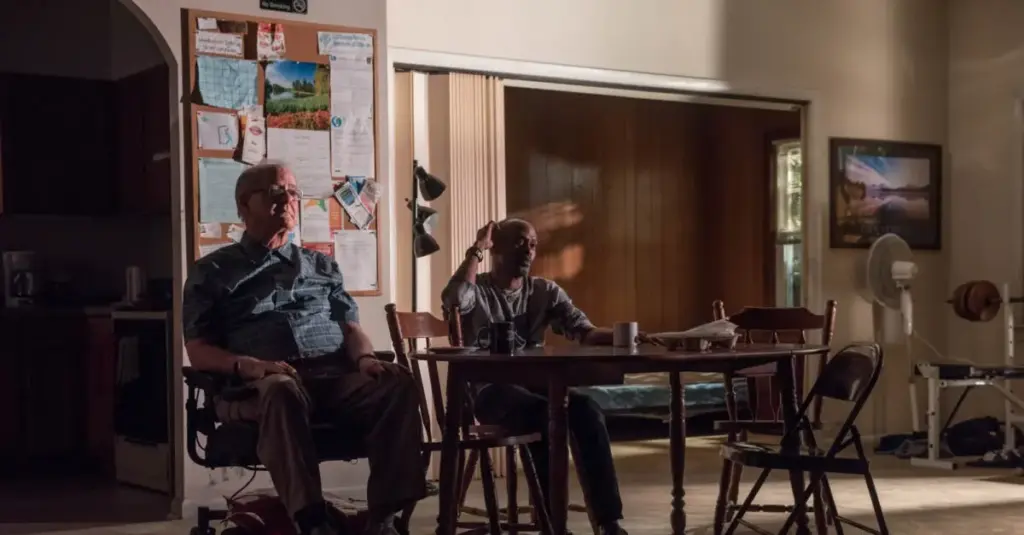
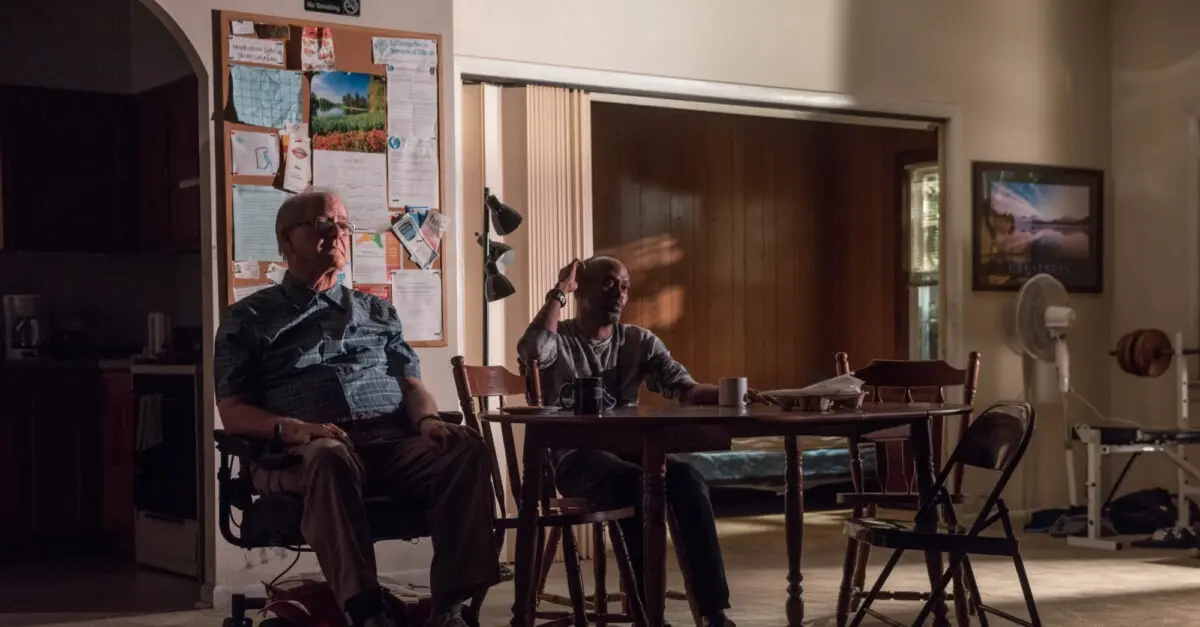
Bruce Norris, who captured the Pulitzer Prize and Tony Award for Clybourne Park, has never shied away from societal tripwires. Downstate centers on a deeply unsettling premise: four men convicted of sexual offenses against minors are living together in a supervised Illinois halfway house. The precarious equilibrium of their daily existence is shattered when one of their former accusers—now an adult—returns to confront them, forcing the characters, and by extension the audience, to grapple with profound questions of justice, redemption, punishment, and the limits of societal forgiveness. It is a work designed to provoke deep discomfort, making its commercial mounting on Broadway a courageous financial and artistic gamble.
Official Statements and Industry Analysis
The Return of Scott Rudin: A High-Stakes Re-entry
Beyond the artistic merits of the play, the production of Downstate is inextricably linked to the broader industry narrative surrounding producer Scott Rudin. For decades, Rudin was the undisputed titan of both Broadway and Hollywood, wielding immense power and collecting an unprecedented trove of Tony, Emmy, Grammy, and Oscar accolades. However, in 2021, a devastating exposé published in The Hollywood Reporter detailed systemic allegations of verbal abuse, intimidation, and toxic workplace environments, leading Rudin to step away from all active producing projects.
The current theatrical season marks Rudin’s formal return to Broadway producing, executed in partnership with media mogul Barry Diller. The return has polarized the theatrical community. While some industry insiders argue that time, private remediation, and the undeniable economic engine Rudin historically provided to the New York theater ecosystem warrant a second chance, others view his return as a premature validation of toxic industry standards that marginalized workers fought hard to dismantle.
Downstate serves as the primary testing ground for this rehabilitation narrative, placing a gritty, controversial drama at the vanguard of Rudin’s theatrical resurrection.
The Marketing Innovation: Leveraging Small Mouth Sounds
Mounting a heavy, straight play on Broadway without marquee television or film headliners in the lead roles is an inherently perilous financial proposition in the post-pandemic era, where ticket buyers increasingly prioritize recognizable celebrity names over unknown dramatic material. Recognizing this commercial vulnerability, producers Scott Rudin and Barry Diller have devised an unprecedented cross-promotional strategy that bridges their two Broadway ventures for the season.
In addition to Downstate, Rudin and Diller are mounting a starry revival of Small Mouth Sounds at the Ethel Barrymore Theatre, a production that boasts major global box-office draws Julia Roberts and Paul Rudd.
To drive ticket sales for the less commercially secure Downstate, the producing team has instituted a high-stakes incentive program:
- The Mechanism: Audience members who purchase full-price tickets to performances of Downstate running through November 22 will receive an exclusive, single-use promotional code.
- The Perk: This code unlocks the ability to purchase highly coveted tickets to Small Mouth Sounds for a flat rate of $250 each—a significant value and guaranteed access point for a show expected to face extreme demand and sell-out conditions due to the Roberts-Rudd pairing.
This bundling strategy represents a fascinating case study in modern theatrical producing. By functioning as an economic bridge, the producers are successfully leveraging the hyper-commercial pulling power of Hollywood megastars to subsidize and drive foot traffic toward challenging, boundary-pushing contemporary drama. Early analytics suggest the strategy is generating substantial algorithmic buzz and driving early-box-office movement for Downstate that standard advertising campaigns might have struggled to achieve alone.
Future Outlook
As Downstate navigates its final hurdles in the rehearsal room and prepares for its adjusted first preview on October 20, all eyes within the theatrical community remain locked on the Booth Theatre.
The immediate challenge for director Joe Mantello and the cast will be absorbing the loss of three preview performances, compressing their technical polish into a tight window before critics arrive for the November 15 opening. If the ensemble can recapture the tight, psychological precision that defined the play’s earlier runs in Chicago, London, and Off-Broadway, Downstate stands to cement itself as one of the essential dramatic events of the season.
From a macro-perspective, the production will serve as a bellwether for multiple facets of the contemporary theater industry:
- The Appetite for Challenging Drama: It will test whether modern Broadway audiences are willing to embrace complex, deeply uncomfortable subject matter without the cushion of musical numbers or comforting nostalgia.
- The Economics of Star-Driven Cross-Promotion: The success of the Small Mouth Sounds ticket-bundling initiative will be closely analyzed by commercial producers looking for innovative ways to keep straight plays financially viable in an inflated real estate market.
- The Industry’s Tolerance for Rehabilitated Producers: Most critically, the reception of Downstate will act as an ongoing referendum on Scott Rudin’s return to the commercial fold, testing whether audiences and critics are willing to separate the art from the controversies of its primary financier.
Ultimately, Downstate embodies the very essence of live theater: a high-wire act balancing artistic urgency, logistical volatility, and commercial maneuvering. As the ghost light shifts and the curtain finally rises on October 20, the theater world will be watching to see how powerfully this searing drama claims its space on the Great White Way.