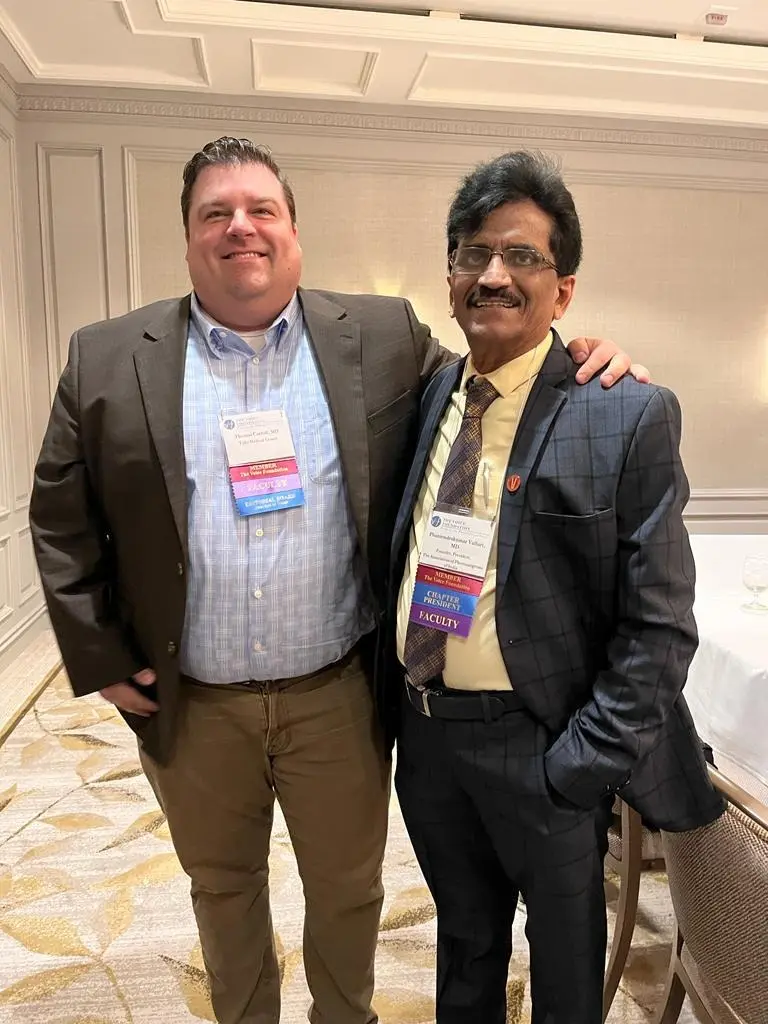
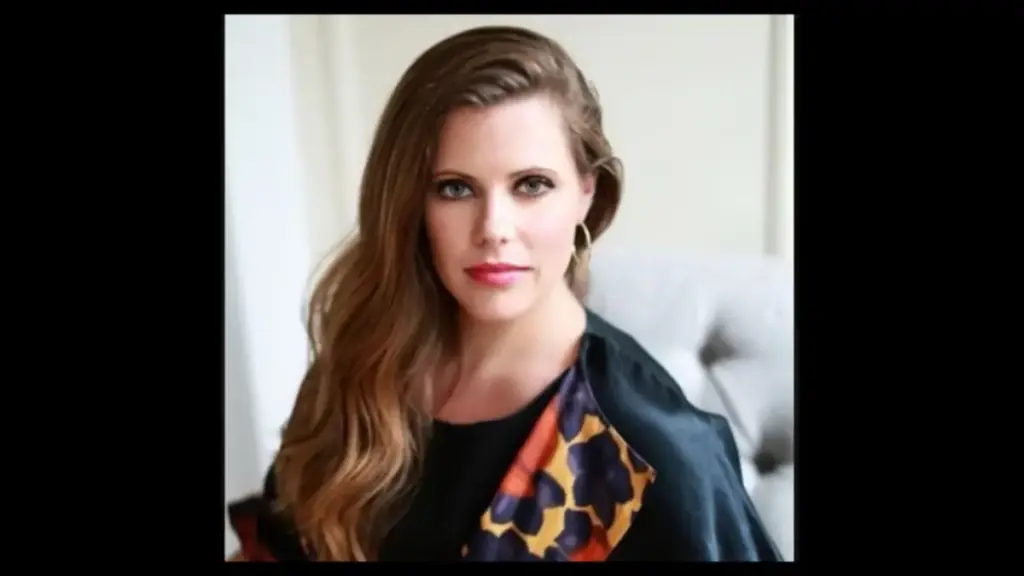
The evolution of laryngeal surgery and voice restoration reached a significant milestone with the convening of the 17th Phonosurgery Course and International Workshop, held on October 28 and 29, 2023. Designed as a pioneering hybrid event, the symposium successfully bridged the gap between global academic discourse and rigorous, hands-on clinical training. Organized under the visionary leadership of Prof. V. Phaniendrakumar, Emeritus Professor of ENT and a luminary in the field, the event underscored India’s growing prominence as a hub for advanced otolaryngology and voice science.
Held in association with prestigious organizations including the Association of Phonosurgeons of India (APSI), the India Chapter of The Voice Foundation (USA), AOI Telangana, the Telangana SLP Association, the Sri Sathya Sai Institute of ENT, and the Melody Voice Clinic (Guntur, A.P.), this year’s symposium introduced a novel dual-format structure. By blending virtual didactic lectures and live surgical broadcasts on the first day with intensive, in-person cadaveric and clinical training on the second day at Century Hospital in Banjara Hills, Hyderabad, the organizers redefined continuing medical education (CME) for modern otolaryngologists, laryngologists, and speech-language pathologists (SLPs).
This comprehensive report examines the structural innovations, clinical highlights, expert collaborations, and broader implications of a landmark event that continues to shape the future of voice surgery worldwide.
Detailed Chronology of the Event
Day 1: Virtual Academic Immersion and Live Surgical Demonstrations (October 28, 2023)
The first day of the 17th Phonosurgery Course was executed via a sophisticated virtual platform (Zoom), allowing a global cohort of delegates to participate without the logistical friction of immediate travel. The day’s curriculum was meticulously divided into two core components: theoretical lectures by world-renowned faculty and real-time, interactive surgical broadcasts.
Morning Session – The Theoretical Foundation:
The proceedings opened with keynote addresses from international and national dignitaries. Lectures focused on the nuanced diagnostics of vocal fold pathologies, indications for office-based laryngeal procedures versus operating room phonomicrosurgery, and the latest technological advancements in laser and stroboscopic evaluations. Faculty members emphasized the critical balance between anatomical preservation and functional voice optimization—the core tenet of modern phonosurgery.
Afternoon Session – Live Surgical Demonstrations:
Perhaps the most anticipated segment of Day 1 was the live-streamed surgical demonstrations. Delegates witnessed complex office-based laryngeal procedures performed under local anesthesia, as well as high-precision phonomicrosurgeries under general anesthesia. The live format offered an unedited, real-time look into intraoperative decision-making, instrumentation handling, patient management, and real-time interaction where delegates could pose questions directly to the operating surgeons.
Day 2: Immersive Hands-On Clinical Training (October 29, 2023)
Shifting from virtual instruction to tactile execution, Day 2 brought delegates to Century Hospital (Road No. 12, Banjara Hills, Hyderabad) for an intensive day of wet-lab and simulation training. Recognizing that surgical proficiency in phonosurgery requires delicate hand-eye coordination and microscopic precision, the faculty designed a robust hands-on curriculum utilizing model simulations (goat larynx).
Thyroplasty and Arytenoid Adduction:
Delegates received step-by-step guidance on medialization thyroplasty (Type I thyroplasty) for unilateral vocal fold paralysis. Instructors closely supervised the precise placement of implants and the execution of the technically demanding arytenoid adduction technique designed to achieve glottal closure and improve voice projection.
Injection Laryngoplasty:
Participants practiced various injection techniques (transcutaneous and transoral approaches) using different biomaterials. This training emphasized depth perception, accurate placement within the thyroarytenoid muscle or superficial lamina propria, and the avoidance of airway complications.
Office-Based Laryngeal Procedures:
With the paradigm in otolaryngology shifting toward cost-effective, clinic-based interventions, delegates were trained in the setup, patient selection, and execution of in-office procedures utilizing flexible and rigid videoendoscopes, channel-working scopes, and local anesthetic delivery systems.
Supporting Context & Metrics: The Hybrid Innovation
The 2023 symposium broke new ground by introducing what organizers believe to be India’s first dual- or hybrid-concept phonosurgery workshop. In an era where medical professionals face mounting clinical responsibilities and financial constraints regarding continuous education, this model offers a distinct advantage.
Why the Hybrid Model Matters in Modern Otolaryngology
Time and Cost Efficiency: By condensing the didactic and observation-heavy elements into a single virtual day, delegates saved valuable clinical days and reduced travel expenses. Day 2 was then hyper-focused entirely on high-value, hands-on experiential learning.
Global Reach and Local Impact: The virtual component enabled international experts—including ties fostered through global institutions like The Voice Foundation—to lecture and interact seamlessly with regional practitioners across India and neighboring countries.
Multidisciplinary Synergy: Voice disorders cannot be treated by surgeons alone. The active participation of the Telangana Speech-Language Pathologist (SLP) Association highlighted the indispensable collaborative loop between phonosurgeons and voice therapists, ensuring comprehensive pre- and post-operative rehabilitation.
Institutional Collaboration and Leadership
The success of the 17th edition was anchored by its powerful collaborative network. Under the stewardship of Prof. V. Phaniendrakumar—who serves as the Emeritus Professor of ENT, Director of the Sri Sathya Sai Institute of ENT and Melody Voice Clinic, Founder President of APSI, and President of the India Chapter of The Voice Foundation—the event drew upon decades of academic rigor.
The integration of regional entities like AOI Telangana with international powerhouses such as the USA-based Voice Foundation ensures that Indian phonosurgeons remain at the cutting edge of global scientific developments, diagnostic protocols, and surgical innovations.
Official Statements and Academic Insights
Reflecting on the philosophy of the course, Prof. V. Phaniendrakumar noted the ongoing paradigm shift in voice care:
"With all our sincere efforts and your co-operation, we hope we can make this Course a memorable scientific event. The philosophy of phonosurgery has evolved beyond merely removing pathology; it is about restoring the human voice, identity, and livelihood of our patients with the least invasive methods possible. Our hybrid model is a testament to our commitment to making world-class training accessible, practical, and efficient for the modern medical professional."
International observers and visiting faculty frequently point to events like the Hyderabad workshop as vital crucibles for standardizing surgical excellence. Discussions during the symposium heavily emphasized the minimization of thermal trauma during laryngeal laser surgery, the biological integration of injectables in vocal fold augmentation, and the psychological impacts of dysphonia on professional voice users (singers, teachers, public speakers, and actors).
Furthermore, clinical specialists highlighted the growing importance of stroboscopy and high-speed digital imaging in pre-surgical planning. Without precise wave analysis of the mucosal wave, even the most technically proficient phonosurgery can fall short of restoring optimal phonatory function.
Future Outlook: The Trajectory of Phonosurgery in India and Beyond
As the 17th Phonosurgery Course concluded, the ripple effects across the otolaryngology community were immediately evident. The event set a new benchmark for how specialized surgical training can be structured in a post-pandemic, highly interconnected medical world.
Key Takeaways and Future Directions:
Expansion of Office-Based Procedures: The trend toward awake, in-office laryngeal procedures—such as botulinum toxin injections for spasmodic dysphonia, laser ablation of benign lesions, and office-based biopsies—is accelerating. Future workshops will likely place even greater emphasis on local anesthesia management and patient tolerance.
Technological Integration: The incorporation of artificial intelligence in voice analysis, machine learning for automated stroboscopic interpretation, and advanced biomaterials for vocal fold regeneration are poised to dominate the next decade of research.
Institutional Sustainability: The collaborative framework established by Prof. Phaniendrakumar, APSI, and The Voice Foundation India Chapter serves as a blueprint for future regional and international training modules. Plans are already underway to expand the curriculum for subsequent editions, incorporating more advanced video-assisted simulation laboratories and expanded multidisciplinary tracks for speech therapists.
Ultimately, the 17th Phonosurgery Course and International Workshop proved that dedication to continuous learning, technological adaptation, and collaborative clinical practice remain the bedrock of excellence in voice care. As delegates return to their respective clinics and operating rooms armed with novel surgical techniques and refined theoretical insights, the ultimate beneficiaries will be the countless patients whose voices—and lives—are restored.