
Executive Overview
The medical landscape of otolaryngology and vocal health reached a notable milestone with the convening of the 17th Phonosurgery Course and International Workshop, held on October 28 and 29, 2023. Designed to bridge the gap between theoretical mastery and hands-on surgical precision, this hybrid event introduced a pioneering dual-format structure tailored to the modern demands of medical professionals worldwide.
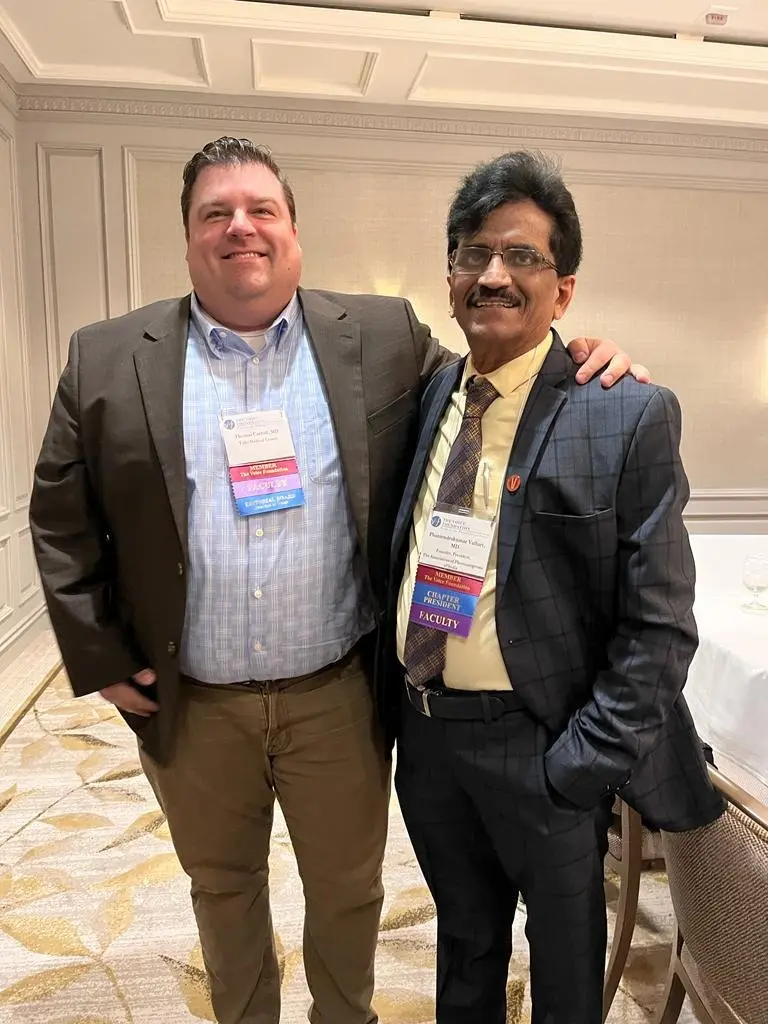
Spearheaded by Prof. V. Phaniendrakumar, Emeritus Professor of ENT, Organizing Chairman, Course Director, and a luminary in the field of voice disorders, the symposium arrived at a crucial time for voice specialists, laryngologists, speech-language pathologists (SLPs), and ENT surgeons. As vocal demands in professional settings continue to rise—driven by the expansion of telecommunications, broadcast media, and vocal performance industries—the need for advanced, minimally invasive, and restorative laryngeal procedures has never been more acute.
This year’s workshop broke geographical and logistical barriers by implementing a hybrid model. Day one delivered high-definition live surgical demonstrations and global academic lectures via virtual platforms, while day two offered intensive, practical cadaveric dissections and clinical training at Century Hospital in Banjara Hills, Hyderabad. Organized in prestigious association with the Association of Phonosurgeons of India (APSI), the India Chapter of The Voice Foundation (USA), AOI Telangana, the Hyderabad Telangana SLP Association, the Sri Sathya Sai Institute of ENT, and the Melody Voice Clinic of Guntur, Andhra Pradesh, the event set a new benchmark for multidisciplinary collaboration and clinical education in South Asia and beyond.
Detailed Chronology of the Event
The meticulously curated two-day itinerary was structured to maximize knowledge retention, engagement, and practical skill acquisition for every participating delegate.
Day One: Virtual Academic Synergy and Live-Streamed Innovation (October 28, 2023)
The opening day of the 17th Phonosurgery Course focused on the theoretical foundations, cutting-edge diagnostic modalities, and advanced surgical interventions that define modern laryngology. Hosted virtually via Zoom to accommodate a global audience of delegates, the day eliminated travel friction while maintaining rigorous academic standards.
- Global Faculty Presentations: Eminent national and international faculty members delivered keynote lectures on complex vocal fold pathologies, neural reinnervation of the larynx, early detection of glottic malignancies, and the management of professional voice users. These sessions integrated the latest clinical research with evidence-based surgical strategies.
- Live Surgical Demonstrations: One of the most anticipated components of Day One was the real-time transmission of Office-Based Laryngeal Surgeries and Phonomicrosurgeries. Delegates observed master surgeons navigate delicate laryngeal anatomy using state-of-the-art endoscopic and stroboscopic equipment. These broadcasts allowed participants to witness nuanced techniques—such as precise micro-flap elevations, laser-assisted lesion removals, and trans-nasal esophagoscopy—while interacting directly with the operating team through moderated Q&A sessions.
- Multidisciplinary Discourses: Recognizing that successful voice rehabilitation extends far beyond the operating room, Day One featured collaborative panels involving speech-language pathologists. These discussions emphasized pre-operative vocal hygiene, post-surgical rehabilitation protocols, and psychological support mechanisms for patients experiencing vocal fold trauma or paralysis.
Day Two: Immersive Hands-On Surgical Training (October 29, 2023)
Transitioning from virtual observation to tactile mastery, Day Two brought delegates directly to Century Hospital, located on Road No. 12, Banjara Hills, Hyderabad. This physical session was engineered to provide participants with supervised, practical training under the direct mentorship of seasoned phonosurgeons.

- Goat Larynx Dissection Laboratories: To replicate the delicate tissue handling required in human phonosurgery, attendees engaged in rigorous hands-on training using animal models (goat larynges). This controlled environment allowed surgeons to refine their tactile feedback and spatial awareness without clinical risk.
- Thyroplasty and Arytenoid Adduction: Participants received specialized instruction in medialization thyroplasty (Types I and III) and the intricate arytenoid adduction technique. These procedures are vital for restoring glottic closure in patients suffering from unilateral vocal fold paralysis, a condition that severely impairs phonation, swallowing, and airway protection.
- Injection Laryngoplasty: Delegates practiced office-based and operative injection techniques utilizing various biomaterials and fillers. Mastering this skill enables clinicians to offer rapid, in-office vocal fold augmentation for temporary or permanent glottic incompetence.
- Office-Based Laryngeal Procedures: The curriculum concluded with focused training on transoral and transnasal office-based interventions, highlighting local anesthesia administration, patient positioning, and equipment management for modern ambulatory laryngeal care.
Supporting Context & Metrics: The Evolution of Phonosurgery in India
To fully appreciate the significance of the 17th Phonosurgery Course, one must examine the broader evolution of laryngology within India and its integration into the global medical community. Historically, vocal fold disorders—ranging from benign nodules and polyps to complex paralytic dysphonia—were managed with relatively blunt surgical instruments that frequently risked permanent scarring of the delicate lamina propria.
The Paradigm Shift to Micro-Precision
Over the past three decades, the advent of phonomicrosurgery—pioneered globally by visionaries like Dr. Minoru Hirano and expanded in the United States through academic powerhouses such as The Voice Foundation—transformed vocal preservation. In India, leaders like Prof. V. Phaniendrakumar recognized the urgent need to disseminate these advanced techniques to domestic practitioners.
By founding the Association of Phonosurgeons of India (APSI) and establishing the India Chapter of The Voice Foundation, Prof. Phaniendrakumar laid the institutional bedrock for specialized voice care. The 17th iteration of this course represents the culmination of these efforts, reflecting several key operational and educational metrics:
- Cost and Time Efficiency: Traditional international surgical workshops require substantial financial investments in travel, lodging, and time away from clinical practices. By pioneering a dual-format hybrid structure, this course drastically reduced carbon footprints and financial barriers, enabling a broader demographic of rural and urban ENT surgeons to participate.
- Cross-Disciplinary Integration: Modern voice care is inherently team-based. Statistics from leading voice clinics indicate that optimal outcomes in professional singers, actors, and public speakers occur when ENT surgeons and speech-language pathologists work in tandem. The inclusion of the Hyderabad Telangana SLP Association as a co-organizer underscores this vital clinical metric.
- Technological Adoption: The workshop highlighted the global shift toward in-office, local anesthesia procedures. Office-based laryngeal surgery reduces hospital overhead, minimizes general anesthesia risks, and allows for real-time auditory feedback from the patient during procedures like vocal fold injection or laser ablation.
Official Statements and Leadership Vision
The success of the 17th Phonosurgery Course was deeply rooted in the philosophical and clinical vision of its leadership. In his official invitation and founding address, Prof. V. Phaniendrakumar articulated the core mission of the symposium:
"With all our sincere efforts and your co-operation, we hope we can make this Course a memorable scientific event. Looking forward to your gracious participation. This is probably the first dual or hybrid concept-based Phonosurgery workshop from India designed for the convenience of the delegates, saving their time and money."
Prof. Phaniendrakumar’s illustrious career—spanning decades as an Emeritus Professor of ENT, Director of the Sri Sathya Sai ENT & Melody Voice Clinic in Guntur and Hyderabad, Founder President of APSI, and President of the India Chapter of The Voice Foundation—has consistently emphasized mentorship, democratization of advanced surgical knowledge, and uncompromised patient care.

Co-organizing entities echoed this sentiment, noting that the hybrid framework serves as a template for future medical congresses post-pandemic. Leaders from the Association of Phonosurgeons of India emphasized that tactile training on animal models, paired with high-definition digital observation, provides a cognitive bridge that accelerates the learning curve for young otolaryngologists entering the subspecialty of laryngology.
Future Outlook: The Next Horizon in Voice Care
As the curtains closed on the 17th Phonosurgery Course in Hyderabad, the dialogue immediately shifted toward the future of the discipline. The insights gained from the live surgical broadcasts and hands-on laboratory sessions point toward several transformative trends in laryngeal surgery and vocal rehabilitation:
1. Artificial Intelligence and Stroboscopic Diagnostics
Future iterations of phonosurgery training will likely incorporate AI-driven diagnostic tools. Machine learning algorithms are currently being developed to analyze high-speed digital stroboscopy and vocal fold vibration patterns with microsecond precision, allowing for earlier detection of dysplasia and subtle mucosal wave abnormalities that escape the human eye.
2. Regenerative Medicine and Stem Cell Therapy
The holy grail of phonosurgery remains the scarless healing of the lamina propria. As regenerative medicine advances, future workshops will undoubtedly focus on bio-implants, platelet-rich plasma (PRP) injections, and stem cell therapies designed to restore natural vocal fold elasticity following trauma or tumor resection.
3. Expansion of Hybrid Educational Frameworks
Following the resounding success of the 2023 dual-format model, the organizing committee and associated societies are planning to expand international faculty collaborations, offering year-round virtual masterclasses leading up to annual physical dissection bootcamps. This continuous medical education (CME) model ensures that participating clinicians remain at the absolute cutting edge of global medical standards.
Conclusion
The 17th Phonosurgery Course and International Workshop was much more than a routine medical conference; it was a watershed moment for otolaryngology in South Asia. By seamlessly blending virtual innovation with rigorous, hands-on clinical training, Prof. V. Phaniendrakumar and his esteemed partner organizations have empowered a new generation of surgeons and speech pathologists to preserve, restore, and elevate the human voice.