
Executive Overview
In an era defined by rapid technological convergence and the globalization of medical education, specialized surgical subspecialties face the ongoing challenge of making advanced clinical training both accessible and rigorous. Phonosurgery—the delicate and highly specialized field dedicated to the optimization, restoration, and preservation of the human voice—has traditionally relied on intensive, in-person fellowships and localized workshops. However, the paradigm of medical training experienced a transformative shift on October 28 and 29, 2023, with the execution of the 17th Phonosurgery Course and International Workshop.
Hosted on an innovative hybrid platform, this landmark event bridged continents, clinical disciplines, and educational formats. Organized under the visionary leadership of Prof. V. Phaniendrakumar, Emeritus Professor of ENT, Organizing Chairman, and Course Director, the event convened premier national and international faculty to share groundbreaking techniques in laryngeal surgery and voice restoration.
The two-day symposium was structured to maximize both theoretical comprehension and practical dexterity. Day one leveraged digital infrastructure via Zoom to broadcast live surgical demonstrations of office-based laryngeal procedures and complex phonomicrosurgeries, complemented by high-level academic lectures from global authorities. Day two transitioned into a rigorous, hands-on laboratory experience hosted physically at Century Hospital in Banjara Hills, Hyderabad. Attendees engaged in simulated surgical training utilizing animal models (goat larynx) to master advanced procedures such as thyroplasty with the arytenoid adduction technique, injection laryngoplasty, and various office-based interventions.
Pioneered as India’s first dual-concept, hybrid phonosurgery workshop, the event was meticulously designed to alleviate the logistical, financial, and time constraints traditionally faced by practicing otolaryngologists, laryngologists, and speech-language pathologists. Backed by prestigious institutional partnerships—including the Association of Phonosurgeons of India (APSI), the India Chapter of The Voice Foundation (USA), AOI Telangana, the Hyderabad and Telangana Speech-Language Pathologists (SLP) Association, the Sri Sathya Sai Institute of ENT, and the Melody Voice Clinic in Guntur, Andhra Pradesh—this landmark symposium established a new benchmark for multidisciplinary Continuing Medical Education (CME) in the medical sciences.
Detailed Chronology: A Two-Day Odyssey in Voice Science and Surgery
The structural design of the 17th Phonosurgery Course was a masterclass in educational efficiency, dividing the academic load across two distinct modalities: virtual global transmission and immersive tactile learning.
Day One (October 28, 2023): Virtual Conclave and Live Surgical Telecast
The proceedings commenced on the morning of October 28 with a virtual global assembly hosted via Zoom. Designed to transcend geographical barriers, the digital portal welcomed hundreds of delegates from across India and international jurisdictions. The day’s agenda was split between high-yield didactic lectures delivered by international and national luminaries in laryngology and real-time broadcasts of delicate surgical interventions.
The morning session opened with keynote addresses from prominent figures in voice care, exploring the evolving landscape of laryngeal pathology management. Discussions centered on the paradigm shift toward office-based, minimally invasive procedures performed under local anesthesia, which offer significant advantages in patient comfort, recovery time, and cost-effectiveness over traditional general anesthesia operating room procedures.
Following the academic lectures, the virtual delegation was treated to a live surgical demonstration. Broadcasted directly from the operating suites and specialized outpatient clinics, the transmissions showcased complex phonomicrosurgeries—including microflap dissections for vocal fold benign lesions—and cutting-edge office-based laryngeal procedures utilizing transnasal flexible and rigid endoscopy. Expert surgeons narrated their steps in real-time, offering granular insights into instrument handling, tissue manipulation, and patient communication during awake procedures. Delegates actively participated in live Q&A sessions, submitting queries via the digital chat interface that were addressed by the operating faculty between cases.
Day Two (October 29, 2023): Hands-On Tactile Mastery in Hyderabad
While Day One prioritized visual observation and theoretical grounding, Day Two demanded direct physical engagement. Delegates converged at Century Hospital, located on Road No. 12, Banjara Hills, Hyderabad, for an intensive day of wet-lab simulations and clinical workshops.

The hands-on training sessions were engineered to simulate real-world surgical challenges under the direct mentorship of seasoned phonosurgeons. Utilizing specialized biological models (goat larynx), participants rotated through distinct workstations dedicated to the three pillars of modern structural phonosurgery:
- Thyroplasty and Arytenoid Adduction: Delegates were guided step-by-step through the intricacies of medialization laryngoplasty (Type I Thyroplasty) for unilateral vocal fold paralysis. The training emphasized precise window placement on the thyroid cartilage, implant sizing, and the notoriously challenging arytenoid adduction technique designed to achieve posterior glottic closure and restore vocal fold tension and projection.
- Injection Laryngoplasty: Participants practiced the precise delivery of various augmentation materials (such as hyaluronic acid, calcium hydroxylapatite, and autologous fat) into the vocalis muscle and paraglottic space. Emphasis was placed on avoiding intrafollicular or mucosal extrusion and achieving optimal medialization under endoscopic visualization.
- Office-Based Laryngeal Procedures: The curriculum covered the practical execution of transoral and transnasal interventions utilizing lasers and micro-instrumentation in an awake setting, teaching delegates how to manage patient anxiety, secure topical anesthesia, and maintain airway safety outside the traditional operating theater.
The day concluded with a formal debriefing and certification ceremony, where delegates reflected on the fusion of virtual instruction and tactile execution that defined the 17th edition of the course.
Supporting Context & Metrics: The Evolution of Phonosurgery in India and Globally
To fully appreciate the significance of this hybrid workshop, one must examine the epidemiological, technological, and institutional landscape of modern voice care. Voice disorders—ranging from benign vocal fold nodules, polyps, and cysts to debilitating conditions like spasmodic dysphonia, vocal fold paralysis, and laryngeal papillomatosis—affect millions worldwide. In professional voice users (singers, teachers, public speakers, legal professionals, and telemarketers), even minor vocal pathologies can jeopardize livelihoods, necessitating interventions that demand microscopic precision.
The Rise of Phonosurgery and Minimally Invasive Laryngology
Historically, laryngeal surgery was primarily ablative, focusing on the removal of pathology with less regard for the preservation of the delicate layered architecture of the lamina propria—the vibratory tissue of the vocal folds. The advent of phonosurgery, pioneered globally by luminaries such as Hirano and Bouchayer, shifted the paradigm toward functional restoration.
In recent decades, India has emerged as a vibrant hub for otolaryngology and head-and-neck surgery. However, specialized sub-specialization in phonosurgery has historically faced barriers due to:
- A shortage of dedicated fellowship training positions.
- The high cost of specialized instrumentation (micro-laryngeal instruments, lasers, high-definition stroboscopes).
- The logistical difficulty for practicing general ENT surgeons to leave their clinical practices for extended periods to attend multi-day physical workshops.
The Hybrid Model: Breaking Down Educational Barriers
Recognizing these systemic challenges, Prof. V. Phaniendrakumar and the organizing committee engineered the 2023 hybrid model to directly address the economic and temporal constraints of medical professionals. By decoupling the didactic and observational components (delivered virtually on Day One) from the intensive physical lab work (conducted on Day Two), the course achieved unprecedented efficiency:
- Time Optimization: Delegates saved at least one full day of travel and lodging expenses by consuming lectures and live surgeries remotely.
- Cost-Effectiveness: Reduced travel overhead broadened the demographic reach of the workshop, allowing younger surgeons and trainees from semi-urban and rural centers to access elite-tier education.
- Pedagogical Synergy: Rather than diluting the educational experience, the hybrid format enhanced it. Virtual participants could review high-definition surgical feeds without the visual obstruction typical of crowded physical operating theaters, while the physical day remained entirely focused on high-value, hands-on muscle memory development.
Official Statements and Institutional Leadership
The success of the 17th Phonosurgery Course was deeply anchored in the extensive clinical pedigree and organizational leadership of its founders and participating societies.
Prof. V. Phaniendrakumar: A Legacy of Voice Excellence
At the helm of the event was Prof. V. Phaniendrakumar, whose career has spanned decades of dedicated service to otorhinolaryngology. As Emeritus Professor of ENT, founder president of the Association of Phonosurgeons of India (APSI), and President of the India Chapter of The Voice Foundation (USA), Prof. Phaniendrakumar has been instrumental in placing Indian phonosurgery on the international map. Operating out of his flagship institutions—the Sri Sathya Sai Institute of ENT and the Melody Voice Clinic in Guntur (Andhra Pradesh) and Hyderabad (Telangana)—he has mentored generations of ENT specialists in the nuances of voice restoration.
In his official invitation to the medical community, Prof. Phaniendrakumar emphasized the collaborative spirit of the event:

"With all our sincere efforts and your co-operation, we hope we can make this Course a memorable scientific event. Looking forward to your gracious participation."
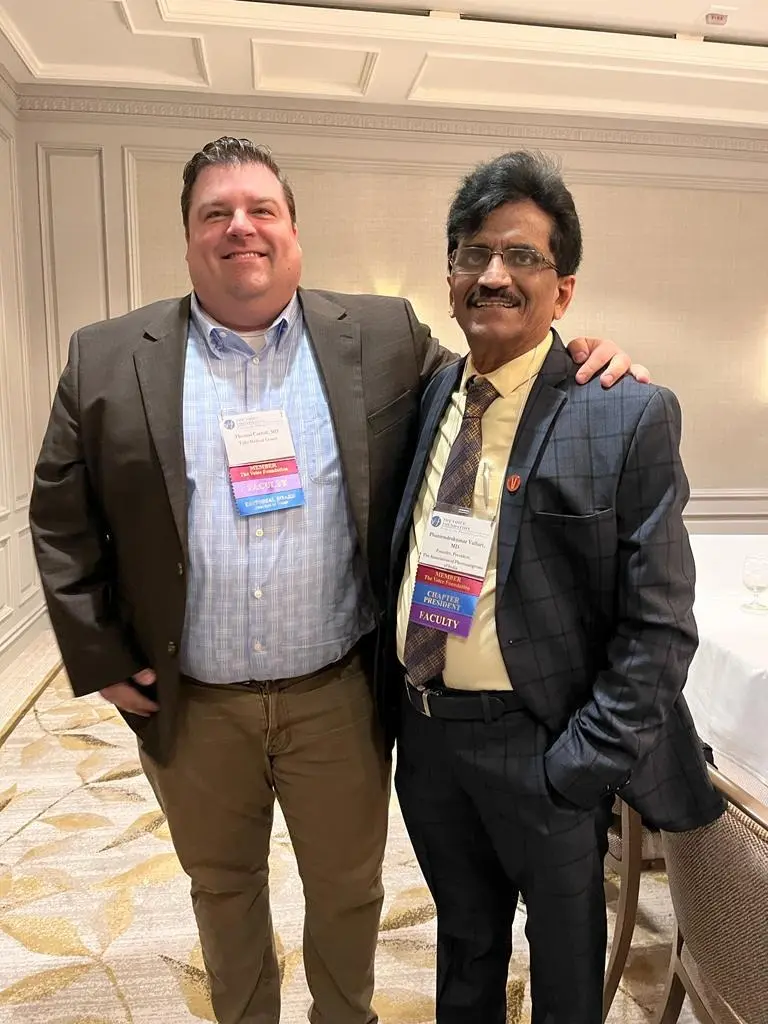
His vision was echoed by international collaborators, including interactions highlighted at global symposia—such as exchanges with Dr. Thomas Carroll at the 52nd Annual Symposium of The Voice Foundation—reflecting the deep bilateral academic ties between Indian phonosurgeons and their counterparts in the United States and Europe.
Institutional Synergy
The robust backing of multiple specialized organizations underscored the multidisciplinary nature of modern voice care:
- The Association of Phonosurgeons of India (APSI): Provided standard-setting clinical guidelines and national academic validation.
- The Voice Foundation (USA) – India Chapter: Facilitated adherence to global gold standards in voice research, education, and surgical philosophy.
- AOI Telangana & Local Associations: Ensured seamless logistical execution and regional clinical integration within Hyderabad’s burgeoning medical corridor.
- Speech-Language Pathology (SLP) Associations: Highlighted the indispensable role of voice therapists and SLPs in pre- and post-operative phonosurgical rehabilitation, reinforcing the multidisciplinary team approach required for optimal patient outcomes.
Future Outlook: The Next Generation of Voice Care
The triumph of the 17th Phonosurgery Course and International Workshop serves as a predictive indicator for the future of surgical education and clinical practice in otolaryngology. As medical technology continues to accelerate, several key trends are poised to shape the trajectory of phonosurgery in the coming decade:
1. The Mainstreaming of Office-Based Laryngeal Surgery
The shift from operating room-based procedures under general anesthesia to awake, office-based interventions under local anesthesia will continue to accelerate. Driven by advancements in flexible transnasal endoscopy, micro-instruments, and KTP/Thulium lasers, office-based phonosurgery reduces healthcare costs, eliminates general anesthesia risks, and allows for real-time patient voice feedback during phonosurgical adjustments (such as vocal fold augmentation or laser vaporization of lesions). Workshops like the one in Hyderabad are crucial for training surgeons in the specific psychological and technical competencies required for awake procedures.
2. Technological Integration: AI, Stroboscopy, and Tele-Rehabilitation
The future of voice diagnostics lies in the integration of Artificial Intelligence (AI) and machine learning algorithms with high-speed digital stroboscopy and acoustic voice analysis. AI-assisted diagnostic tools will soon enable early detection of mucosal wave abnormalities and malignant transformations long before they become macroscopically evident. Furthermore, the integration of tele-rehabilitation platforms will bridge the gap between surgeons and speech-language pathologists, ensuring that patients in remote areas receive comprehensive post-operative vocal therapy.
3. Expansion of Hybrid Educational Frameworks
Following the proven success of India’s first dual-concept hybrid phonosurgery workshop, medical educators worldwide are likely to adopt this paradigm for other complex surgical subspecialties. By removing geographical and financial barriers to baseline theoretical and observational education, hybrid models ensure that advanced surgical knowledge is democratized, ultimately elevating the global standard of patient care.
4. Continued International Collaboration
The strong institutional bonds forged between Indian voice institutions, APSI, and The Voice Foundation (USA) portend a future of robust international clinical trials, multi-center studies, and faculty exchanges. As surgical techniques are standardized globally, patients—regardless of geography—will benefit from uniform, high-level standards of voice preservation and restoration.
Conclusion
The 17th Phonosurgery Course and International Workshop held on October 28–29, 2023, was far more than a routine medical CME event; it was a watershed moment for surgical education in India and an exemplary model for the global medical community. By seamlessly integrating virtual global broadcasting with rigorous, hands-on tactile training, under the visionary stewardship of Prof. V. Phaniendrakumar and a coalition of premier medical societies, the event successfully equipped a new generation of otolaryngologists and speech-language pathologists with the tools, techniques, and confidence required to master the art and science of human voice restoration. As the medical field looks toward an increasingly digitized and multidisciplinary future, the legacy of this landmark workshop will undoubtedly resonate across operating rooms, clinics, and speech therapy suites for years to come.