
Executive Overview
In the days leading up to the 2026 GMA Dove Awards, Nashville—affectionately known to the faithful and the music industry alike as Music City—swelled with anticipation, gatherings, and special performances. While the city played host to numerous industry showcases, galas, and rehearsals, few settings could match the profound spiritual weight of a single evening at the historic Ryman Auditorium.
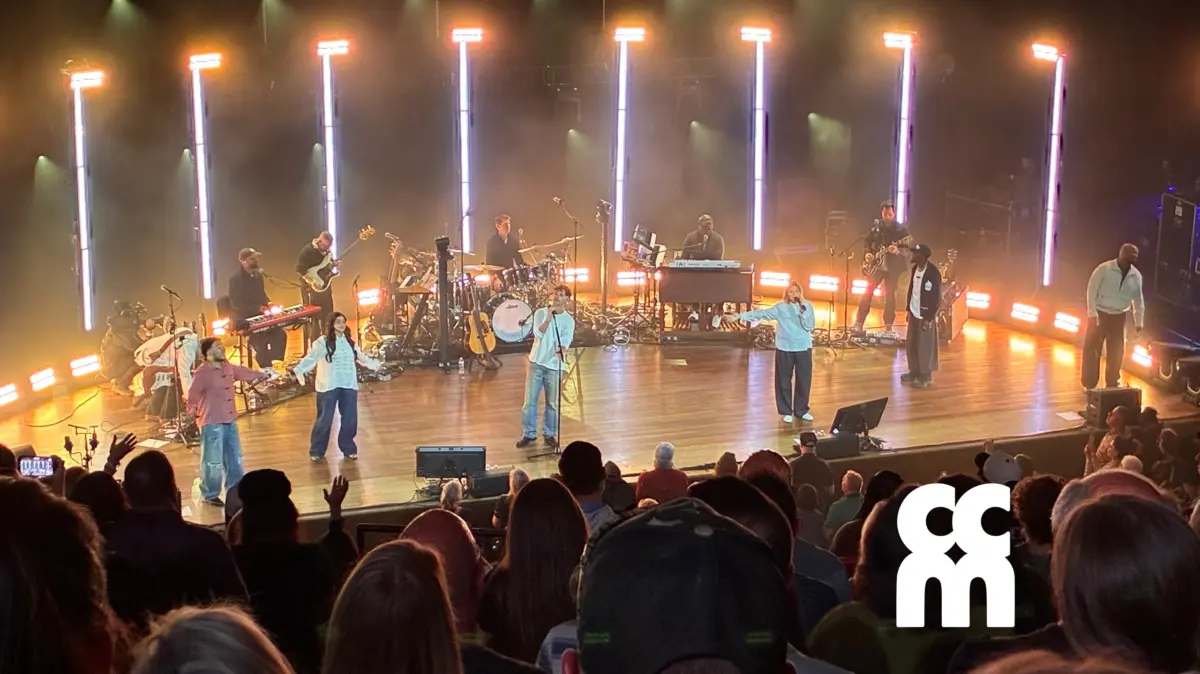
On this sacred night, contemporary worship juggernaut Elevation Worship took over the legendary "Mother Church of Country Music" for an intimate, deeply moving evening of praise. Serving as a spiritual precursor to the main awards ceremony at the nearby Bridgestone Arena on October 6, 2026, the Ryman event transcended the traditional boundaries of a live concert. It was designed not merely as entertainment, but as a corporate gathering of faith, featuring portions that were later broadcast to millions during the official awards telecast.
To capture the true essence of what transpired within those hallowed walls, we turned to eyewitness and attendee Wendy Scott. Her firsthand account illuminates an evening that quickly evolved from a scheduled musical performance into a transformative spiritual pilgrimage. This report provides a comprehensive examination of the event, integrating the chronology of the night’s deeply intentional setlist, the broader cultural and spiritual context of modern Christian worship, official perspectives from the collective, and the ongoing trajectory of a ministry that continues to shape global expressions of faith.
Detailed Chronology: "The Jesus Journey" at the Ryman
To understand the impact of Elevation Worship’s Ryman Auditorium performance, one must look closely at the intentionality of the evening. For millions of believers worldwide, Sunday morning worship has evolved into a cornerstone of spiritual life. Congregants gather in sanctuaries globally, lifting songs and prayers that are frequently shaped, written, and popularized by worship teams like Elevation Worship. Bringing this communal dynamic into the historic, pew-lined room of the Ryman created an immediate synergy between the performers and the audience.
As members of the collective—including Chris Brown, Tiffany Hudson, Jonsal Barrientes, Jeanna Winders Barrientes, Isaiah Templeton, and Davide Mutendji—took the stage, the atmosphere shifted perceptibly. Known for their mastery in facilitating corporate praise, the team invited the audience past passive observation and into active participation.
Attendees reported an immediate sense of the sacred entering the room, stripping away the anxieties of the outside world and inspiring a deep, vulnerable vulnerability. Rather than a standard concert format where artists perform to a crowd, the evening functioned as a guided spiritual progression—what attendee Wendy Scott aptly described as “The Jesus Journey.”
Phase One: Awakening to the Name
The evening commenced with an intentional focus on the identity and power of Jesus Christ. Opening with resonant anthems such as “I Know a Name” and “Jesus Be the Name,” the group established a foundational focus. These songs served to center the room, lifting the collective gaze away from industry spotlights and onto the foundational cornerstone of Christian faith. The soaring vocals and acoustic warmth of the Ryman amplified the lyrical declarations, setting a tone of holy reverence.
Phase Two: Surrender and Cleansing
As the evening progressed, the emotional and spiritual register shifted toward surrender. This phase of the journey called for congregants to lay down their burdens at the feet of the cross. The ensemble led the auditorium through deeply introspective songs like “O Come to the Altar,” a modern staple of global worship, alongside selections from Elevation Rhythm, including “Washed” and “Goodbye Yesterday.”
In this historic venue—where generations of artists have bared their souls—the collective release of past regrets, hidden struggles, and spiritual exhaustion created a palpable wave of peace throughout the pews. It was a masterclass in pastoral leadership through song, demonstrating how music can facilitate psychological and spiritual catharsis.
Phase Three: Empowerment, Strength, and Mercy
Having established a posture of surrender, the setlist pivoted toward divine empowerment. Believers navigating a broken world require more than comfort; they require supernatural strength and resilience. Elevation Worship anchored this segment with declarations of faith and past victories, performing powerhouse anthems such as “Same God,” “See a Victory,” “More Than Able,” and the reflective, deeply grateful “God, I’m Just Grateful.”
These songs served as sonic armor for the audience. By corporately singing of God’s historical faithfulness and present power, the crowd at the Ryman engaged in a timeless biblical tradition of remembrance, fortifying their spirits for the challenges of daily life.
Phase Four: The Grand Finale of Praise
The evening reached its crescendo with the grand finale, “Praise.” Bursting with kinetic energy and unbridled joy, the song transformed the historic, reverent auditorium into a dynamic celebration. Hands lifted high, the audience joined the vocalists in a sweeping expression of gratitude. It was a triumphant closing that encapsulated the overarching theme of the night: that praise is not merely a reaction to good circumstances, but a resolute spiritual weapon and an act of radical trust.
Supporting Context & Metrics: The Cultural Footprint of Elevation Worship
To fully appreciate the significance of this Ryman Auditorium gathering, one must examine the broader cultural and industrial landscape surrounding Elevation Worship and the 2026 GMA Dove Awards.
The Phenomenon of Elevation Worship
Originating from Elevation Church, a multi-site ministry based in Charlotte, North Carolina, Elevation Worship has grown into one of the most influential musical forces in modern Christian history. With multiple Grammy Awards, Dove Awards, and billions of digital streams to their credit, the collective has redefined the sound of contemporary church worship.
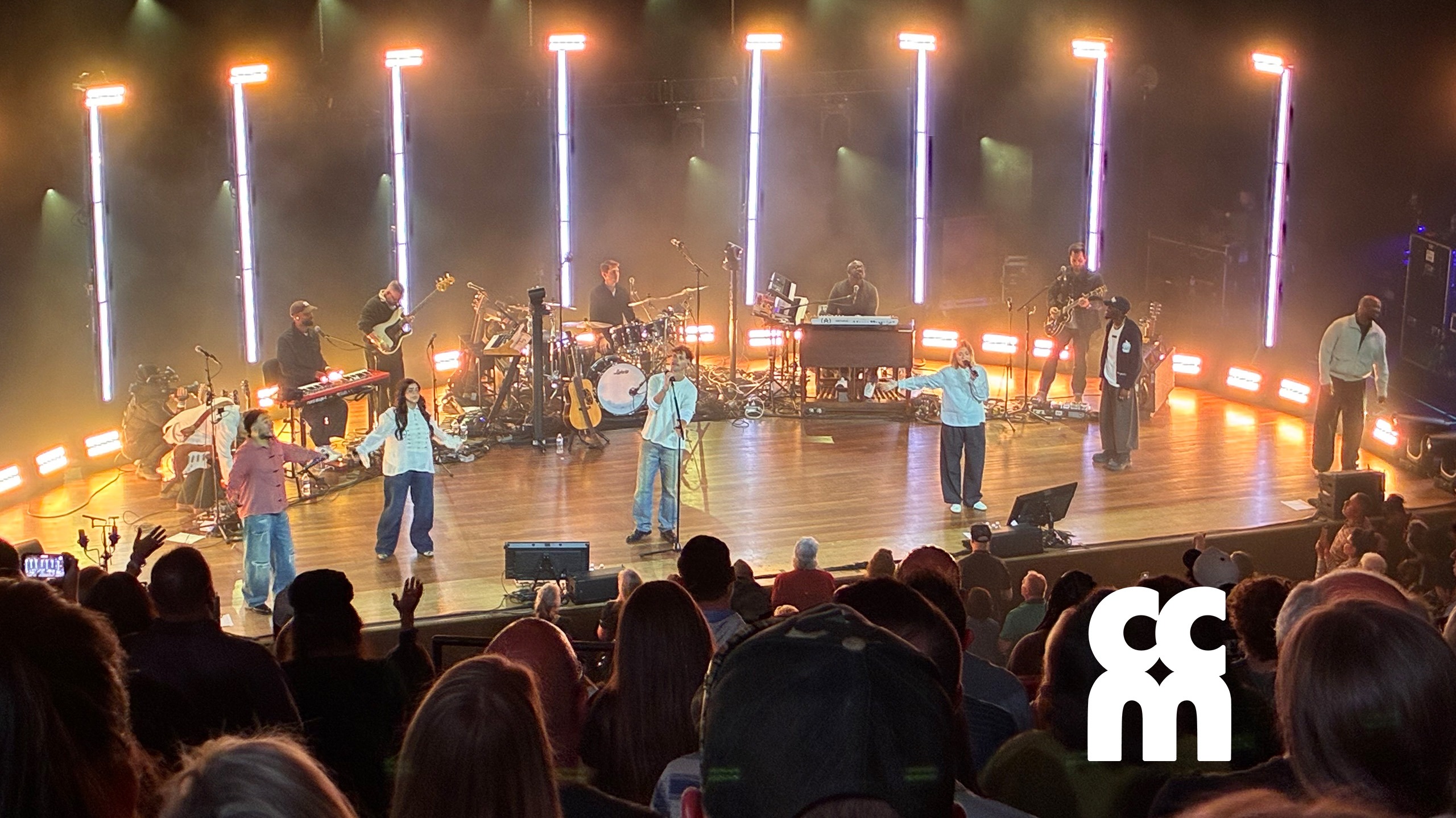
Their songs—ranging from intimate acoustic ballads to stadium-filling anthems—are translated into dozens of languages and sung in congregations across nearly every denomination globally. Their ability to bridge the gap between commercial music charts (frequently landing high on the Billboard Christian and mainstream charts) and local church liturgy is a rare feat in the modern music industry.
The Historic Ryman Auditorium as a Sacred Space
The choice of venue carried immense symbolic weight. Built in 1892 as the Union Gospel Tabernacle by charismatic evangelist Thomas R. Jones, the Ryman was originally constructed to house large-scale religious revivals. Though it achieved global renown as the mid-century home of the Grand Ole Opry and the birthplace of bluegrass, its foundational DNA is explicitly spiritual.
Holding a worship gathering within these walls acts as a reclamation of the building’s original purpose. The wooden pews, stained glass, and intimate acoustics create an environment where performers and audiences feel an unbroken historical chain connecting past revivals to present-day faith expressions.
Bridgestone Arena and the 2026 Dove Awards Prelude
The timing of the event directly preceded the 2026 GMA Dove Awards, held at Nashville’s massive Bridgestone Arena on October 6, 2026. While the Dove Awards celebrate the commercial and artistic achievements of the Gospel and Christian music industry across dozens of categories, events like the Ryman worship night remind the community of the ministry underpinning the music. By anchoring the festive industry week with a dedicated night of raw, unfiltered praise, Elevation Worship provided a vital spiritual anchor for artists, executives, and fans alike.
Official Perspectives and Statements
While corporate gatherings of this scale often generate significant media buzz, the core members of Elevation Worship have consistently emphasized that their primary metric of success is not chart performance or ticket sales, but spiritual impact.
In reflections shared following events of this magnitude, collective leaders often point to the brokenness of contemporary society as the very reason why corporate worship remains essential. As attendee Wendy Scott observed in her review of the evening:
"We live in a world that is broken and messed up. As Christians, we need to radiate God’s Word and His light into the world. That will speak and show truth. We need that more than ever!"
Industry analysts note that modern Christian music has taken on an increasingly pastoral role. In an era marked by cultural polarization, digital isolation, and mental health crises, collaborative worship experiences offer a unique form of collective therapy and community building.
Speaking on the intent behind their lyricism, members of Elevation Worship have frequently noted that songs like “See a Victory” or “Same God” are intentionally crafted to give voice to people who feel incapable of articulating their own prayers during seasons of suffering. By stepping onto the Ryman stage ahead of the Dove Awards, the collective signaled that the music being honored throughout the week is, at its heart, an act of vertical communication with the Divine, rather than horizontal performance for human applause.
Future Outlook: The Ongoing Evolution of Corporate Worship
As the echoes of the Ryman Auditorium performance fade and the music industry looks beyond the 2026 GMA Dove Awards, the ripple effects of nights like this continue to shape the future of Christian music.
The success of Elevation Worship’s intimate venue takeover points to a growing desire among audiences for authenticity and stripped-down spiritual encounters. While arena tours and stadium productions will undoubtedly remain a staple of the industry, moments of deep, communal vulnerability within historic, acoustically rich spaces demonstrate the enduring power of traditional church values applied in modern contexts.
Furthermore, as portions of the Ryman performance reached television viewers during the Dove Awards telecast, the ministry’s message extended far beyond the physical walls of the auditorium. This hybrid model—combining physical, localized church fellowship with broad digital and broadcast distribution—represents the blueprint for contemporary Christian music moving forward.
Ultimately, the evening served as a timely reminder of why these songs resonate so deeply in the first place. Whether sung in a packed arena, a local church sanctuary, or the historic pews of the Mother Church, the mission remains unchanged: to lead hearts away from anxiety, fear, and brokenness, and toward a posture of radical gratitude, unwavering faith, and fearless praise.