
Executive Overview
For centuries, the bassoon has occupied a paradoxical space within the classical music ecosystem. Lauded by orchestral insiders as one of the most physically demanding, technically complex, and expressive instruments in the symphonic ensemble, it has simultaneously suffered from a persistent, whimsical branding problem. Affectionately—and sometimes dismissively—dubbed the "clown of the orchestra," the double-reed instrument was famously weaponized for comic relief by master composers like Joseph Haydn, Paul Dukas, and Sergei Prokofiev. Others have leaned into its darker, more arcane qualities; famously, rock icon and composer Frank Zappa once remarked on the instrument’s peculiar, "medieval aroma."
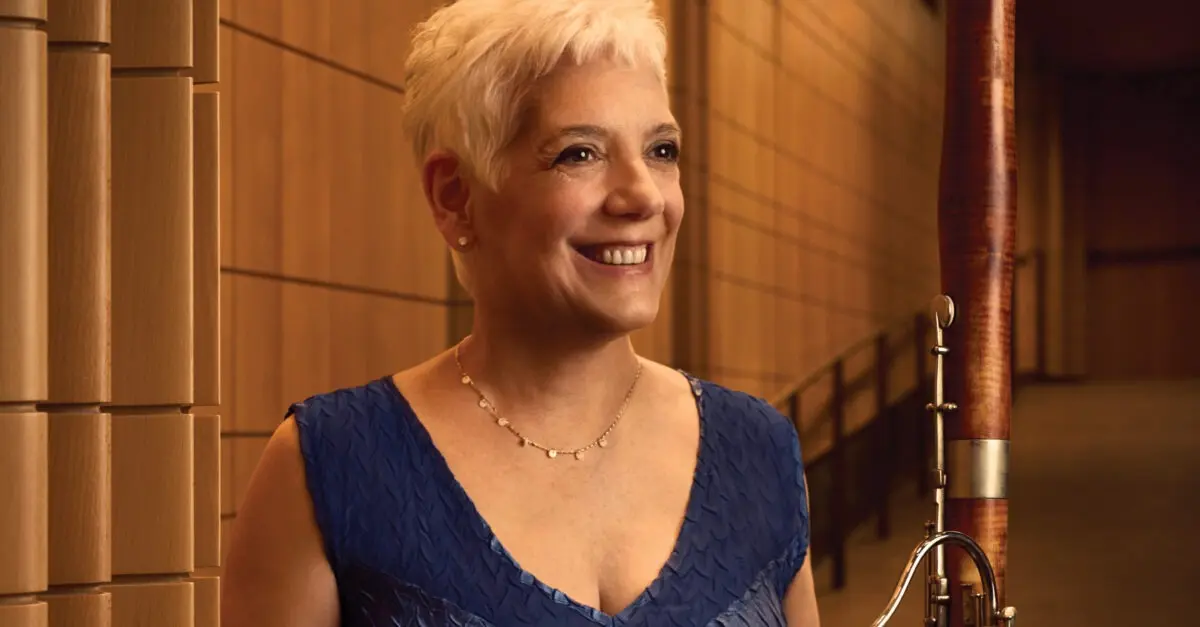
Yet, to anyone who has occupied a seat in the audience during a New York Philharmonic performance over the past four and a half decades, these characterizations are not just oversimplifications—they are egregious misrepresentations. For 45 distinguished years, Judith LeClair has served as the Philharmonic’s Principal Bassoon (holding The Pels Family Chair), reshaping public and critical perception of what the instrument can achieve. Appearing as a soloist with the orchestra more than 50 times, LeClair has systematically dismantled the bassoon’s comedic stereotypes, laying bare its profound emotional depth, vocal lyricism, and staggering virtuosity across standard cornerstones of the repertoire, including masterworks by Antonio Vivaldi, Wolfgang Amadeus Mozart, and Carl Maria von Weber.
Now, this storied tenure is reaching a breathtaking crescendo. Three years ago, when the New York Philharmonic—in a rare tripartite commissioning partnership with the St. Louis Symphony Orchestra and the Minnesota Orchestra—approached LeClair with plans to commission a brand-new concerto written expressly for her, she seized the moment. Her vision was clear: to birth a definitive modern showpiece that would showcase the bassoon’s absolute outer limits.
To bring this vision to reality, LeClair handpicked Pulitzer Prize-winning composer Kevin Puts, celebrated worldwide for his acclaimed cinematic operas Silent Night and The Hours. The resulting composition—a richly textured, melodically intoxicating work featuring intricate wind writing and a Boléro-esque second movement—receives its highly anticipated World Premiere at David Geffen Hall under the baton of conductor Santtu-Matias Rouvali. As LeClair navigates what she affectionately terms her "third act" with the Philharmonic, this landmark concerto stands not only as a monument to her legendary career, but as a transformative addition to the global orchestral canon.
Detailed Chronology: The Genesis of a Modern Masterpiece
The journey toward this landmark world premiere spans decades of orchestral dedication, but the specific genesis of the Puts-LeClair collaboration began approximately three years ago. At that time, the administrative machinery of three major American orchestras—the New York Philharmonic, the St. Louis Symphony Orchestra, and the Minnesota Orchestra—aligned to address a glaring gap in the contemporary symphonic repertoire: the scarcity of major, large-scale, accessible concertos written for the bassoon that fully explore its virtuosic and expressive capabilities.
Upon learning that she was to be the muse and dedicatee of this tripartite commission, LeClair experienced an immediate sense of artistic liberation. Rather than requesting a work focused purely on pyrotechnics, she envisioned a composition that would stand the test of time, entering the standard international repertoire for generations of future bassoonists to come.
"I wanted a concerto that showed the bassoon’s range," LeClair recalls, reflecting on the initial conceptualization phase, "its capacity, lyricism, expression, and all the things that other concertos don’t always show."
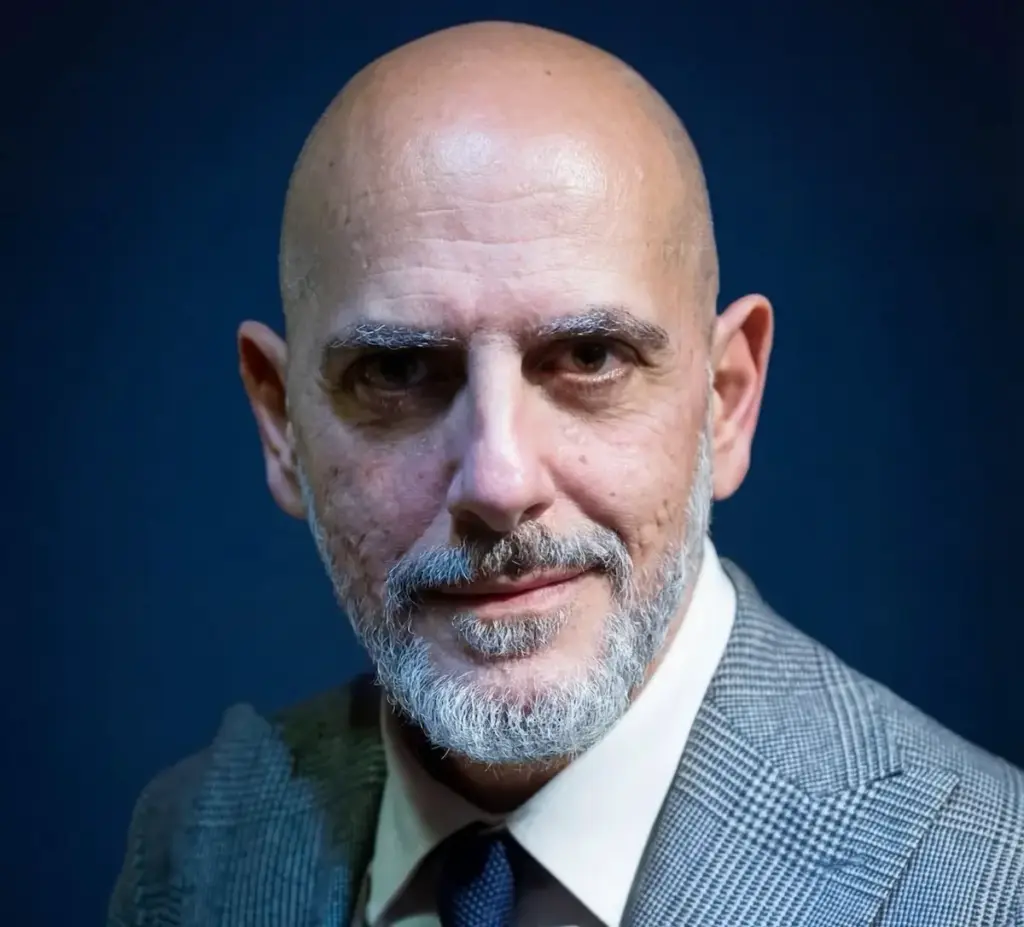
Given the authority to select the creative partner for this venture, LeClair’s decision was instantaneous. She turned to Kevin Puts, a composer whose harmonic language she had long admired. Puts, whose institutional footprint includes major operatic triumphs and orchestral scores performed by top-tier ensembles worldwide, accepted the commission with reciprocal enthusiasm. Having admired LeClair’s peerless tone and phrasing from afar, Puts immediately began conceptualizing a vehicle that would test and celebrate her specific musical sensibilities.
As Puts dove into the composition process, he maintained an acute awareness of LeClair’s historical positioning within the New York Philharmonic. He considered not only her soloistic prowess, but also her decades of real-time musical dialogue with her orchestral peers. This realization heavily influenced the structural design of the piece, inspiring rich passages of chamber-like interplay, intricate counterpoint, and intimate duets with other principal players within the Philharmonic’s woodwind section. The architecture of the concerto builds inexorably toward a deeply reflective, symbolic conversation between the soloist and the orchestra’s section bassoonist—a poignant musical metaphor for the passing of a torch.
When Puts finally delivered the MIDI realization files of the completed score to LeClair, the emotional impact was immediate. Listening to the digital preview, LeClair experienced an intense wave of emotion, realizing that Puts had poured the same level of dramatic narrative, structural integrity, and passionate intensity into this instrumental concerto as he had into his celebrated vocal and operatic works.
Supporting Context & Metrics: The Anatomy of Bassoon Mastery
To fully appreciate the significance of this world premiere, one must understand the unique physical and mechanical realities of the bassoon—and the monumental scale of Judith LeClair’s career within the New York Philharmonic.
The Demands of the Instrument
Often described as an acoustic marvel of complexity, the bassoon is constructed of nearly eight feet of conical wooden tubing folded back upon itself. It requires an extraordinarily intricate system of keys, pads, and metal tubes (the bocal), all manipulated by both hands across numerous thumb keys. Furthermore, bassoonists must construct their own double reeds from scratch—a meticulous, highly individualized craft that dictates intonation, resistance, and tone color.
Compounding these mechanical challenges are the physical demands placed on the performer’s respiratory and muscular systems. The air pressure required to project the instrument’s voice—capable of weeping in high tenor registers, growling in the abyss of the contra-register, or singing with a warm, cello-like resonance in the middle range—is immense.
A Historic Tenure
Judith LeClair’s tenure with the New York Philharmonic represents an elite tier of orchestral longevity. Appointed as Principal Bassoon in 1981 at the age of 24, she has spent 45 years anchoring one of the world’s most prestigious wind sections. Over this historic span:
- She has performed as a featured soloist with the New York Philharmonic more than 50 times.
- She has championed core concerto repertoire by Vivaldi, Mozart, and Weber, while continually expanding the stylistic boundaries of her instrument.
- She shares a rare distinction: this new commission by Kevin Puts marks the second time in her career that a legendary composer has written a major bassoon concerto specifically for her. Over thirty years ago, cinematic master John Williams composed his celebrated concerto, The Five Sacred Trees, expressly for LeClair and the Philharmonic.
The convergence of these metrics highlights an extraordinary truth: few instrumentalists in the history of American symphonic music have so thoroughly defined, elevated, and expanded the repertoire of their chosen instrument.
Official Statements & Artistic Perspectives
The mutual admiration between soloist and composer forms the beating heart of this new concerto. Both artists have spoken candidly about the collaborative synergy that drove the project from inception to the stage of David Geffen Hall.
"Kevin was the only person I considered," Judith LeClair states, discussing her choice of composer. "He has a profoundly beautiful voice that makes his music lush and passionate. He’s one of the few composers who uses every possible range and register of the instrument, both lyrically and technically."
LeClair’s assessment touches on a historic challenge in bassoon literature: many composers write for the instrument using a restricted tonal palette, failing to exploit its upper altissimo registers or its uncanny agility. Puts, by contrast, treats the bassoon as a multi-dimensional vocal protagonist.
For his part, Kevin Puts approached the commission with deep respect for LeClair’s institutional legacy and expressive capacity:
"I’ve admired Judy’s playing for years and relished the opportunity to write something that might serve as a vehicle for her great expressive powers," Puts explains. "Thinking of the decades of musical dialogue onstage with her brilliant colleagues in the Philharmonic, I found many opportunities for duets and counterpoint with the other principal players in the orchestra, culminating in a reflective duet between the soloist (Judy) and the orchestral bassoonist—a kind of passing of the baton."
While premiering a major new work carries a distinct set of anxieties—differing vastly from performing standard, time-tested masterpieces—LeClair embraces the challenge with characteristic grace and rigor.
"With a Mozart or Weber concerto, it is a matter of style and interpretation," LeClair observes, contrasting historical masterworks with living music, "whereas with a brand-new piece you’re creating the atmosphere and bringing it to life."
Despite the historical magnitude of the moment, LeClair remains refreshingly grounded, viewing her primary responsibility not as self-aggrandizement, but as an act of service to the music:
"My goal is to do absolute justice to Kevin’s beautiful work."
Future Outlook: A New Standard for the Repertoire
As the lights dim in David Geffen Hall for the world premiere conducted by Santtu-Matias Rouvali, the cultural significance of the event extends far beyond a single evening of applause. New orchestral concertos—particularly those written for woodwind instruments outside of the traditional flute, oboe, and clarinet triad—comparatively rarely achieve immediate, widespread adoption. However, the collaborative pedigree behind the Puts-New York Philharmonic-St. Louis-Minnesota commission positions this new concerto for a vibrant, enduring afterlife.
By intentionally designing the piece to be technically accessible yet deeply rewarding for advanced players, LeClair and Puts have sown the seeds for the work to enter international conservatory curricula and global orchestral seasons for decades to come. It offers a blueprint for how contemporary composers can honor the historical eccentricities of the bassoon while forcefully advocating for its emotional universality.
For Judith LeClair, this premiere represents the zenith of her "third act" with the New York Philharmonic—a capstone period defined not by slowing down, but by active artistic expansion, mentorship, and creative risk-taking. When the final notes of the concerto fade into the acoustic space of David Geffen Hall, they will mark not an ending, but a permanent recalibration of how the classical music world views, hears, and respects the once-underrated "clown of the orchestra."