
Executive Overview
The opening weeks of the academic school year in music education represent a delicate balancing act. Ensemble directors have moved past the initial chaos of student roll calls, navigated the logistical hurdles of instrument rental week, and successfully guided their concert bands, orchestras, and choirs into sounding like cohesive musical units. However, as the first grading period draws to a close and the looming demands of fall concert preparation take center stage, music educators face a persistent, high-stakes challenge: accurately assessing what every individual student actually knows and can do before formal grades are submitted.
Traditionally, music assessment has relied heavily on in-person, one-on-one evaluations or isolated performance tests pulled directly from standard music catalogs. While these methods measure basic execution, they often fail to capture the holistic development of a student musician—ignoring critical elements such as home practice habits, postural mechanics, technical proficiency, and theoretical comprehension.
To bridge this gap, educators are increasingly turning to advanced digital platforms like MakeMusic to expand their evaluation toolkit. Beyond traditional catalog-based performance assignments, contemporary music educators now have access to two highly flexible assessment methodologies: Audio/Video-Only Assignments and Multiple Choice Assessments. By integrating these diverse modalities into middle and high school ensembles, directors can cultivate independent learners, streamline their grading workflows, and establish robust weekly routines that prioritize both technical execution and foundational music theory—all without inflating planning hours.
Detailed Chronology of the Assessment Evolution
The integration of digital assessment tools into instrumental and vocal music education has undergone a significant transformation over the past decade, shifting from rudimentary recording software to comprehensive cloud-based ecosystems.
Phase One: The Analog Era and Early Digital Recording
For generations, music assessment was largely binary. Teachers listened to students play individually during class time while the rest of the ensemble sat idle, or they collected cassette tapes (and later, MP3 files) submitted via cumbersome email attachments. These methods were plagued by severe limitations:
- In-Class Auditions: Created immense performance anxiety and consumed valuable rehearsal time that should have been dedicated to ensemble pacing.
- Analog Submissions: Lacked visual context, preventing teachers from diagnosing underlying physical habits, such as improper bow holds, collapsed hand arches, or tension in the shoulders.
Phase Two: The Rise of Catalog Performance Software
As platforms like MakeMusic matured, the focus shifted toward automated performance assessments linked directly to published music catalogs. Students could practice with accompaniments, receive instant feedback on pitch and rhythm, and submit recordings digitally. While revolutionary for practicing repertoire, these standard performance assignments primarily measured the product—the final sound—rather than the process of how students arrived at that performance.
Phase Three: The Shift Toward Holistic, Multi-Modal Assessment
Recognizing that musical mastery involves physical awareness and theoretical literacy alongside auditory execution, educational technology developers introduced multi-modal assignment types. The recent rollout of Audio/Video-Only Assignments and Multiple Choice Assessments marks a pivotal shift in the chronology of music tech. By allowing teachers to visually inspect practice habits and test theoretical comprehension before a student ever plays a note, these tools complete the feedback loop, transforming homework from mindless repetition into targeted, reflective skill-building.
Supporting Context & Metrics: Why Diverse Assessments Matter
Educational research consistently demonstrates that multi-modal assessments yield superior learning outcomes compared to single-metric evaluations. In the context of music education, this approach addresses several core pedagogical challenges unique to ensemble settings.
The Black Box of Home Practice
When students take their instruments home, teachers lose visibility into their practice environments. Studies in motor learning indicate that bad physical habits—such as awkward posture, incorrect embouchures, or poor hand positioning—solidify rapidly during unsupervised practice. When these habits are practiced repeatedly, they degrade the overall sound of the ensemble and increase the risk of repetitive strain injuries.

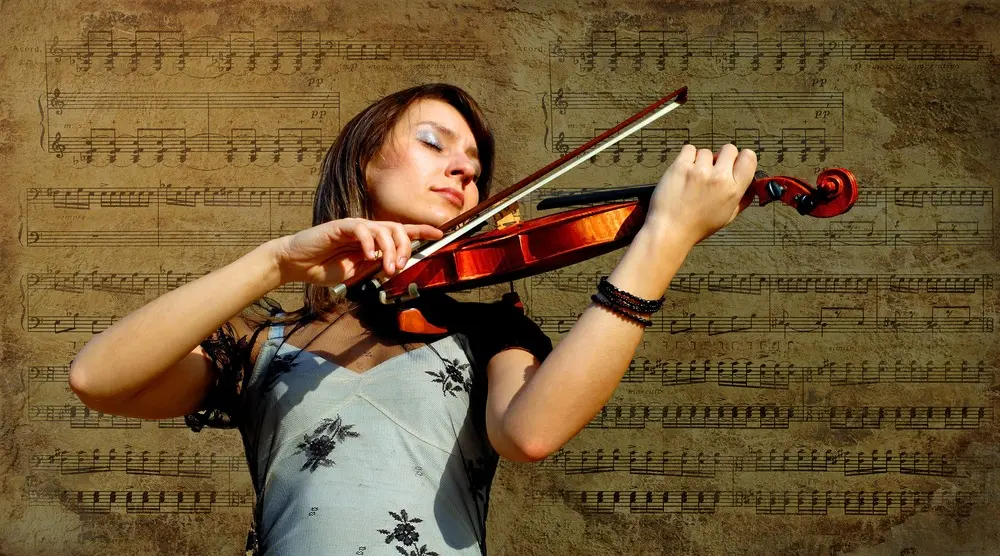
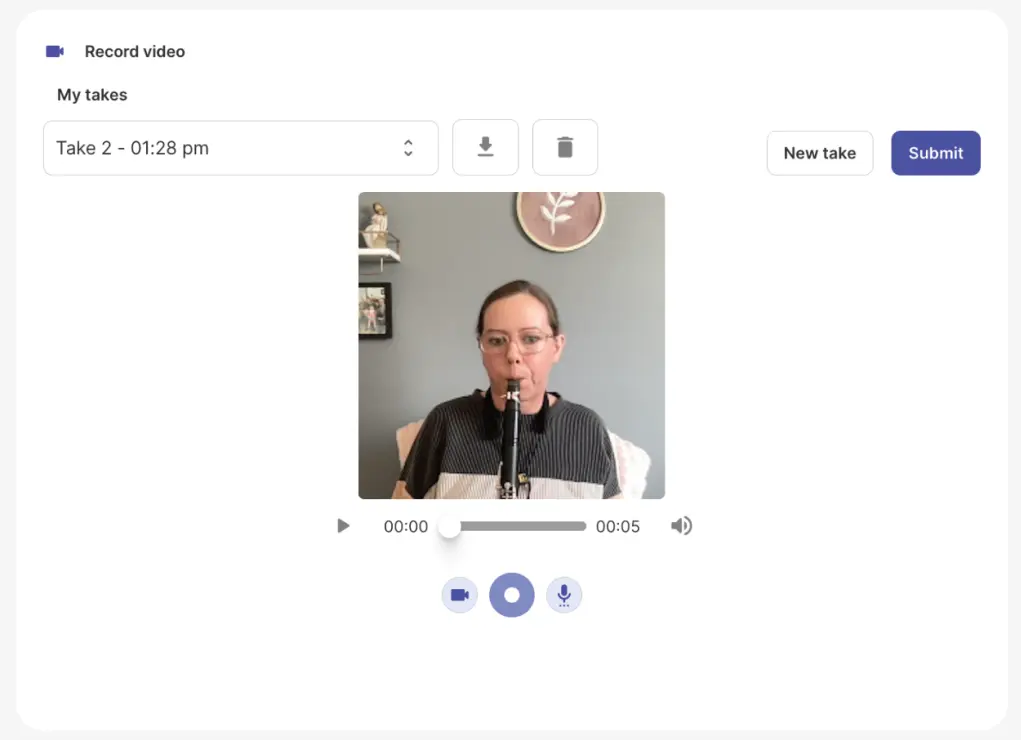
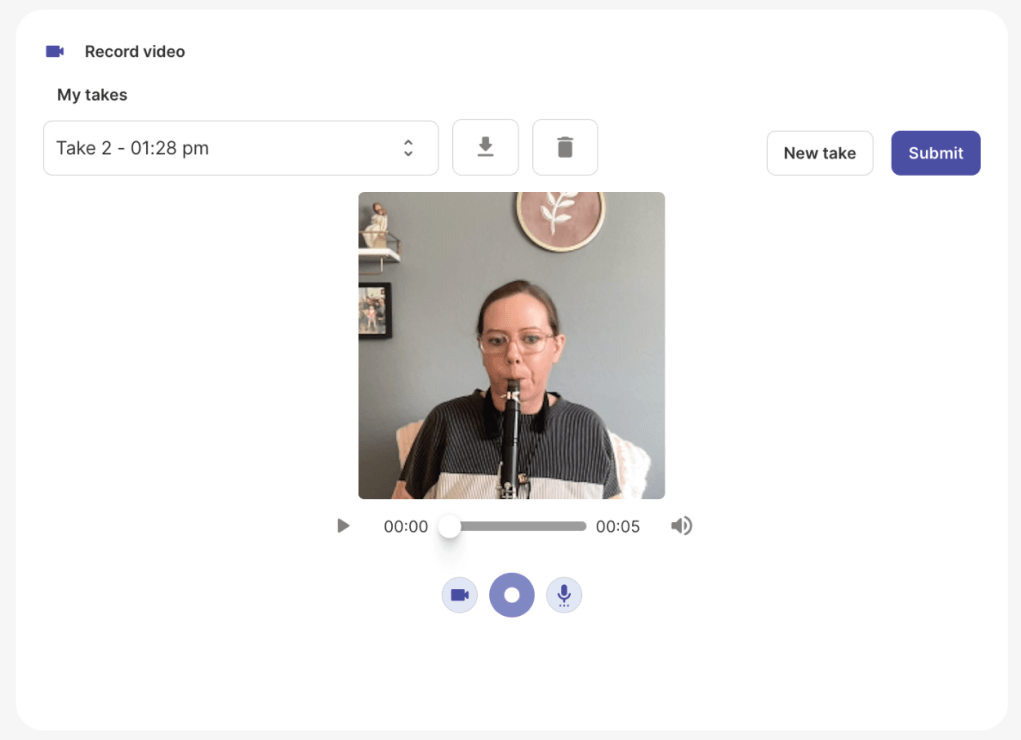
Audio/video-only assignments pierce this "black box." By requiring students to record and review brief video segments of their practice sessions, educators gain a window into home habits. More importantly, it empowers students to engage in self-regulation. When a student watches playback of their own playing, they instantly spot postural flaws that they could not perceive while focusing entirely on reading notation and producing sound.
Theoretical Literacy as a Catalyst for Performance
A common bottleneck in ensemble rehearsals is sight-reading and technical breakdown. Students often spend valuable rehearsal time stumbling through new repertoire because they have not analyzed the foundational elements of the score—such as key signatures, complex rhythms, accidentals, and dynamic markings.
Multiple-choice assessments serve as a vital pre-practice check. By embedding textual questions, custom images, and score excerpts into a digital format, educators can test theoretical comprehension before the instrument is unboxed. Metrics from digital learning platforms indicate that students who successfully complete pre-practice theoretical checks commit significantly fewer execution errors during their initial home practice sessions. Rather than wasting practice time unlearning mistakes, students enter the rehearsal room prepared to refine musicality.
Workflow Efficiency and Gradebook Integration
For the modern music educator managing anywhere from 100 to 200+ students across multiple ensembles, grading logistics can easily lead to professional burnout. Traditional grading of audio files requires listening to hours of isolated performances, while paper-based theory tests demand manual scoring and data entry.
Modern platforms alleviate this administrative burden through seamless integrations, such as Google Grade Passback. When assignments—whether multiple-choice quizzes, video check-ins, or catalog performance pieces—are completed within the platform, scores sync automatically to the Google Classroom gradebook. This administrative efficiency frees up countless hours, allowing directors to redirect their energy toward lesson planning, mentorship, and musical artistry.
Ready-to-Use Lesson Plans for Ensemble Directors
To help educators successfully implement these tools, the following ready-to-use lesson plans are built specifically for middle and high school band, orchestra, and choir directors seeking to integrate flexible assessment types into their weekly routines.
Lesson Plan 1: Audio/Video-Only Assignments
- Focus: Understanding and Refining Student Practice Habits
- Assignment Record, Watch, Fix
- Target Audience: Band or Orchestra Ensembles
- Time Commitment: 15 minutes at home
- Core Pedagogical Goal: Students learn to independently catch and correct their own posture, instrument angle, and hand-position habits during home practice without direct teacher intervention.
Implementation Steps:
- The Setup: During a regular rehearsal, spend five minutes demonstrating what proper posture and hand position look like, contrasting them with common errors (e.g., collapsed wrists, raised shoulders, incorrect bow holds).
- The Assignment Prompt: Instruct students to set up a device (phone, tablet, or laptop) to record a 3-minute video of themselves practicing a designated passage of their current concert music.
- The Reflection: Require students to watch their recorded video before submitting it. They must attach a brief written comment answering two questions: "What is one physical habit I noticed in the video that I need to fix?" and "What steps will I take tomorrow to correct it?"
- The Teacher Review: Educators review the video submissions, focusing primarily on physical mechanics rather than note accuracy, providing encouraging, corrective feedback that reinforces healthy technique.
Lesson Plan 2: Multiple Choice Assessments
- Focus: Pre-Practice Theoretical Literacy
- Assignment The Pre-Practice Check
- Target Audience: Any Ensembles (Band, Orchestra, Choir)
- Time Commitment: 5 minutes at home
- Core Pedagogical Goal: Students identify key signatures, recurring rhythmic motifs, tricky intervals, and dynamic markings in a new concert piece before attempting to play or sing it at home.
Implementation Steps:
- The Resource Generation: Using the assessment creation tools within the platform, build a short 5-question multiple-choice quiz featuring cropped image excerpts from an upcoming concert score.
- Question Design: Craft questions that target potential stumbling blocks. For example: "Look at measure 17-20 in your part. What accidental is carried through this measure?" or "Which instrument section has the melody in measure 32?"
- The Assignment Prompt: Assign the multiple-choice quiz as homework before the first full-ensemble rehearsal of the new piece.
- The Integration: Use the automated grading data to gauge class-wide comprehension. If 80% of the students miss a question regarding a specific rhythmic syncopation, the director knows precisely what to address during the warm-up of the next rehearsal, optimizing instructional time.
Building a Balanced Weekly Routine
Achieving pedagogical excellence does not require inundating students with endless homework or overwhelming teachers with mountains of grading. The secret lies in curating a balanced weekly assessment routine that rotates assignment types strategically.
By blending multiple assessment modalities, educators create a comprehensive evaluation ecosystem that covers technical execution, theoretical understanding, and physical health:
- Monday: Multiple Choice Assessment (Pre-Practice Check). Students analyze the theory, key signatures, and challenging rhythms of a newly introduced concert piece.
- Wednesday: Audio/Video-Only Assignment. Students submit a short recorded practice session focusing on postural awareness, tone production, and self-correction.
- Friday: Catalog Performance Assignment. Students submit an automated performance evaluation demonstrating note and rhythm accuracy on a specific section of repertoire.
This diversified weekly rotation ensures that students are continually challenged across different cognitive and physical domains. Crucially, it accomplishes this comprehensive oversight without adding hours to the educator’s weekly planning or grading schedule, particularly when paired with automated LMS sync features like Google Grade Passback.
Official Statements and Industry Insights
Music education experts and platform architects emphasize that technology should serve to deepen the human connection between teacher and student, rather than mechanize the artistic process.
"We designed these flexible assessment types to honor the nuance of music instruction," notes a lead product specialist at MakeMusic. "An ensemble is more than just right and wrong notes; it is posture, breath support, theoretical awareness, and disciplined practice habits. By giving directors the tools to assess these elements effortlessly, we help them mentor well-rounded musicians rather than merely coaching students to pass automated tests."
Pedagogical consultants frequently stress that the transition to digital assessments should be incremental. Educators are repeatedly advised not to overhaul their entire curriculum overnight. Instead, the consensus recommendation is to pilot a single assignment type—such as a five-minute multiple-choice pre-practice check—during the next grading cycle. By evaluating student engagement and analyzing the resulting data, teachers can gradually scale their digital integration to match their instructional style.
Future Outlook: The Horizon of Digital Music Pedagogy
As educational technology continues to advance, the landscape of music assessment is poised for even greater refinement. Looking toward the future, several emerging trends promise to further revolutionize how ensemble directors monitor student progress:
- Enhanced Diagnostic AI: Future iterations of practice platforms will likely incorporate more sophisticated diagnostic feedback tools, helping students instantly identify intonation discrepancies and rhythmic micro-timing issues in real time during home practice.
- Data-Driven Differentiation: As multiple-choice and audio assessments feed rich analytical data into centralized dashboards, directors will be equipped to automatically group students by specific technical needs, creating targeted small-group instruction within large ensemble settings.
- Seamless Multi-Platform Ecosystems: The continued refinement of gradebook passback protocols and district-wide LMS integrations will virtually eliminate administrative friction, cementing digital assessment as a seamless, invisible backbone of modern music programs.
Start Small, Start Now
For music educators overwhelmed by the demands of the fall concert season, the path forward is clear: you do not need to overhaul your entire curriculum to modernize your assessment strategy.
Begin by selecting one of the flexible lesson formats outlined above—whether it is a quick video-based practice check or a targeted multiple-choice theory quiz—and integrate it into next week’s lesson plan. Observe how the data illuminates your students’ understanding, saves you instructional time, and transforms home practice from a guessing game into purposeful preparation.
To take the first step, log in to your digital music platform, open the assignment creation menu, and design your next assessment. For educators new to these tools, exploring trial options provides an immediate opportunity to test every assignment type before the next rehearsal cycle begins, ensuring your ensembles are fully prepared for the stage ahead.