
DALLAS, TX — In an era where performing arts organizations continually grapple with the challenge of audience development and cultural relevance, The Dallas Opera (TDO) is taking its artistry directly to the doorsteps of its community. Demonstrating a bold commitment to accessibility, inclusivity, and arts education, the internationally acclaimed company has officially announced its comprehensive fall family and community programming for the 2026 season.
Featuring two distinct operatic productions tailored for younger audiences, a sprawling neighborhood tour powered by an innovative mobile stage, and student matinees backed by the full force of The Dallas Opera Orchestra, the upcoming season represents a masterclass in modern arts outreach. By breaking down the traditional architectural and financial barriers that often keep potential patrons outside the opera house, TDO is actively cultivating the next generation of classical music enthusiasts.
Executive Overview: A Blueprint for Modern Opera Outreach
The newly unveiled fall schedule is designed to captivate audiences of all ages, blending timeless fairy tales with world-class musicianship. Under the visionary leadership of the company’s artistic and administrative teams, the 2026 fall lineup is anchored by two major pillars: a whimsical, fast-paced adaptation of a beloved Brothers Grimm classic, and the triumphant return of a contemporary operatic masterpiece that completely sold out its run last season.
At the heart of this initiative is a decentralized approach to performance. Rather than expecting families and community members to travel exclusively to the Margot and Bill Winspear Opera House in the Dallas Arts District, the company is bringing the magic of live theater to neighborhood venues, community centers, parks, and schools.
The cornerstone of this mobile crusade is the ingenious "OperaTruck"—a state-of-the-art mobile outdoor stage engineered on the flatbed of an 18-wheel tractor-trailer, generously donated by Board Chair Quincy Roberts. Through this vessel of cultural diplomacy, TDO is transforming public spaces into vibrant concert halls, ensuring that world-class vocal performance and orchestral brilliance remain within reach for every corner of the Dallas-Fort Worth metroplex.
Detailed Chronology of the 2026 Fall Season
The autumn calendar is densely packed with performances, offering families multiple entry points to experience the visceral power of opera. Below is the detailed chronological breakdown of the events slated for the fall of 2026.
October 17, 2026: The Kickoff with "The Town Musicians of Bremen"
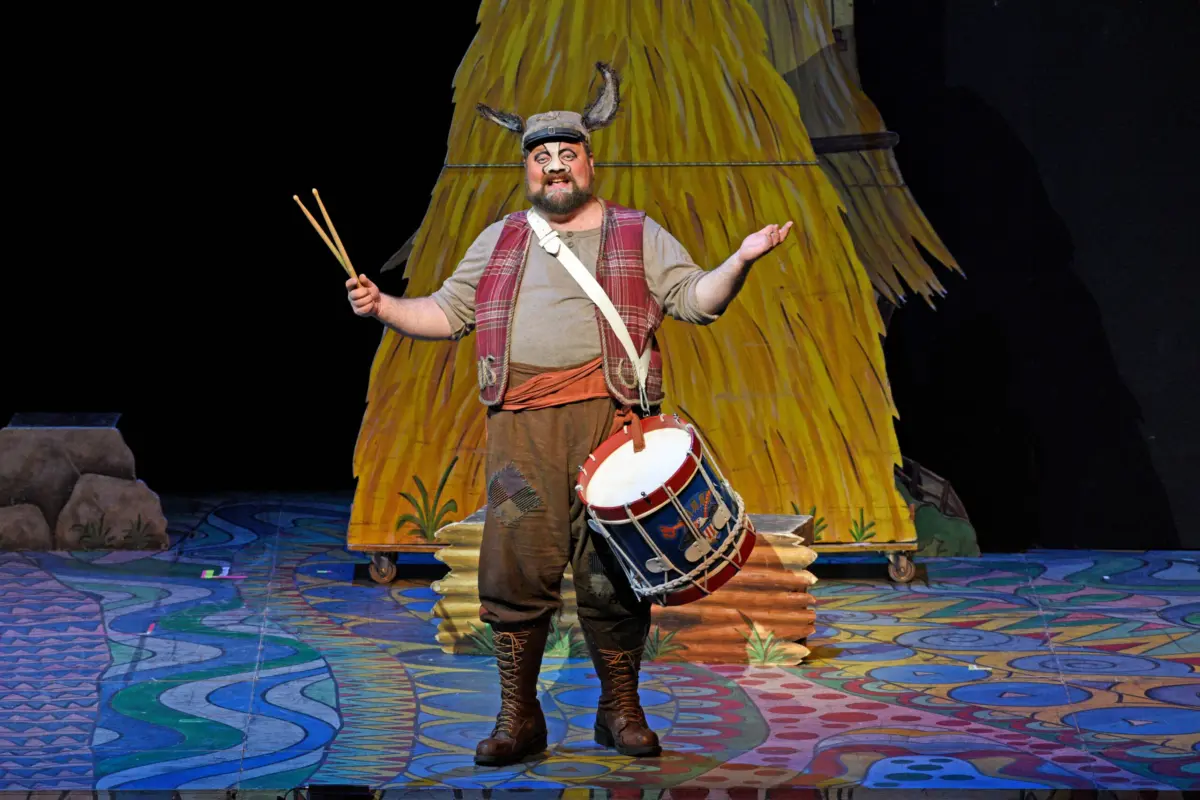
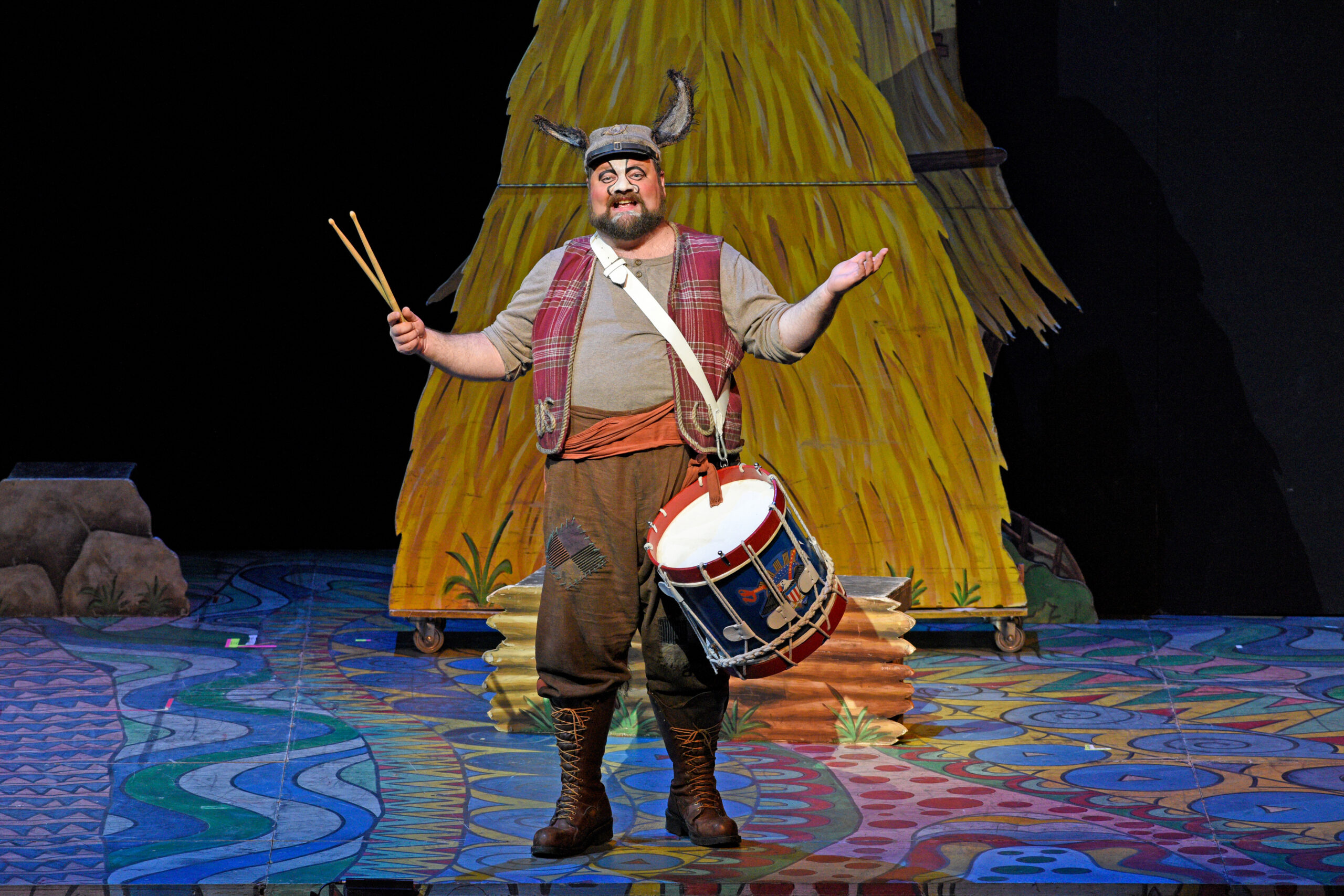
The fall family programming officially commences on October 17, 2026, with a high-energy, 35-minute operatic adaptation of "The Town Musicians of Bremen."
Designed specifically to introduce children and first-time opera-goers to the art form, this production is a clever pastiche of classical masterpieces. Rather than relying on a single composer, the musical score weaves together sparkling melodies and dramatic flair by legendary masters including Jacques Offenbach, Gioachino Rossini, Gaetano Donizetti, Arthur Sullivan, and Giuseppe Verdi. This brilliant mosaic of musical styles is paired with an engaging narrative written by John Davies, who breathes new life into the classic German fairy tale about a donkey, a dog, a cat, and a rooster who band together to seek a better life and outsmart a band of robbers.
October 24 – December 5, 2026: The Community and OperaTruck Tour
Following its initial bow, “The Bremen Town Musicians” will embark on an extensive tour spanning more than a month, bringing live performance directly into the heart of Dallas neighborhoods.
Running from October 24 through December 5, 2026, the tour utilizes a mix of traditional community spaces and the remarkable OperaTruck. This mobile stage allows the production to pop up in unexpected locales—ranging from suburban parks to urban plazas—democratizing access to high art and turning everyday public spaces into sites of communal artistic celebration.
November 2–8, 2026: The Return of "The Little Prince"
In November, the company shifts its focus to a larger-scale contemporary masterpiece: composer Rachel Portman and librettist Nicholas Wright’s acclaimed operatic adaptation of "The Little Prince."
The production makes a highly anticipated return to Dallas following a completely sold-out run last season. Based on Antoine de Saint-Exupéry’s timeless philosophical novella, this 50-minute version has been meticulously adapted by Mary Dibbern. The production boasts the full, lush sound of The Dallas Opera Orchestra, providing an emotional depth that resonates deeply with audiences of all ages.
To ensure that the next generation of students experiences the highest tier of musical excellence, the student matinee performances will be co-conducted by Head of Music and Chorus Director Paolo Bressan alongside Martha R. and Preston A. Peak Fellow Claire Lewis. Running from November 2 to November 8, 2026, these matinees serve as an immersive educational field trip for regional schools, merging literature, music, and theatrical design.
Supporting Context & Metrics: The Mechanics of Mobile Opera
To fully appreciate the scope of The Dallas Opera’s 2026 community initiative, one must examine the logistics and philosophy driving modern arts administration. Traditional opera houses face mounting financial and logistical pressures. High ticket prices, urban traffic, parking costs, and the perceived formality of traditional venues can create psychological and economic barriers for working-class families.
Breaking Down the Architectural Barrier
By deploying the OperaTruck, TDO bypasses these hurdles entirely. The mobile stage—a fully equipped, professional-grade performance platform built on an 18-wheeler flatbed—is an engineering marvel designed to bring professional lighting, sound amplification, and theatrical staging directly to underserved neighborhoods. Donated by Board Chair Quincy Roberts, the truck represents a significant capital investment in civic engagement. It transforms public parks and community squares into cultural hubs, proving that world-class opera does not need to be confined to gilded halls to maintain its artistic integrity.
The Educational Imperative
The inclusion of full orchestral backing for “The Little Prince” underscores TDO’s dedication to authentic musical education. Studies consistently demonstrate that early exposure to classical music and live theater significantly enhances cognitive development, emotional intelligence, and academic performance in children. By engaging students through tailored matinees—guided by seasoned conductors like Paolo Bressan and rising talent Claire Lewis—the company is investing in long-term audience development. When a child hears the sweeping textures of Rachel Portman’s score performed by a professional orchestra, the experience leaves an indelible mark, planting the seeds for a lifelong appreciation of the performing arts.
Official Statements and Administrative Vision
While specific quotes regarding the 2026 season rollout reflect an ongoing institutional ethos, leadership at The Dallas Opera has consistently emphasized that community outreach is not merely an ancillary project, but a core pillar of the company’s mission.
"Opera is a living, breathing art form that belongs to everyone," notes administration leadership within the company’s artistic framework. "When we take productions like ‘The Bremen Town Musicians’ out on the OperaTruck, or when we welcome thousands of students to experience the magic of ‘The Little Prince’ with a full orchestra, we are doing the essential work of building community. We are showing young people that these stories, these emotions, and this music are entirely for them."
The involvement of philanthropic leaders such as Quincy Roberts—whose donation of the OperaTruck made this decentralized touring model possible—highlights a growing recognition among arts patrons that the future of the genre depends on proactive mobility and aggressive community engagement. Furthermore, the collaborative efforts of musical directors like Paolo Bressan and fellows like Claire Lewis ensure that artistic standards remain uncompromisingly high, even when performing on an outdoor truck bed or for a room full of energetic school children.
Future Outlook: Setting a New Standard for Regional Opera Companies
As arts organizations across the United States navigate a post-pandemic landscape defined by shifting consumer habits and digital competition, The Dallas Opera’s fall 2026 programming offers a compelling blueprint for survival and growth.
By refusing to choose between elite artistic excellence and grassroots accessibility, TDO is demonstrating that the two concepts are mutually reinforcing. High-quality productions performed in schools and neighborhood parks build goodwill, generate organic word-of-mouth marketing, and demystify an art form that has historically been viewed as exclusive.
Looking beyond the fall of 2026, the success of the OperaTruck tours and sold-out family runs like “The Little Prince” will likely serve as a catalyst for even more ambitious outreach efforts in the future. As new generations of Dallas youth grow up watching fairy tales brought to life by world-class singers and instrumentalists in their own neighborhoods, the cultural fabric of the city is permanently enriched.
Ultimately, The Dallas Opera is proving that the future of opera is not locked behind the grand doors of a downtown performing arts center; it is rolling down the highway on an 18-wheeler, parking in community squares, and opening its heart to anyone willing to listen.