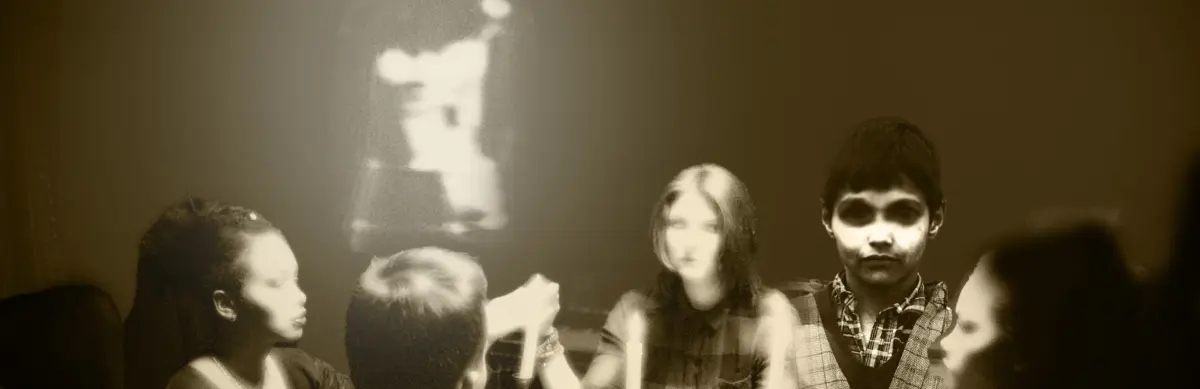

BUENOS AIRES, ARGENTINA — In a major cultural event for Argentina’s vibrant performing arts landscape, the Compañía de Ópera del Departamento de Artes Musicales y Sonoras (DAMus) of the Universidad Nacional de las Artes (UNA) is preparing to mesmerize audiences with Gian Carlo Menotti’s psychological thriller, The Medium. Opening on October 27 at the prestigious Auditorio “Julio García Cánepa,” this limited four-day engagement brings together some of the brightest emerging talents in South American classical music for an intense exploration of guilt, deception, and the supernatural.
True to UNA’s mission of democratizing access to high culture, admission to all performances is entirely free, ensuring that students, local residents, and international opera aficionados alike can experience world-class lyric theater without economic barriers. The production runs through October 30, culminating in a tightly curated run of four performances that promise to showcase the immense pedagogical and artistic vigor housed within DAMus.
Executive Overview
Gian Carlo Menotti’s The Medium remains one of the most gripping chamber operas of the 20th century. Premiered in 1946, the two-act tragedy tells the chilling story of Madame Flora (Baba), a fraudulent psychic who ostensibly communicates with the dead for grieving clients, only to be psychologically dismantled by her own manufactured deceptions when she feels a cold, phantom hand grasp her throat during a seance.
For the UNA production, a powerhouse creative and interpretive team has been assembled. The artistic vision is anchored by musical director Marta Blanco and stage director Bea Odoriz, whose collaborative synergy promises a visually striking and musically rigorous staging. Adding substantial heft to the orchestral pit is guest conductor Samuel Valenzuela Díaz, leading the UNA Symphony Orchestra under the leadership of principal conductor Fernando Albinarrate.
The production boasts double-cast roles, highlighting the deep pool of vocal talent nurtured at DAMus. Agostina Paula Tudisco and Sabrina Contestabile share the grueling title role of Madame Flora, while Sofi Di Nicola and Marianella Nervi Fadol portray her sensitive daughter, Mónica. The ensemble is rounded out by Nacho Suares Christiansen and Félix Cordero (Mr. Gobineau), Lara Pizarro and Ximena Bazán (Mrs. Gobineau), Lucía Cuesta Lazzaro and Melisa Rulli (Mrs. Nolan), and Matias Pollitzer in the poignant, physically demanding mute role of Toby. Providing the sonic foundation on the keys are pianists Aldo Ayala and guest pianist Sebastián Napolitano, working alongside costume and set designer Mariela Daga to transport audiences into the claustrophobic, eerie parlor of Madame Flora.
Detailed Chronology of the Production
The journey toward bringing The Medium to the stage at the Auditorio “Julio García Cánepa” represents months of rigorous academic preparation, vocal coaching, and dramatic exploration within the halls of DAMus.
Pre-Production and Rehearsal Phase
Planning for the autumn opera season at UNA traditionally begins months in advance, but mounting a work as emotionally dense as Menotti’s requires a unique psychological and technical approach. Unlike sweeping romantic operas that rely on grand choruses and lush orchestration, The Medium is an intimate, expressionistic chamber drama where every breath, pause, and micro-expression carries immense dramatic weight.
Under the guidance of stage director Bea Odoriz, the dual casts underwent extensive acting workshops designed to plumb the depths of Menotti’s libretto. The opera deals with heavy themes—schizophrenia, spiritual fraud, alcoholism, and isolation—requiring young artists to step far outside their comfort zones. For the singers tackling Madame Flora, the challenge lies in portraying a character who is simultaneously a manipulative charlatan and a woman descending into genuine madness. Meanwhile, the performers playing Mónica and the mute Toby had to establish a delicate, communicative physical language independent of standard operatic conventions.
Concurrently, the musical preparation led by Marta Blanco and guest conductor Samuel Valenzuela Díaz focused on mastering Menotti’s jagged, highly rhythmic, and cinematic score. The UNA Symphony Orchestra, accustomed to a wide-ranging symphonic repertoire, had to adapt to the idiosyncratic demands of 20th-century operatic pit work, where synchronization with stage action is paramount. Pianists Aldo Ayala and Sebastián Napolitano played a crucial foundational role during early rehearsals, serving as the connective tissue between vocal coaching and full orchestral run-throughs.
The Performance Schedule
The production opens on October 27, marking the beginning of a high-intensity four-day run at the Auditorio “Julio García Cánepa.” Following opening night, performances continue consecutively, offering matinee and evening options designed to maximize public engagement. The run concludes on October 30, completing a tight, four-performance arc that tests the stamina, emotional resilience, and technical precision of the entire ensemble.
Supporting Context & Metrics
To fully appreciate the significance of this production, one must examine the institutional framework of the Universidad Nacional de las Artes and the historical weight of the opera being performed.
The Institutional Pillar: DAMus and UNA
The Universidad Nacional de las Artes is Argentina’s premier public institution dedicated exclusively to higher education in the arts. Within UNA, the Departamento de Artes Musicales y Sonoras (DAMus) serves as a vital incubator for the country’s future instrumentalists, vocalists, composers, and conductors.

The Compañía de Ópera del DAMus plays a critical dual role: it acts as a high-level performance platform for advanced students while serving as a cultural asset for the broader Buenos Aires community. By mounting full-scale opera productions, DAMus bridges the gap between academic theory and professional stagecraft. Students gain invaluable hands-on experience working with established industry professionals like Bea Odoriz, Marta Blanco, and Fernando Albinarrate, preparing them for careers on national and international stages.
The Musical and Thematic Legacy of The Medium
Gian Carlo Menotti, an Italian-born American composer and librettist, is best known for his lyrical, accessible 20th-century operas that fused Italian verismo with American theatrical sensibilities. The Medium, alongside its companion piece The Telephone, catapulted Menotti to international fame, earning him a Broadway run following its initial 1946 premiere at Columbia University.
The opera’s enduring relevance lies in its sharp critique of human credulity and the psychological toll of guilt. In an era where misinformation, digital isolation, and the exploitation of spiritual vulnerability remain pervasive, Menotti’s depiction of Madame Flora—who cynically manipulates the grieving before ultimately being destroyed by her own ghosts—resonates with unsettling modernity. Musically, the score utilizes recurring motifs, dissonance, and soaring, melancholy melodies (such as Mónica’s famous aria, "O Black Swan") to create an atmosphere of inescapable dread.
Production Team & Cast Breakdown
- Musical Director: Marta Blanco
- Stage Director: Bea Odoriz
- Guest Conductor: Samuel Valenzuela Díaz
- Orchestra: UNA Symphony Orchestra (Principal Conductor: Fernando Albinarrate)
- Set and Costume Designer: Mariela Daga
- Pianists: Aldo Ayala, Sebastián Napolitano (Guest)
Cast Lineup (Double Cast):
- Madame Flora (Baba): Agostina Paula Tudisco / Sabrina Contestabile
- Mónica: Sofi Di Nicola / Marianella Nervi Fadol
- Mr. Gobineau: Nacho Suares Christiansen / Félix Cordero
- Mrs. Gobineau: Lara Pizarro / Ximena Bazán
- Mrs. Nolan: Lucía Cuesta Lazzaro / Melisa Rulli
- Toby (Mute): Matias Pollitzer
Official Statements and Artistic Vision
While academic and artistic institutions often let their work speak for itself, the philosophy driving this specific iteration of The Medium reflects a concerted effort by UNA’s leadership to foster creative bravery among its students.
In statements regarding the upcoming run, faculty leadership and artistic directors have emphasized the importance of exposing young singers to complex, dramatic repertoire rather than relying solely on standard-19th-century standards like Puccini or Verdi. The decision to mount Menotti requires a mastery of modern vocal coloring and theatrical timing that elevates the pedagogical standards of DAMus.
Stage director Bea Odoriz has frequently championed theater as an empathetic mirror for society. In discussions surrounding the staging of The Medium, the production team has focused on humanizing Madame Flora. Rather than portraying her as a cartoon villain, the dual interpretations by Tudisco and Contestabile present her as a tragic figure trapped by her own socioeconomic desperation and internal demons.
Similarly, the musical leadership under Marta Blanco and Samuel Valenzuela Díaz has underscored the necessity of precision in Menotti’s score. The collaborative dynamic between the guest conductor and the UNA Symphony Orchestra has been praised in rehearsals for its energetic momentum, ensuring that the orchestral texture mirrors the psychological tightening of the plot.
Furthermore, the commitment to free admission remains a cornerstone of UNA’s public philosophy. University representatives have consistently maintained that world-class operatic performance must not be restricted by socioeconomic class, making the Auditorio “Julio García Cánepa” a vibrant cultural hub accessible to all citizens of Buenos Aires during the late-October run.
Future Outlook
As the curtain rises on October 27, the implications of this production extend far beyond the four nights at the Auditorio “Julio García Cánepa.” For the students taking the stage, The Medium represents a critical milestone on their resumes—a demanding role performed under professional conditions that will undoubtedly open doors to regional and international opera houses.
The success of DAMus’s opera company highlights the resilience and vitality of Argentina’s classical music sector. Despite economic headwinds and institutional challenges facing public arts funding in the region, the commitment demonstrated by UNA, its faculty, and its student body proves that high-level artistic production remains a cornerstone of Buenos Aires’ cultural identity.
Looking ahead, the momentum generated by this production is expected to inform DAMus’s programming for the upcoming academic year. With plans already underway for future seasons, the Compañía de Ópera continues to cement its reputation as a vital engine for operatic innovation in South America. For those fortunate enough to secure a seat for the October run, The Medium promises an unforgettable evening of theatrical intensity, showcasing the very best of what the next generation of Argentine artists has to offer.