
Executive Overview
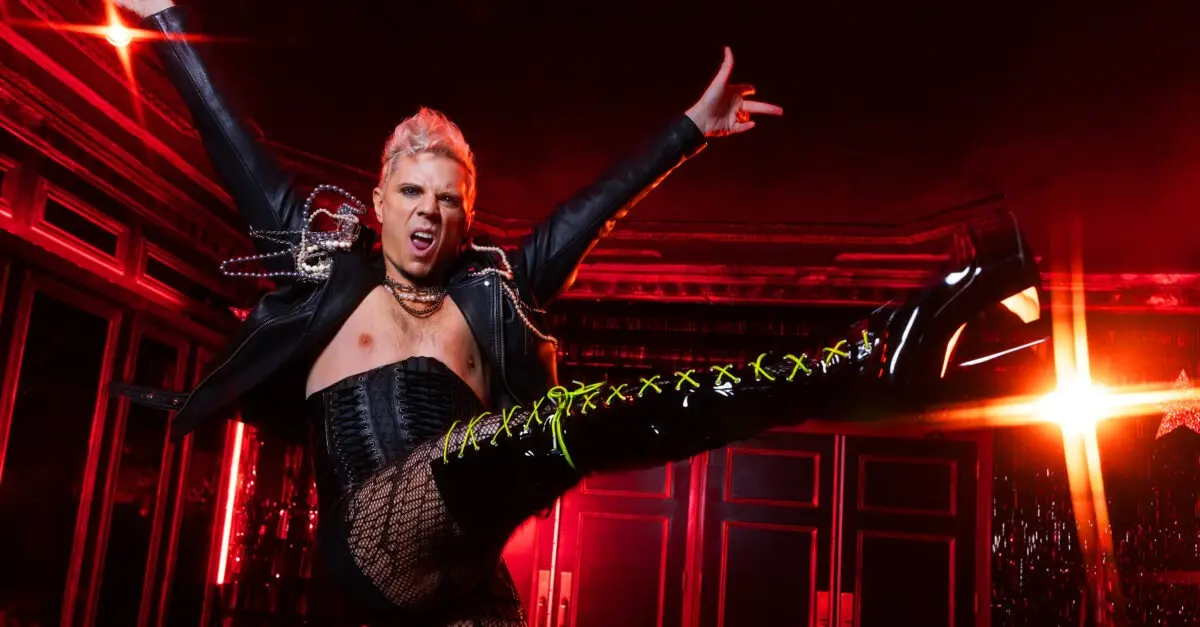
Richard O’Brien’s iconic, campy, cult-classic queer musical The Rocky Horror Show continues to dominate the Great White Way, cementing its current Studio 54 residency as a landmark theatrical event of the decade. Following unprecedented commercial triumph and an overwhelming demand from audiences, producers have dropped a fresh slate of high-glam cast portraits, highlighting the vibrant ensemble driving this modern reinvention. Directed by Tony Award winner Sam Pinkleton, the production has already shattered historical barriers—most notably breaking the Studio 54 box-office house record during the week ending June 28 with a staggering gross of $1,215,225.
Initially launched with previews on March 26 and an official opening on April 23, the revival has defied standard theatrical life cycles. Bolstered by two major ticket extensions, the production is now safely anchored on Broadway, with tickets officially on sale through February 28, 2027. Garnering nine 2026 Tony Award nominations—including a coveted nod for Best Revival of a Musical—this incarnation of The Rocky Horror Show has firmly proven that O’Brien’s transgressive 1973 masterpiece remains as vital, electric, and commercially potent as ever.
Detailed Chronology: From London Underground to Studio 54 Supremacy
The Genesis: 1973–1980
The phenomenon known universally as The Rocky Horror Show first shook the theatrical establishment on June 19, 1973, when it premiered in the modest, upstairs space of London’s Royal Court Theatre. Written by Richard O’Brien, who originally conceived the piece as a way to marry rock-and-roll energy with B-movie sci-fi and horror tropes, the production was an instant underground sensation.
The narrative follows straight-laced, newly engaged couple Brad Majors and Janet Weiss. Stranded on a rainy night with a flat tire, they stumble upon a brooding, gothic mansion owned by Dr. Frank-N-Furter, a charismatic, gender-non-conforming "sweet transvestite" mad scientist from the planet Transsexual, in the galaxy of Transylvania. As Brad and Janet are seduced and initiated into Frank’s eccentric, hedonistic inner circle—meeting characters like the eerie handyman Riff Raff, groupie Magenta, tap-dancing Columbia, and the chemically engineered muscle-man Rocky—the boundaries of conventional morality, gender expression, and sexual liberation dissolve entirely.
Fuelled by O’Brien’s electrifying, rock-influenced score—featuring undeniable anthems like “Dammit Janet,” “Sweet Transvestite,” “The Time Warp,” and “Touch-a, Touch-a, Touch-a Touch Me”—the London production bounced through several venue transfers. It ultimately amassed a staggering cumulative run of 2,960 performances before finally closing its doors in 1980.
Transatlantic Struggles and Cinematic Immortality
Encouraged by its London triumph, the musical crossed the Atlantic for a 1974 run in Los Angeles that enjoyed a healthy nine-month engagement. However, the subsequent 1975 Broadway premiere at the Belasco Theatre proved to be a harsh reality check. Hampered by mixed reviews and audiences not yet primed for its avant-garde gender-bending antics, the original Broadway transfer limped along for a mere three previews and 45 regular performances.
History, however, had alternative plans. The true catalyst for global domination arrived later in 1975 with the release of the cinematic adaptation, The Rocky Horror Picture Show. Directed by Jim Sharman and starring creator Richard O’Brien as Riff Raff alongside Tim Curry, who triumphantly reprised his stage role as Frank-N-Furter, the film also featured breakout performances by Susan Sarandon and Barry Bostwick.
While initially a box-office disappointment, the film found its true calling as a midnight-movie staple. Generations of fans ("Rocky Horror Virgins" and veterans alike) transformed screenings into interactive rituals, complete with call-and-response lines, prop throwing, and theatrical costuming. Attracted by its uncompromising celebration of sexual fluidity and outsider acceptance, the cinematic phenomenon has played continuously in movie houses for nearly half a century—making it the longest-running theatrical release in film history. The cultural resonance of the property was further contextualized in the recent documentary Strange Journey: The Story of Rocky Horror, directed by O’Brien’s son, Linus.
The Modern Revival Era
Before landing its current monumental home at Studio 54, The Rocky Horror Show experienced notable revivals, including a celebrated Broadway mounting in 2000 and a high-profile West End return in 2023. Regionally, the show has proven to be an indestructible staple for community and professional theatres alike. By conservative estimates, the stage version alone has entertained over 40 million patrons across performances translated into roughly 15 languages.
Yet, none of these recent iterations have achieved the lightning-in-a-bottle cultural footprint of the current Sam Pinkleton-directed revival. From its record-shattering box-office receipts to its nine 2026 Tony nominations, this production has redefined how a modern audience interacts with vintage camp, turning Studio 54 into the ultimate cathedral of theatrical inclusivity.
Supporting Context & Metrics
The Creative Engine Room
The sheer sensory overload of the Studio 54 revival is driven by an elite cadre of Broadway designers and creatives. Direction by Tony Award winner Sam Pinkleton is complemented by high-octane choreography from Ani Taj (Dead Outlaw). The sonic landscape of the show is fiercely maintained through music direction and orchestrations by Kris Kukul (Beetlejuice).
Visually, the production is a masterclass in atmospheric design:
- Set Design: Crafted by Tony nominees dots (Oh, Mary!), transforming Studio 54 into a decaying, immersive castle of sin.
- Costume Design: Headed by David I. Reynoso (Water for Elephants), blending retro-futuristic fetish wear with classic horror silhouettes.
- Lighting Design: Executed by Tony winner Jane Cox (Appropriate), heightening the expressionistic terror and glamour.
- Sound Design: Engineered by Tony winner Brian Ronan (Beautiful), ensuring every guitar riff and vocal belt pierces the auditorium.
- Hair, Wig & Make-up Design: Masterminded by Alberto “Albee” Alvarado (The Outsiders) and Sterling Tull (No Glow, Love Island USA), ensuring the cast’s transformations are immaculate night after night.
- Stage Management: Overseen by production stage manager Bryan Bauer (Oh, Mary!, Mother Play).
Box Office Performance & Demographic Reach
The commercial metrics of the Studio 54 staging tell a story of unmatched audience appetite. Breaking the venue’s historical house record during the week ending June 28 with a gross of $1,215,225, the production routinely plays to packed houses of devoted fans and curious newcomers.
With tickets now available through February 28, 2027, the production has secured a multi-year footprint on Broadway. Industry analysts point to the show’s unique ability to draw a multi-generational demographic—bridging older queer audiences who discovered the film in the 1970s and 80s with Gen Z theatergoers seeking authentic, non-conformist representation on stage—as the primary engine behind its longevity.
Official Cast Portraits and Ensemble Breakdown
To celebrate the massive extension through early 2027, producers have rolled out a striking new portfolio of cast portraits, capturing the anarchic spirit of the company.
The current star-studded, genre-bending principal cast features:
- Jake Shears as the charismatic, commanding mad scientist Frank-N-Furter.
- Lorna Courtney as the wide-eyed, awakening Janet Weiss.
- Rachel Dratch as the wry, unflappable Narrator.
- Amber Gray as the sinister, plotting Riff Raff.
- Kevin McHale as the square, bewildered Brad Majors.
- Jimin Moon as the genetically engineered, muscle-bound creation Rocky.
- George Salazar in the dual roles of Eddie and Dr. Scott.
- Sherie Rene Scott as the sultry Magenta.
- Valentina as the dynamic, tap-dancing Columbia.
The powerhouse ensemble and swings supporting this principal lineup include Renée Albulario, Anania, Boy Radio, Tassy Kirbas, Preston Perez, Caleb Quezon, Andres Quintero, and Paul Soileau. Additionally, the production continues to make headlines with high-profile guest casting additions, such as the upcoming arrival of comedy icon Margaret Cho.
Future Outlook
As The Rocky Horror Show looks ahead toward its extended run stretching well into 2027, the production stands as a triumph of artistic vision and commercial viability. In an era where Broadway often leans toward safe, pre-packaged intellectual property, Sam Pinkleton and his creative team have proven that radical, queer, counter-culture art can command mainstream box office dominance without losing its razor-sharp edge.
With its nine Tony Award nominations establishing its critical pedigree, and an ever-evolving cast of stage and screen luminaries keeping the material fresh, Studio 54 will remain warped in a state of eternal midnight for the foreseeable future. For veterans of the Time Warp and virgins stepping into the foyer for the very first time, the message remains clear: Don’t dream it, be it.