
Executive Overview
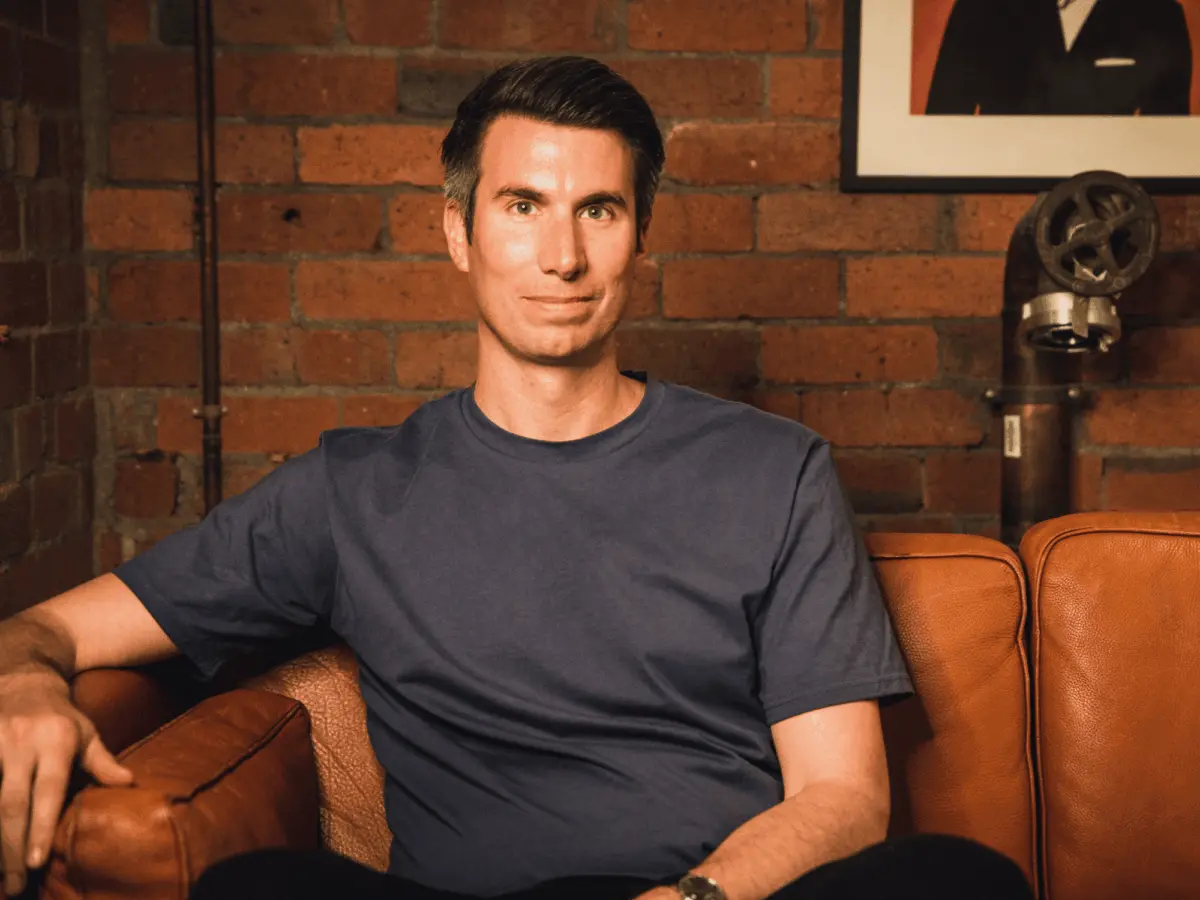
In an era dominated by the relentless pursuit of virality, algorithmic approval, and overnight playlist placement, the foundational pillars of sustainable artist development are frequently overlooked. Few executives understand this paradigm shift better than Jaddan Comerford, the founding CEO and visionary leader of Unified Music Group. For decades, Comerford has been at the forefront of the Australian music industry, guiding domestic talent onto the global stage and navigating the volatile transitions of the modern digital music marketplace.
In a comprehensive recent interview with Artist Ally, Comerford addressed the systemic anxieties plaguing emerging creators today—chiefly, the obsession with instant digital gratification. His core thesis challenges the prevailing wisdom of the streaming age: rather than chasing ephemeral algorithmic spikes, independent artists must focus on patient career cultivation, authentic audience engagement, and tangible offline connections.
This article explores Comerford’s strategic insights, analyzing the dangers of the "quick-fix" mentality, the tactical benefits of physical scarcity and grassroots marketing, and how modern independent acts can build resilient, long-lasting careers in an increasingly saturated global ecosystem.
Detailed Chronology: The Evolution of Music Discovery and Industry Realities
To understand the weight of Comerford’s contemporary advice, it is vital to trace how the music industry arrived at its current technological crossroads.
The Traditional Gatekeeper Era (Pre-2010s)
Historically, breaking an artist required a methodical, capital-intensive pipeline. Record labels acted as gatekeepers, investing heavily in radio promotion, physical distribution, press campaigns, and regional touring cycles. Success was rarely immediate; development deals gave artists the runway to hone their craft, write multiple albums, and slowly build a dedicated regional fanbase before attempting international expansion. While this system was often criticized for being exclusive and opaque, it naturally fostered a culture of career longevity.
The Streaming and Algorithmic Revolution (2010s–2020s)
The democratization of music production and digital distribution completely dismantled traditional barriers to entry. Suddenly, anyone with a laptop could upload a track to Spotify or Apple Music. However, this liberation birthed a new set of challenges. As the volume of daily releases skyrocketed into the tens of thousands, discovery shifted from human curators (radio DJs, record store clerks, music journalists) to machine-learning recommendation engines and social media algorithms.
This technological pivot created a cultural obsession with virality. Platforms like TikTok transformed the industry into an attention economy where a 15-second hook could propel an unknown artist to global charts overnight. Yet, as Comerford notes, this speed has come at a severe cost: the erosion of structural foundations. Artists who peak via a viral moment often find themselves unequipped to sustain momentum once the algorithm shifts its focus elsewhere.
Supporting Context & Metrics: The Perils of the "Quick Fix" and Digital Fatigue
The Illusion of the Viral Milestone
Comerford’s primary warning to emerging talent is directed at the psychological toll of the modern metric-driven landscape. Many artists labor under the assumption that a single breakthrough moment—a viral video, a high-profile playlist slot, or a sudden spike in streaming numbers—will permanently solve their career challenges.
“This feeling of, ‘If only I could go viral,’ or, ‘If only I could get on a playlist, everything would be okay.’ These sorts of things can be great, but without building foundations, those things can often be very short-lived,” Comerford observed during his interview.
Statistically, data supports this observation. While high-placement playlisting or viral social media moments can generate massive temporary influxes of casual listeners, retention rates for these audiences are notoriously low. Listeners acquired purely through passive algorithmic recommendations rarely convert into superfans who buy merchandise, attend live shows, or support future album cycles.
The Antidote: Authenticity and Live Performance
To combat algorithmic dependency, Comerford advocates for a return to fundamental artistic identity. Sustainable success, he argues, rests on a triad of core competencies:
- Conviction: Creating music that the artist genuinely believes in and can stand behind without artistic compromise.
- Authentic Salesmanship: The ability to communicate the artistic vision clearly to the public.
- Live Execution: Translating recorded work into compelling, memorable live performances that forge deep emotional bonds with crowds.
“Are you making music that you believe in, that you can authentically sell, and perform live, and convince people? Can you then build audience? Can you take that audience on a journey? These things take time, and things that take time are generally the things that last longer.”
Official Statements & Strategic Insights: Embracing the Offline Rebellion
Perhaps the most provocative portion of Comerford’s advice centers on an old-school counter-strategy: stepping away from the digital feed entirely and re-embracing physical, localized, and scarce community-building.
The Power of Scarcity in a Sea of Abundance
In the digital age, music is infinitely abundant and accessible instantly at the push of a button. Paradoxically, this absolute convenience has diminished the perceived value of recorded art. Comerford suggests that independent artists weaponize scarcity to re-engage listeners who are suffering from digital fatigue.
He shared a recent anecdote regarding advice he gave to an emerging act overwhelmed by the digital treadmill:
“Release the first songs just on a CD, and just sell them to your 50 fans, or 100 fans… and make it limited, and make it scarce.”
While acknowledging that manufacturing limited physical runs is far from a revolutionary concept, Comerford emphasizes its psychological potency in today’s climate:
“It’s not an incredibly original idea — it’s been done forever. But fans increasingly want these experiences as we just get maybe slightly fatigued with all the various things coming at us digitally.”
Grassroots and Guerrilla Marketing
Beyond physical releases, Comerford champions a return to hyper-local, grassroots marketing initiatives that force artists to engage directly with their communities. Recommended tactics include:
- Pop-Up Performances: Hosting impromptu acoustic or underground sets in local parks, community spaces, or non-traditional venues.
- Collaborative Showcases: Teaming up with fellow local artists and musicians to pool audiences, share resources, and build collective sub-cultures rather than competing in isolation.
- Direct-to-Fan Intimacy: Cultivating intimate circles of early adopters who feel a genuine sense of ownership and partnership in the artist’s early journey.
By anchoring an artist’s early career in physical reality rather than floating entirely within the ether of social media feeds, creators build an immune system against algorithmic volatility.
Future Outlook: Navigating the Independent Music Ecosystem Ahead
As the music industry looks toward the horizon, the wisdom shared by Unified Music Group’s CEO serves as a timely roadmap for independent creators. The future does not belong solely to those who master the latest platform hack or optimize their metadata for shifting algorithms; it belongs to artists who treat their careers as marathon endeavors rather than sprint races.
Key Takeaways for Emerging Artists:
- Prioritize Depth Over Breadth: Building a tight-knit community of 500 true superfans who buy physical goods and attend shows is vastly superior to having 50,000 passive, algorithmic streams that yield minimal revenue and zero loyalty.
- Reclaim the Physical Experience: In a world saturated by high-definition digital streams, physical formats (CDs, cassettes, vinyl) and live, in-person touchpoints offer tactile authenticity that computers cannot replicate.
- Resist the Pressure to Rush: Sustainable artistic evolution requires patience. Allowing songs, albums, and fanbases to mature organically ensures structural integrity when global opportunities finally arise.
By blending modern distribution tools with timeless, grassroots community-building strategies, independent artists can break free from the exhausting cycle of algorithm-chasing—building instead a resilient, long-lasting career that withstands the test of time.