
Executive Overview
In the rapidly shifting landscape of arts journalism, few digital endeavours have left as profound, sustained, and intimate a mark on the British classical music scene as Classical Source. Founded more than three decades ago at the precipice of the digital revolution, the independent e-zine championed a radical idea: that classical music criticism on the internet did not need to mimic the shrinking column inches of traditional print, nor did it require institutional patronage, venture capital, or a paywall to survive.
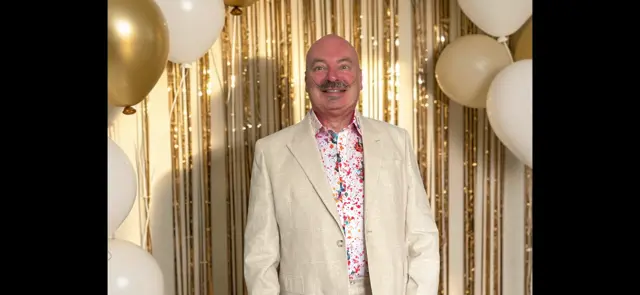
At the helm of this enterprise has been Chris Caspell. Serving as Managing Director, technical architect, and financial stalwart, Caspell has quietly steered the publication through its various incarnations, weathering technological pivots, economic downturns, and the unpredictable whims of online media consumption.
As Caspell marks his milestone 60th birthday—celebrated affectionately by his colleagues with cricket metaphors of "remaining not out" despite a barrage of "googlies"—the classical music community has rallied to honour not just the man, but the institution he helped build. From its roots as a pioneering pre-millennial e-zine to its recent near-demise and subsequent preservation, Classical Source stands as an invaluable living archive of London’s vibrant concert life and beyond. This feature explores Caspell’s multifaceted life in music, the pioneering history of Classical Source, the unique ethos that empowered generations of critics, and the heartfelt tributes from a community that refuses to let its legacy fade away.
Detailed Chronology: From the Dot-Com Dawn to Digital Resilience
The Genesis: A Pre-Millennial Vision
The story of Classical Source begins over thirty years ago, long before social media algorithms dictated cultural visibility, and at a time when the internet was viewed by traditional arts institutions with deep suspicion and skepticism. In 1999—an era Caspell memorably described as "the height of the dot-com boom, the year Napster appeared, BlackBerrys were everywhere, and the internet felt full of possibility"—Caspell and two co-founders conceived the platform.
It was a bold, independent initiative launched without arts funding, institutional backing, or subscriptions. Alongside contemporaries like Len Mullinger’s MusicWeb International (1995) and Basil Ramsey and Keith Bramich’s Music & Vision (1999), Classical Source helped spearhead the digital migration of British music journalism. Long before platforms like Bachtrack (2008) and The Arts Desk (2009) established their footprints, Caspell and his team were proving that online platforms could be taken seriously as vehicles for serious musical discourse.
The Golden Era of Unrestricted Criticism
In its heyday, Classical Source offered something that print media had long since abandoned due to shrinking budgets: space.
During the post-war golden age of daily newspapers, newly minted performers at the Wigmore Hall received rigorous critical attention alongside established maestros at the Royal Festival Hall. However, as the twenty-first century progressed, the arts lost their premier newsworthy standing. Column inches shrank, and editors demanded that every review front-load its thesis in the opening paragraph to survive the sub-editor’s blue pencil.
Classical Source acted as an antidote to this contraction. Setting itself apart from the rapidly commercialising web, the site imposed no arbitrary word counts and placed no restrictions on the volume of concerts or CDs a critic could review. It granted both lay and professional writers a free hand to voice diverse opinions and engage in deep, meditative thought. Promoters, agents, major London orchestras, and the BBC Proms quickly took notice, lending their enthusiastic support to a platform that treated artists and repertoire with uncompromising seriousness.
The Threat of Twilight and the Relaunch
Yet, the digital ecosystem is notoriously fickle. By February of the previous year, a shockwave rippled through the publication’s network when news broke that Classical Source was facing total dissolution.
At its peak, the site had published up to three reviews daily, amassing 18,000 Twitter followers and boasting impressive metrics—such as 59,492 page views in March 2017, with nearly half representing returning visitors. But as Caspell candidly noted, readership patterns shifted, production slowed to a handful of monthly notices, and the site began to fade. Facing the prospect of an unceremonious end, Caspell remarked that it was "not a fitting end to something that achieved so much, with so little, for so long."
The classical music community responded with immediate solidarity. By April, collaborative preservation plans and strategic discussions regarding a site relaunch injected a renewed sense of purpose into the platform, ensuring that its monumental archive would not be lost to digital obsolescence.
Supporting Context & Metrics: The Human Element Behind the Screen
While Caspell’s technical acumen and financial backing kept the servers running, his personal ethos infused Classical Source with a distinct spirit of collegiality. Far from being a distant corporate entity, the site operated as a sanctuary for writers who felt disenfranchised by the fast-paced, clickbait-driven demands of modern media.
Contributing critics often speak of the editorial environment fostered by Caspell and veteran editor Colin Anderson. Described by colleagues as non-invasive, supportive, and deeply humane, the editorial leadership allowed writers to cultivate their individual voices without the suffocating pressures typically found in commercial journalism. This environment proved particularly vital during periods of personal and global crisis, notably during the COVID-19 pandemic and following the poignant passing of Deputy Editor Kevin Rogers in 2023—a chemistry teacher at the City of London School for Boys who had brought immense media-savvy dedication to the site since 2007.
Beyond the Editorial Desk: The Renaissance Man
Away from the taxing digital architecture of running an independent website, Chris Caspell’s life is deeply rooted in performance and the arts. Though not a professional musician by trade, he is a consummate practitioner: a violist, conductor, entrepreneur, and choral singer who frequently lends his voice to church choirs.
Adding to his varied repertoire of talents, Caspell is also an accomplished dancer. Known to execute a tango with distinct panache—accentuated by an unmissable, meticulously twirled moustache—he channels the elegance of Fred Astaire both on and off the dance floor. This eclectic appreciation for rhythm, structure, and expression translates directly into his support for all shades and genres of classical music and dance.
Official Statements: Tributes from the Classical Source Family
To mark his sixtieth birthday, reviewers, editors, and collaborators shared warm reflections on Caspell’s enduring impact:
Rob Pennock:
"Congratulations to Chris on his 60th birthday. His personal and financial support of Classical Source has ensured that it has made a substantial contribution to the world of classical music and dance. I look forward to working with him over the coming years as the site develops and further improves the service it offers to the world’s classical music community."David Rice:
"Chris, I send my warmest wishes to you on your sixtieth birthday. Your tireless efforts to maintain and sustain The Classical Source over the years are deeply appreciated, as is the guidance you have provided to me on numerous occasions. Happy Birthday!"David Gutman:
"Wishing you a fabulous significant birthday. We may be living through an age of uncertainty in so many ways but now is not the time to underestimate the achievements, nor the joy and support you have given to others over the years. Take care and all the very best."Lisa Stone-Ford:
"Happy Birthday! Wishing you a truly wonderful day and every happiness in the year ahead. Your passion and commitment to sharing classical music with so many people is inspiring, and I hope this year brings you continued success, good health, and many reasons to celebrate. Have a fantastic birthday!"Curtis Rogers:
"Very best wishes on your milestone, and for taking Classical Source through to its next phase."Nick Breckenfield:
"Happy 60th Chris! I can well remember meeting you with Colin at the launch, and look back in amazement at the coverage Classical Source has amassed. What an archive of particularly London concert life. Thank you for your enthusiasm and your commitment. Long may it continue!"Ateş Orga:
“Once you marry music, she is your forever lasting love” — Piazzolla.
"Pragmatic and focussed, may he remain a guiding star. Happy Sixtieth Chris."
Future Outlook: Preserving a Living Archive
As Classical Source looks toward its next phase under Caspell’s continued stewardship, the platform’s mission has evolved from a daily news-gathering e-zine into something even more precious: a definitive historical archive of contemporary musical life.
In an era where digital content is routinely discarded or hidden behind paywalls, the preservation of decades of concert reviews, artist interviews, and critical essays is a vital cultural service. Caspell’s refusal to let the site quietly dissolve demonstrates a rare dedication to artistic memory.
As he celebrates his sixtieth year "at the wicket," facing down every cultural and technological googly with characteristic poise, Chris Caspell remains an indispensable figure in British musical culture. Supported by a loyal network of writers and music lovers, his vision proves that true passion for the arts can transcend economic shifts and secure a lasting place in musical history.