
Executive Overview
In the rapidly evolving landscape of classical music and grand opera, the path from conservatory hopeful to professional stage performer has historically been fraught with systemic barriers, financial hurdles, and isolation. For young musicians of color, these hurdles have often been compounded by a lack of historical representation and mentorship. Enter The Denyce Graves Foundation (DGF)—a beacon of modern artistic empowerment founded by the legendary mezzo-soprano Denyce Graves.
Designed to bridge the past and the future, the Foundation is dedicated to honoring overlooked musical voices, uplifting trailblazing artists, music educators, and composers of color, and providing a rigorous scaffolding for the next generation of world-class performers. Through targeted community engagement, high-profile performances, the curation of new artistic works, and holistic career development, the DGF is fundamentally reshaping the ecosystem of classical music.
At the heart of this cultural renaissance is Shared Voices, a flagship young artist development program that goes far beyond traditional vocal coaching. Shared Voices treats the artist as a complete human being, offering holistic training that spans practical business acumen, mental health resources, cultural education, and profound community building.
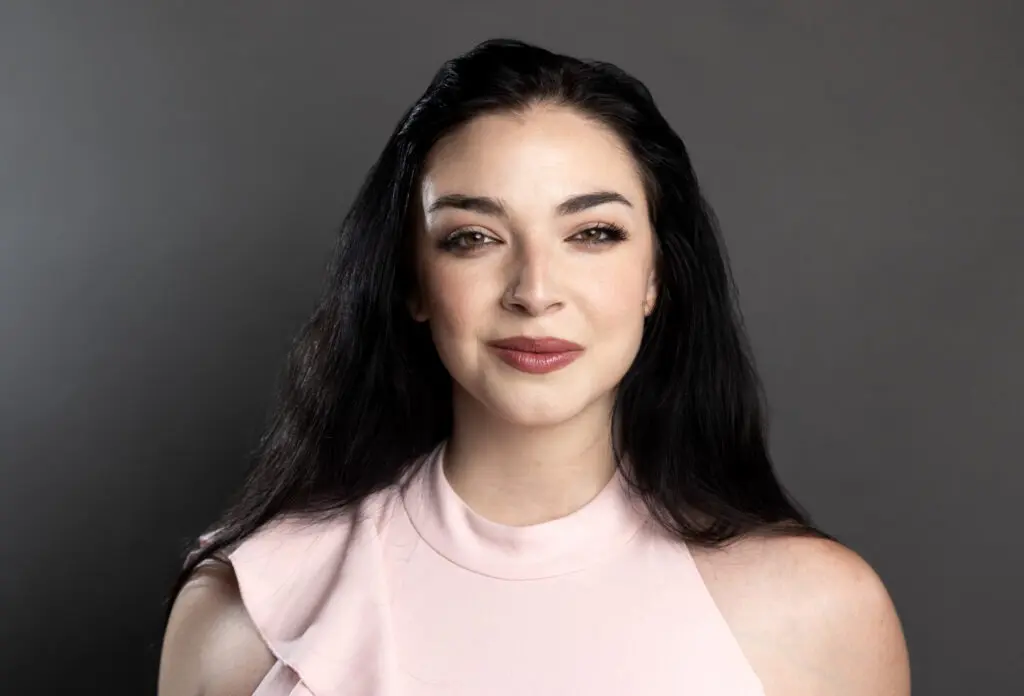
To understand the tangible impact of this initiative, OperaWire sat down with rising star Lauren Randolph. A Chicago-born soprano, Juilliard School graduate, and Kovner Fellowship recipient, Randolph represents the very best of the new generation of classical talent. Fresh off her recognition as a 2025 National Finalist in The Metropolitan Opera Eric and Dominique Laffont Competition—and boasting an impressive résumé that includes performances with the Santa Fe Opera, Juilliard Opera, Carnegie Hall, and the Chicago Symphony Chorus and Civic Orchestra—Randolph offers a frontline perspective on how the DGF is redefining artistic excellence.
This investigative feature explores the genesis and mission of The Denyce Graves Foundation, details the multifaceted curriculum of the Shared Voices program, provides crucial contextual metrics regarding the state of diversity in classical music, and outlines a future outlook for an art form striving to make its stages more inclusive and deeply connected to human purpose.
Detailed Chronology and Genesis of the Foundation
To fully grasp the magnitude of the Denyce Graves Foundation, one must examine the visionary career of its founder. Denyce Graves carved her name into operatic history through her definitive, smoldering portrayals of the title roles in Carmen and Samson et Dalila, gracing the stages of the Metropolitan Opera, the Vienna State Opera, the Royal Opera House, and major houses across the globe. Recognizing the unique challenges faced by artists of color in an overwhelmingly Eurocentric art form, Graves established her namesake foundation to systematically dismantle these barriers.
Bridging the Past to the Future
The Foundation’s ethos rests upon a foundational pillar: reclaiming and celebrating marginalized histories. For decades, the contributions of Black and Brown composers, librettists, and performers were routinely omitted from standard conservatory curricula. The DGF actively corrects this historical oversight through several key avenues:
- Archival Recognition & Advocacy: Highlighting trailblazing figures who paved the way for modern artists.
- Commissioning New Works: Partnering with contemporary creators to expand the classical repertoire with diverse narratives and voices.
- Public Programming & Presentations: Utilizing traditional and social media, community outreach, and high-profile concerts to bring these vital musical conversations to broader audiences.
The Inception of "Shared Voices"
Realizing that inspiration alone is insufficient for career survival, Graves conceptualized Shared Voices—an intensive mentorship and professional development pipeline specifically designed for students at elite conservatories and university music programs. The program was built to address a glaring gap in traditional academic training: while music schools excel at teaching vocal technique and music theory, they frequently leave young artists unequipped for the grueling realities of the modern music industry, from financial literacy and tax management to personal branding and mental health maintenance.
Lauren Randolph’s entry into this ecosystem highlights the organic, community-driven nature of the program’s growth. "I first heard of The Denyce Graves Foundation through my friends at Juilliard who were in the Shared Voices program," Randolph recalls. "My advisor, Brian Zeger, mentioned it might be something I would be interested in and encouraged me to apply. I was interested in Shared Voices because it is a young artist development program that places emphasis on community, culture, and developing the artist as a whole person in addition to cultivating artistic excellence."
Supporting Context & Metrics: The Modern Landscape of Classical Music
To understand why programs like the Denyce Graves Foundation are not merely beneficial, but utterly essential, one must look at the structural realities facing classical musicians in the 21st century.
The Demographics of Classical Music
According to reports from organizations like the Sphinx Organization and the League of American Orchestras, while incremental progress has been made, artists of color remain significantly underrepresented on major orchestral and operatic stages. Historic gatekeeping, expensive audition processes, and a lack of culturally competent mentorship have historically created an attrition pipeline where brilliant talents drop out before ever reaching major stages.
Furthermore, the economic realities of launching a career in opera are daunting. Young singers face exorbitant costs for:
- Application fees for international competitions and young artist programs (YAPs).
- Travel and lodging for auditions across different cities.
- Coaching sessions, language tutors, and professional headshots.
- Maintaining digital portfolios and websites.
The Psychological Toll of the Industry
Beyond financial hurdles lies an invisible, yet equally destructive force: the psychological toll of the industry. In an age dominated by social media algorithms, constant rejection, high-stakes auditions, and the relentless pressure to curate a pristine public image, young artists frequently suffer from burnout, anxiety, and a loss of artistic identity.
Randolph speaks candidly about this psychological vulnerability: "As a young artist, I find that the most daunting task is remaining connected to purpose. It is incredibly easy to be swept up by the stress of auditions, social media, constantly moving, the workload of learning new repertoire and answering emails, etc."
It is precisely this systemic vulnerability that the DGF seeks to neutralize through comprehensive, holistic curriculum design.
Inside the Shared Voices Curriculum: A Holistic Approach
The Shared Voices program stands apart from standard masterclass series by offering a 360-degree developmental framework. It views the singer not as an isolated instrument, but as a small business, a cultural ambassador, and a feeling human being.
Practical Career Literacy
Many young conservatory graduates possess world-class vocal chops but struggle to navigate the administrative realities of professional life. The DGF curriculum actively combats this by embedding practical life skills into its programming.
As Randolph details, the curriculum includes:
- Media and Interview Training: Preparing artists to articulate their artistic vision clearly and confidently in the press.
- Financial and Tax Management: Equipping singers with the knowledge to manage freelance income, track expenses, and file taxes correctly.
- Audition Strategy: Seminars dedicated to crafting the optimal audition experience, managing stage fright, and selecting appropriate repertoire.
- Digital Presence: Classes on social media management and personal branding tailored to modern classical musicians.
Cultural Immersion and Historical Context
A standout feature of the Shared Voices experience is its deep dive into underrepresented repertoires. Randolph highlights a transformative trip to Morehouse College in Atlanta: "I attended seminars on African American art song and opera and received numerous resources for studying and performing this repertoire. This broadened my understanding of what is possible on the classical stage and connected me to a rich, vital lineage of Black musical expression."
Mentorship Rooted in Intensity and Grace
At the core of the technical training are private coachings with Denyce Graves herself. Randolph shares a vivid memory of her first session with the legendary mezzo-soprano, where she brought in French operatic repertoire:
"As soon as my pianist began to play the introduction to an aria from ‘Samson et Dalila,’ I could see that she felt the energy of the full orchestra under her skin, like the opera lived within her. She coached me through the piece with an incredible intensity, guiding me to look deeper within the score and within myself to bring the music to life. She is someone who truly embodies her work with intelligence, grace, and humility, and encourages us, the Shared Voices students, to do the same."
Official Insights and Unforgettable Encounters
The true measure of any educational initiative is found in the life-altering moments it orchestrates for its participants. For Randolph, one memory towers above the rest: the privilege of performing for legendary bass-baritone Simon Estes during the premiere screening of the documentary Simon Estes: A Heart & A Voice, presented by the Denyce Graves Foundation at The Juilliard School.
Recalling the encounter, Randolph admits to initial starstruck hesitation, having spent years listening to his iconic recordings, including his benchmark interpretations of Carmen.
"Thankfully, I sang Copland’s ‘At the River’ before the screening because I couldn’t help but cry during the documentary. The words of encouragement he said to me, after watching his amazing story, still sit deep in my soul. Most of all, he emphasized to always sing from the heart."
Moments like these anchor the foundation’s mission. They create an unbroken chain of generational wisdom, linking the living legends of the past directly to the trailblazers of tomorrow.
The Power of the Network
Beyond single moments of inspiration, the DGF builds an enduring professional network. Reflecting on her post-graduation standing, Randolph notes the invaluable web of contacts she has gained: "Now that I have graduated, I have made personal connections with vocal coaches, social media experts, mental health professionals, and just about anyone who I can contact for any kind of help or guidance."
Summarizing the philosophy that underpins the entire program, Randolph borrows a universal proverb: "As they say, it takes a village. The support from organizations like the DGF is immensely important because this is an ever-evolving and quite complicated career path, and you need every helping hand to keep guiding you forward."
Future Outlook: Reimagining the Opera Ecosystem
As the classical music world looks toward the future, the work being done by Denyce Graves and her Foundation serves as a vital blueprint for institutional reform. Opera houses, symphony orchestras, and academic conservatories are increasingly realizing that diversity, equity, and inclusion are not mere buzzwords, but prerequisites for artistic survival and cultural relevance.
The Ripple Effect of DGF Alumni
As alumni of the Shared Voices program step onto the stages of major international houses—from the Metropolitan Opera and Santa Fe Opera to Carnegie Hall and beyond—they carry with them a renewed sense of purpose. By prioritizing artistic authenticity, community connection, and holistic well-being over the hollow pursuit of perfectionism, these artists are transforming the backstage culture of classical music.
Expanding Horizons
Looking ahead, The Denyce Graves Foundation aims to scale its programming, reaching an even broader demographic of young artists across the United States. By continuing to unearth forgotten musical works, commission new compositions, and provide material support to emerging singers of color, the Foundation is ensuring that the future of opera sounds vastly more inclusive, vibrant, and reflective of the world at large.
In the words of Lauren Randolph, when an artist is consistently reminded of the true purpose of their art form—connection—the entire industry shifts. Through the tireless stewardship of Denyce Graves and the unwavering dedication of its rising stars, the foundation is proving that the future of classical music is not only bright; it is deeply, profoundly human.