
Executive Overview
In the shadowy realms of the cinematic horror canon, a specific archetype reigns supreme: the "Final Girl." She is the singular young woman who outlasts her peers, endures relentless psychological and physical terror, confronts the monstrous entity hunting her down, and ultimately emerges bloodied, bruised, but unbowed—either by dispatching her tormentor herself or escaping into the fragile dawn.
As Halloween approaches, a morbid yet delightful cultural question arises: If the leading ladies of the musical theatre stage were plucked from their respective scores and unceremoniously dropped into a slasher film, who would possess the grit, resourcefulness, and psychological fortitude to claim the title of the ultimate "Final Girl"?
To construct this definitive ranking, certain parameters must be established. We evaluate characters based on situational awareness, adaptability, physical resilience, and the capacity to execute a final, decisive confrontation.
Crucially, characters who blur the line between victim and predator—those more likely to be the killer themselves—are strictly exempt from consideration. (We are looking directly at you, Carrie White and Mrs. Lovett; your homicidal tendencies disqualify you from holding the innocent, resilient mantle of the Final Girl).
Instead, we focus on the pure-hearted, the quick-thinking, and the dangerously underestimated. From the industrial depths of the underworld to the ivory towers of Oz, here is our authoritative countdown of the musical theatre heroines most likely to survive the night.
Detailed Chronology: The Survival Trajectory of Broadway Heroines
To understand how these characters would fare in a high-stakes survival scenario, one must examine their narrative arcs through a lens of peril and escalation.
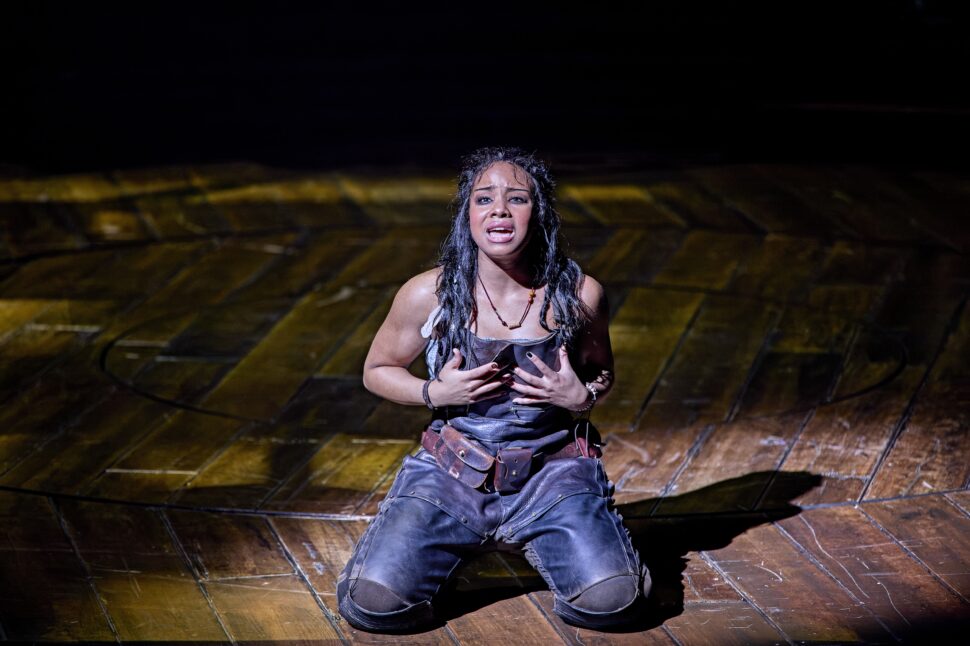
5. Eurydice (Hadestown)
At first glance, Eurydice’s narrative arc in Anaïs Mitchell’s folk opera Hadestown reads like a tragedy waiting to happen. Driven by the primal desperation of poverty and cold starvation, she falls directly into the infernal trap laid by Hades. Yet, once the transactional bargain is struck and she is spirited away to the mechanized underworld, Eurydice undergoes a rapid, hard-boiled awakening.
She quickly discerns that while she has escaped immediate starvation, she is now held captive by an entirely different, totalitarian fate. Her ability to accurately assess her grim circumstances, process the systemic horror of her environment, and formulate a rapid conclusion mirrors the acute observational skills shared by every legendary horror survivor.
Though Orpheus ultimately becomes her ticket down—and the tragic catalyst who costs her a permanent escape through his fatal lack of faith—we remain unconvinced that a scrappy, tough, and fiercely self-reliant survivor like Eurydice wouldn’t have found her own way out of Hadestown if he hadn’t arrived to self-sabotage them both. While Hades represents a nearly omnipotent, mythologically formidable force, a more traditional slasher—a fearsome yet mortal human killer—would find themselves entirely outmatched by this underworld songbird.
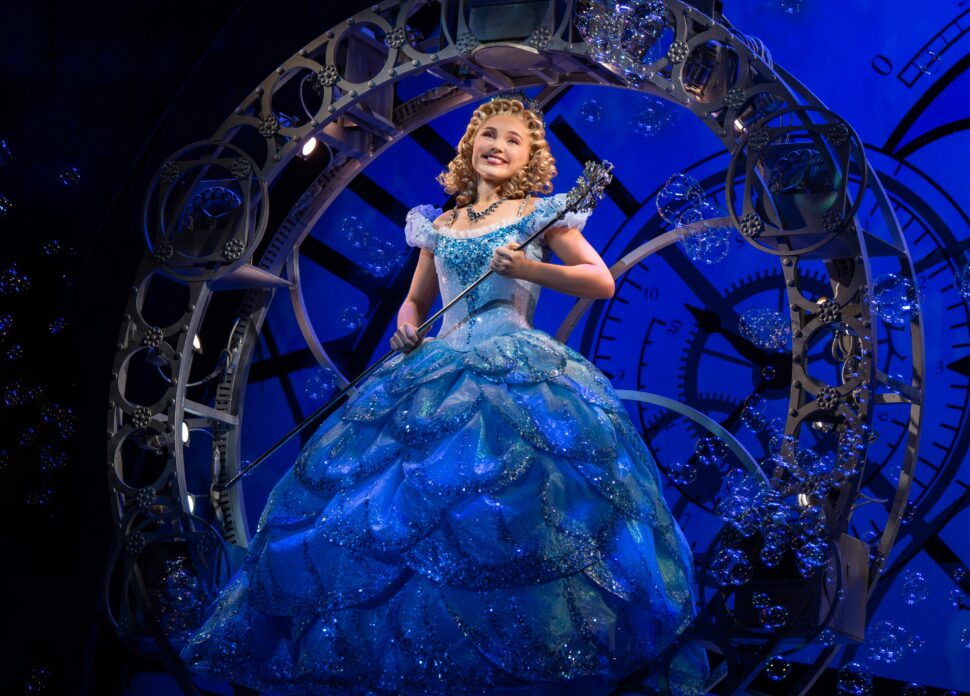
4. Glinda Upland (Wicked)
Hear us out. While Glinda Upland may not immediately strike audiences as a rugged survivalist—often characterized by her bubble-gum pink gowns, social ambition, and bubbly cadence—she would undoubtedly outlast expectations. Across both Gregory Maguire’s literary universe, Stephen Schwartz’s beloved stage score, and the cinematic adaptations, Glinda proves time and again that she possesses a sharp, strategic intellect beneath her pristine surface.
When the stakes are high, particularly concerning the safety and concealment of Elphaba, Glinda displays a surprising degree of cunning and resourcefulness. Together, they are an unstoppable force; apart, Glinda is forced to rely on her social capital and diplomatic instincts.
However, her placement at number four reflects a glaring Achilles’ heel: emotional leverage. If a relentless killer were to utilize Fiyero as bait, Glinda’s protective instincts would likely override her survival protocols, spelling doom for them both.
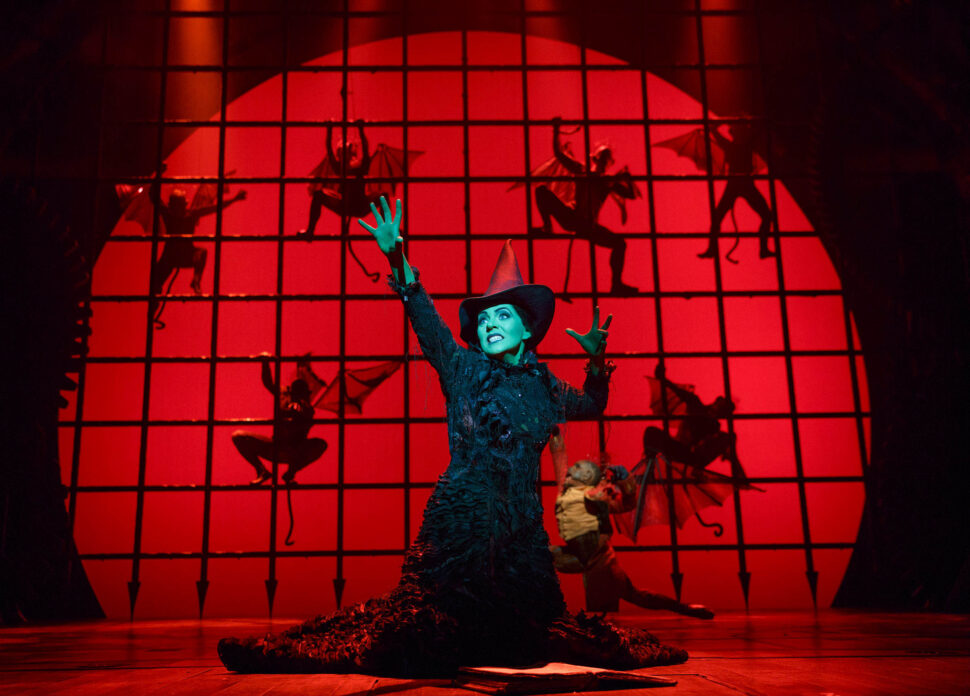
3. Elphaba Thropp (Wicked)
Where Glinda relies on charm and social navigation, Elphaba Thropp is the undisputed architect of her own survival. While the overarching narrative of Wicked casts a bittersweet shadow over her fate, Elphaba continuously fights, strategizes, and wins the grueling battles placed before her.
With or without the support of Glinda and Fiyero, Elphaba possesses an internal reservoir of power and resilience that makes her virtually untrappable. Should she find herself hunted by a dark spirit or a malevolent force in a horror-centric adaptation, her greatest asset would not merely be her command of magic and the Grimmerie, but her profound ability to see through deception. Elphaba is constitutionally incapable of falling for the same trick twice; once deceived, she adapts instantly, turning the tables on her persecutors with gravity-defying defiance.
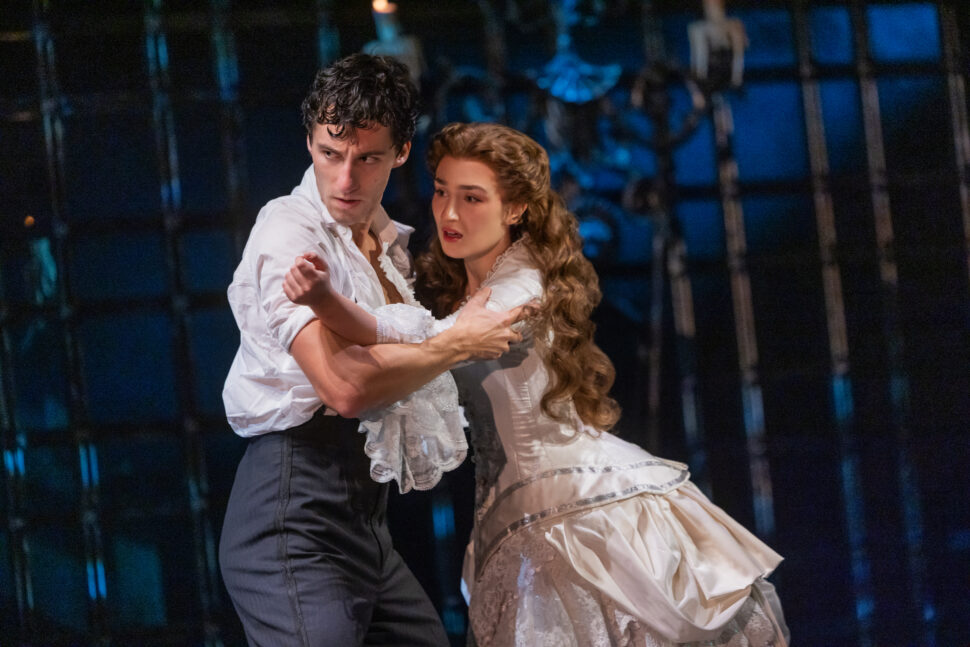
2. Christine Daaé (The Phantom of the Opera)
Christine Daaé rarely receives the critical acclaim she deserves for her staggering emotional fortitude. Often mischaracterized as a helpless Victorian damsel, Christine is, in reality, a masterclass in psychological survival. Though she wears her heart on her sleeve and vocalizes her terror, she refuses to crumble under pressure.
Consider her trajectory: after being systematically manipulated by a masked musical genius living beneath the Paris Opera House, she agrees to participate in a dangerous entrapment scheme. When the plan goes awry, plunging her directly into the Phantom’s subterranean lair—in a sequence literally titled the Final Lair—she faces an unhinged, wildly unpredictable captor.
When Raoul attempts a rescue only to be immediately ensnared in the Phantom’s lethal Punjabi lasso, Christine does not faint or surrender. She stands her ground, physically shielding Raoul’s body with her own.
Her ultimate confrontation with the Phantom is arguably the absolute peak "Final Girl" moment in the entire musical theatre canon. Utilizing a brilliant, high-stakes gamble of empathy, she attempts to de-escalate a lethal madman by offering him profound compassion—culminating in a harrowing, quick-thinking act of survival: kissing him to calm his homicidal rage. Twice.
Yet, as extraordinary as Christine’s resilience is, she stops just short of the top spot. One musical heroine embodies the slasher archetype with even sharper cynicism and grit.
1. Veronica Sawyer (Heathers: The Musical)
The real question regarding Veronica Sawyer is not whether she would survive a horror movie, but rather: Is Veronica already living in one?
While Michael Lehmann’s original 1980 dark comedy film and its musical adaptation are categorized as dark satires about high school cruelty, the body count accrued by JD rivals that of any cinematic slasher franchise. Veronica stands head and shoulders above her peers as the quintessential Final Girl because she embodies every mandatory survival trait: hyper-observational skills, biting cynicism, emotional adaptability, and moral clarity.
Veronica does not merely react to terror; she anticipates it, outsmarts it, and subverts it—evidenced most brilliantly by her ability to successfully fake her own death to escape her murderous boyfriend. Like many classic horror survivors, her greatest vulnerability is her initial misplacement of trust in the killer, JD. But once Veronica identifies the true nature of the threat, her sympathy evaporates, and she ensures that she—and she alone—walks away from the carnage.
Supporting Context & Metrics: The Anatomy of a Musical Theatre Survivor
To quantify these rankings further, we must examine the environmental and psychological metrics that dictate survival rates in both theatrical narratives and traditional horror cinema.
| Character | Resourcefulness Index (1-10) | Physical Resilience (1-10) | Killer Deception Vulnerability | Final Girl Status |
|---|---|---|---|---|
| Eurydice (Hadestown) | 8.5 | 8.0 | Low | High Contender |
| Glinda Upland (Wicked) | 7.0 | 5.0 | High (Leverageable) | Moderate |
| Elphaba Thropp (Wicked) | 9.5 | 9.0 | Low (Adaptive) | Elite |
| Christine Daaé (Phantom) | 8.0 | 8.5 | Moderate | Elite Contender |
| Veronica Sawyer (Heathers) | 10.0 | 9.5 | Low (Post-Discovery) | Undisputed #1 |
When evaluating these metrics, theatrical heroines differ from traditional cinematic scream queens in one crucial aspect: they possess vocal projection and acoustic presence. In a horror setting, where stealth is often prioritized, a musical theatre lead’s ability to project across vast spaces can either alert the killer or rally unseen allies. Characters like Elphaba and Veronica utilize both physical cunning and psychological warfare, elevating them from mere survivors to active combatants against existential dread.
Official Perspectives: The Psychology of the Stage Heroine
Theatre critics, directors, and cultural analysts have long noted the parallels between the trials faced by Broadway heroines and the harrowing trials of horror protagonists.
Dr. Aris Thorne, a professor of dramatic literature and gothic studies, notes that musical theatre inherently amplifies stakes through song, compressing emotional journeys into high-octane crescendos.
"When a character sings a ballad of survival—whether it is Christine facing the Phantom in his subterranean domain or Elphaba defying gravity—they are externalizing their survival instinct," Dr. Thorne explains. "In horror, survival is often silent and reactive. On Broadway, it is operatic, proactive, and psychologically absolute. These women do not just endure trauma; they process it vocally and strategically in real-time."
Furthermore, industry directors who have staged both suspense thrillers and grand musicals point out that physical blocking in musical theatre requires an extraordinary degree of spatial awareness—a vital trait for anyone attempting to navigate a labyrinthine slasher setting.
Future Outlook: The Evolution of the Musical Theatre Survivor
As contemporary musical theatre continues to embrace darker, more complex, and genre-bending narratives, the archetype of the fragile ingenue is rapidly becoming obsolete. Modern writers are increasingly crafting complex protagonists who subvert traditional tropes, blending vulnerability with razor-sharp survival instincts.
Looking ahead, as cross-pollination between horror cinema and musical theatre accelerates—witnessed in stage adaptations of cult horror classics and thrillers—the demand for resilient, multifaceted heroines will only grow. Whether they are dodging underworld deities, escaping murderous high school cliques, or standing firm against masked opera phantoms, Broadway’s leading ladies have proven that when the lights go out and the blade descends, they are more than capable of writing their own final act.