
Executive Overview
The landscape of voice care and vocal rehabilitation is undergoing a profound philosophical shift. For decades, clinical and academic research in speech-language pathology and laryngology has heavily prioritized physiological metrics—acoustic measurements, stroboscopic assessments of vocal fold vibration, aerodynamic pressures, and biomechanical thresholds. While these objective benchmarks remain vital to diagnosing and treating vocal pathologies, a critical dimension has historically lingered in the background: the lived experience of the patient.
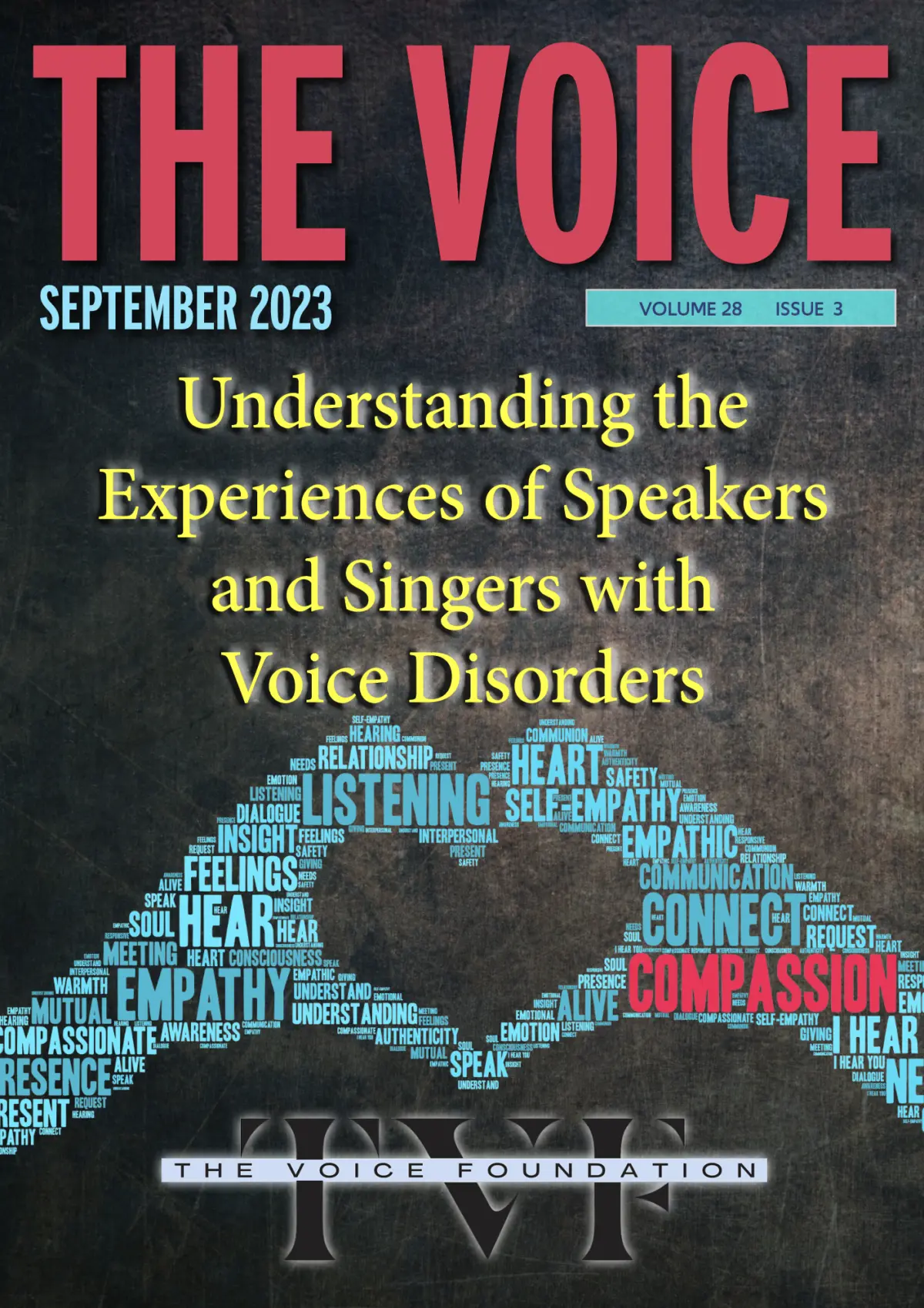
This paradigm was brought sharply into focus following the resounding success of the 52nd Annual Symposium: Care of the Professional Voice, hosted by The Voice Foundation in Philadelphia. Following a vibrant summer that allowed clinicians, researchers, pedagogues, and vocal artists to digest the breakthroughs shared at the event, the organization dedicated its subsequent communication efforts to a pivotal theme: understanding the profound psychological, professional, and social realities of speakers and singers navigating voice disorders.
During the symposium’s dedicated speech-language pathology sessions, researchers presented pioneering studies designed to capture the qualitative and day-to-day realities of individuals struggling with compromised vocal function. The response from the audience—comprising multidisciplinary experts from around the globe—was not merely receptive; it was electric. An outpouring of nuanced questions, rigorous debate, and collaborative commentary underscored a collective industry realization: to truly heal the voice, clinical science must deeply comprehend the person behind it.
This special report explores the core themes of that pivotal session, investigates the integration of patient-reported outcome measures (PROMs) into modern clinical pathways, evaluates the physiological versus psychosocial dichotomy in voice disorders, and outlines the future outlook for personalized vocal medicine as championed by The Voice Foundation.
Detailed Chronology: From Philadelphia’s Plenary Halls to Clinical Practice
The trajectory leading to this renewed emphasis on patient-centric care has been years in the making, yet the 52nd Annual Symposium served as a definitive turning point.
Pre-Symposium Momentum and the Philadelphia Kickoff
As the vocal science community gathered in Philadelphia for the 52nd Annual Symposium, expectations were high. The event traditionally serves as the premier international crucible for voice science, bringing together otolaryngologists, speech-language pathologists (SLPs), vocal coaches, professional singers, and researchers. The opening days established a high academic bar, featuring cutting-edge panels on regenerative medicine for vocal folds, artificial intelligence in acoustic analysis, and advanced surgical techniques for benign lesions.
The Turning Point: The Speech-Language Pathology Sessions
While high-tech diagnostics dominated many technical exhibits, the heart of clinical application beat fastest during the speech-language pathology sessions. It was here that researchers departed from purely quantitative laboratory models to present qualitative and mixed-methods research focusing on how voice disorders actually feel to those experiencing them.
Presenters showcased data revealing the cascading effects of dysphonia (difficulty in speaking) and other voice disorders on mental health, professional identity, and social relationships. For a professional singer, a minor vocal fold hemorrhage or muscular tension dysphonia is not merely a medical inconvenience; it is an existential crisis threatening livelihood, self-worth, and emotional expression. For teachers, trial attorneys, and call center workers, losing one’s voice means losing the primary tool of economic survival.
The Audience Engagement and Dialogue
What distinguished these sessions was the depth of engagement from the floor. Rather than passively receiving data, audience members—clinicians who sit face-to-face with suffering patients daily—interrogated the findings with acute clinical curiosity. Discussions centered on how to bridge the gap between sterile clinical environments and the messy, emotional reality of recovery. Clinicians shared anecdotes of patients who technically "healed" according to stroboscopic exams but remained deeply anxious, depressed, or functionally limited because their psychological and expressive needs were never fully addressed.

The Post-Symposium Ripple Effect
Recognizing the urgent appetite for this dialogue, leadership at The Voice Foundation determined that the conversation could not end when the conference hall emptied. The insights gathered in Philadelphia became the catalyst for an organizational deep-dive, leading to targeted newsletters, educational initiatives, and collaborative frameworks designed to disseminate patient-experience research directly to practitioners worldwide.
Supporting Context & Metrics: The Intersection of Physiology and Psychology
To understand why the shift toward patient-centered voice care is so critical, one must examine the complex nature of voice disorders and the limitations of traditional diagnostic paradigms.
The Biopsychosocial Model in Vocal Health
The human voice is arguably our most intimate instrument. It is inextricably linked to identity, gender presentation, emotional state, and interpersonal connection. When a pathology occurs—whether it is vocal fold nodules, polyps, paresis, spasmodic dysphonia, or functional voice disorders—the disruption ripples through every facet of a person’s life.
[Physiological Impairment]
       ↓ (Causes)
[Acoustic/Aerodynamic Changes]
       ↓ (Results in)
[Functional Limitations at Work/Social Settings]
       ↓ (Triggers)
[Psychological Distress (Anxiety, Depression, Loss of Identity)]
Historically, medicine has focused heavily on the top two tiers of this cascade. However, modern voice science increasingly embraces the Biopsychosocial Model, recognizing that biological healing cannot be separated from psychological adjustment and social reintegration.
The Rise of Patient-Reported Outcome Measures (PROMs)
A major focal point of the research presented in Philadelphia was the refinement and utilization of Patient-Reported Outcome Measures (PROMs). Instruments such as the Voice Handicap Index (VHI), the Vocal Fatigue Index (VFI), and the Singing Voice Handicap Index (SVHI) have transformed clinical trials and private practices alike.
- Quantifying the Unquantifiable: PROMs allow clinicians to assign numerical values to subjective feelings of handicap, emotional toll, and physical discomfort.
- Tracking Treatment Efficacy: A patient’s vocal folds may look pristine on a videostroboscopy screen, yet if their VHI score remains high due to vocal fatigue or performance anxiety, the treatment is incomplete.
- Guiding Personalized Care: By reviewing PROM scores prior to sessions, speech-language pathologists can tailor therapy exercises to target the specific psychosocial burdens most distressing to the individual.
Prevalence and Impact: By the Numbers
- Professional Vulnerability: Studies indicate that up to 30% of the working population rely heavily on their voice for professional success (teachers, sales personnel, clergy, performers).
- The Educator Burden: Teachers are roughly 2 to 3 times more likely to develop chronic voice disorders compared to the general population, frequently leading to absenteeism, career dissatisfaction, and substantial economic loss.
- Psychological Toll: Research highlighted at recent symposia demonstrates that chronic dysphonia yields depression and anxiety rates comparable to those suffering from other chronic, debilitating medical conditions.
Official Statements and Expert Perspectives
The dialogue ignited at the 52nd Annual Symposium reflects a broader cultural evolution within The Voice Foundation and the global voice care community.
Reflecting on the overwhelming response to the speech-language pathology sessions, leadership emphasized the absolute necessity of listening to patients:
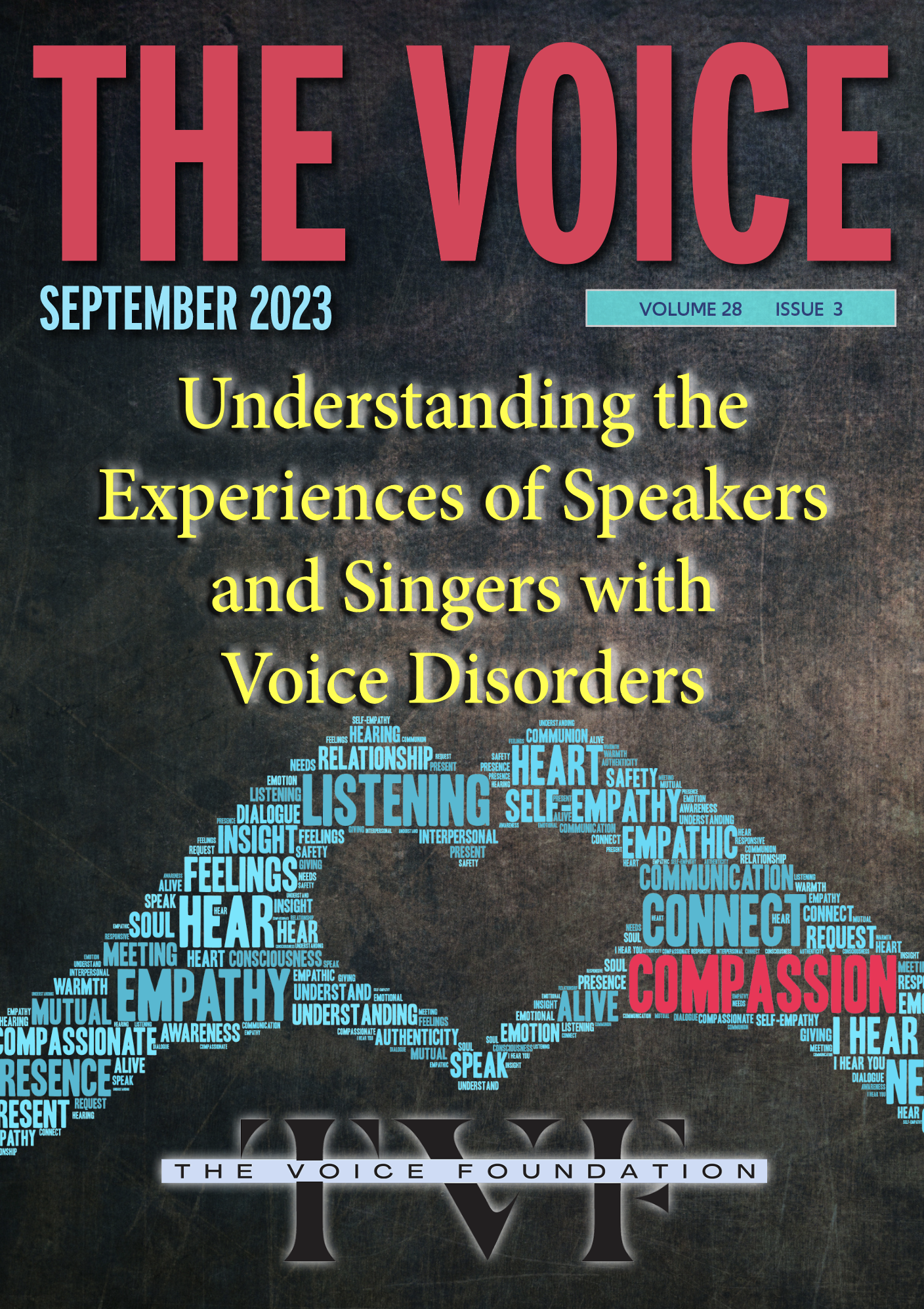
"During the symposium, presenters in one of the speech-language pathology sessions shared their research aiming to understand the experiences of speakers and singers with voice disorders. The audience members’ questions and comments showed a deep interest in understanding patients’ perspectives and learning how to tailor research and clinical care to consider patients’ unique needs."
This sentiment underscores a foundational pillar of modern clinical ethics: therapeutic alliance. Voice therapy is rarely a passive medical intervention (such as taking a pill or undergoing a minor outpatient procedure); it is an active, collaborative rehabilitation process. It requires behavioral modification, neuromuscular re-education, and immense psychological trust between the clinician and the patient.
Leading voices in speech-language pathology note that when patients feel genuinely heard—when their fears of losing their artistic identity or professional standing are validated—their compliance with rigorous voice therapy regimens increases dramatically. Conversely, when clinical care is coldly reductionist, focusing solely on decibels and Hz measurements while ignoring emotional trauma, drop-out rates soar and long-term recovery stalls.
Future Outlook: The Next Frontier in Patient-Centric Voice Care
As the voice care community looks toward upcoming symposia and research initiatives, several key trends and objectives are shaping the future of the field:
1. Integration of Qualitative Research in Clinical Trials
Historically, grant-funding bodies and top-tier medical journals have heavily favored randomized controlled trials (RCTs) rooted in hard quantitative data. The momentum generated in Philadelphia signals a growing acceptance—and demand—for mixed-methods research that couples hard acoustic data with rich, qualitative patient narratives. Future clinical trials are expected to routinely incorporate longitudinal quality-of-life tracking as a primary, rather than secondary, endpoint.
2. Tailored Pedagogical and Clinical Training
Voice trainers, singing pedagogues, and speech-language pathologists are increasingly collaborating during their training phases. By understanding the psychological profile of the vocal artist early in their education, future clinicians will be better equipped to manage the mental health hurdles—such as performance anxiety, grief over lost vocal range, and identity crisis—that accompany severe voice disorders.
3. Technological Innovations Aligned with Patient Experience
Telehealth platforms, wearable vocal monitors (such as ambulatory vocal dosimeters), and artificial intelligence-driven diagnostic tools are rapidly evolving. The next generation of these technologies is being designed not just to track vocal load for the physician, but to provide intuitive, empowering feedback loops for the patient. By keeping the patient actively and intelligently engaged in their daily vocal hygiene and pacing, these tools bridge the gap between clinical instruction and real-world execution.
4. Expanding Access and Multidisciplinary Care Networks
A persistent challenge in voice care is equitable access to specialized multidisciplinary teams (consisting of laryngologists, speech-language pathologists, singing voice specialists, and mental health professionals). As awareness of the holistic impact of voice disorders grows, advocacy efforts led by organizations like The Voice Foundation will continue pushing for broader insurance coverage, expanded clinic networks, and public health campaigns aimed at early detection and vocal injury prevention.
Conclusion
The 52nd Annual Symposium in Philadelphia will be remembered not only for the brilliance of its technical presentations, but for its profound humanistic awakening. By shifting the lens from the vocal folds in isolation to the holistic lived experience of the speaker and singer, the voice research community has set a new standard for medical excellence.
As summarized in the ongoing educational missions of The Voice Foundation, understanding patients’ perspectives is no longer an optional add-on to clinical care—it is the very compass that must guide future research, therapeutic innovation, and compassionate healing. In doing so, the medical and pedagogical communities ensure that when we treat the voice, we honor the entire human being behind the sound.