
Executive Overview
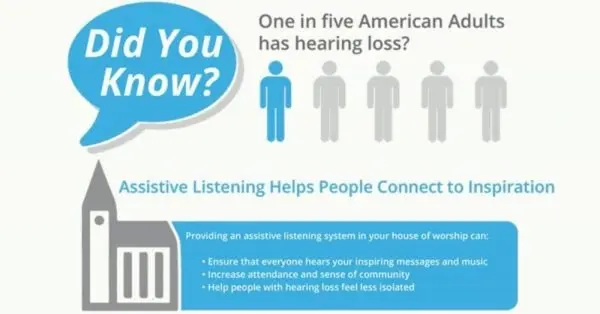
In an era where modern houses of worship strive to foster environments of radical inclusion, the acoustic experience of a Sunday service, community gathering, or religious ceremony remains a cornerstone of engagement. Yet, for millions of congregants dealing with hearing loss, participating fully in these gatherings can present a persistent challenge. Architectural acoustics, background noise, distance from the speaker, and reverberation can all conspire to render spoken messages difficult to comprehend, inadvertently alienating members of the community who rely most on clear communication.
To bridge this profound gap, religious organizations increasingly turn to Assistive Listening Systems (ALS). However, the successful integration of these technologies requires more than merely purchasing and plugging in audio hardware. It demands a strategic, highly intentional approach that encompasses audience assessment, budgetary planning, comprehensive staff training, and proactive community outreach.
This comprehensive report explores the essential framework for implementing an Assistive Listening System within a house of worship. Drawing upon industry insights, technical standards, and institutional best practices, this article outlines a four-step strategic blueprint designed to help faith communities evaluate, procure, deploy, and promote accessibility solutions. By prioritizing the auditory needs of all congregants, houses of worship can ensure that every message of inspiration, comfort, and guidance is delivered clearly to every ear in the sanctuary.
Detailed Chronology: The Four-Step Implementation Roadmap
Implementing an Assistive Listening System is a transformative institutional project. To maximize return on investment and ensure optimal user adoption, administrators and technical teams should follow a structured, phased implementation roadmap.
Phase 1: Understanding Your Congregation’s Unique Needs
The foundational error many organizations make when upgrading their audio infrastructure is adopting a top-down approach—purchasing technology based solely on manufacturer specifications rather than actual community demographics. The first critical step in any assistive listening initiative is to conduct a thorough, data-driven assessment of the congregation’s specific needs.
The most effective mechanism for gathering this intelligence is a targeted congregational survey. Religious leaders and accessibility coordinators should distribute physical and digital questionnaires designed to capture nuanced feedback regarding the weekly worship experience. Key inquiries should include:
- Current Auditory Experience: Do congregants frequently miss spoken elements during services? Is the current sound system perceived as too loud, too muffled, or difficult to follow?
- Device Utilization: What percentage of the congregation currently utilizes hearing aids or cochlear implants?
- Technological Compatibility: Of those who use hearing aids, what proportion are equipped with telecoils (t-coils)? Understanding this metric is vital, as it dictates whether a venue should invest in hearing loop systems, FM systems, infrared (IR) systems, or Wi-Fi-based audio streaming.
By compiling and analyzing this demographic and experiential data, leadership teams can move away from guesswork and invest in solutions specifically tailored to their community’s physiological profile.
Phase 2: Evaluating Options and Aligning the Budget
Once the specific needs of the congregation are firmly established, the procurement phase begins. Estimating the costs associated with various assistive listening technologies requires balancing technical capability against financial realities.
Because audio engineering and accessibility compliance can be complex, houses of worship do not have to navigate this phase alone. Specialized AV integration partners, such as CCI Solutions, offer expert guidance and free consultations designed to help facility managers navigate equipment costs, spatial constraints, and long-term budgeting.
Financial planning must extend beyond initial hardware acquisition. Administrators should evaluate:
- Hardware Costs: Receivers, transmitters, neck loops, integration interfaces, and charging stations.
- Infrastructure Costs: Wiring, cabling, and potential acoustic treatments.
- Capital Offset Strategies: To overcome budgetary hurdles, many faith communities successfully leverage specialized fundraising campaigns, memorial donations, accessibility grants, or dedicated capital stewardship drives specifically earmarked for inclusivity initiatives.
Phase 3: Preparing for Success Through Staff and Volunteer Training
The most advanced audio equipment in the world is rendered ineffective if the staff and volunteers operating it lack the training to deploy, manage, and troubleshoot the technology. Preparing for success requires treating human infrastructure with the same rigor as hardware infrastructure.
Church staff, welcome teams, ushers, and audio-visual (A/V) volunteers must receive comprehensive instruction on how to handle, maintain, and distribute assistive listening devices. These individuals should be viewed and empowered as Assisted Listening Ambassadors. Their demeanor, knowledge, and proactive approach will directly influence whether congregants feel welcomed or hesitant to request a device.
Best practices for operational readiness include:

- Hands-On Onboarding: During device checkout, staff should take a few minutes to actively instruct users on how to operate the receiver, adjust volume levels, and position neck loops or earphones correctly.
- Visible Resource Hubs: Keep a laminated, easy-to-read sheet of Frequently Asked Questions (FAQs) and quick troubleshooting steps directly at the welcome desk or reception counter where receivers are distributed. This ensures that even rotating volunteers can provide confident, consistent service.
Phase 4: Creating Awareness and Driving Adoption
An installed Assistive Listening System provides zero value if it remains a well-kept secret. Generating awareness across the congregation and the wider geographical community is essential to driving high utilization rates.
Effective promotion requires a multi-channel communication strategy:
- Signage: Prominently display the international symbol of access for hearing loss at all primary entrances, sanctuary doors, and welcome centers. Clear directional signage should guide visitors precisely to where Assisted Listening Devices (ALDs) are stored and issued.
- Print and Digital Reminders: Embed brief, welcoming reminders regarding the availability of assistive listening tools in every weekly bulletin, digital newsletter, and pre-service slide presentation.
- Live Educational Demonstrations: Consider hosting a dedicated live demonstration or training session during a community hour. This allows hesitant congregants to familiarize themselves with the technology in a low-pressure environment, removing the intimidation factor of trying new gear during a live service.
- Community Outreach: Extend marketing efforts beyond current members. Local senior living facilities, retirement communities, and advocacy groups for the hard of hearing should be informed of the church’s accessibility investments. Many individuals drop out of active worship participation simply because they assume older facilities cannot accommodate their hearing loss; advertising these upgrades serves as a powerful invitation to return.
Supporting Context & Metrics: The Imperative of Inclusion
Hearing loss is among the most prevalent chronic health conditions globally. According to data from institutions such as the World Health Organization (WHO) and the Hearing Loss Association of America (HLAA), hundreds of millions of people experience disabling hearing loss, a figure that scales significantly within aging demographics—the very populations frequently forming the bedrock of traditional church congregations.
The Psychology of Isolation in Worship
Worship services are inherently communal, participatory experiences. They rely heavily on the spoken word, responsive readings, choral performances, and communal prayer. When an individual experiences untreated hearing loss in a large, reverberant sanctuary, several negative psychological and social effects occur:
- Cognitive Fatigue: Straining to decipher muffled speech over ambient room noise forces the brain to expend excessive cognitive energy, leading to exhaustion by the end of a service.
- Social Withdrawal: The frustration of missing dialogue, whispered prayers, and casual fellowship often leads individuals to sit quietly, detach from community life, or stop attending altogether.
- Spiritual Disconnection: If a congregant cannot clearly hear the message being preached, the primary vehicle for spiritual nourishment and emotional connection is disrupted.
The Technical Landscape: Matching Technology to Need
Understanding the engineering behind modern Assistive Listening Systems ensures that a house of worship invests in the right category of equipment:
- Hearing Loop Systems (Inductive Loops): Transmit audio electromagnetically directly to telecoil-equipped hearing aids and cochlear implants. This is often considered the gold standard for users because it delivers customized sound directly into their personal hearing devices without requiring an extra headset.
- FM Systems: Broadcast audio via radio frequencies to portable receivers worn by the user. Highly versatile and effective across large distances, FM systems work well for both hearing aid users (via neck loops) and non-hearing-aid users (via headphones).
- Infrared (IR) Systems: Utilize invisible light waves to transmit audio within a localized, line-of-sight space. Excellent for security and privacy, though less suited for outdoor or brightly sunlit worship environments.
- Wi-Fi Audio Streaming: Leverages local wireless networks to stream low-latency audio straight to a congregant’s smartphone or mobile device via a downloadable app. This represents an increasingly popular, cost-effective solution that appeals to tech-savvy demographics.
Official Statements and Institutional Insights
Industry leaders and accessibility advocates continually emphasize that true hospitality extends far beyond physical wheelchair ramps to encompass full sensory accessibility.
Accessibility advocates note that providing assistive listening technology is fundamentally an act of empathy. As highlighted by leading auditory technology organizations, the goal of a house of worship is to ensure that the emotional cadence, delicate inflections, and profound nuances of spoken ministry reach every heart in the room without hindrance. When an organization integrates an Assistive Listening System, it sends an unmistakable message: You belong here, your presence is valued, and your ability to engage is a priority.
Furthermore, professional audio consultants stress the importance of holistic integration. Equipment providers like Listen Technologies frequently emphasize that hardware deployment must be paired with comprehensive educational toolkits—including sample surveys, standardized signage, and bulletin copy templates—to guarantee that installations translate into genuine behavioral change and active community utilization.
Future Outlook: The Next Generation of Sanctuary Accessibility
As audio engineering and digital communication technologies continue to evolve at a rapid pace, the future of accessibility in houses of worship promises even greater levels of seamless integration and personalization.
Anticipated Technological Shifts
- Artificial Intelligence and Smart Processing: Future audio systems will increasingly incorporate AI-driven noise cancellation and dynamic speech enhancement, automatically isolating spoken voices from ambient room noise and HVAC hums before transmitting the signal to assistive devices.
- Mainstream Smartphone Interoperability: With the rise of Bluetooth Low Energy (BLE) Audio and Auracast broadcast technology, the boundary between consumer personal audio and institutional assistive listening will blur. Congregants will soon be able to connect directly to a church’s broadcast audio stream using their own wireless earbuds or smart hearing devices without needing specialized venue-owned receivers.
- Universal Accessibility Standards: Building codes and religious architectural guidelines are steadily shifting toward viewing auditory accessibility not as an optional add-on, but as a mandatory component of public infrastructure.
Conclusion: Reaching the Disconnected
Reaching out to individuals who feel disconnected from a faith community due to hearing loss is central to sharing an authentic message of radical inclusion. Genuinely compassionate service involves maintaining a constant awareness of—and proactive care for—the needs of every individual, especially those navigating sensory impairments.
By taking the deliberate steps to assess congregation needs, budget for appropriate technology, train staff to serve as welcoming ambassadors, and actively promote new capabilities, houses of worship can eliminate invisible barriers. Ensuring that every member of the community can clearly hear the beauty, power, and emotion of the spoken word preserves the vital connection that binds faith communities together.
For more detailed information on choosing the right Assistive Listening System and accessing tools to ensure institutional success—including sample surveys, printable signage templates, and bulletin announcements—please download the official Listen Technologies Church Assistive Listening Toolkit.
If your worship facility is ready to explore how advanced assistive listening solutions can transform your ministry, reach out to professional audio-visual consultants today to schedule a comprehensive facility evaluation.