
"Listen to them, the children of the night. What music they make!"
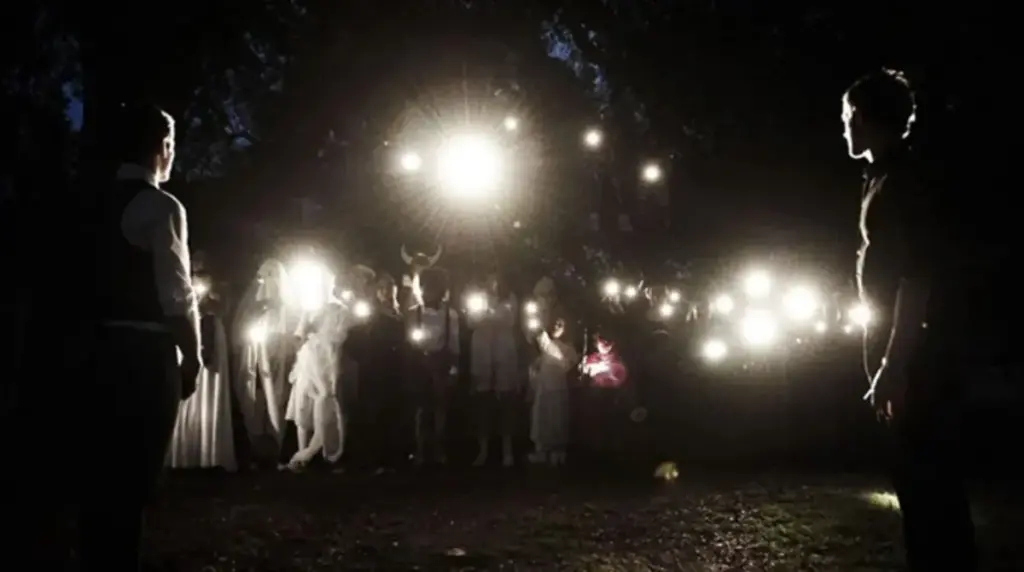
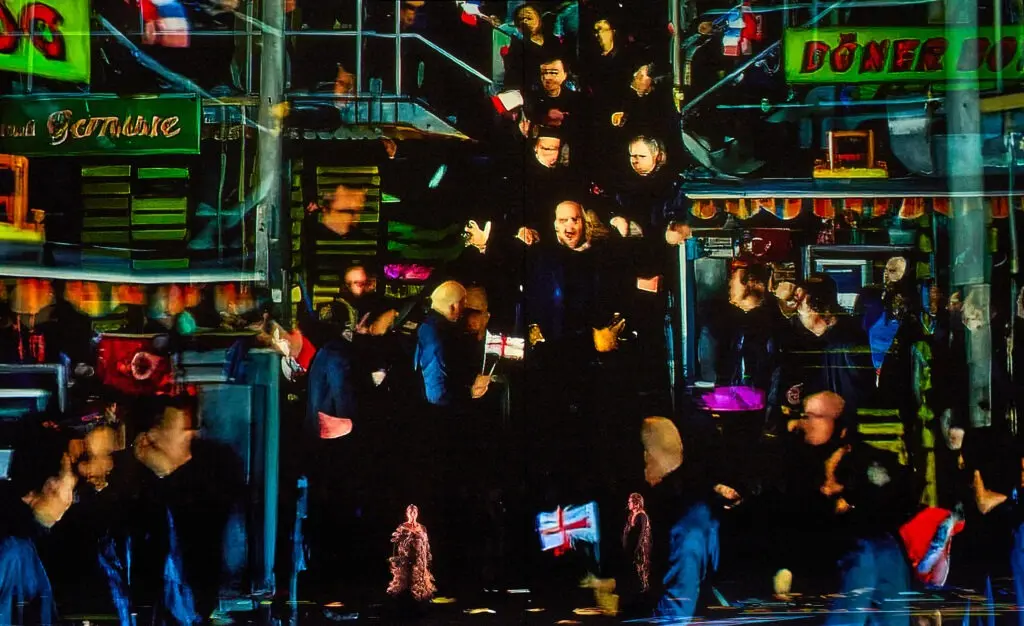
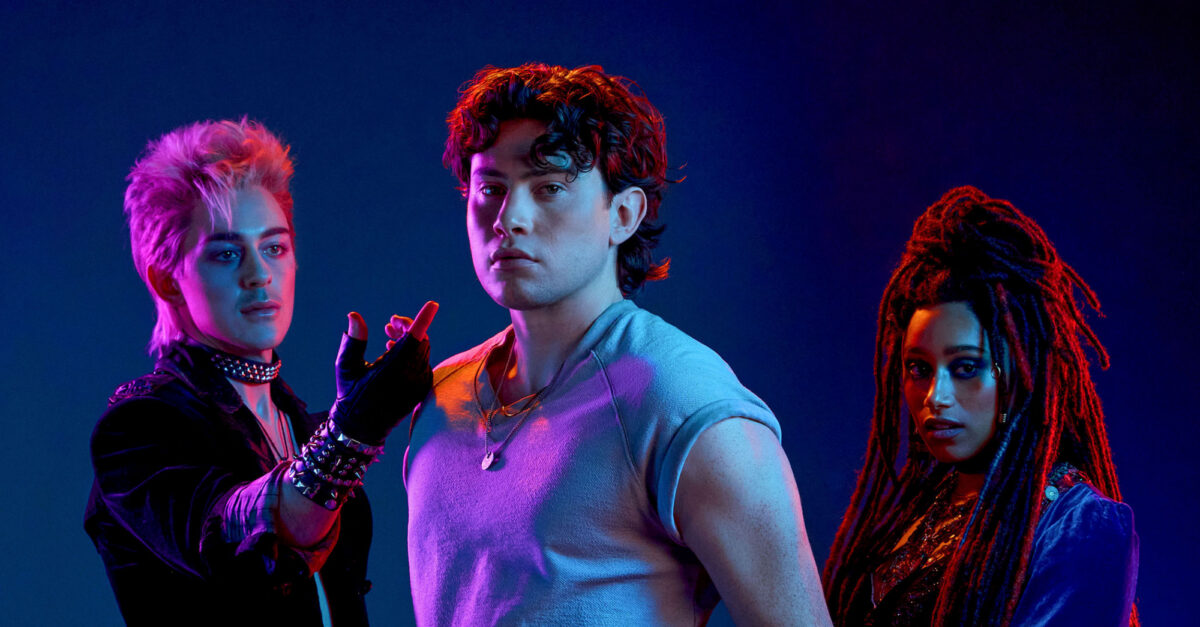
As the autumn winds chill the streets of Manhattan and Halloweekend approaches, the theatrical district is firmly attuned to things that go bump in the night. This October marks a momentous, blood-soaked milestone for the Great White Way: Broadway’s hit musical The Lost Boys has officially claimed the crown as the longest-running vampire musical in Broadway history.
Having begun its haunting at the historic Palace Theatre on March 27, the production has smashed a theatrical cycle that prognosticators once considered immortal—the long-standing industry superstition that vampires simply could not sustain a commercial life on Broadway. With more than 30 previews and over 200 regular performances under its belt, The Lost Boys has broken a curse that claimed the lives of several big-budget predecessors.
For decades, the intersection of fangs and footlights was treated by producers as a graveyard. From high-concept European imports and literary adaptations to rock-opera icons attempting to crack the gothic code, the Main Stem has functioned as a testing ground where blood-suckers routinely met their final sunrise. Yet, as The Lost Boys proves, theatrical magic is all about timing, vision, and embracing the unbridled, earnest melodrama of the genre. To understand how The Lost Boys finally broke the spell, we must first unearth the corpses of the vampire musicals that came before it—exploring the misfires, the over-corrections, and the legendary financial collapses that defined the genre’s dark history on Broadway.
Detailed Chronology of a Curse: The Failed Predecessors
Historically, theatrical adaptations of vampire lore have suffered a confounding fate on the Main Stem. This trend has always baffled theatre historians, particularly because the single most famous vampire performance in cultural history—Bela Lugosi’s mesmerizing, aristocratic Count Dracula—originated on Broadway in 1927.
While non-musical stage adaptations of Bram Stoker’s work have enjoyed a rich, relatively safe history on the boards—from the 1927 original (which returned in 1931 and 1937) to Frank Langella’s legendary 1977 revival, alongside regional favorites by Steven Dietz and Kate Hamill, and Off-Broadway hits like Dracula, A Comedy of Terrors—the moment a score was introduced, the enterprise routinely collapsed.
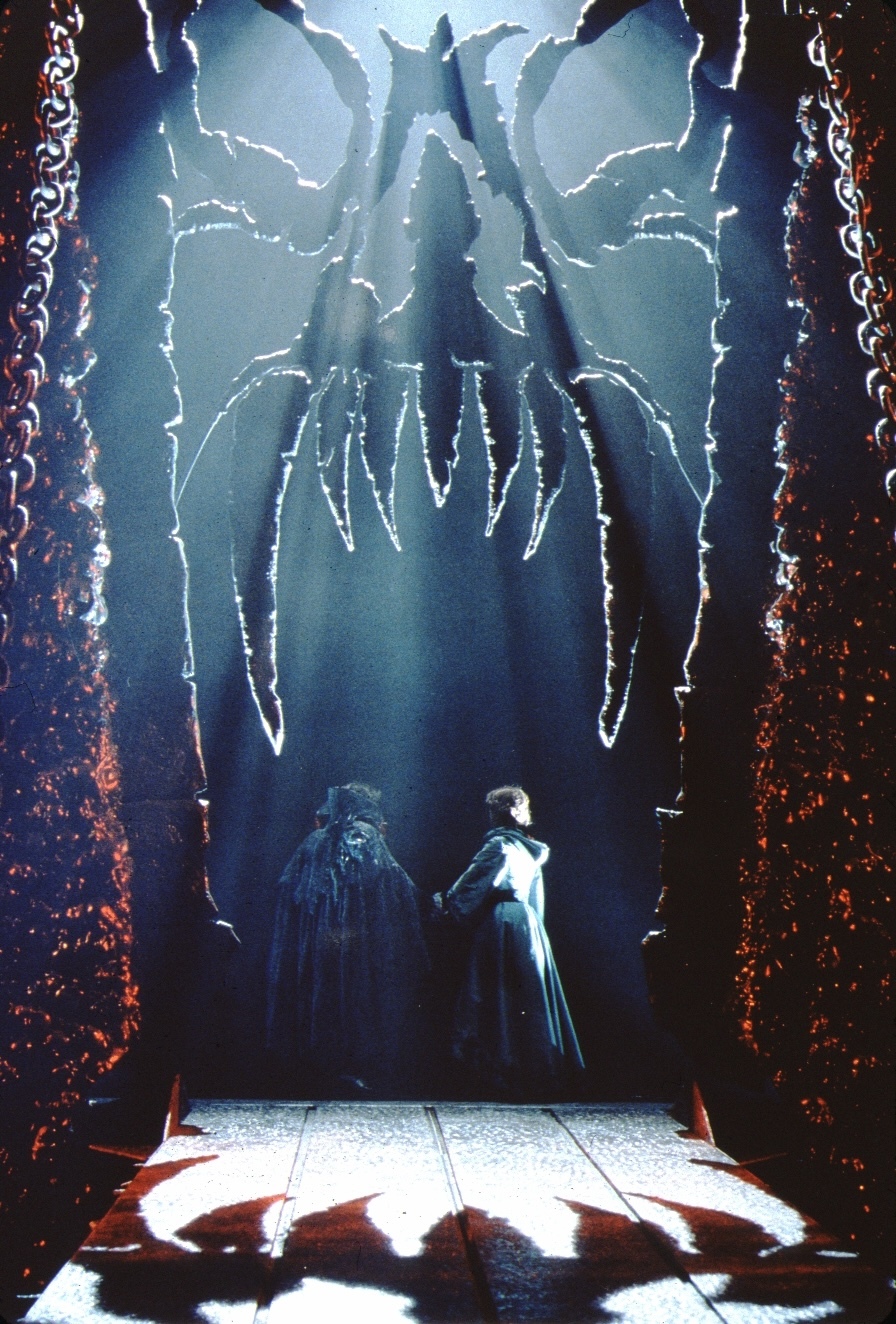
1. Dance of the Vampires (2002): The Slapstick Disaster
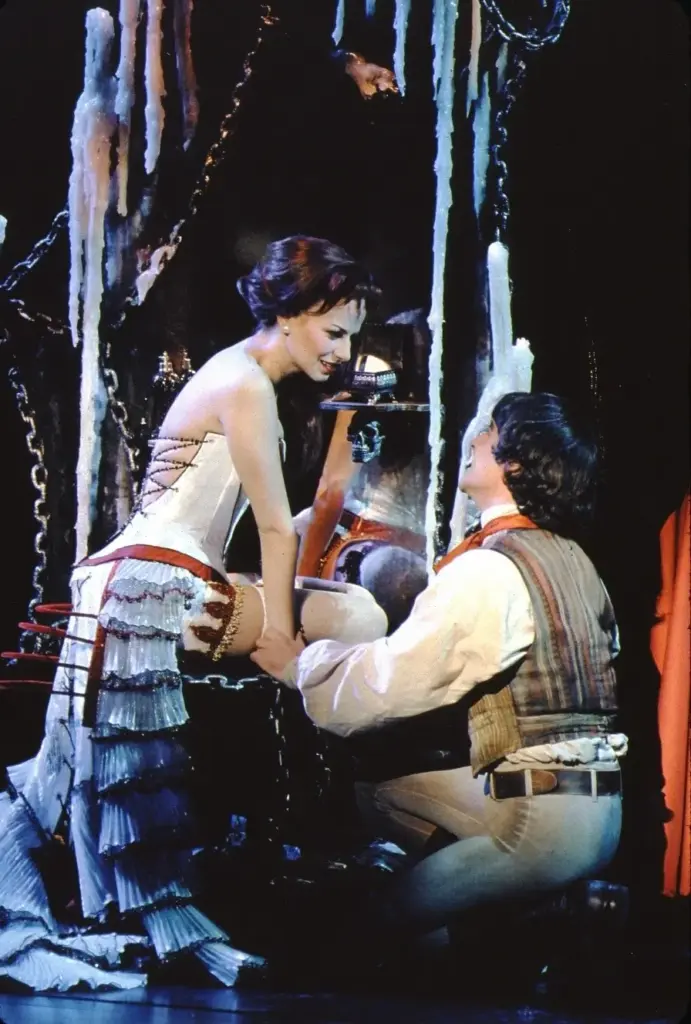
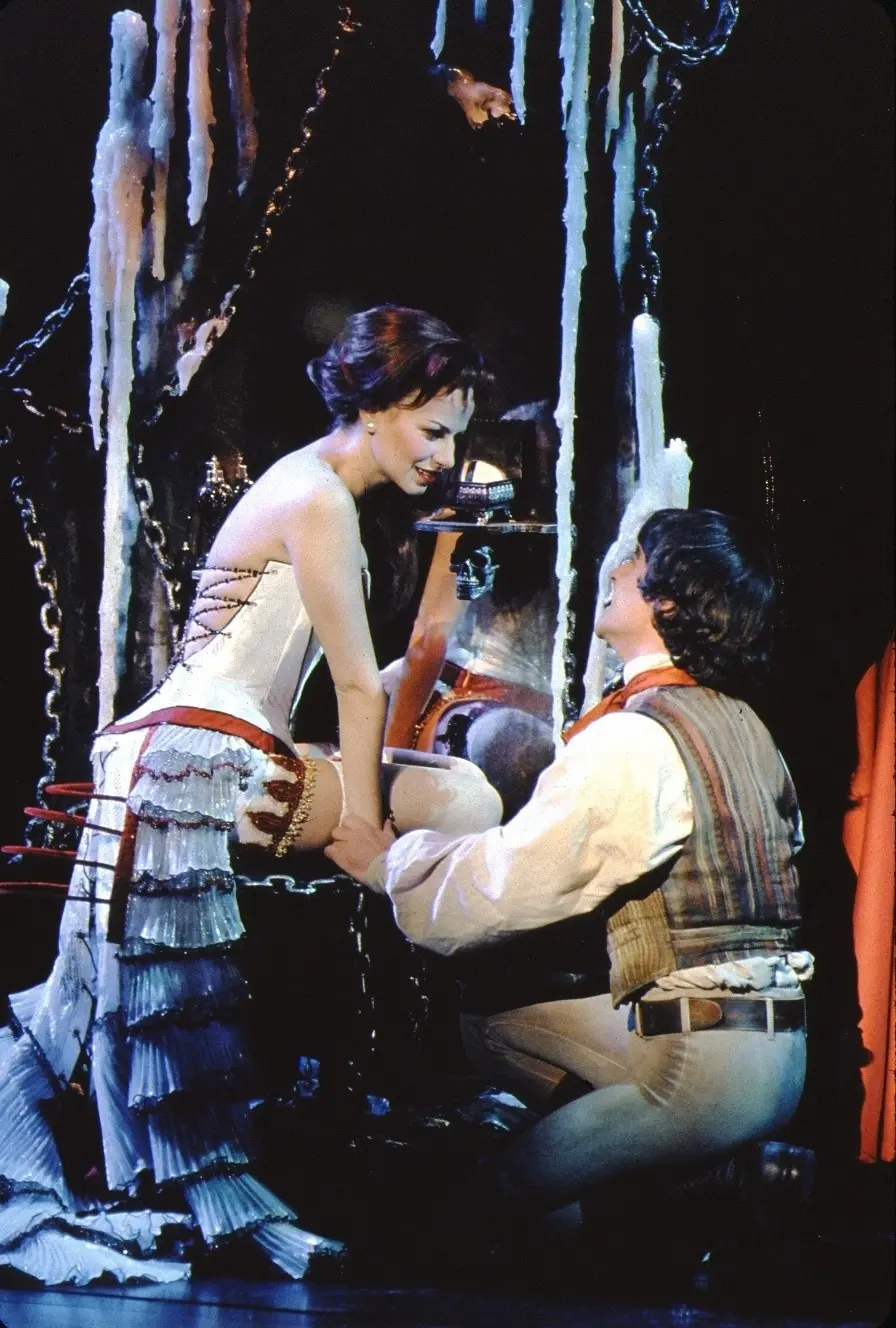
The first vampire musical to test the Broadway waters was arguably one of the most infamous misfires in theatrical history. Dance of the Vampires, adapted from Roman Polanski’s 1967 cult spoof film The Fearless Vampire Killers, had been an unmitigated smash hit in Europe following its 1997 Vienna premiere (Tanz der Vampire). Featuring a soaring, gothic-rock score by Jim Steinman (master of the power ballad) and starring The Phantom of the Opera’s original Raoul, Steve Barton, as the alluring Count Krolock, the Austrian production emphasized the shadowed, romantic excess of the genre.
When producers attempted to import the property to Broadway in 2002, however, nearly every structural element unraveled. With Polanski legally barred from entering the United States, a leadership vacuum formed, steering the production through a bizarre identity crisis. What began as a sweeping dark romance was systematically rewritten into a campy, slapstick Mel Brooks-style comedy. Steve Barton was ousted and replaced by another Phantom alumnus, Michael Crawford, while the English-language book took on an increasingly tone-deaf veneer.
Despite the tonal disaster, the production yielded one moment of pure theatrical electricity: Mandy Gonzalez, making her Broadway debut, brought down the house nightly with her breathtaking rendition of Jim Steinman’s "Total Eclipse of the Heart" (originally written for an abandoned Nosferatu musical). Yet one stellar performance could not salvage the wreckage. Following 61 previews and 56 regular performances, Dance of the Vampires closed with a staggering $12 million loss. (Though it remains a beloved, sold-out staple in European repertories, its Broadway ghost still haunts the ledger books.)
2. Dracula, the Musical (2004): The Stuffed Bat on a Stick
Undeterred by the carnage of 2002, Broadway attempted to recapture the gothic zeitgeist just two years later. In August 2004, composer Frank Wildhorn—then riding high on the enduring cult status of Jekyll & Hyde—brought Dracula the Musical to the Belasco Theatre. On paper, Wildhorn’s affinity for soaring, pop-operatic villain anthems and classical literature adaptations made him an ideal match for Stoker’s source material.
Unfortunately, behind-the-scenes turmoil, including Wildhorn’s concurrent divorce from muse Linda Eder, resulted in a disjointed, uninspired score. Director Des McAnuff attempted to mask the structural flaws with sensory overload: endless yards of black fabric draped across the stage, aggressive sound design, and a memorable, avant-garde nude scene featuring stars Kelli O’Hara and Melissa Errico.
Word of mouth, however, staked the production in its heart before it could find its footing. Critics and audiences alike balked at the purple-prose lyricism—most notably the infamous line, "Give me your mouth upon my mouth / Give me your skin to savor / Give me your breath upon my breast / Taste our immortal flavor"—which landed squarely on New York Magazine’s compilation of "songs to make your blood curdle." Ben Brantley of The New York Times memorably summarized the sentiment, writing that the show loomed "like a giant stuffed bat on a stick, the easiest target on Broadway." Dracula shed $7.5 million before closing within five months. (Like its predecessor, a heavily revised iteration later found substantial life across international markets in Asia and Europe.)
3. Lestat (2005): The Elton John Casualty
Having endured two of the largest financial bloodbaths in modern theatrical history, the Broadway community attempted a high-stakes triple crown with Lestat in 2006. Based on Anne Rice’s immensely popular Vampire Chronicles, the musical paired pop royalty Elton John with legendary lyricist Bernie Taupin for their very first theatrical collaboration.
During its out-of-town tryout at the Curran Theatre in San Francisco, Lestat shattered records as the highest-earning pre-Broadway engagement in the city’s history, out-grossing both Wicked and Cats. Performances by Hugh Panaro (Lestat) and Carolee Carmello (Gabrielle) won fervent praise from die-hard Rice devotees.
Regrettably, the production’s Broadway producers panicked ahead of the New York bow. Without Elton John’s knowledge or consent, the show underwent radical structural surgery, truncating John’s expansive musical narrative to more closely mimic the cinematic pacing of the 1994 film Interview with the Vampire. By the time Lestat opened at the Palace Theatre in April 2006, it was creatively dead on arrival.
Though Carolee Carmello earned a Tony nomination for her performance alongside costume designer Susan Hilferty, the damage was done. Elton John was reportedly so deeply humiliated by the executive interference that he blocked the commercial release of the original cast recording, casting the score into permanent theatrical shadows. Despite two decades of fans—and Carmello herself—publicly pleading for its release, Lestat remains one of the great "what-ifs" of 21st-century Broadway.
Supporting Context & Metrics: The Anatomy of a Flop vs. Triumph
To fully grasp why The Lost Boys succeeded where Dance of the Vampires, Dracula, and Lestat failed, industry analysts often point to a shifting matrix of economics, demographic shifts, and artistic execution.
| Production | Opening Year | Creative Team / Notable Names | Primary Pitfall | Financial Outcome / Status |
|---|---|---|---|---|
| Dance of the Vampires | 2002 | Jim Steinman, Steve Barton, Michael Crawford, Mandy Gonzalez | Tonal whiplash (gothic romance forced into slapstick comedy) | Lost $12M; closed after 56 performances. |
| Dracula the Musical | 2004 | Frank Wildhorn, Des McAnuff, Kelli O’Hara, Melissa Errico | Weak, melodramatic score and heavy-handed staging | Lost $7.5M; closed within five months. |
| Lestat | 2006 | Elton John, Bernie Taupin, Hugh Panaro, Carolee Carmello | Unsolicited executive meddling and drastic rewrites | Closed in a month; cast album blocked from release. |
| The Lost Boys | 2025–2026 | Michael Arden, The Rescues, Ali Louis Bourzgui, Shoshana Bean | None; aligned vision, youth-focused, embracing earnest melodrama | Record-breaking run; longest-running vampire musical in history. |
The comparative data illustrates a clear pattern: past failures were undermined by reactionary interference, identity crises, and a persistent industry hesitation to lean into the inherent theatricality of horror. Conversely, The Lost Boys benefited from a unified creative vision that respected both the source material and the emotional intelligence of modern audiences.
Official Statements and Industry Reception
The triumph of The Lost Boys at the Palace Theatre has sparked widespread conversation among creators, critics, and producers regarding how genre fiction is perceived on the Main Stem.
In a recent press statement reflecting on the production’s record-breaking trajectory, Tony-winning director Michael Arden emphasized the necessity of theatrical sincerity:
"When you approach a story as iconic and stylized as The Lost Boys, the worst thing you can do is wink at the audience. You have to honor the heartbeat, the adolescent agony, and the lush, terrifying beauty of the world. We didn’t come here to apologize for vampires; we came here to let them sing at the top of their lungs."
Industry observers have similarly lauded the production’s casting strategy. Lead performer Ali Louis Bourzgui, whose gripping performance anchors the narrative alongside co-star Shoshana Bean, noted in a recent interview:
"There is something profoundly liberating about playing characters who feel everything so intensely. Broadway audiences today don’t want detachment; they want to be swept away by stakes that feel genuinely life-or-death."
Future Outlook: A New Dawn for Genre on Broadway
As The Lost Boys celebrates its historic milestone, its success signals a profound paradigm shift for the theatrical landscape. Two decades have passed since a vampire musical last attempted to conquer Broadway, and the cultural ecosystem has transformed dramatically.
Today’s audiences—skewing younger and increasingly hungry for speculative fiction, horror, fantasy, and sci-fi—have normalized genre storytelling on stage. Following the massive, crossover appeal of hits like The Outsiders and Stranger Things: The First Shadow, Broadway has proven it is no longer an environment exclusively reserved for traditional domestic dramas or historical biographies.
The Lost Boys succeeded precisely because it learned from the mass graves of its predecessors. It features a fearless director with absolute control, an inspired score by The Rescues that balances intricate harmonies with rock drive, and a young, fearless ensemble unafraid of gothic melodrama. Enhanced by Dane Laffrey’s mind-bending, Tony-winning set design, the production proves that fantasy can be vividly, breathtakingly realized on a proscenium stage.
In an era of cultural media frequently saturated in detachment and ironic distance, The Lost Boys offers audiences a rare, intoxicating sanctuary where raw emotion is the lifeblood of existence. Bravo to the creative team and cast; it turns out that on Broadway, the fourth time is indeed the charm, and the children of the night have finally found their true home.