
Executive Overview
Very few musical acts, regardless of genre, possess the extraordinary staying power required to remain culturally and spiritually relevant for five consecutive decades. Yet, Petra—the pioneering powerhouse of Christian rock—has achieved precisely that. Throughout a legendary career marked by shifting musical landscapes, personnel changes, and continuous reinvention, the band’s core identity has remained untouched. Their enduring legacy rests on a foundation of undeniable musical talent, fierce passion, and an innate gift for crafting driving, emotional, hands-in-the-air rock anthems firmly rooted in faith and evangelism.
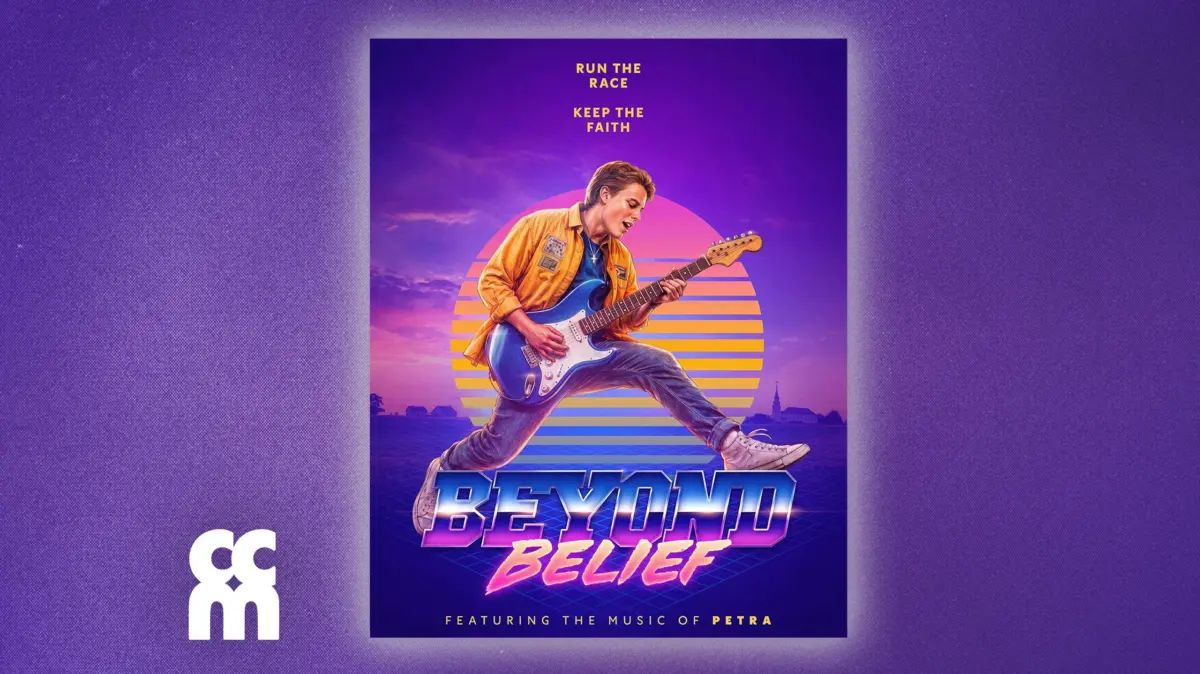
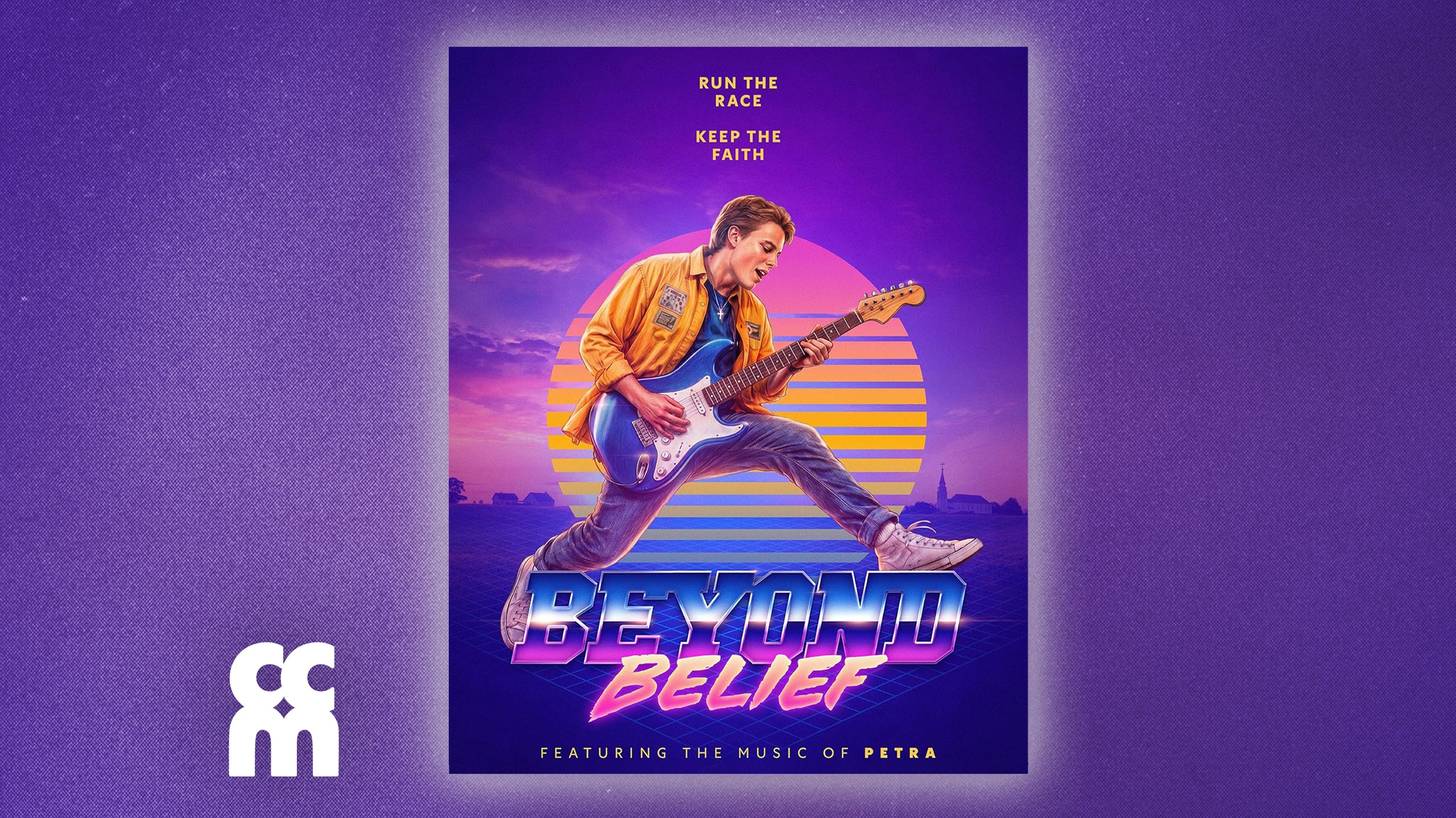
For more than 50 years, Petra has broken new ground, serving not only as chart-topping artists but as structural architects who paved the way for countless contemporary Christian musicians, bands, and worship leaders. Now, the iconic group is shattering boundaries once again. Rather than resting on their laurels or fading gracefully into the annals of classic rock history, Petra’s vast, genre-defining musical catalog has inspired a brand-new feature film titled Beyond Belief, which is officially playing in theaters nationwide.
To clarify misconceptions, Beyond Belief is not a traditional biographical documentary chronicling the triumphs, trials, and internal friction of this seminal Christian rock band. Instead, it is an entirely original narrative feature set against the vibrant cultural backdrop of the 1980s, built structurally and emotionally around the timeless music of Petra. Directed by Johnny Meier, who co-wrote the screenplay alongside Darren Scott Jacobs and Joe Sanders, the film serves as a time machine for nostalgic Gen-X believers while offering a universal story of grief, ambition, and spiritual awakening for modern audiences.
Detailed Chronology: From a 15-Year Vision to the Big Screen
The journey of bringing Beyond Belief from a fleeting concept to a polished cinematic release is a testament to perseverance, taking a staggering 15 years to materialize.
The Germination of an Idea
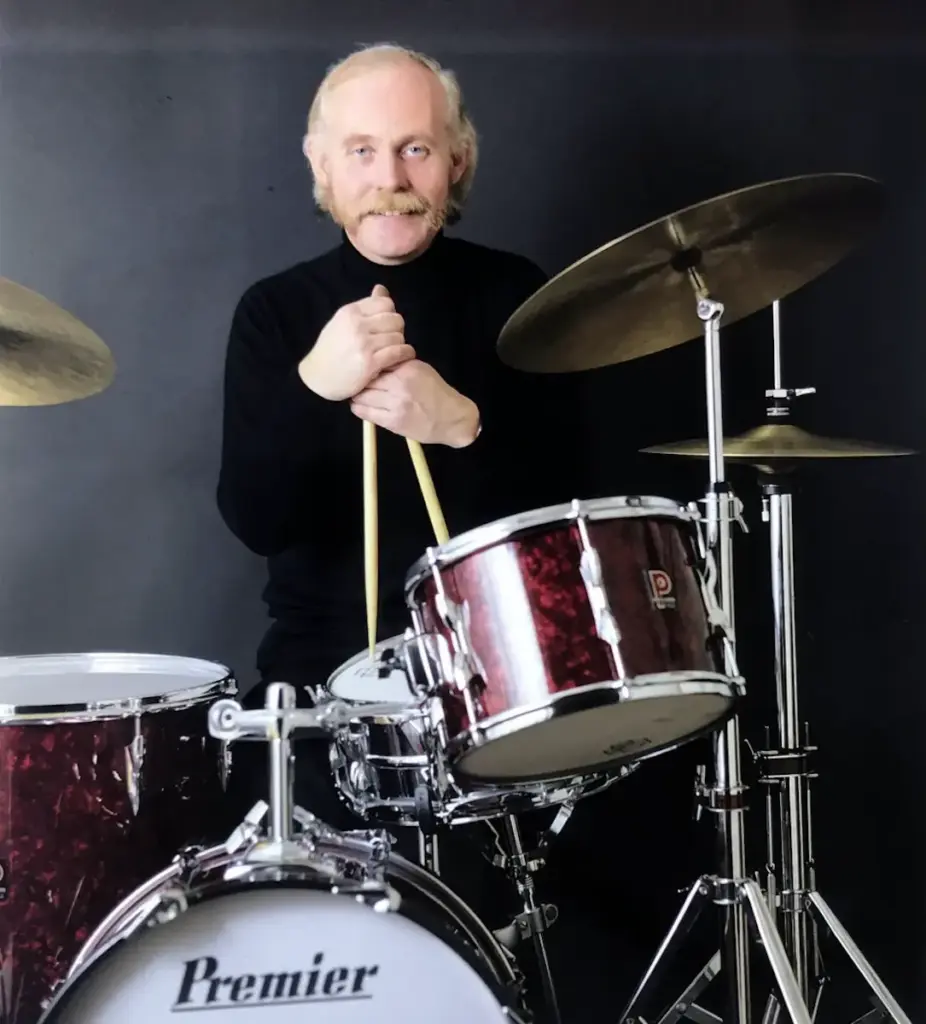
According to Executive Producer Joe Sanders, the seed for the project was planted a decade and a half ago. What began as a speculative creative exercise eventually evolved into a passionate pursuit to honor the music that shaped an entire generation of believers. The turning point for the production occurred when Sanders and the creative team secured a pivotal meeting with Petra legends John Schlitt (lead vocalist) and Bob Hartman (founder and lead guitarist).
According to behind-the-scenes lore, the crucial pitch didn’t take place in a sterile corporate boardroom, but over a casual steak dinner. It was during this meal that the filmmakers managed to convince the reluctant rock icons to not only lend their legendary catalog to the project but also make special cameo appearances in the film itself. (Without spoiling too much for prospective viewers, industry insiders hint that Schlitt and Hartman’s brief on-screen moments deliver some of the biggest laughs in the entire picture.)
Casting the Icons
For Schlitt and Hartman, watching the film for the first time proved to be a surreal, out-of-body experience. Observing actors in their twenties step onto a recreated 1980s stage to portray their younger selves was, by all accounts, a bizarre privilege.
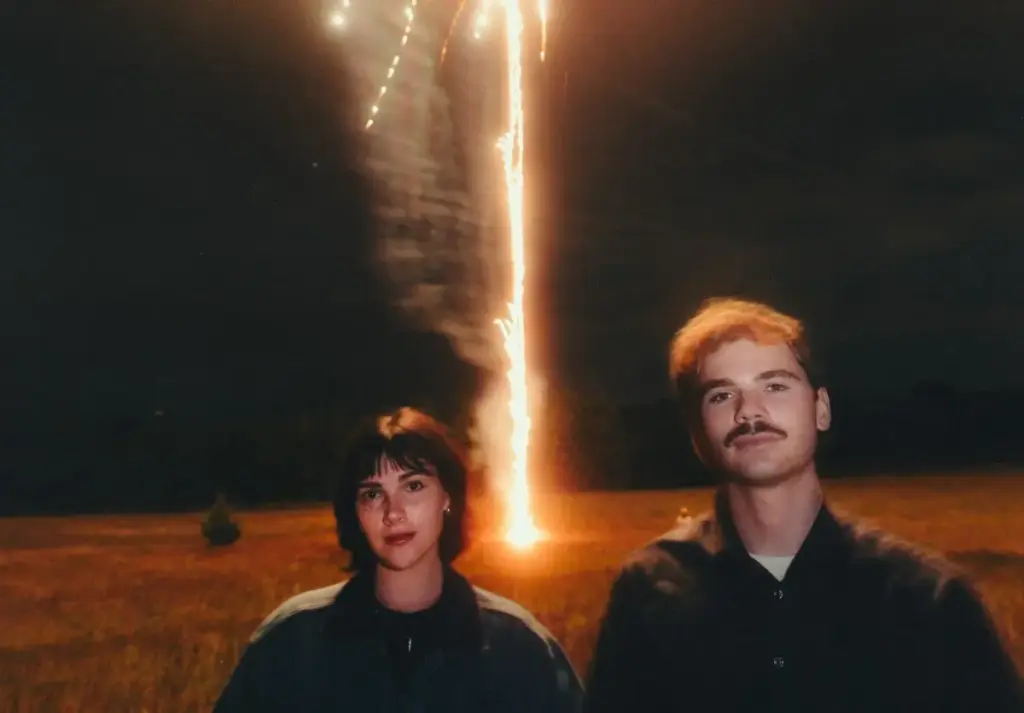
Conversely, the pressure on young actors Oscar Mansky and Jeremy Burchard was immense. Stepping into the shoes of two of the most influential figures in Christian music history is daunting under any circumstance; doing so while the actual living legends watch from behind the cameras adds an entirely different dimension of performance anxiety. However, according to John Schlitt, the primary goal was always to ensure the actors felt comfortable and supported in their roles, allowing them to capture the raw energy rather than merely offering flat impersonations.
Production and Principal Photography
Principal photography for Beyond Belief took place primarily in the idyllic suburbs of Chicago, Illinois. Notably, the production utilized Woodstock, Illinois—a location famously recognized by film buffs as the stand-in for Punxsutawney, Pennsylvania, in the 1993 Bill Murray classic Groundhog Day.
This specific suburban aesthetic provided the perfect visual texture to recreate the socio-cultural ecosystem of a teenage Christian rock fan navigating the Reagan-era Midwest. The production design meticulously integrated period-accurate vintage instruments, wardrobe choices, and concert staging to ground the film in an authentic late-20th-century aesthetic.
Supporting Context & Metrics: Decoding the Plot and Cultural Impact
Plot Dynamics and Narrative Arc
Set firmly in the 1980s, Beyond Belief follows Andy, an ambitious teenage rocker desperately chasing his dream of making it big in the music industry while simultaneously struggling to cope with the profound, life-altering loss of his father.
The emotional catalyst of the film occurs when a mysterious, internal voice urges Andy to "run." This simple, haunting prompt draws the young protagonist into an unexpected, high-stakes journey that aggressively challenges his worldly ambitions, tests the limits of his faith, and forces him to reconcile his personal desires with divine providence.
Ultimately, Beyond Belief is framed by its creators as an inspiring narrative about:
- Learning to discern and hear the voice of God amid life’s static.
- Yielding personal agendas to a higher, sovereign plan.
- Discovering that divine blueprints for human lives routinely exceed our own limited expectations.
Cultural Nostalgia Meets Universal Themes
For longtime fans who attended Petra’s monumental arena and club tours during their peak years, the movie functions less like a standard film screening and more like an immersive trip down memory lane. Utilizing marketing materials heavily inspired by 1980s pop-culture touchstones—most notably Back to the Future—the film successfully targets Gen-X believers who grew up dodging secular cynicism by spinning vinyl and cassette tapes of Beat the System, This Means War!, and Beyond Belief.
However, the creative team was careful to ensure the film’s appeal extends far beyond mere nostalgic indulgence. The underlying screenplay addresses universal human conditions: the processing of grief, the search for identity during adolescence, and the courage required to realign one’s life purpose when foundations crumble.
Official Statements & Industry Perspectives
The reception of Beyond Belief has sparked widespread conversation across both Christian media outlets and independent film circles. Industry veterans and long-standing fans have stepped forward to share their perspectives on how the film bridges generational divides.
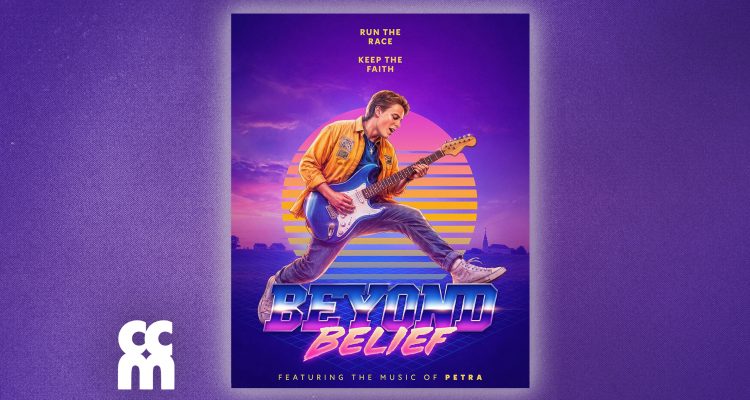
One veteran reviewer, reflecting on a personal history with the band that dates back to attending a live Petra concert in 1991, noted the uncanny accuracy with which the cast recreated the kinetic atmosphere of a vintage Petra show:
"I first saw Petra live in 1991, only a couple of years after the film takes place. And I thought Oscar, Jeremy, and the rest of the cast did a great job capturing the energy and spirit of a Petra concert from that era. Having seen Beyond Belief twice now, I can safely say that for Gen-X fans, this film operates as a legitimate time machine."
The immersive nature of the viewing experience is further highlighted by audience reactions inside the theaters. Observers note that screenings frequently transform into impromptu community events. It is not uncommon during peak musical sequences to look across a theater and watch grown adults unashamedly pumping their fists, nodding their heads, and mouthing the lyrics to classic Petra tracks in unison.
John Schlitt and Bob Hartman have expressed profound gratitude regarding the project. In various promotional interviews, they have emphasized that seeing their music integrated into a narrative about modern spiritual struggle validates the longevity of their ministry. Rather than seeing their catalog relegated to dusty museum shelves or nostalgic streaming playlists, Beyond Belief proves that the spiritual truths embedded in their lyrics remain as vital and operational today as they were forty years ago.
Future Outlook: The Legacy of Petra in Modern Media
The successful theatrical rollout of Beyond Belief marks a fascinating turning point in how legacy Christian music catalogs can be leveraged in contemporary media. For decades, the dominant cinematic trend for musical properties has been the standard biographical drama—often plagued by dramatic embellishments, tragic downfalls, and predictable narrative arcs.
By pivoting toward a narrative fiction framework inspired by, rather than restricted to, a band’s history, Beyond Belief has established a fresh blueprint for faith-based storytelling. It opens the door for other foundational Christian artists from the 1970s, 80s, and 90s—such as DeGarmo & Key, White Heart, or Stryper—to consider imaginative, story-driven cinematic adaptations of their own thematic legacies.
Furthermore, the film’s success underscores a broader demographic reality: the aging demographic of early Christian rock adopters possesses immense purchasing power and a deep desire for media that respects their history while speaking to contemporary spiritual realities. By blending heart, high-energy rock music, and sharp directorial pacing under Johnny Meier, Beyond Belief demonstrates that stories of faith and rock-and-roll can successfully intersect without sacrificing artistic integrity.
As Beyond Belief continues its run in theaters nationwide, it stands as a living monument to a band that refused to compromise its message. For longtime devotees who have carried the torch of Christian rock for decades, and for a new generation discovering the driving guitars and evangelistic lyrics of Petra for the first time, this cinematic venture is an invitation to strap in, turn up the volume, and look beyond the immediate horizons of life.