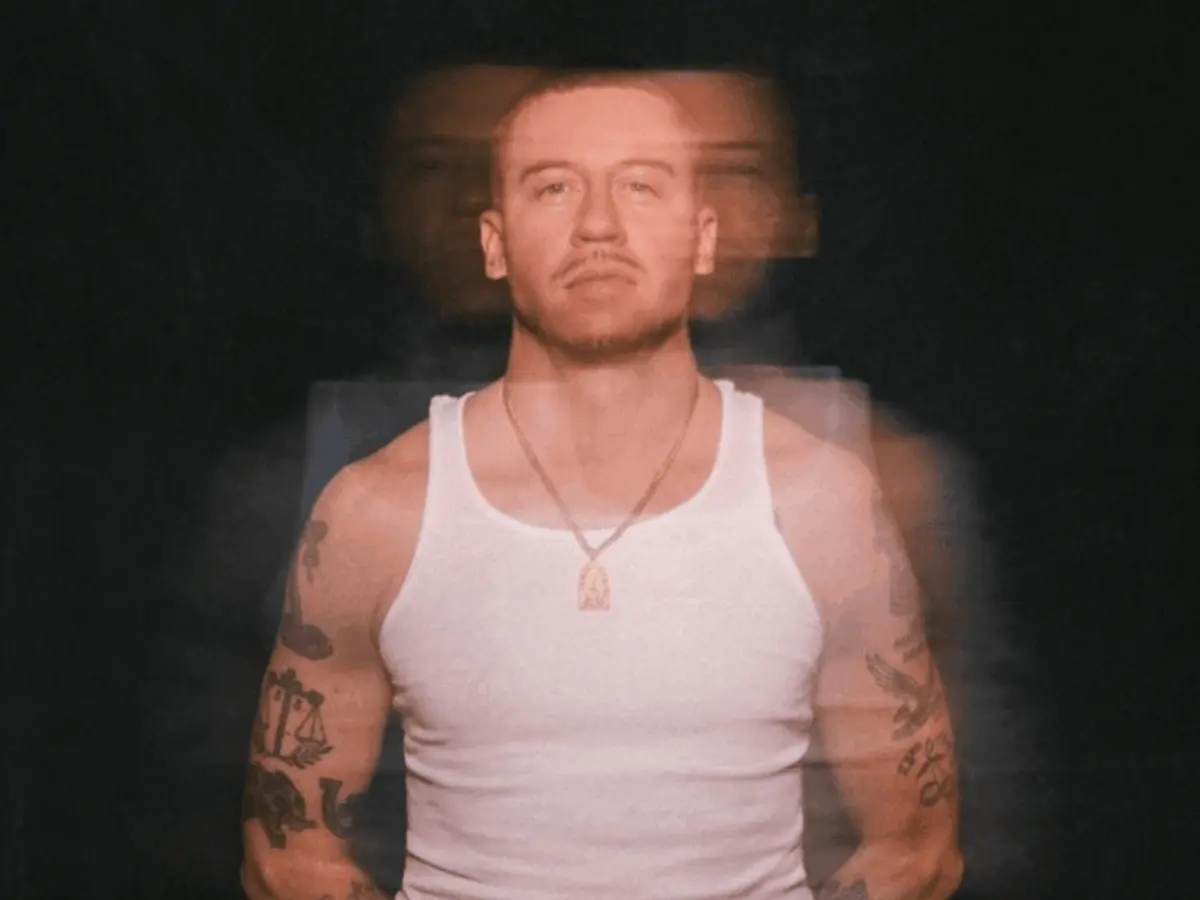

Executive Overview
In the rapidly evolving intersection of modern pop culture, global geopolitics, and digital-age activism, few recent developments have matched the industry-wide resonance of Macklemore’s latest career pivot. Following his controversial and unceremonious removal from Ed Sheeran’s sprawling "Loop" stadium tour across the United States, the Grammy-winning Seattle rapper has decisively filled his newly opened calendar. Rather than retreating from the public eye or softening his outspoken stance to appease risk-averse promoters, Macklemore has leaned entirely into his convictions, announcing an international "Free Palestine" tour.
The newly unveiled concert series is slated to kick off in late October 2026, with confirmed stops in major cultural capitals including Dublin, Paris, and London, alongside impending dates across the United States. Beyond merely acting as a vehicle for live music, the tour is envisioned as a collective platform for artists who have chosen solidarity over commercial security. In an era where corporate-backed entertainment entities frequently pressure performers to remain apolitical, Macklemore’s initiative challenges the traditional boundaries of celebrity influence, forcing a broader industry reckoning over artistic accountability, censorship, and the moral responsibilities of public figures during geopolitical crises.
Detailed Chronology: From Stadium Support to Independent Activism
The chain of events leading up to Macklemore’s independent tour announcement underscores a growing friction between mainstream live-music conglomerates and artists determined to use their global platforms for political expression.
The Ed Sheeran "Loop" Tour Partnership
Earlier in the concert cycle, Macklemore had secured a coveted supporting slot on Ed Sheeran’s blockbuster "Loop" tour in the United States. For any legacy or contemporary artist, opening for an act of Sheeran’s magnitude represents a lucrative, career-sustaining venture—guaranteeing massive audiences, heavy media coverage, and steady revenue in an increasingly unstable economic climate for live touring.
However, Macklemore’s active and vocal advocacy for Palestinian liberation had already set him on a collision course with conservative industry standards. As tensions escalated both on social media and within venue management circles regarding his outspoken commentary, backstage pressures mounted.
The Removal and the "White Space"
Industry insiders reported rising discomfort among tour organizers regarding the potential for protests, security complications, and brand liability tied to Macklemore’s political positioning. Consequently, the decision was made to remove him from the remaining US dates of the "Loop" tour.
Rather than viewing this cancellation as a career setback, Macklemore treated the sudden vacancy in his schedule as an operational window. Within days of his departure from the Sheeran tour, the rapper mobilized his team to conceptualize a direct response: an independent, purpose-driven concert series designed to bypass traditional gatekeepers who seek to sanitize live performance spaces.
Supporting Context & Metrics: The Intersection of Music, Money, and Geopolitics
To fully grasp the weight of Macklemore’s announcement, one must examine the broader cultural and economic landscape of the mid-2020s entertainment industry. The relationship between major music corporations, booking agencies, and geopolitical discourse has reached a critical inflection point.
The Corporate Censor and the Myth of Apolitical Art
In his official announcement via Instagram, Macklemore did not mince words regarding the institutional forces attempting to dictate what artists can and cannot say. He pointed directly to "the power of billionaires that try to censor that call," highlighting a systemic trend where corporate sponsors, festival bookers, and multi-national promotion agencies actively penalize performers who step outside approved narrative boundaries.
Historically, the music industry has often rewarded safety. The unwritten rule for decades was simple: keep the audience comfortable, avoid polarizing topics, and maximize ticket sales. Yet, as Macklemore noted in his statement, "It’s 2026. Being apolitical during a genocide doesn’t work anymore."
The Digital Shift and Collective Awakening
The digital ecosystem has fundamentally altered how public sentiment forms around international crises. Social media platforms, while frequently criticized for algorithmic suppression or shadow-banning of pro-Palestinian content, have simultaneously enabled grassroots education on an unprecedented scale.
Audience expectations have undergone a generational shift. Younger concertgoers and digital natives increasingly view passivity among celebrities not as neutrality, but as complicity. Metrics across social listening platforms indicate a measurable surge in digital engagement whenever artists take bold, unscripted stances on global human rights issues. Macklemore’s pivot capitalizes directly on this "collective awakening," banking on the premise that a dedicated, values-driven fanbase will financially and emotionally support a tour rooted in solidarity rather than commercialism.
Official Statements and Industry Reactions
The announcement of the "Free Palestine" tour sent immediate shockwaves through the global music community, drawing reactions from grassroots activists, music industry executives, and fans alike.
Macklemore’s Manifesto
In his comprehensive social media statement, Macklemore articulated the philosophical foundation driving the upcoming concert series:
"There has been a collective awakening around Palestinian liberation, the power of billionaires that try to censor that call, and what we expect from artists right now. It’s 2026. Being apolitical during a genocide doesn’t work anymore. People are asking artists to show up, educate themselves and be in community. To use the stage for more than entertainment. To push back when the call for a Free Palestine is met with attempts to silence it."
Crucially, the rapper revealed that the tour will not be a solo endeavor. It is designed as a collective space featuring other musical acts "who have shown up and used their stages to stand in solidarity with the Palestinian people, regardless of the consequences." While specific performer names remain unannounced to protect participants from sudden retaliatory booking cancellations, the promise of a united front has electrified independent artist communities.
Industry Backlash and Behind-the-Scenes Anxiety
While public support from progressive fanbases has been overwhelmingly positive, traditional music-industry quarters have responded with quiet apprehension. Major booking agencies and venue conglomerates are reportedly re-evaluating their risk-assessment frameworks. The fear of localized protests, potential boycotts, or insurance complications has led some promoters to adopt hyper-cautious stances regarding politically charged acts.
However, Macklemore’s move demonstrates a viable alternative: independent routing and direct-to-fan marketing models that bypass legacy risk-averse infrastructure entirely. By establishing direct contact with international venues in Dublin, Paris, and London, the tour bypasses the standard corporate-festival pipeline, proving that artists with significant independent capital and loyal followings can carve out their own touring ecosystems.
Future Outlook: A New Paradigm for Live Performance?
As the October launch date for the "Free Palestine" tour approaches, industry analysts are watching closely to see what precedent this initiative will set for the wider music business.
The Ripple Effect on Future Tours
Macklemore’s high-profile split from Ed Sheeran and subsequent launch of a solidarity tour may well serve as a watershed moment. If the tour proves successful—both in ticket sales and in maintaining logistical stability across international borders—it could embolden other mainstream and independent artists to speak out without fear of economic exile. Conversely, any logistical roadblocks, coordinated venue pushback, or security hurdles will be closely scrutinized by corporate entities seeking to justify strict apolitical clauses in future standard performance contracts.
Redefining the Role of the Artist
Ultimately, the narrative surrounding Macklemore’s current career trajectory transcends a simple dispute over a support slot on a stadium tour. It speaks to a fundamental redefinition of what a concert stage represents in the 21st century. For Macklemore and the artists joining him, the stage is no longer merely a site of commercial escape or commodified entertainment; it is an active town square, an educational platform, and a megaphone for international human rights.
As fans in Dublin, Paris, London, and upcoming US cities prepare to fill venues this autumn, the music industry faces an unavoidable reality: the era of the safely apolitical pop star is rapidly drawing to a close, replaced by an audience that demands authenticity, courage, and community above all else.