
Executive Overview
The contemporary international music landscape is undergoing a silent yet profound structural transformation. As traditional geographic boundaries dissolve into digital networks, the creation, production, and distribution of jazz, world, and sacred music have fundamentally shifted. This journalistic investigation examines three distinct, highly anticipated releases from the 2023–2025 recording cycle that collectively map the current state of globalized acoustic art: Jazz Mysteries by Polish-Australian pianist Przemysław Jan Grabowski; Passion Congo by Congolese veteran Ray Lema in collaboration with Italy’s Ensemble Partage; and Hymns In A Jazz Mood Vol 3 by the Norwegian Krupke Trio.
These three albums present a fascinating cross-section of modern compositional methodology. Grabowski’s work highlights the triumphs and technological limitations of remote, multi-continental collaboration during and after the COVID-19 pandemic. Lema’s record demonstrates how decades of cross-cultural synthesis can yield a singular, brilliantly clear voice without falling into the trap of homogenized "world music." Meanwhile, the Krupke Trio pushes into deeply specialized territory, marrying Nordic ecclesiastical traditions with chamber jazz.
Taken together, these releases offer critical insights into how contemporary artists negotiate the tensions between local roots and global reach, compositional structure and spontaneous improvisation, and traditional instrumentation and modern production frameworks. This report provides an exhaustive, multi-faceted analysis of these projects, tracing their origins, aesthetic frameworks, technical realities, and long-term implications for the international music industry.
Detailed Chronology and Project Genesis
Przemysław Jan Grabowski: Jazz Mysteries
The genesis of Jazz Mysteries is inextricably linked to the geopolitical and social disruptions of the COVID-19 pandemic. Przemysław Jan Grabowski, a classically trained pianist who consciously abandoned formal academic pathways early in life to forge an independent artistic voice, began conceptualizing the project during global lockdowns. Living in Washington, D.C., Grabowski drew heavily upon the foundational idioms of jazz masters such as Chick Corea and Herbie Hancock, blending modal exploration with accessible, melodic structures.
The recording timeline spans from 2023 to early 2025. Because of physical separation, Grabowski engineered a decentralized production model. While foundational piano tracks were laid down in Boston, the supporting ensemble recorded their respective parts remotely from Havana (Cuba), London (UK), and New York City (USA). This asynchronous workflow created a unique set of artistic hurdles. Without the physical presence required for real-time improvisational interplay—the classic "call and response" and spontaneous musical chemistry native to traditional jazz—the project relied entirely on post-production wizardry to achieve its warm, homogeneous sound. The resulting seven-track independent release balances moderate rhythmic complexity with an emphasis on memorable, hummable hooks, particularly evident on modal numbers like Forward Voyage and the funk-infused Happy Beluga.
Ray Lema with Ensemble Partage: Passion Congo
Ray Lema’s musical trajectory is a masterclass in geographic and stylistic migration. Hailing originally from the Democratic Republic of Congo, Lema has spent decades traversing rock, classical, and jazz milieus. Passion Congo represents a major milestone in a career defined by borderless artistic expression.
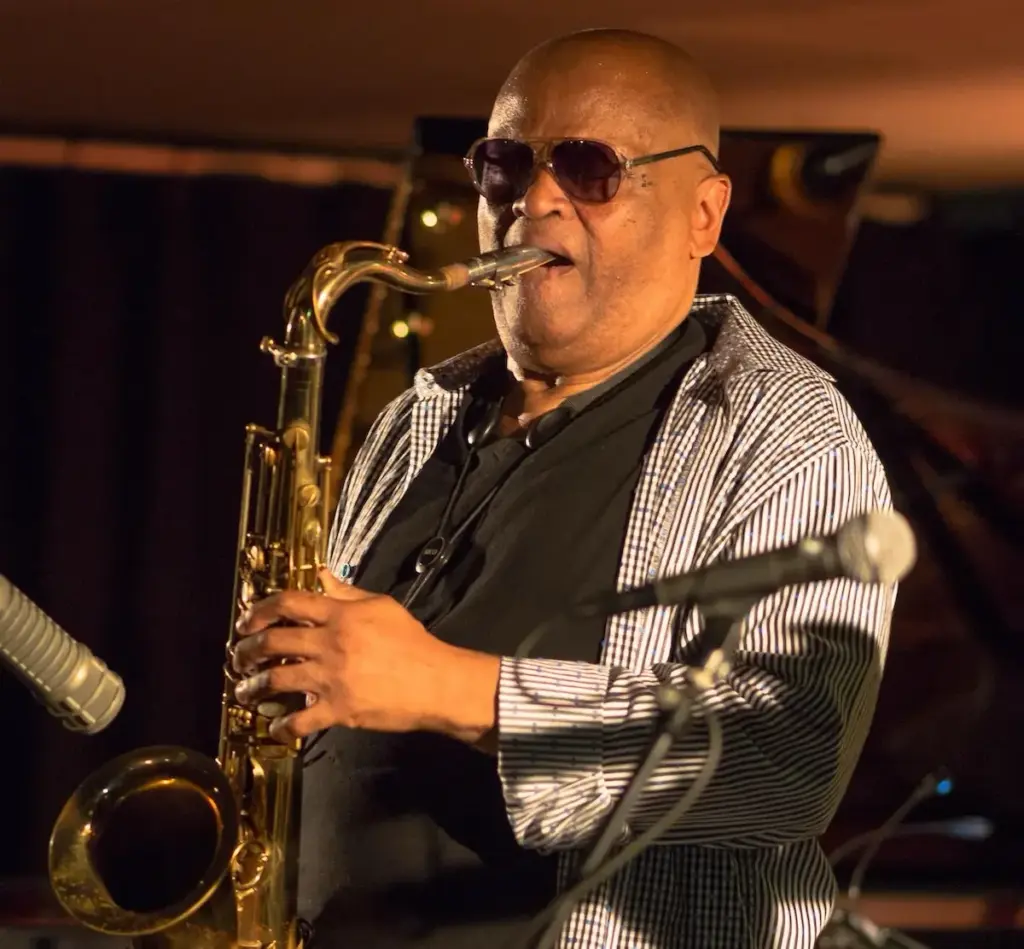
The project’s realization centers around a deliberate, cross-continental collaboration with the Italian Ensemble Partage—whose name derives from the French word for "sharing." Unlike ad-hoc remote projects, this endeavor brought Lema together with a classical string quartet, soprano saxophonist Manuel Pramotton, and percussionists Marc Giovinazzo and Nesta Mondelice at Studio Peninsula in Sarzeau, France. The production timeline reflects a meticulous crafting of texture, where Lema’s piano acts not merely as a solo instrument, but as an architectural anchor for rhythmic shifts, countermelodies, and sparse vocal interventions. Released under the 1Drop 11 label, Passion Congo avoids the pitfall of "ethno-pudding"—a pejorative term for unfocused world music medleys—by maintaining rigorous clarity, linear development, and rhythmic vitality across tracks like Hysteria, Mopti, and the ragtime-inflected Twist And Smile.
Krupke Trio: Hymns In A Jazz Mood Vol 3
The third installment of the Krupke Trio’s series represents a quiet, meditative corner of the contemporary Nordic jazz ecosystem. Recorded in September 2025 at Musikkloftet in Asker, Norway, and released via Losen Records, this project investigates the intersection between traditional Norwegian hymnology and chamber jazz.
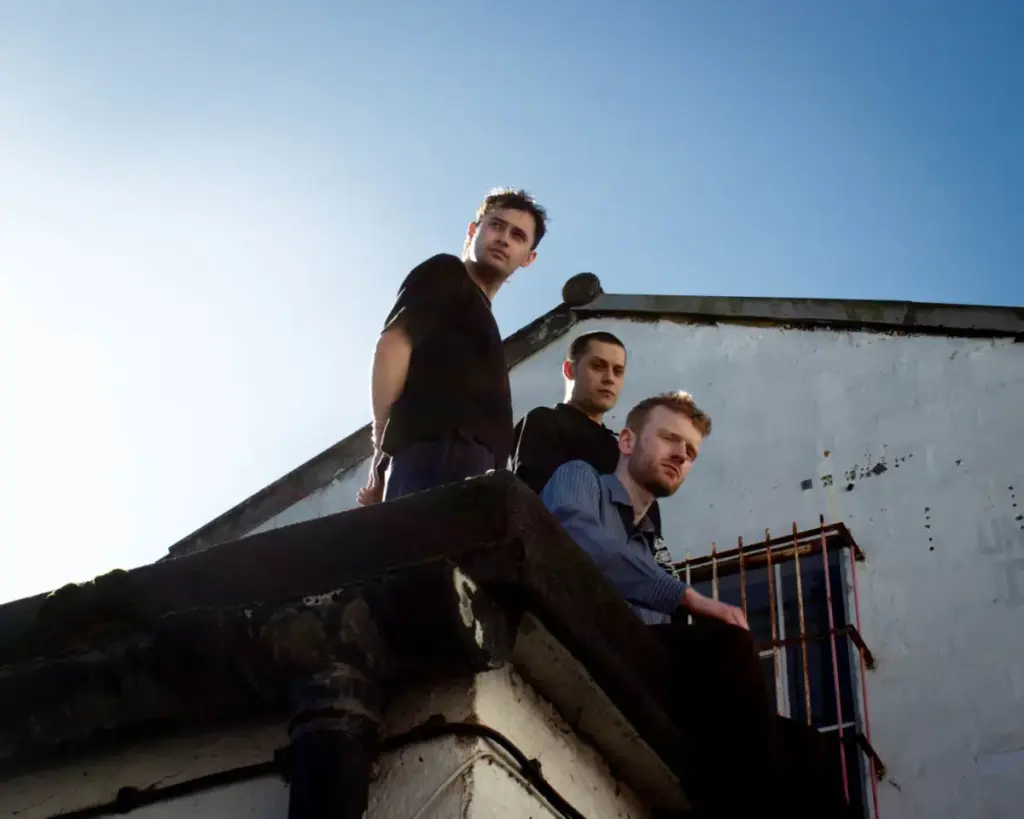
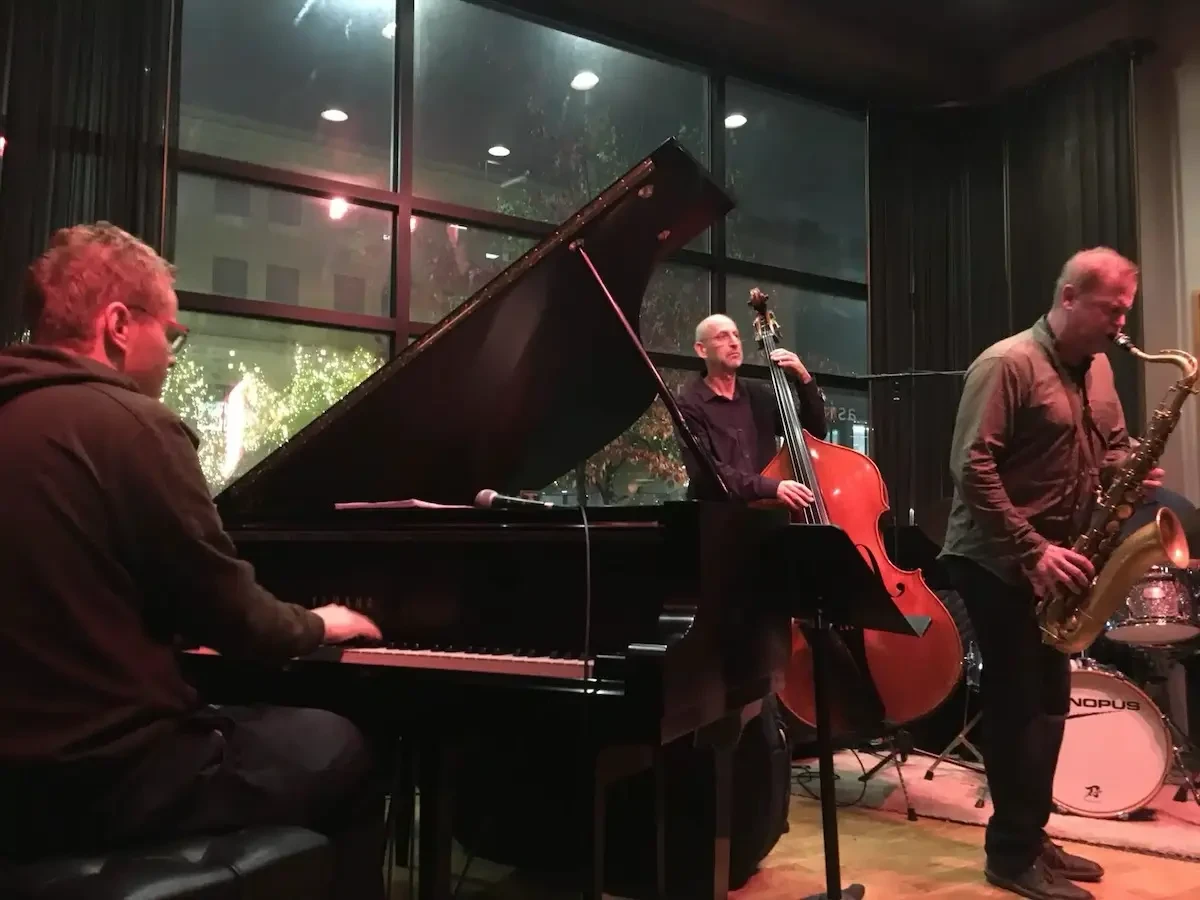
Conceived and arranged by pianist and organist Ulf Krupke, the project brings together three artists from divergent musical backgrounds: Krupke, deeply rooted in church music; bassist Tine Asmundsen, a veteran of the Norwegian jazz circuit; and classically trained saxophonist Line Falkenberg. Rather than adopting the ecstatic, high-energy abandon characteristic of American gospel music, the trio leans into a restrained, introspective Northern European spirituality. The recording chronicles their exploration of obscure, folk-derived Norwegian hymns that remain largely unfamiliar to international audiences. Across twelve tracks—ranging from the bowed-bass musings of I En Drøm Jeg Øyner Fedres Land to the organ-driven pulse of Kristus Kom Med Vann Og Blod—the trio documents a specialized niche of devotional jazz that continues to cultivate a dedicated following.
Supporting Context & Metrics
To fully understand the artistic and commercial weight of these releases, one must examine their structural metrics, personnel matrices, and production frameworks:
| Album Title | Primary Artist | Geographic Dispersion | Core Instrumentation | Runtime | Primary Label / Status |
|---|---|---|---|---|---|
| Jazz Mysteries | Przemysław Jan Grabowski | USA, Cuba, UK | Piano, Synths, Tenor Sax, Trumpet, Bass, Electric Bass, Drums | 45:54 | Independent (2025) |
| Passion Congo | Ray Lema & Ensemble Partage | Congo, France, Italy | Piano, Vocals, 2 Violins, Viola, Cello, Soprano Sax, Percussion | 46:06 | 1Drop 11 (2024–2025) |
| Hymns In A Jazz Mood Vol 3 | Krupke Trio | Norway | Piano, Organ, Soprano/Alto Saxophone, Bass | 56:50 | Losen Records (2025) |
Acoustic and Stylistic Comparison
- Accessibility vs. Complexity: Grabowski’s Jazz Mysteries prioritizes unpretentious listenability, steering clear of excessive virtuosity or avant-garde dissonance. Lema’s Passion Congo balances structural minimalism with infectious, danceable polyrhythms derived from classical and African traditions. The Krupke Trio’s work presents the most ascetic framework, where jazz arrangements frequently take a backseat to the solemnity and contemplative pacing of church hymnody.
- Production Methodology: While Grabowski’s album demonstrates the potential and limitations of DAW-based (Digital Audio Workstation) global stitching—resulting in occasional moments where solos feel slightly detached from the rhythm section—Lema and the Krupke Trio relied on localized, studio-bound ensemble interaction. This acoustic intimacy yields a palpable sense of physical presence that remote recording technologies are still striving to replicate fully.
Official Statements and Critical Reception
Industry critics and the artists themselves have framed these releases not merely as standalone recordings, but as philosophical statements on the current trajectory of acoustic music.
Reflecting on the compositional philosophy behind Jazz Mysteries, Przemysław Jan Grabowski has emphasized the necessity of personal instinct over academic convention. In promotional commentary surrounding the album’s release, associates noted that Grabowski’s departure from formal training was designed to protect an innate melodic intuition. Critics, however, have offered a nuanced evaluation. While praising his gift for lyrical phrasing—particularly highlighting tenor saxophonist Emir Santa Cruz’s fluent contributions on Forward Voyage—reviewers have underscored the inherent artistic compromises of asynchronous recording. As one industry analysis pointed out: "The spontaneous back and forth of musicians playing together and picking up on each other’s ideas is not achievable… sometimes a solo will sound a little detached."
Ray Lema’s approach to Passion Congo has drawn widespread acclaim for its intellectual rigor and joyful accessibility. Lema has consistently argued that true world music must transcend static cultural pigeonholes. In liner notes and interviews discussing his work with Ensemble Partage, critics have lauded the project’s avoidance of clichéd tropes. Reviewers noted that what could easily have devolved into an "ethno-pudding" is instead anchored by "a total clarity of expression." The synergy between the Italian string quartet’s rhythmic foundations and Lema’s percussive piano work has been hailed as a triumph of cross-cultural dialogue.
Ulf Krupke and the Krupke Trio have addressed their specialized repertoire as an act of cultural preservation and quiet devotion. Speaking on the integration of classical discipline and jazz improvisation within the trio, critics have highlighted the stark contrast between the project’s high-minded artistic execution and its niche commercial appeal. Reviewers observed that while Hymns In A Jazz Mood Vol 3 occasionally suffers from a rigid, four-square delivery when the jazz arrangements become overly dominant, its most powerful moments occur when the artists surrender to the introspective gravity of the source material. As noted in contemporary jazz criticism, "Whether the mood is jazz or not is hardly relevant" when the music is executed with such uncompromising emotional commitment.
Future Outlook
As the global music industry looks toward the latter half of the decade, the trajectories of artists like Grabowski, Lema, and the Krupke Trio offer a clear window into future trends.
1. The Evolution of Asynchronous Global Collaboration
Grabowski’s Jazz Mysteries serves as an early case study in the viability of multi-national, remote jazz production. While the method proved successful in bypassing geographical barriers during times of crisis, future iterations of this workflow will need to overcome the primary critique leveled against such projects: the loss of spontaneous, face-to-face improvisational friction. As high-latency, uncompressed audio streaming technologies continue to advance, musicians will increasingly attempt hybrid models—combining the global talent-pooling seen on Grabowski’s record with real-time digital jam sessions.
2. The Refinement of Transnational Chamber Genres
Ray Lema’s continuous cross-pollination of Central African rhythmic sensibilities with European classical string ensembles points toward an expanding market for sophisticated, chamber-scale world music. As audiences grow fatigued by overly commercialized, algorithmically generated pop genres, acoustic projects that offer intricate arrangements, organic instrumentation, and genuine cross-cultural synthesis are poised to capture increased market share in high-end listening environments and international festival circuits.
3. Deepening Regional Niche Markets
The sustained success of the Krupke Trio’s Hymns In A Jazz Mood series demonstrates that hyper-local, devotional jazz concepts possess a resilient, dedicated subscriber base. By focusing on indigenous Nordic hymnody rather than globally homogenized American gospel canons, the trio has carved out a sustainable model for independent European jazz labels like Losen Records. Future projects in this vein are likely to explore other underrepresented regional spiritual traditions, proving that global reach does not require cultural homogenization.
Ultimately, these three releases remind us that the future of jazz and world music lies in the careful balance between individual artistic freedom, technical innovation, and deep-seated cultural memory. Whether recorded across four international cities, workshopped in a French coastal studio, or performed in a Norwegian loft, these works enrich our understanding of what modern acoustic art can achieve.