
Executive Overview
The contemporary instrumental music landscape continues to undergo a profound metamorphosis, driven by artists who refuse to recognize traditional boundaries between genres, centuries, and continents. In an era where digital streaming platforms flatten musical history into a monolithic present, adventurous instrumentalists are instead using historical architectures as raw materials for fresh innovation.
This critical review examines three distinct recent releases that collectively redefine the boundaries of modern acoustic and improvised music: Norwegian guitar virtuosos Knut Reiersrud and Geir Sundstøl’s playful yet reverent reinvention of 17th-century English baroque music on Purcell: Sannhet, Løgn og Dårlig Hukommelse; the cross-continental synthesis of Turkish-Anatolian modal music and Dutch modern jazz on Volkan Kaplan and the Rembrandt Trio’s The Anatolian and Caspian Suites; and Swedish pianist Emil Ingmar’s unpretentious, melody-driven trio outing, Polaroids.
While superficially disparate—ranging from the rustic twang of steel guitars in an Oslo home studio to the microtonal courtly instruments of Azerbaijan and the understated, pop-inflected jazz of Scandinavia—these albums share a common ethos. They reject empty technical flash in favor of deep listening, textural sophistication, and an emotional directness that bridges centuries and cultures. This report provides a comprehensive analysis of these releases, mapping their production histories, stylistic architectures, and broader cultural significance within the contemporary global music economy.
Detailed Chronology and Production Context
1. Reiersrud and Sundstøl: Breathing New Life into Baroque
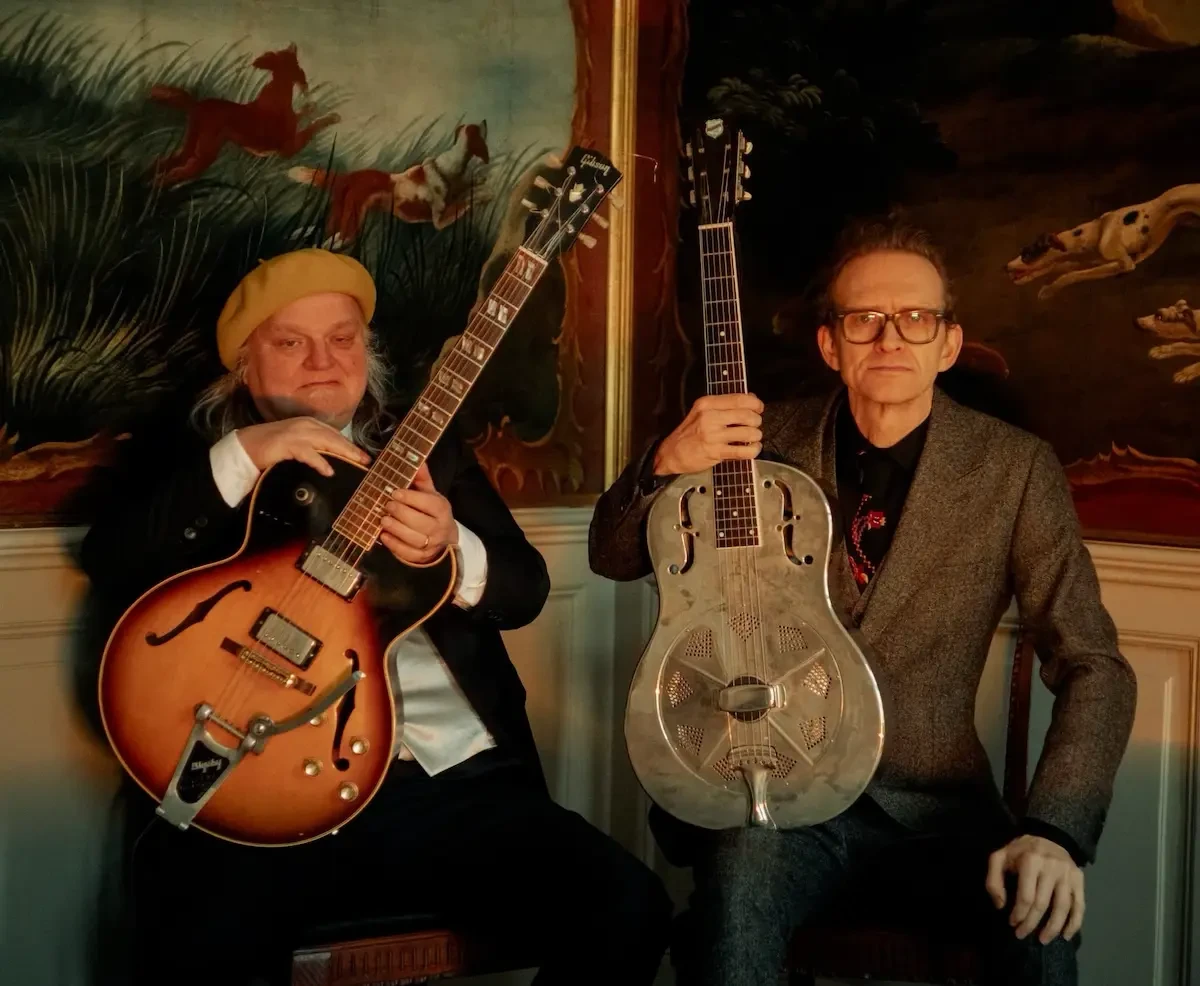
The genesis of Purcell: Sannhet, Løgn og Dårlig Hukommelse lies in a deliberate quest for timbre. In early 2025, guitarists Knut Reiersrud and Geir Sundstøl entered Studio Intim—Sundstøl’s private creative sanctuary in Oslo—with a singular objective: to find the ultimate twang. To achieve this, the duo surrounded themselves with an eclectic arsenal of plucked and struck instruments. Brands such as the Euphone Olympic Archtop, Gibson ES 175 Hollow Body, and National Duolian sat alongside a traditional Middle Eastern oud, mandolins, timpani, tubular bells, and a fretless banjo.
Rather than applying these Americana-associated instruments to blues, country, or bluegrass, Reiersrud and Sundstøl turned their attention to the catalog of Henry Purcell, the towering English composer of the 17th century. The resulting album, released via Elevator Music/Grappa, captures an intimate dialogue between two master musicians who spent March 2025 shaping baroque dance forms and melodic fragments through the lens of modern roots instrumentation.
The chronological sequence of the album—running from Den Gordiske Knut to Gift I Bø across a compact 37 minutes and 57 seconds—feels less like a rigid suite and more like an overheard conversation. The deliberate choice to record in a domestic studio environment preserves the ambient intimacy of the session, making the listener feel as though they are sitting mere feet away from the artists as they coax new emotional resonance out of centuries-old scores.
2. Kaplan and the Rembrandt Trio: Bridging Anatolia and Amsterdam
On December 6, 2025, at Wisseloord Studio A in Hilversum, a different kind of cultural bridge was constructed. Turkish-born multi-instrumentalist Volkan Kaplan joined forces with the Dutch Rembrandt Trio—featuring pianist Rembrandt Frerichs, bassist/violinist Tony Overwater, and drummer/percussionist Vinsent Planjer—to record The Anatolian and Caspian Suites.
The project represents the culmination of a long-term cross-cultural dialogue. Kaplan, widely recognized as a virtuoso of the baglama (a long-necked lute rooted in Anatolian minstrel traditions) and the tar (a courtly, microtonal plucked instrument from Azerbaijan), brought a deep understanding of modal, microtonal folk traditions to the session. Meanwhile, Frerichs—whose artistic outlook was profoundly shaped by a two-year residency in Cairo—provided the harmonic and structural framework necessary to translate these ancient folk suites into the idiom of contemporary jazz.
Recorded with pristine fidelity in one of Europe’s premier acoustic spaces, the 51-minute session flows seamlessly from the opening track, A Wind Invisible (composed by Frerichs), through expansive multi-part suites like Cargah and Black Sea, concluding with Shushter. The chronology of the recording session reflects a meticulous rehearsal and arranging process, ensuring that the complex, breakneck rhythms and microtonal ornamentation of Kaplan’s instruments locked effortlessly into the sophisticated swing and interactive comping of the Rembrandt Trio.
3. Emil Ingmar: The Art of Understatement in Onesta
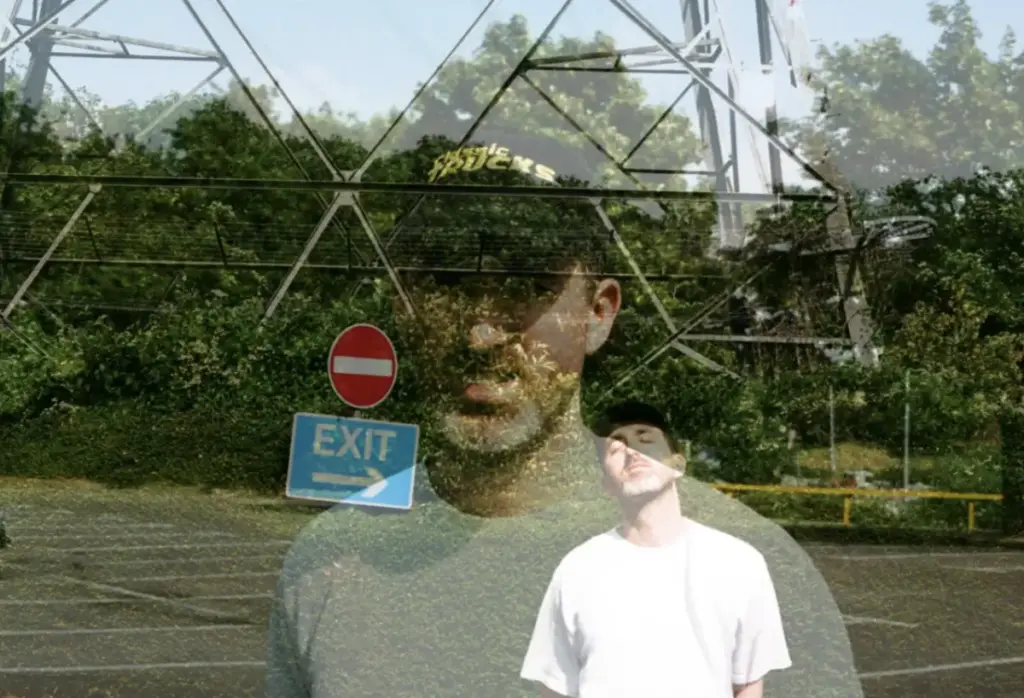
In April 2025, Swedish pianist Emil Ingmar gathered his core trio—bassist Fredrik Jonsson and drummer Calle Rasmussen—at Kingside Studio in Onesta to record Polaroids, subsequently released by Elle Street Records. They were later joined by guest soloists Jonas Knutsson on alto saxophone and Markus Ahlberg on trombone.
Unlike the conceptual ambition of the Purcell project or the ethnomusicological synthesis of Kaplan and the Rembrandt Trio, Ingmar’s Polaroids is a masterclass in radical simplicity. Across its 41 minutes and 11 cycles of concise musical vignettes (ranging from the title track to Bjurtjärn, June, and the concluding Polaroids – Outro), the album eschews extended jazz acrobatics, complicated time signatures, and aggressive tonal experimentation.
Instead, the chronology of the album’s production reveals a deliberate focus on mood, texture, and melodic immediacy. The recording layout favors natural acoustic interplay, allowing Jonsson’s bass to take center stage on tracks like Bjurtjärn while Rasmussen provides a subtle, R&B-inflected pulse that underpins the otherwise gentle, folk-pop-leaning compositions.
Supporting Context, Stylistic Analysis, and Metrics
Musical Architecture and Instrumentation
To fully appreciate the artistic weight of these three releases, one must examine their distinct approaches to instrumentation, arrangement, and stylistic hybridization.
| Album Title | Primary Artists | Key Instruments Used | Core Musical Influence | Production Venue & Date |
|---|---|---|---|---|
| Purcell: Sannhet, Løgn og Dårlig Hukommelse | Knut Reiersrud, Geir Sundstøl | Steel guitars, Archtops, Oud, Fretless banjo, Minimoog, Timpani | 17th-century English Baroque & American Roots | Studio Intim, Oslo (March 2025) |
| The Anatolian and Caspian Suites | Volkan Kaplan, Rembrandt Trio | Baglama, Tar, Piano, Harmonium, Bass, Drums, Percussion | Anatolian folk, Azerbaijani court music, European Jazz | Wisseloord Studio A, Hilversum (Dec 2025) |
| Polaroids | Emil Ingmar Trio + Guests | Piano, Keyboards, Vocal synth, Bass, Drums, Alto sax, Trombone | Nordic folk, Pop-jazz, R&B grooves | Kingside Studio, Onesta (April 2025) |
The Baroque-Americana Fusion of Reiersrud & Sundstøl
Purcell’s music has long fascinated interpreters looking outside the orthodox classical canon. While baroque ensembles like L’Arpeggiata have previously applied stylistic jazz and folk colorations to his work, Reiersrud and Sundstøl approach the material through the unique timbre of steel-string and hollow-body electric guitars.
The risk of kitsch is high: the juxtaposition of Norwegian roots musicians playing 17th-century English court music on country-and-western guitars could easily descend into parody. Yet, the album succeeds precisely because of its restraint. The musicians do not engage in flashy pyrotechnics; rather, they treat Purcell’s melodies with delicate, considered intimacy. On Dido’s Lament—arguably Purcell’s most famous aria—the use of steel guitar string bends introduces a keening, vocal-like lament that classical catgut strings simply cannot produce. The overdubbing is handled with such surgical precision that the album maintains the illusion of two friends sitting in a room, improvising purely for the joy of discovery.
Microtonality Meets Modern Jazz in Kaplan’s Suites
In contrast to the intimate, rustic minimalism of the Norwegian guitar sessions, The Anatolian and Caspian Suites represents a high-wire act of microtonal jazz fusion. The baglama and tar are notoriously demanding instruments, built with moveable frets that allow players to navigate the subtle microtonal intervals inherent in Middle Eastern and Caucasian modal systems (makams).
Volkan Kaplan’s technical mastery allows him to move effortlessly between rapid-fire tremolos and deeply melancholic, lyrical lines. However, the true alchemy of the album lies in Rembrandt Frerichs’ arrangements. Frerichs understands that jazz harmony does not need to overpower modal traditions; instead, it can provide a sophisticated harmonic cushion that enhances them. On tracks like Dervish Khan, Frerichs’ piano comping creates a rich harmonic canvas over which Kaplan’s tar weaves plangent melodies. Furthermore, drummer Vinsent Planjer’s dynamic percussion work on rhythmically complex pieces like Cargah Part 1 demonstrates a rare synergy between Middle Eastern rhythmic cycles and Western jazz drumming.
Ingmar’s Minimalist Pop-Jazz Aesthetic
Emil Ingmar’s Polaroids occupies a different stylistic universe altogether. By stripping away the dense ornamentation common to much contemporary jazz, Ingmar leans into a aesthetic reminiscent of the late, mellow recordings of the Esbjörn Svensson Trio (E.S.T.), albeit with a stronger emphasis on pop structures and folk melodies.
The tracks on Polaroids are structurally compact, prioritizing ear-worm melodies and relaxed grooves over extended soloing. The inclusion of guest horn players—Jonas Knutsson on alto saxophone and Markus Ahlberg on trombone—is used sparingly, deployed only to expand the textural palette and build emotional climaxes on otherwise quiet arrangements. Meanwhile, bassist Fredrik Jonsson steps out of the rhythm section shadow to carry lead melodies on tracks like Bjurtjärn, proving that emotional resonance does not require technical bombast.
Official Statements and Artistic Intentions
The Philosophy of Re-contextualization
Reflecting on their motivation to reinterpret baroque compositions using roots instrumentation, Knut Reiersrud and Geir Sundstøl noted in promotional interviews accompanying the release of Purcell: Sannhet, Løgn og Dårlig Hukommelse that historical music often suffers from institutional ossification.
"We were not interested in creating a stuffy historical homage," the duo explained via their production notes. "Purcell wrote music filled with raw human emotion, dance rhythms, and theatrical vitality. By using guitars traditionally associated with American folk and blues, we aren’t trying to distance ourselves from the composer; rather, we are stripping away centuries of academic varnish to find the raw, beating heart of the melodies."
Bridging East and West through Collaborative Trust
Volkan Kaplan and Rembrandt Frerichs have repeatedly emphasized that The Anatolian and Caspian Suites was built on a foundation of mutual listening rather than cultural appropriation or superficial genre-crossing. Frerichs, speaking on his extensive experience with Middle Eastern musical traditions following his time in Cairo, highlighted the structural similarities between baroque dance suites and Anatolian modal forms.
"There is a common architectural logic in modal music and early European dance forms," Frerichs stated during the album’s rollout. "When you sit down with an artist of Volkan’s caliber, the barriers between ‘world music’ and ‘jazz’ simply dissolve. We are speaking different dialects of the same fundamental musical language. The suite form allows us to explore endless variations without losing the emotional anchor of the native folk tradition."
The Radical Power of Simplicity
For Emil Ingmar, the creation of Polaroids was a conscious rebellion against the hyper-intellectualism that occasionally alienates casual listeners from modern jazz.
"There is an unspoken pressure in jazz to constantly prove your technical proficiency—to play faster, write more complex time signatures, and embrace dissonance," Ingmar remarked in press statements for Elle Street Records. "With this album, I wanted to prove that simplicity is not a compromise. A well-crafted, honest melody played with sensitivity and warmth holds just as much artistic validity as any avant-garde exercise. Sometimes, the bravest thing an artist can do is simply let the tune breathe."
Future Outlook
The simultaneous release of these three diverse albums signals a healthy, outward-looking trajectory for the global instrumental music scene. As streaming platforms continue to break down rigid genre categorizations, listeners are displaying an increasing appetite for cross-cultural collaborations and imaginative stylistic hybrids.
- The Expansion of Global Chamber Jazz: The success of projects like The Anatolian and Caspian Suites points toward a vibrant future for collaborations between Western jazz artists and Middle Eastern/Caucasian virtuosos. As more European and American jazz musicians invest time in mastering modal traditions and microtonal systems, we can expect a permanent expansion of the jazz vocabulary beyond traditional Western European tonality.
- The De-institutionalization of Classical Repertoire: Reiersrud and Sundstøl’s playful approach to Henry Purcell demonstrates that classical and baroque repertoires do not belong solely to historically informed performance ensembles. By filtering classical composition through the tactile, timbral lens of folk and roots instrumentation, contemporary artists are opening up historical catalogs to entirely new audiences, proving that great melodies are truly genre-agnostic.
- The Counter-Trend of Acoustic Minimalism: Amidst a technological landscape dominated by digital production and complex synthetic arrangements, Emil Ingmar’s Polaroids highlights a continuing demand for organic, unpretentious, melody-driven music. The embrace of simple, song-like structures within a jazz trio framework suggests that emotional intimacy and relaxed grooves will remain a vital antidote to musical fatigue in the years ahead.
Ultimately, these three releases—spanning the baroque salons of 17th-century England, the ancient caravan routes of Anatolia and Azerbaijan, and the quiet Nordic landscapes of modern Scandinavia—remind us that the most compelling music happens at the intersection of curiosity, respect, and fearless artistic experimentation.